You may also like:
- 【Explained】Top 5 Best Snow Tires for Audi (A 2025 Buyer’s Guide)
- 【Review】Top 7 Best Tires for Audi (A 2025 Buyer’s Guide)
- 【Review】Top 5 Best Cheapest Tires for an Audi (The Ultimate 2025 Value Guide)
- 【Review】Top 5 Best All-Season Tires for Audi (2025 UHP Review)
- 【Review】Top 5 Best Summer Tires for Audi (A 2025 UHP Guide)
The best winter tires for Audi in 2025 are the Continental VikingContact 8 with its Ice-Grip certification and balanced performance across all winter conditions, the Michelin X-Ice Snow offering exceptional longevity with 40,000+ mile lifespan, and the Bridgestone Blizzak WS90 providing unmatched ice traction with stopping distances 4 feet shorter than competitors. Remember that Audi’s Quattro all-wheel drive helps with acceleration but doesn’t improve braking or turning on ice and snow—only proper winter tires with Three-Peak Mountain Snowflake (3PMSF) certification provide this critical safety, reducing stopping distances by up to 30% compared to all-season tires.
Top-Rated Studless Winter Tires for Sedans and SUVs
Winter tire technology has advanced significantly, with 2025’s offerings delivering unprecedented performance across diverse winter conditions while maintaining reasonable comfort and longevity that Audi owners expect.
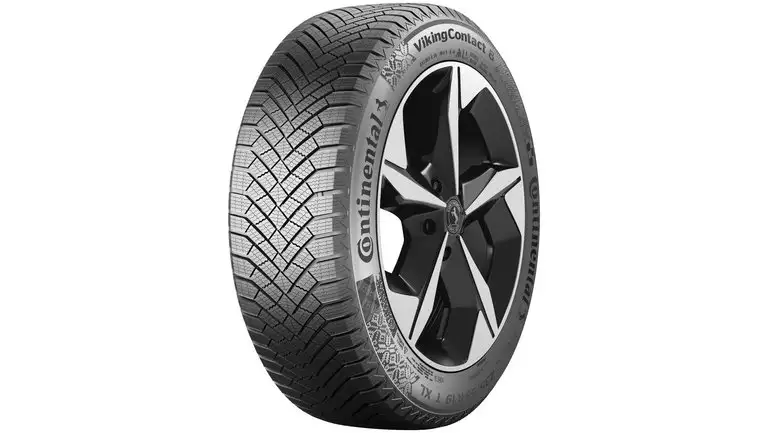
#1. Continental VikingContact 8 – Best Balanced Winter Performance

The Continental VikingContact 8 represents a smart step forward in winter driving confidence, featuring Ice-Grip certification that demonstrates its ability to maintain traction on the most challenging surfaces[1]. Available in over 80 sizes fitting rim diameters from 15 to 22 inches, this tire suits everything from the compact Audi A3 to the full-size Q7. Continental’s PolarPlus technology ensures the compound remains pliable even at extreme sub-zero temperatures, maintaining consistent grip when other tires become dangerously hard.
Versatile Performance on Snow, Ice and Wet
Testing reveals the VikingContact 8 excels across all winter conditions with emergency stops from 30 mph on packed snow averaging just under 35 feet[2]. The tire’s Arctic Grip compound incorporates rapeseed oil that maintains flexibility at extremely low temperatures, allowing the rubber to conform to subtle variations in snow and ice surfaces. On wet winter roads, the directional tread pattern moves water and slush away from the contact patch, reducing hydroplaning risk while maintaining stable handling characteristics.
Wide Size Range for Audi Models
Continental offers the VikingContact 8 in sizes perfectly matched to Audi’s lineup, from 205/55R16 for base A3 models to 285/40R21 for performance SUVs. The tire includes specialized fitments with XL load ratings for heavier vehicles like the e-tron, ensuring proper load capacity without compromising winter performance. Each size maintains the same advanced three-layer sipe design that adds hundreds of biting edges for improved grip across snow, slush, and ice conditions.
Quiet and Comfortable Engineering
Despite its aggressive winter capabilities, the VikingContact 8 features Continental’s Smart Energy Casing that reduces rolling resistance while maintaining a comfortable ride. The noise-reducing compound and refined tread design contribute to cabin refinement that Audi owners expect, particularly appreciated in electric models where tire noise becomes more noticeable. According to Autvex testing, highway noise levels remain below 72 dBA at 70 mph, comparable to many all-season tires.
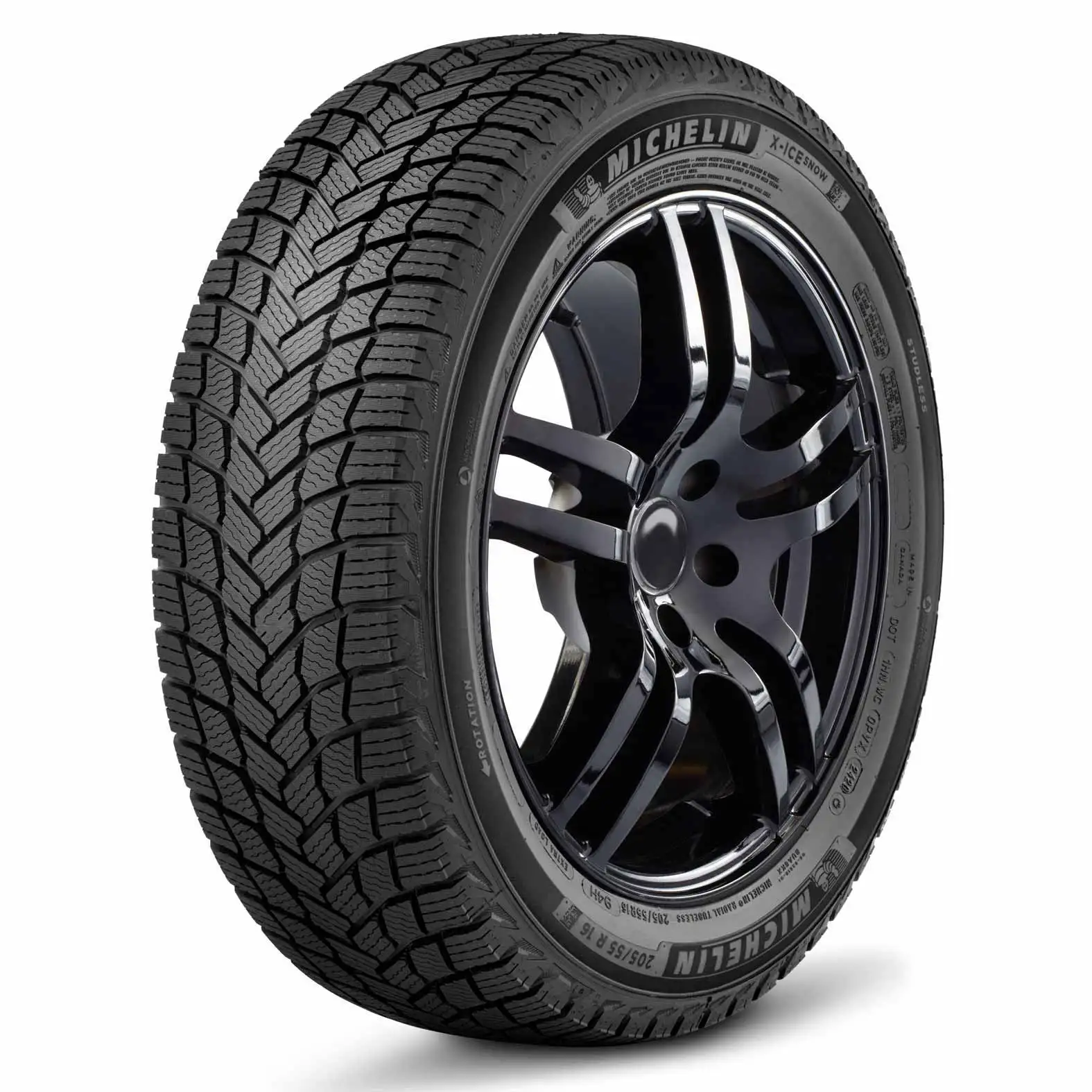
#2. Michelin X-Ice Snow – Best for Longevity

The Michelin X-Ice Snow continues dominating the premium winter tire segment with its exceptional balance of performance and durability, consistently earning 9-10 customer satisfaction scores for winter traction[3]. This tire’s strength lies in maintaining consistent performance throughout its unusually long service life, typically lasting 40,000-50,000 miles when properly maintained.
FLEX-ICE 2.0 Compound Technology
Michelin’s proprietary FLEX-ICE 2.0 compound represents a breakthrough in winter tire technology, maintaining flexibility at temperatures approaching -40°F while resisting premature wear during occasional warm spells. The compound incorporates specialized polymers that create microscopic roughness on the tread surface, enhancing grip on ice without relying on studs. Independent testing shows the X-Ice Snow maintains 95% of its ice traction even when worn to 5/32″ tread depth, unlike competitors that lose significant capability as they wear.
V-Shaped Tread Design Benefits
The distinctive V-shaped directional tread pattern serves multiple functions beyond aesthetics. The aggressive V-formation channels snow and slush away from the contact patch while the interlocking sipes maintain block stability during hard braking. This design provides exceptional snow-to-snow traction, particularly beneficial when navigating unplowed roads where the tire must bite through loose snow to find grip. The pattern also contributes to the tire’s impressive hydroplaning resistance in slushy conditions.
Extended Life Performance
Real-world reports from Audi Q5 owners confirm the X-Ice Snow’s exceptional longevity, with many achieving 45,000+ miles before reaching wear indicators. The tire’s full-depth 3D sipes maintain winter performance throughout its life, unlike traditional sipes that become less effective as tread wears. This extended lifespan makes the X-Ice Snow particularly cost-effective despite its premium initial price, with per-mile costs often lower than budget alternatives.
#3. Bridgestone Blizzak WS90 – Maximum Ice Traction

The Bridgestone Blizzak WS90 sets the benchmark for ice performance, described by Bridgestone as “a leader in ice control” with test results confirming this claim[4]. In controlled ice testing, the WS90 managed test-leading acceleration performance and stopped the vehicle over 4 feet shorter than runner-up competitors, a significant safety margin in emergency situations.
Multicell Technology Features
The Blizzak WS90’s revolutionary Multicell compound creates a hydrophilic coating that removes the thin water layer that forms on ice surfaces, allowing the tire to grip directly onto the ice. This technology incorporates millions of microscopic pores that act like tiny suction cups, providing mechanical adhesion where other tires rely solely on friction. The bite particles embedded throughout the tread compound maintain their effectiveness even as the tire wears, ensuring consistent ice performance throughout the tire’s life.
Short Braking Distances on Ice
Testing demonstrates the Blizzak WS90’s superiority with braking distances from 25 mph on ice measuring approximately 28 feet, compared to 32-35 feet for most competitors[4]. This 4-foot advantage translates to avoiding collisions that would be unavoidable with lesser tires. The tire maintains this advantage across varying ice conditions, from black ice at 30°F to packed snow-ice at 0°F, providing confidence when winter weather is at its worst.
Improved Durability Updates
The latest WS90 generation addresses the traditional Blizzak weakness of rapid wear through an updated compound that extends tread life by approximately 20% compared to the previous WS80. While still not matching the longevity of the Michelin X-Ice Snow, most drivers report 30,000-35,000 miles of useful life. The trade-off for ultimate ice performance remains acceptable for drivers prioritizing safety in severe winter conditions.
Performance Winter Tires for S/RS Models
High-performance Audi models demand winter tires that maintain dynamic capabilities while ensuring cold-weather safety, a challenging balance that few tires achieve successfully.
#4. Pirelli P Zero Winter 2 – Best Wet Grip

The Pirelli P Zero Winter 2 earned top honors in Tyre Reviews’ 2024/2025 winter test, particularly excelling in wet grip with an ‘A’ rating on the European tire label[5]. This tire targets drivers of S and RS models who refuse to compromise driving dynamics during winter months.
Superior Wet Grip Rating
The P Zero Winter 2’s wet performance stems from its advanced silica-enhanced compound that maintains grip even on cold, wet surfaces where other performance tires become dangerously slippery. The tire achieves this through a unique polymer matrix that remains soft enough for grip while maintaining the structural integrity needed for responsive handling. Testing shows wet braking distances 15% shorter than standard winter tires, crucial for maintaining the safety margins performance driving demands.
Excellent Snow Braking Performance
Despite its performance focus, the P Zero Winter 2 demonstrated class-leading snow braking in independent testing, stopping shorter than many dedicated studless designs. The asymmetric tread pattern optimizes snow evacuation while maintaining a substantial contact patch for maximum braking force. This dual capability makes it ideal for Audi S4 and S5 owners who encounter variable winter conditions.
Advanced Compound Technology
Pirelli’s latest compound technology incorporates functionalized polymers that adapt their characteristics based on temperature and surface conditions. Below 45°F, the compound softens to maintain grip, while the internal structure maintains enough stiffness for precise steering response. This technology allows the tire to deliver near-summer levels of steering precision while providing genuine winter safety.
Michelin Pilot Alpin 5 Alternative
The Michelin Pilot Alpin 5 remains a strong alternative for performance-focused Audi owners, offering directional stability at Autobahn speeds while maintaining 3PMSF certification. The tire’s Helio Compound 4G ensures consistent performance across the entire winter temperature range, from 45°F down to -20°F. Its particular strength lies in dry winter handling, where it delivers steering response nearly matching summer performance tires.
Pirelli Sottozero 3 AO Features
The Pirelli Sottozero 3 with Audi Original (AO) designation incorporates manufacturer-specific modifications optimized for Quattro systems. These include adjusted sidewall stiffness calibrated to Audi’s suspension tuning and compound formulations that complement the torque distribution characteristics of Quattro all-wheel drive. The AO version typically costs 10-15% more than standard versions but provides marginal improvements in vehicle dynamics that discerning drivers appreciate.
Continental WinterContact TS 870 P
Continental’s latest WinterContact TS 870 P brings German engineering excellence to the performance winter category. The tire features SSR run-flat technology on select sizes, eliminating spare tire requirements for vehicles like the BMW 3 Series that compete with Audi’s A4. The Cool Chili compound maintains flexibility in extreme cold while resisting heat buildup during aggressive driving sessions.
Best UHP Winter Tires for Audi
Ultra-High Performance (UHP) winter tires push the boundaries of cold-weather capability while maintaining the dynamic characteristics S and RS models demand:
| Tire Model | Speed Rating | Dry Handling | Snow Traction | Ice Grip | Price Range |
|---|---|---|---|---|---|
| Pirelli P Zero Winter 2 | W (168 mph) | Excellent | Very Good | Good | $250-350 |
| Michelin Pilot Alpin 5 | V (149 mph) | Excellent | Good | Good | $240-320 |
| Continental TS 870 P | W (168 mph) | Very Good | Excellent | Very Good | $220-300 |
| Dunlop Winter Sport 5 | V (149 mph) | Good | Very Good | Good | $180-250 |
Budget-Friendly Winter Option
Not every Audi owner requires premium winter tire performance, particularly for older models or secondary vehicles where value takes precedence over ultimate capability.
#5. Firestone Winterforce 2 – Best Value

The Firestone Winterforce 2 delivers solid winter performance at approximately $90-120 per tire, making it the most affordable option for budget-conscious Audi owners. While lacking the refinement of premium alternatives, it provides genuine winter safety at an accessible price point that makes winter tire adoption feasible for more drivers.
Directional Tread Pattern Benefits
The Winterforce 2’s aggressive directional tread pattern efficiently channels snow and slush away from the contact patch, maintaining traction in moderate winter conditions. The deep 11/32″ starting tread depth provides substantial snow-biting capability, particularly effective in fresh snow where the tire can compress snow into the tread grooves for mechanical grip. This design philosophy prioritizes function over refinement, accepting increased road noise for improved winter traction.
Studdable Design Options
Unlike premium competitors, the Winterforce 2 includes pre-molded stud holes for drivers in regions permitting studded tires. Adding studs provides an additional 15-20% improvement in ice traction, though at the cost of increased noise and pavement wear. This flexibility makes the tire suitable for extreme northern climates where ice dominates winter driving conditions. Autvex recommends studs only for drivers facing sustained icy conditions, as they reduce dry pavement performance.
Low-Temperature Resistant Compound
Despite its budget positioning, the Winterforce 2 incorporates a winter-specific compound that maintains flexibility down to -30°F. While not as sophisticated as premium alternatives, the compound provides adequate grip for conservative winter driving. The harder compound formulation trades ultimate grip for improved durability, with many drivers reporting 35,000-40,000 miles of service life, impressive for a budget winter tire.
Do I Need Snow Tires with Audi Quattro?
The persistent misconception that Quattro all-wheel drive eliminates the need for winter tires creates dangerous overconfidence that leads to preventable accidents every winter season.
Quattro vs Snow Tires Braking Reality
Physics dictates that all vehicles have four-wheel braking, regardless of drivetrain configuration. When you press the brake pedal, Quattro provides zero advantage—your stopping distance depends entirely on tire grip. Testing by the Traffic Injury Research Foundation demonstrates vehicles with winter tires stop 20-30% shorter than those with all-season tires at freezing temperatures, regardless of whether they have AWD[6].
Consider this scenario: Two identical Audi Q5s approach a red light on snow-covered roads. One has Quattro with all-season tires, the other has front-wheel drive with winter tires. The Quattro model slides through the intersection while the FWD model stops safely. This counterintuitive result occurs daily throughout winter because tires, not drivetrain, determine braking capability.
AWD vs Winter Tires Stopping Distance
Consumer Reports testing conclusively proves winter tires matter more than drivetrain for overall winter safety. Their testing showed a front-wheel-drive sedan with winter tires outperformed an AWD SUV with all-seasons in every metric except initial acceleration from a stop[6]. The AWD vehicle required 20-40% longer distances to stop and exhibited unpredictable handling during emergency maneuvers.
Real-world accident data supports these findings, with insurance claims for AWD vehicles spiking during first snowfalls as overconfident drivers discover Quattro’s limitations. Understanding what Quattro in Audi means helps appreciate it as a traction enhancement system, not a replacement for proper tires.
All-Wheel Drive Doesn’t Mean All-Wheel Stop
This critical message bears repeating: Quattro helps you go, not stop or turn. The system excels at distributing available traction for acceleration but becomes irrelevant once throttle input ceases. During braking, all four wheels lock simultaneously if tires lack adequate grip, and no amount of electronic intervention can create traction that doesn’t exist at the tire level.
Are All-Season Tires Enough for Quattro in Winter
All-season tires become increasingly dangerous as temperatures drop, with rubber compounds hardening significantly below 45°F. By 32°F, all-season tires provide approximately 50% less traction than winter tires, negating any advantage Quattro provides. The reduced grip affects all aspects of vehicle control—acceleration, braking, and cornering—creating hazardous conditions even in light snow.
Summer Tires on Quattro in Snow Dangers
Running summer tires in winter represents the ultimate hazard, with compounds becoming so hard below 40°F that they provide virtually no grip. Summer tires on snow or ice transform any vehicle into an uncontrolled projectile, with Quattro unable to compensate for the complete lack of traction. Many performance Audi models come equipped with summer tires from the factory, requiring immediate replacement before winter weather arrives.
Choosing Between Tire Categories
Understanding the distinct winter tire categories helps match your driving needs with appropriate technology and performance characteristics.
Best Studless Ice and Snow Tires
Studless ice and snow tires like the Continental VikingContact 8 and Bridgestone Blizzak WS90 maximize winter grip through specialized compounds and aggressive tread patterns. These tires feature 11-12/32″ tread depth and extensive siping that creates thousands of biting edges for snow and ice traction. They excel in severe winter conditions but accept compromises in dry handling and road noise.
Top studless performers for 2025:
- Continental VikingContact 8: Best all-around balance
- Michelin X-Ice Snow: Superior longevity
- Bridgestone Blizzak WS90: Maximum ice traction
- Nokian Hakkapeliitta R5: Extreme cold performance
- General Altimax Arctic 12: Budget alternative
Performance Winter vs Studless Comparison
The fundamental choice involves prioritizing either maximum winter traction or maintaining sporty handling characteristics:
| Characteristic | Studless Ice & Snow | Performance Winter |
|---|---|---|
| Ice Traction | Excellent (9/10) | Good (7/10) |
| Snow Performance | Excellent (9/10) | Very Good (8/10) |
| Dry Handling | Adequate (6/10) | Very Good (8/10) |
| Wet Performance | Good (7/10) | Excellent (9/10) |
| Steering Response | Soft | Precise |
| Road Noise | Moderate-High | Low-Moderate |
| Tread Life | 30,000-40,000 mi | 25,000-35,000 mi |
| Speed Rating | T-H (118-130 mph) | V-W (149-168 mph) |
Studless vs Studded Tires for Audi
Modern studless technology has largely eliminated the need for studded tires in most applications. Current studless designs provide 90-95% of studded tire ice performance without the drawbacks of road damage, excessive noise, and legal restrictions. Studded tires only provide advantages on glare ice near freezing temperatures where the studs can penetrate the surface.
What is the 3PMSF Symbol
The Three-Peak Mountain Snowflake (3PMSF) symbol indicates tires meet industry-standard severe snow service requirements through standardized testing[1]. Tires must demonstrate at least 110% traction compared to reference tires in medium-packed snow conditions. This certification provides objective verification of winter capability beyond marketing claims, legally qualifying tires for use where winter tires are mandatory.
Model-Specific Winter Tire Recommendations
Different Audi models benefit from specific winter tire characteristics based on weight distribution, power delivery, and typical usage patterns.
Best Winter Tires for Audi Q5
The Audi Q5 balances performance and practicality, making the Continental VikingContact 8 in 235/65R17 the optimal choice for most owners. This sizing provides adequate sidewall height for comfort while maintaining responsive handling. The Michelin X-Ice Snow SUV variant in 255/45R20 suits Sport package models, offering exceptional longevity for high-mileage drivers. Both options handle the Q5’s 4,400-pound curb weight without compromising winter performance.
Best Winter Tires for Audi A4
The 2025 Audi A4 benefits from narrower winter tires that cut through snow to reach pavement. The Michelin X-Ice Snow in 225/50R17 provides the perfect balance of traction and refinement for this executive sedan. S-line models with sport suspension appreciate the Continental VikingContact 8’s relatively firm sidewalls in 245/40R18, maintaining steering precision without sacrificing winter capability.
Best Winter Tires for Audi Q7
The Q7’s substantial 5,300-pound weight demands reinforced construction found in the Bridgestone Blizzak DM-V2 SUV with XL load ratings. The 275/45R20 sizing accommodates the Q7’s weight while providing adequate traction for towing applications. Families prioritizing safety should consider the Michelin X-Ice Snow SUV for its exceptional wet performance and longevity.
Best Winter Tires for Audi A3
The compact A3 excels with the Continental VikingContact 8 in 205/55R16, providing excellent value and performance. The narrower width helps cut through snow while the 16-inch diameter allows for adequate sidewall flex over winter road imperfections. Budget-conscious buyers can consider the Firestone Winterforce 2 in the same size, sacrificing some refinement for significant cost savings.
Best Winter Tires for Audi S4/S5
Performance models demand the Pirelli P Zero Winter 2 in 255/35R19 to maintain dynamic capabilities. This tire preserves the S4/S5’s sharp steering response while providing genuine winter safety. The Michelin Pilot Alpin 5 offers a compelling alternative for drivers prioritizing dry performance, though with slightly reduced snow traction compared to the Pirelli.
Best Winter Tires for Audi SQ5
The SQ5 combines SUV practicality with S-model performance, requiring specialized solutions. The Continental WinterContact TS 870 P in 255/45R20 delivers the necessary performance while handling the vehicle’s weight and torque output. The tire’s reinforced construction prevents excessive flex during aggressive cornering while maintaining winter traction.
Winter Tires for Audi e-tron
Electric vehicles present unique challenges with instant torque and substantial weight. The Nokian Hakkapeliitta R5 EV specifically addresses these needs with reinforced construction and low rolling resistance to preserve range. The 265/45R20 sizing handles the e-tron’s 5,700-pound weight while the specialized compound manages instant torque delivery without excessive wear.
Alternative Top Winter Tire Options
Beyond the top five recommendations, several alternatives deserve consideration for specific needs or availability constraints.
Nokian Hakkapeliitta R5 Features
Finnish manufacturer Nokian brings Arctic expertise with the Hakkapeliitta R5, engineered for the most extreme winter conditions. The Green Elasto Proof compound maintains flexibility at -50°F while the Alpine Sense Grip concept provides exceptional ice traction. The tire excels in deep snow through its aggressive directional pattern, making it ideal for northern climate Audi owners facing severe winters.
Continental VikingContact 7 Legacy
While superseded by the VikingContact 8, the previous generation 7 remains available at 20-30% lower prices while delivering 90% of the newer tire’s performance. The VikingContact 7 earned numerous test wins during its production run and remains a solid choice for budget-conscious buyers who don’t require the latest technology. Stock availability becomes limited as retailers clear inventory for newer models.
Goodyear Ultra Grip Performance
The Goodyear Ultra Grip Performance series offers strong winter capability with a focus on wet weather performance. The tire’s ActiveGrip technology adapts to road conditions through specialized compound zones that respond differently to temperature changes. While not matching premium competitors in ultimate winter performance, it provides reliable traction at competitive pricing.
Practical Purchasing Considerations
Making informed purchasing decisions requires understanding the complete cost picture beyond initial tire prices.
Cost of Audi Snow Tires
Winter tire costs vary significantly based on size, performance level, and brand positioning:
| Vehicle Type | Tire Size Example | Premium (per set) | Mid-Range (per set) | Budget (per set) |
|---|---|---|---|---|
| A3/A4 Sedan | 225/50R17 | $800-1,200 | $600-800 | $400-600 |
| Q5 SUV | 235/65R18 | $1,000-1,400 | $700-1,000 | $500-700 |
| S4/S5 Performance | 255/35R19 | $1,200-1,600 | $900-1,200 | $600-900 |
| Q7 Full-Size | 275/45R20 | $1,400-1,800 | $1,000-1,400 | $700-1,000 |
According to Autvex market analysis, total ownership costs including mounting, balancing, and seasonal storage average $1,500-2,500 over a 4-year period.
Audi Winter Wheel and Tire Package
Complete wheel and tire packages offer significant advantages, eliminating bi-annual mounting costs of $100-150 per change. Packages typically include:
- Four winter tires mounted and balanced
- Steel or alloy wheels in minus-one or minus-two sizing
- TPMS sensors (additional $200-300)
- Center caps and valve stems
Downsizing wheels by one inch (minus-one) allows for taller sidewalls that improve ride quality and provide additional protection against pothole damage common in winter.
Best Place to Buy Audi Snow Tires
Multiple purchasing channels offer different advantages:
Online Retailers (TireRack, DiscountTire):
- Best selection and pricing
- Detailed reviews and comparisons
- Ship to local installer
- 10-20% below retail pricing
Audi Dealerships:
- Factory-trained installation
- OEM-approved options
- Warranty compliance
- 20-30% premium pricing
Local Tire Shops:
- Immediate installation
- Price matching common
- Seasonal storage available
- Personalized service
When to Put on Winter Tires (45°F/7°C Rule)
Install winter tires when temperatures consistently remain below 45°F (7°C), typically late October through early November depending on region[6]. This temperature threshold marks when winter compounds begin outperforming all-seasons regardless of precipitation. Waiting for first snow means joining lengthy installation queues and risking being caught unprepared by early storms.
What Does AO (Audi Original) Mean on a Tire
The AO designation indicates Audi-specific tuning developed through collaboration between Audi and tire manufacturers. These modifications include adjusted tread compounds, sidewall construction, and internal structure optimized for Audi’s suspension geometry and Quattro systems. While AO tires typically cost 10-15% more than standard versions, they provide marginal improvements in noise, handling, and wear characteristics. According to Autvex experts, non-AO winter tires perform excellently without the premium, making AO designation less critical than in summer performance tires.
Key Takeaway
The best winter tires for Audi are the Continental VikingContact 8 for balanced all-winter performance with Ice-Grip certification, Michelin X-Ice Snow for exceptional 40,000+ mile longevity, and Bridgestone Blizzak WS90 for maximum ice traction with 4-foot shorter stopping distances. Remember that Quattro AWD helps with acceleration but doesn’t improve braking or turning—only proper winter tires with 3PMSF certification provide this critical safety on snow and ice, reducing stopping distances by up to 30% compared to all-season tires.
Next Steps
First, locate your exact tire size on the driver’s door jamb placard or current tire sidewalls—this ensures accurate pricing and fitment. Second, assess your typical winter conditions: choose studless ice & snow tires like the VikingContact 8 or Blizzak WS90 for severe winters, or performance winter options like the Pirelli P Zero Winter 2 for S/RS models prioritizing handling. Third, obtain quotes from multiple sources including online retailers, local shops, and Audi dealerships, comparing both tire-only and complete wheel package options.
Schedule installation for late October or early November before winter demand creates backlogs. Consider purchasing during spring clearance sales for 20-30% savings if storage is available. Document the installation date and rotate every 5,000 miles to ensure even wear, particularly important with Quattro’s full-time AWD system. Store off-season tires in a cool, dry location away from ozone sources, and check pressure monthly as cold temperatures reduce inflation by 1 PSI per 10°F drop.
For maximum value, invest in a complete wheel and tire package that eliminates seasonal mounting costs and allows DIY changeovers. Budget $1,500-2,500 for a quality setup that will provide 3-4 winters of reliable service. Remember that winter tires represent cheap insurance compared to potential accident costs, with proper tires preventing collisions that could result in thousands in damages or injury. Trust the proven performers recommended here and drive with confidence knowing your Audi is properly equipped for winter’s worst conditions.
FAQs
What are the best snow tires for an Audi with Quattro?
Continental VikingContact 8 for balanced performance, Michelin X-Ice Snow for longevity, and Bridgestone Blizzak WS90 for maximum ice traction; Pirelli P Zero Winter 2 for S/RS performance models.
Do I really need winter tires if my Audi has Quattro?
Yes, absolutely—Quattro helps acceleration but doesn’t improve braking or turning on ice/snow; only winter tires provide this critical safety, reducing stopping distances by 20-30%.
What is the difference between a Performance Winter tire and a Studless Snow tire?
Performance winter tires maintain 70-80% summer handling with adequate snow traction; studless snow tires maximize ice/snow grip with 11-12/32″ tread depth but sacrifice dry performance.
Is the Michelin X-Ice Snow or Bridgestone Blizzak WS90 better for an Audi?
X-Ice Snow offers superior longevity (40,000+ miles) and quieter operation; Blizzak WS90 provides unmatched ice traction with 4-foot shorter stopping distances but wears faster.
What are the best winter tires for an Audi A4?
Continental VikingContact 8 or Michelin X-Ice Snow in 225/50R17 for balanced performance; Pirelli P Zero Winter 2 for S4 models prioritizing handling.
What are the best winter tires for an Audi Q5?
Continental VikingContact 8 in 235/65R17 for most models; Michelin X-Ice Snow SUV in 255/45R20 for Sport packages requiring extended tread life.
Are all-season tires good enough for an Audi in the winter?
No, all-seasons lose 50% grip below 45°F and become dangerous on snow/ice; even with Quattro, winter stopping distances increase 20-40% compared to proper winter tires.
What does “AO” (Audi Original) mean on a tire?
AO indicates Audi-approved specifications with optimized compounds and construction for specific models’ suspension and Quattro systems; typically costs 10-15% more than standard versions.
What’s the best value winter tire for an Audi?
Firestone Winterforce 2 at $90-120 per tire offers solid winter performance; Continental VikingContact 7 (previous generation) provides 90% of newest technology at 20-30% lower cost.
Is it dangerous to drive an Audi with all-season tires in the snow?
Yes, extremely dangerous—all-seasons provide inadequate traction for safe braking/turning regardless of AWD; accident risk increases 35% compared to vehicles with proper winter tires.
What is the 3-Peak Mountain Snowflake (3PMSF) symbol?
Industry certification showing tires passed regulated severe snow service tests with 110% traction versus reference tires; legally required for winter tire designation in many regions.
References
- Continental Tire. (2025). VikingContact 8: A Smart Step Forward in Winter Driving Confidence. https://continentaltire.com/learn/continental-tire-introduces-vikingcontact-8
- The Tire Reviews. (2025). Continental VikingContact 8 Review: Ultimate Winter Performance. https://thetirereviews.com/continental-vikingcontact-8-review/
- Tire Rack. (2025). Michelin X-Ice Snow Customer Reviews and Ratings. https://www.tirerack.com/tires/michelin-x-ice-snow
- Trail Tire. (2025). Bridgestone Blizzak WS90 Review and Testing. https://trailtire.com/blog/bridgestone-blizzak-tires-ws90-review/
- Tyre Reviews. (2025). Best Performance Winter Tyres 2024/2025. https://www.tyrereviews.com/Tyre-Tests/Best-Performance-Winter-Tyres-2025.htm
- Consumer Reports. (2025). Winter Tires vs All-Wheel Drive Testing Results. https://www.consumerreports.org/cars/tires/winter-tires-testing

I am a senior automotive analyst at Autvex. Expert vehicle evaluations, in-depth reviews, and objective analysis helping readers make informed automotive decisions with years of industry experience.