

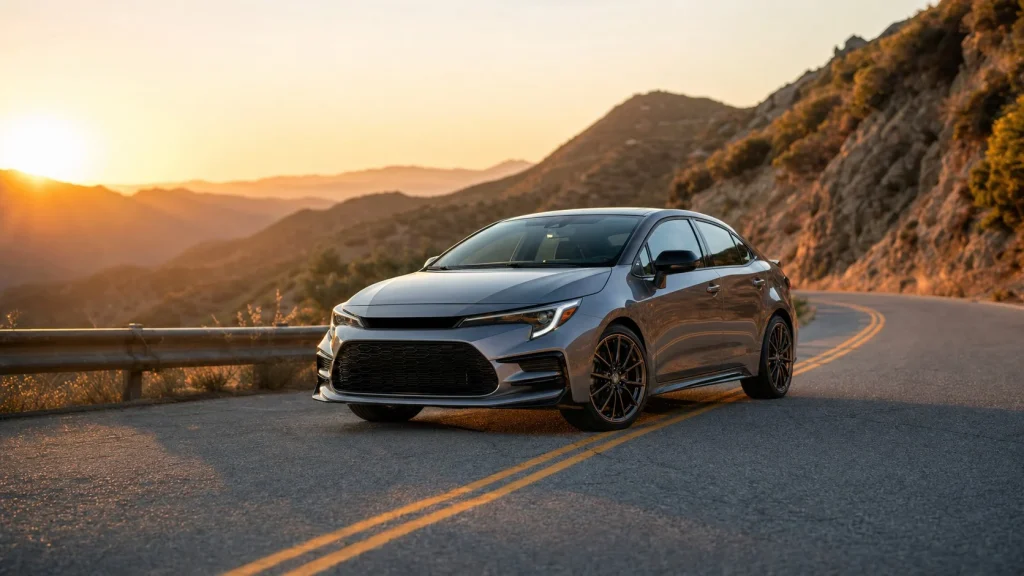
Quick answer: The 2024 Audi S3 is a premium sport sedan starting at $47,400, powered by a 306-horsepower turbocharged engine that delivers a zero-to-sixty acceleration time of 4.5 seconds. Standard quattro all-wheel drive, a carbon-fiber interior inlay, and refined handling make it a composed daily-driver option that occupies the middle ground between the standard A3 sedan and the track-focused RS3.
Key takeaways:
- The base price starts at $47,400 for the Premium trim, rising to $54,300 for the top Prestige trim.
- A turbocharged 2.0-liter engine produces 306 horsepower and 295 pound-feet of torque.
- Upgrades for the 2024 model year include standard carbon-fiber cabin trim and optional standalone Fine Nappa leather seats.
- Standard driver-assist systems feature lane departure warning, automated parking, and forward collision warning.
Pricing and Trim Levels
The 2024 Audi S3 comes in three distinct trim configurations, allowing buyers to select their desired level of comfort and technology. Audi has updated the standard equipment list for this model year, replacing the previous aluminum cabin inserts with matte carbon-fiber inlays.
| Trim | Base MSRP | Key Standard Equipment |
|---|---|---|
| Premium | $47,400 | Panoramic sunroof, 18-inch wheels, three-zone automatic climate control, heated front seats |
| Premium Plus | $50,300 | Adaptive cruise control, lane-centering assist, wireless device charging pad, driver-seat memory settings |
| Prestige | $54,300 | 12.3-inch Virtual Cockpit gauge cluster, Bang & Olufsen premium audio, head-up display, navigation |
The Premium Plus trim represents the most popular choice for buyers, balancing essential driver-assistance technology with premium amenities. Buyers can enhance this trim with the S Sport package for $1,200, which adds red brake calipers and a sport-tuned adaptive damper suspension. The Technology package is available for $2,250 on the Premium Plus trim, bringing the larger digital cluster and the Bang & Olufsen sound system.
Powertrain and Performance Specs
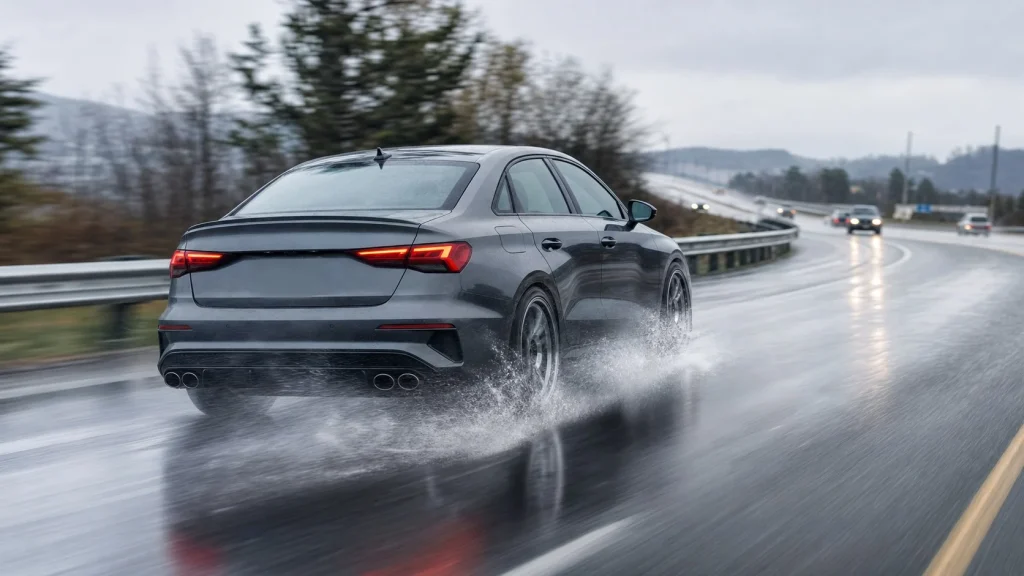
The heart of the S3 is a turbocharged 2.0-liter inline-four engine, a high-output variant of the Volkswagen Group EA888 engine family. This powerplant utilizes a seven-speed S tronic dual-clutch transmission to distribute power to all four wheels.
| Performance Metric | Specification |
|---|---|
| Engine | 2.0-liter Turbocharged Inline-4 TFSI |
| Horsepower | 306 hp @ 5,450 to 6,500 rpm |
| Torque | 295 lb-ft @ 2,000 to 5,400 rpm |
| Transmission | 7-Speed S tronic Dual-Clutch |
| Drivetrain | quattro All-Wheel Drive |
| 0-60 mph Time | 4.5 seconds (Manufacturer estimate) |
| Top Speed | 155 mph (Electronic limit) |
| Curb Weight | 3,538 lbs |
In independent road tests, automotive publications recorded a zero-to-sixty sprint of 4.3 seconds, highlighting the effectiveness of the launch control system and quattro traction. In daily driving, Comfort mode displays minor turbo lag under sudden acceleration. Engaging Dynamic mode sharpens throttle response and gear changes, producing a more throatier engine note. The steering feels heavy and direct, though it filters out some tactile road feedback compared to dedicated sports cars. Edmunds instrumented tests show the sedan stops from sixty miles per hour in 107 feet, exhibiting stable brake feel and minimal fade.
Real-World Fuel Economy
According to EPA estimates, the S3 returns 23 mpg in the city, 32 mpg on the highway, and 26 mpg combined. These figures require the use of premium fuel to maintain full performance.
During highway testing at a sustained seventy-five miles per hour, automotive testers observed a fuel economy rating of 32 mpg. This efficiency translates to a highway cruising range of approximately 460 miles from the 14.5-gallon fuel tank. These numbers make the S3 more efficient than several key competitors, matching the fuel economy of the BMW M235i Gran Coupe.
Interior Comfort and Technology
The cabin design is driver-focused, matching the standard A3 sedan layout while adding sporty elements like quilted leather seat inserts and a flat-bottom steering wheel. The center console features a toggle-switch gear selector. Unlike newer luxury vehicles that move all adjustments to touchscreens, this model retains physical buttons for the three-zone climate control system, improving usability while driving.
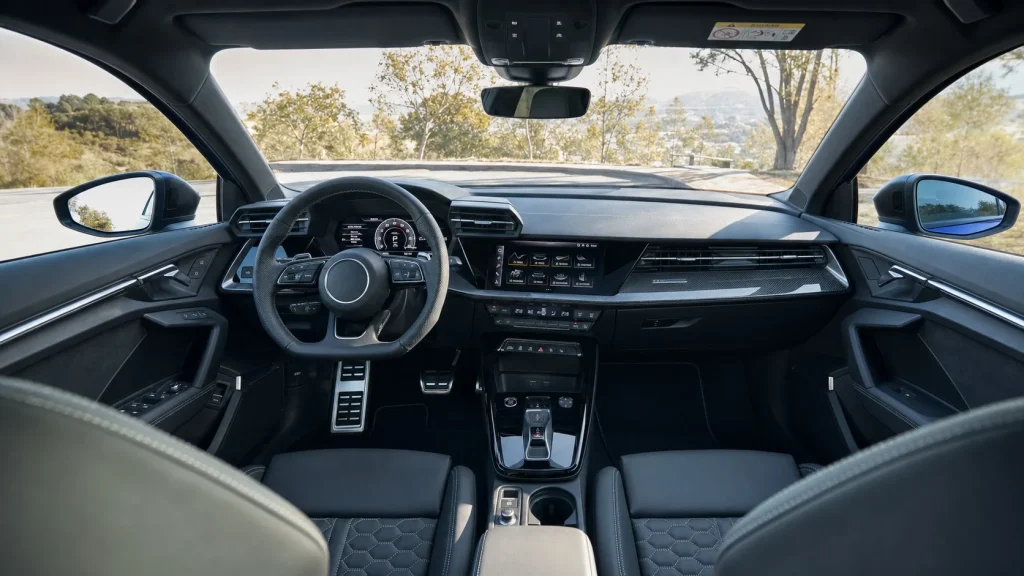
Standard infotainment relies on a 10.1-inch central touchscreen running the Audi MMI software interface, accompanied by wireless Apple CarPlay and Android Auto integration. The cabin layout places controls within easy reach, though accessing deep vehicle customization menus requires navigating several touchscreen layers.
The primary interior drawback is cargo capacity. The trunk offers only 8 cubic feet of space, which is smaller than the cargo bays of rival sport sedans and hatchback models, requiring creative packing for longer road trips.
Safety Ratings and Crash Prevention
The A3 platform, which forms the basis for the S3, earned a Good rating in crash tests conducted by the Insurance Institute for Highway Safety. The front crash prevention systems achieved a Superior rating in vehicle-to-vehicle scenarios, stopping the vehicle completely during automated emergency braking tests from twelve and twenty-five miles per hour.
Standard safety features include forward collision warning and automatic emergency braking with pedestrian detection. Upgrade packages or higher trim configurations are required to obtain active lane-keeping assist, blind-spot monitoring, and adaptive cruise control. The National Highway Traffic Safety Administration has not published independent crash test results for this model.
Comparing the S3, Golf R, and RS3
Understanding where the vehicle sits in the performance market helps buyers choose the right platform. The model shares its chassis architecture with both the mainstream Volkswagen Golf R hatchback and the high-performance five-cylinder Audi RS3.
| Performance Characteristic | 2024 Audi S3 | 2024 VW Golf R | 2024 Audi RS3 |
|---|---|---|---|
| Engine Type | 2.0L Turbo 4-Cylinder | 2.0L Turbo 4-Cylinder | 2.5L Turbo 5-Cylinder |
| Horsepower | 306 hp | 315 hp | 401 hp |
| Torque | 295 lb-ft | 295 lb-ft | 369 lb-ft |
| Base MSRP | $47,400 | $45,665 | $62,300 |
| Body Style | Sedan | Hatchback | Sedan |
The S3 serves as a refined, daily-driver alternative. While the Golf R offers hatchback utility and slightly more power for a lower price, the S3 counters with a traditional sedan profile, premium cabin insulation, and standard physical controls.
The RS3 represents a track-oriented vehicle, producing a distinctive sound from its five-cylinder engine and utilizing a specialized torque-vectoring rear differential. However, it costs roughly $15,000 more than a base S3. Buyers seeking a balance of luxury and performance can also review the 2023 Audi S3 review for pre-owned pricing, or look ahead to the 2025 Audi S3 review to explore the upcoming interior styling and power updates. For a complete catalog of related models, visit the Audi S3 lineup directory.
Common Issues and Ownership Costs
The EA888 engine platform used in the S3 has a long production history, but owners should be aware of specific mechanical issues over time.
The most common repair issue centers on coolant leaks from the thermostat housing and water pump assembly. Audi issued an extended warranty covering these cooling components for ten years or 100,000 miles on affected vehicles. Ignition coil packs can also wear out prematurely, typically requiring replacement around 60,000 miles.
The standard manufacturer warranty covers the vehicle for four years or 50,000 miles, but does not include complimentary scheduled maintenance visits. Buyers should budget for premium fuel, high-performance brake pads, and summer tires, which wear quicker under enthusiastic driving.
Pros and Cons
What Works
- Rapid acceleration from sixty miles per hour in 4.5 seconds with confident quattro all-weather grip.
- Compact exterior dimensions make parking and city driving easier than in mid-size sport sedans.
- Strong braking capability, bringing the vehicle to a stop from sixty miles per hour in 107 feet.
- Dedicated physical buttons for climate control functions improve user interaction.
What Does Not
- Small trunk volume of 8 cubic feet limits utility for luggage and groceries.
- Noticeable turbo lag in Comfort mode delays throttle response off the line.
- Electric power steering lacks detailed road feel, reducing feedback on twisty roads.
- Ride quality can feel busy and jittery on broken pavement when equipped with nineteen-inch wheels.
FAQs
Is the 2024 Audi S3 reliable?
The current model generation tracks better than older turbocharged Audi vehicles. Key mechanical points focus on water pump seals and ignition components. Audi offers extended warranty coverage for the water pump assembly to address potential leaks. Regular oil changes and adherence to the manufacturer maintenance schedule help ensure long-term reliability.
Should I buy the Audi S3 or the Volkswagen Golf R?
The choice depends on your preference for body style and cabin refinement. Both vehicles utilize the MQB platform and share similar acceleration metrics. The Golf R features a hatchback design, offering more cargo room and slightly higher horsepower. The S3 provides a quieter, more insulated cabin, a traditional sedan shape, and a more prestigious brand image.
How does the 2024 S3 compare to the RS3?
The RS3 is a track-focused vehicle featuring a 401-horsepower five-cylinder engine, sport suspension tuning, and a torque-splitter rear differential. It commands a significant price premium over the S3. The S3 offers 306 horsepower, which is sufficient for daily commutes and spirited road driving while maintaining lower operating costs and a lower purchase price.
What is new for the 2024 model year?
The updates for this model year focus on interior appointments. Carbon-fiber dashboard and door trim replace the previous aluminum cabin inlays. Multi-color ambient LED lighting becomes standard on the Premium Plus trim, and Fine Nappa leather seats are available as a standalone option on higher trims. The engine and transmission specifications remain unchanged from the previous year.

