

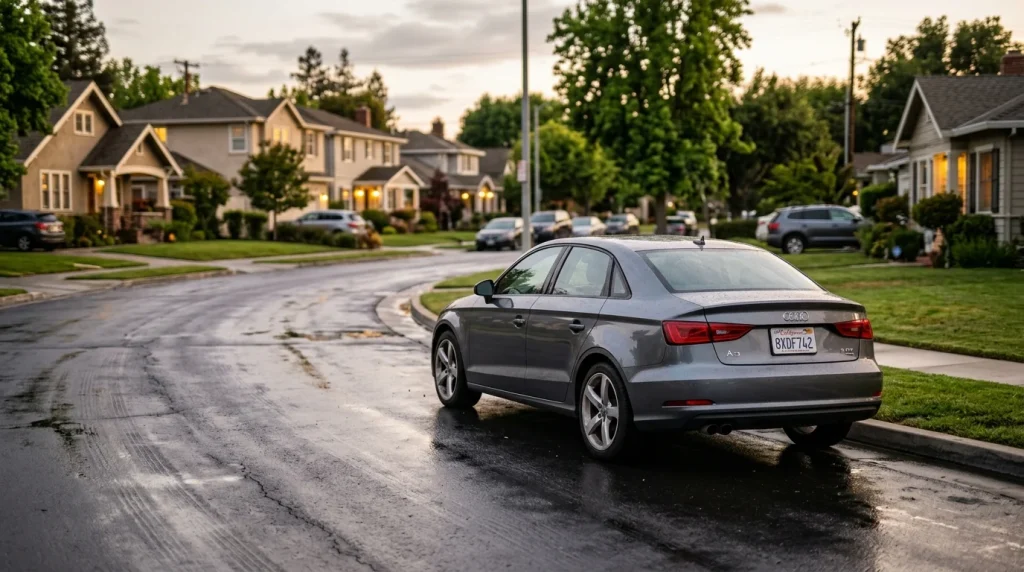
Quick answer: Used car buyers should avoid the 2015 Audi A3 due to excessive oil consumption, plastic water pump cracks, and a major fuel suction pump recall. It is also wise to avoid the 2006 through 2013 models (8P generation) because of premature mechatronic unit failures in the DSG transmission and timing chain tensioner failures. The most reliable used model years are from 2017 to 2020, which feature the refined EA888 Gen 3 engine and a reinforced transmission.
Key takeaways:
- The 2015 Audi A3 is the worst model year, prone to oil consumption and coolant leaks.
- Models from 2006 to 2013 suffer from severe DSG mechatronic unit failures costing up to $5,000.
- Direct-injection TFSI engines require walnut-blasting every 60,000 miles to clear carbon deposits.
- Facelifted models (2017-2020) offer the best balance of safety, technology, and drivetrain reliability.
The Worst Audi A3 Years to Avoid: A Generation Breakdown
When shopping for a used Audi A3, reliability is heavily dependent on the generation and production year. Drivetrain issues are not spread evenly across its history; instead, they cluster around platform changes and early-adopter designs.
2015-2016 Audi A3: Teething Problems of the MQB Platform
The 2015 Audi A3 marked the debut of the third-generation (8V) redesign on the Volkswagen Group MQB platform in the United States. Early units of this generation suffer from significant oil consumption issues and plastic cooling component failures.
The EA888 2.0-liter turbocharged engine in 2015 models often burns engine oil rapidly, sometimes requiring owners to top up the oil every 1,000 miles due to defective piston rings. Additionally, the plastic housing on the water pump and thermostat assembly is prone to cracking and leaking coolant, which can lead to rapid engine overheating if left unaddressed.
This model year is also affected by a major safety recall. According to files in the NHTSA Recall 16V-647 Database, certain 2015-2016 Audi A3 vehicles contain a defective fuel tank suction jet pump. Damaged seals or pump components can allow fuel to leak into the evaporative emissions (EVAP) system, leading to fuel accumulation in the charcoal canister and exit filter.
Used buyers must inspect these vehicles for symptoms like early fuel pump nozzle shutoff, fuel spitback during fill-ups, or if you smell gasoline from the passenger cabin. In October 2022, Audi issued a warranty extension (code AWA-22-12) to replace the fuel tank assembly for affected vehicles up to 15 years or 150,000 miles.
Analysis: First-year models of a vehicle redesign often carry higher risk. For the 8V generation, the 2015 model year received the highest volume of consumer complaints regarding sudden powertrain failures and oil burning.
Caution: Always run the vehicle identification number (VIN) through the federal recall portal to verify that both the fuel suction jet pump and the separate Takata passenger airbag inflator recalls have been performed.
2006-2013 Audi A3: Early DSG and Timing Chain Risks
The second-generation (8P) Audi A3 introduced the Direct-Shift Gearbox (DSG) dual-clutch transmission to the compact luxury segment. While it provided rapid gear shifts, the early mechatronic control units proved highly unreliable.
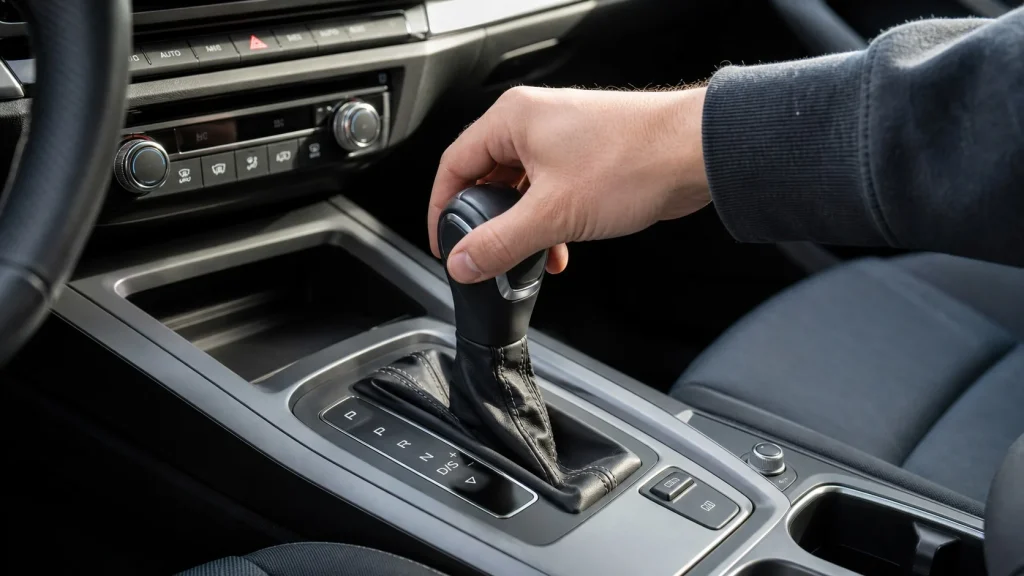
Mechatronic unit failure is the most common transmission issue on these models, with replacement and programming costs ranging from $2,000 to $5,000. When the mechatronic unit begins to fail, the vehicle exhibits harsh gear engagement, violent jerking when starting from a stop, and a flashing gear indicator on the instrument cluster, followed by a total loss of power.
| Transmission Type | Affected Years | Common Failure Modes | Estimated Repair Cost |
|---|---|---|---|
| 6-Speed Wet DSG (DQ250) | 2006-2009 | Mechatronic solenoid wear, rough shifting | $2,000 – $3,500 |
| 7-Speed Dry DSG (DQ200) | 2010-2013 | Clutch pack wear, fluid pressure loss | $2,500 – $5,000 |
Older 2.0-liter TFSI engines from 2008 to 2013 also suffer from a defective timing chain tensioner design. The tensioner teeth can slip, causing the timing chain to jump teeth on the camshaft sprockets. Because this is an interference engine, a timing slip leads to immediate piston-to-valve contact, requiring a complete engine rebuild or replacement that can exceed the market value of the car.
Common Drivetrain Issues Across Used Audi A3 Models
Direct-injection gasoline engines (TFSI) in used Audi A3 models present unique maintenance requirements that buyers must budget for.
Intake Valve Carbon Buildup
Because direct-injection systems spray fuel directly into the combustion chambers rather than over the intake valves, gasoline cannot wash away oil vapors recirculated by the positive crankcase ventilation (PCV) system. Over time, these vapors bake onto the dry intake valves, forming thick carbon deposits that restrict airflow.
Symptoms of severe carbon buildup include:
- Rough idling on cold starts.
- Random engine misfires under heavy load.
- Decreased throttle response and fuel economy.
Clearing these deposits requires a specialized walnut-blasting cleaning service every 60,000 to 80,000 miles, which typically costs between $500 and $800.
Air Conditioning Compressor Failure
Used Audi A3 models from the 2015-2018 model years frequently experience premature failures of the air conditioning compressor. The internally controlled variable-displacement compressor can fail silently, gradually blowing warm air and throwing climate control system codes. Replacing the compressor, receiver drier, and flushing the lines to clear metal debris generally results in significant AC compressor replacement costs of $1,000 to $1,500.
The Best Audi A3 Years to Buy Used
For the best combination of safety features, modern technology, and drivetrain durability, buyers should focus on the facelifted 8V generation and the fourth-generation models.
2017-2020 Audi A3 (Facelifted 8V Generation)
The 2017 to 2020 model years represent the reliability high point for the Audi A3. These models feature the Gen 3 EA888 2.0T engine, which utilizes redesigned piston rings that effectively resolved the oil consumption issues of earlier years.
Furthermore, the 6-speed and 7-speed S-tronic dual-clutch transmissions in these years benefit from revised hardware and software controls, resulting in far fewer hydraulic pressure faults. The average annual maintenance cost for a well-maintained 2017-2020 Audi A3 is approximately $900, covering standard fluid changes, brake pads, and routine inspections.
2021 and Newer Audi A3
The fourth-generation A3 features the latest EA888 Gen 4 engine, updated mild-hybrid options, and a completely digital cabin layout. While mechanically sound, these newer models experience higher rates of software glitches within the virtual cockpit and center infotainment screens, which can often be resolved with dealer software updates.
Used Audi A3 Pre-Purchase Inspection Checklist
Before purchasing any used Audi A3, hire an independent technician specializing in European vehicles to perform a thorough pre-purchase inspection (PPI). Ensure they check the following critical items:
- Transmission Service History: The DSG transmission requires fresh fluid and filters every 40,000 miles. If the seller cannot provide documented proof of this service, walk away.
- Timing Chain Tensioner Wear: Listen for a metallic rattling sound lasting 2 to 3 seconds during a cold engine start. Have the technician check the timing chain stretch reading using diagnostic software.
- Coolant System Seepage: Inspect the underside of the intake manifold for white, pink, or purple crusty deposits, which indicate a slow leak from the water pump housing.
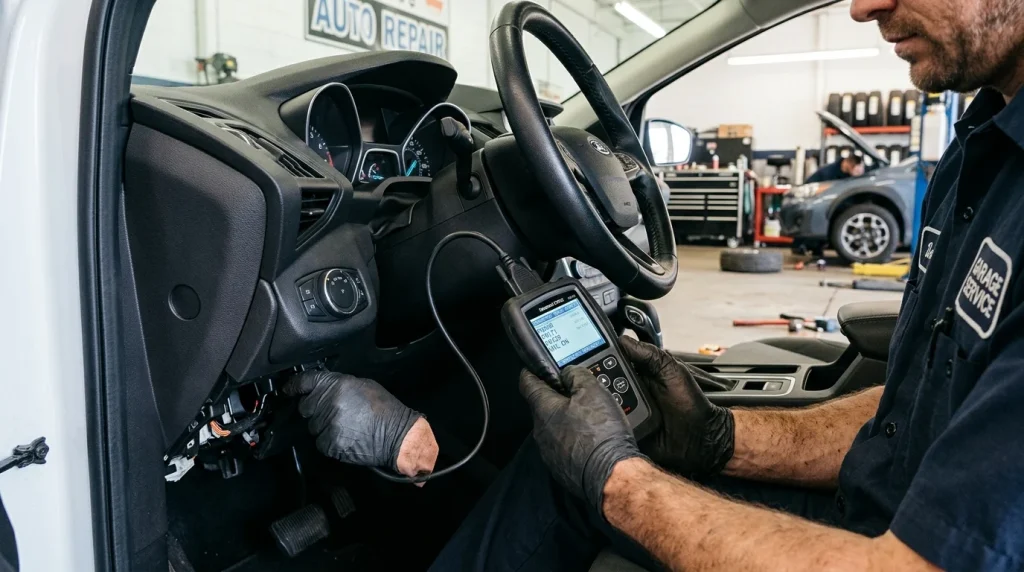
- Diagnostic Scan: Scan the onboard computer systems with an OBD2 scanner for hidden transmission codes or engine misfire histories that have not yet triggered a check engine light.
Frequently Asked Questions
What is the single worst year for the Audi A3?
The 2015 Audi A3 is the worst model year to buy due to a high volume of complaints regarding excessive engine oil consumption, cracked coolant water pumps, and safety recalls for the fuel tank suction jet pump and passenger airbags.
Do all Audi A3 models have transmission problems?
No. The severe mechatronic failures are concentrated in the 2006 to 2013 model years of the 8P generation. Facelifted 8V models (2017 and newer) feature refined dual-clutch transmissions with very low failure rates when serviced on schedule.
Is a used Audi A3 expensive to maintain?
A used Audi A3 is more expensive to maintain than a standard compact car, with an average annual maintenance budget of $900. Skipping routine services, particularly transmission fluid changes every 40,000 miles, can result in component failures costing over $4,000.
For more detailed guides on European car repairs and purchase advice, visit the Autvex News Hub.

