

Quick Answer:
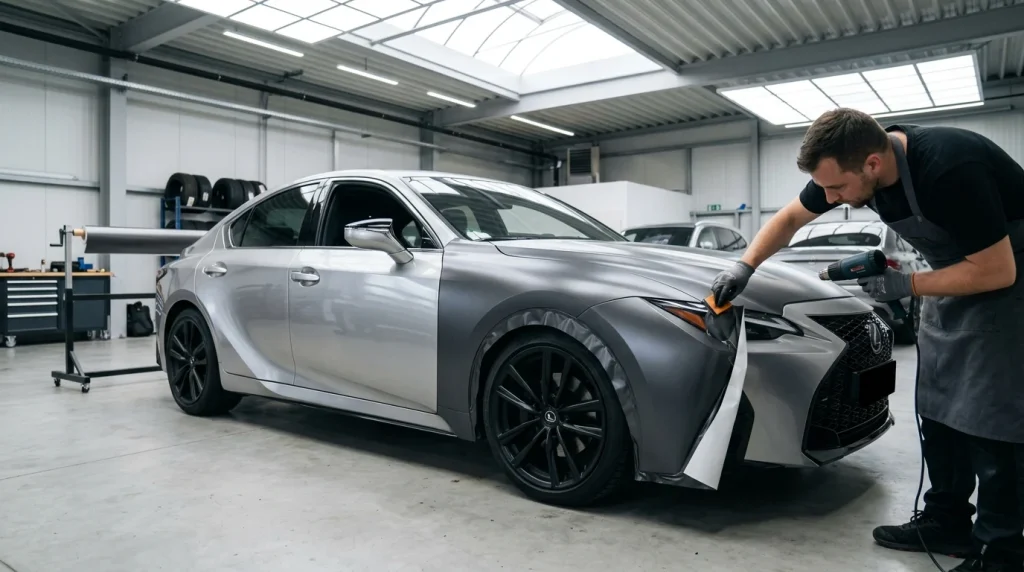
Wrapping a car is cheaper than painting in almost every case when comparing equal quality tiers. A professional full vinyl wrap typically costs $2,000 to $5,000, whereas a factory-quality professional paint job ranges from $3,000 to $10,000. While cheap paint jobs can be found for $1,000 to $1,500, they lack durability and often look amateurish. Wraps also protect the original factory paint and are completely reversible, making them the smarter financial choice for leased vehicles or cars you plan to sell within 5 to 7 years. Paint is only the cheaper long-term choice if you plan to keep the car for more than 10 years and do not want to change its color.
Key Takeaways:
- Upfront Costs: A high-quality professional wrap costs $2,000 to $5,000. A comparable professional paint job costs $3,000 to $10,000.
- Lifespan Differences: Premium vinyl wraps last 5 to 7 years, while professional paint jobs can last 10 to 15 years or more.
- Paint Protection: Wraps shield the vehicle’s factory paint from UV rays and road debris, helping preserve its resale value.
- 10-Year Cost Math: Over a decade, wraps and paint cost a similar amount because wraps must be replaced once, while paint requires regular polishing, waxing, and minor touch-ups.
- Body Damage Prep: Neither option hides body damage. Rust, deep scratches, and dents must be repaired before applying wrap or paint.
Upfront Cost Comparison at a Glance
When choosing between wrapping and painting, understanding the upfront costs across vehicle sizes is the first step. The table below outlines typical 2026 pricing for professional installations:
| Cost Factor | Professional Vinyl Wrap | Professional Paint Job |
|---|---|---|
| Compact / Sedan | $2,000 – $3,500 | $3,000 – $5,000 |
| SUV / Truck / Van | $3,500 – $6,000 | $5,000 – $8,000 |
| Luxury / Exotic | $5,000 – $12,000 | $8,000 – $20,000+ |
| Average Lifespan | 5 – 7 years | 10 – 15+ years |
| Annual Maintenance | ~$150 | $200 – $400 |
| Reversible | Yes | No |
| Protects Paint | Yes | N/A |
How Much Does a Car Wrap Cost?
A professional full vinyl wrap in 2026 typically costs between $2,000 and $7,000. For most standard daily drivers, the price sits in the $2,500 to $5,000 range. The total cost is determined by the vehicle’s size, the type of vinyl selected, and the complexity of the installation.
Wrap Pricing by Vehicle Type
Vehicle size is the primary driver of material volume and labor hours. The table below represents estimated 2026 market ranges for standard versus premium vinyl wraps:
| Vehicle Type | Standard Vinyl Wrap | Premium Vinyl Wrap |
|---|---|---|
| Compact / Sedan | $2,000 – $3,500 | $3,000 – $5,000 |
| Coupe / Sports Car | $3,000 – $4,500 | $4,500 – $7,000 |
| Full-Size SUV | $3,500 – $5,500 | $5,000 – $7,500 |
| Pickup Truck | $3,500 – $6,000 | $5,500 – $8,000 |
| Commercial Van | $4,000 – $7,000 | $6,000 – $9,000 |
For owners looking for a budget-friendly option, partial wraps are a viable alternative. According to Metro Restyling, partial wraps covering only the hood, roof, or trunk cost between $250 and $1,000, allowing for custom accents without the cost of a full vehicle wrap.
Key Factors That Influence Wrap Pricing
- Material Quality: Premium cast vinyl films from top brands like 3M (such as the 1080 or 2080 series) or Avery Dennison (SW900 series) cost more than generic polymeric films but offer superior durability. According to Phnx Services, standard wraps require about 50 to 60 feet of vinyl, and high-end materials can represent a large portion of the overall price.
- Body Complexity: Vehicles with sharp curves, deep recesses, spoilers, or intricate body kits require more labor. Installers must carefully stretch and squeegee the vinyl to prevent bubbling and peeling, which increases labor time.
- Wrap Removal: If the car has an existing wrap, it must be removed. Professional removal costs $500 to $1,000 depending on the age of the vinyl. Old vinyl that has baked in the sun can become brittle and leave adhesive residue, which takes hours to clean.
- Specialty Finishes: Standard gloss finishes are the most affordable. Matte, satin, brushed metal, chrome, and color-shifting films add significant material cost. High-end chrome wraps can push exotic car projects past $12,000.
How Much Does a Professional Paint Job Cost?
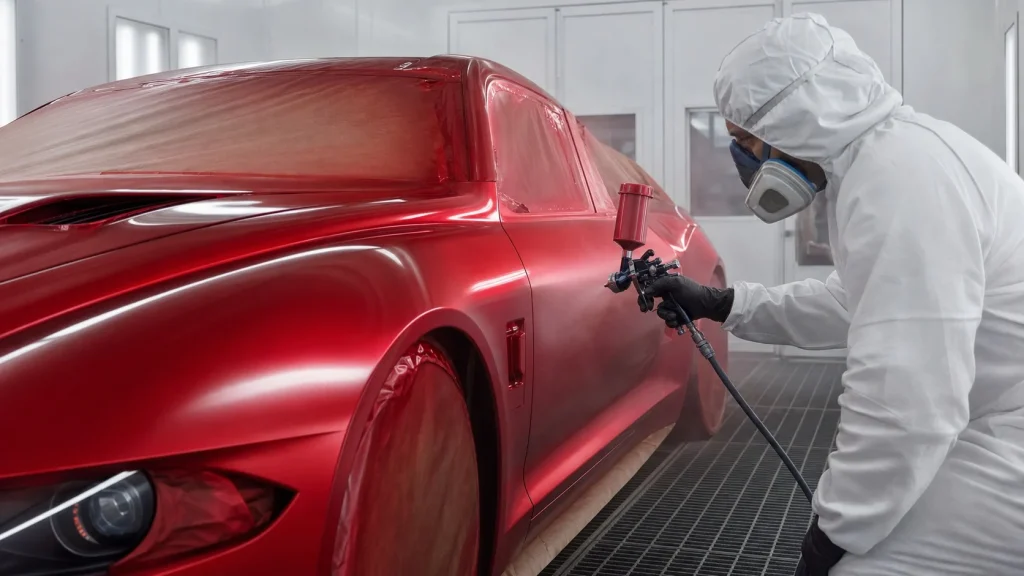
A professional paint job in 2026 costs between $1,000 and $20,000+ depending on the quality tier. For a factory-quality respray on a typical sedan, expect to pay between $3,000 and $10,000. According to Kelley Blue Book, the average price for a mid-tier repaint on a standard vehicle is approximately $4,000.
Paint Pricing by Quality Level
Professional painting is divided into clear tiers based on preparation detail, paint type, and warranty protection:
| Paint Quality Level | Cost Range | Key Characteristics |
|---|---|---|
| Basic Paint Job | $1,000 – $1,500 | Single-stage synthetic enamel, minimal prep, limited warranty, potential overspray |
| Mid-Tier Paint Job | $2,000 – $5,000 | Dual-stage (base and clearcoat), thorough prep, better gloss and durability |
| Premium Paint Job | $5,000 – $10,000 | Extensive prep, multi-stage urethane paint, factory-equivalent finish, lifetime warranty |
| Custom / Luxury Paint | $10,000 – $20,000+ | Show-quality finish, custom pearl or metallic colors, multi-tone designs, disassembled panels |
Key Factors That Influence Paint Pricing
- Prep Work and Repair: The paint itself is a minor part of the cost; preparation is the main expense. Repairing rust, dents, scratches, and peeling clearcoat adds significant labor. The Auto Clinique notes that standard paint repair costs depend heavily on the severity of surface damage.
- Color Changes: Keeping the vehicle’s original color is much cheaper. Changing the color requires painting the door jambs, engine bay, and trunk interior, which requires disassembling doors, panels, and trim.
- Inflation and Materials: The price of paint and shop materials rose by approximately 7.4 percent in 2025, driven by supply chain costs and tariffs on chemical compounds. This trend has pushed average shop rates higher in 2026.
- Installation Time: A basic paint job might take 2 to 3 days, but a high-quality respray keeps your vehicle in the shop for 1 to 2 weeks. A car wrap is typically completed in 2 to 5 days, minimizing vehicle downtime.
The 10-Year Cost of Ownership
To find the true financial difference, you must calculate the costs over a decade of ownership. While wrapping is cheaper upfront, it has a shorter lifespan than paint, meaning it must be replaced.
The table below calculates the 10-year total cost for a sedan, assuming the wrap is replaced once at the 5-year mark:
| Cost Parameter | Professional Vinyl Wrap (10 Years) | Professional Paint Job (10 Years) |
|---|---|---|
| Upfront / Initial Cost | $2,500 – $5,000 | $5,000 – $10,000 |
| Mid-Term Refresh (Rewrap) | $2,500 – $5,000 | $0 |
| Annual Maintenance (10 Years) | $1,500 – $3,000 | $2,000 – $4,000 |
| Total 10-Year Cost | $6,500 – $13,000 | $7,000 – $14,000 |
Although the long-term costs are similar, wrapping offers better flexibility. With a wrap, you pay smaller amounts over time, whereas a premium paint job requires a large upfront investment.
Furthermore, annual maintenance costs vary. Maintaining a vinyl wrap costs about $150 per year, primarily for specialty hand-wash soap and vinyl sealants. Paint maintenance ranges from $200 to $400 annually for regular washing, clay bar treatments, waxing, and periodic paint correction.
Wrap vs Paint: Key Differences Beyond Price
Paint Protection and Reversibility
Vinyl wraps act as a physical shield over your vehicle’s factory paint. They protect the surface from light rock chips, bird droppings, road salt, and UV fading. Because wraps are fully reversible, you can peel them off to reveal the original paint underneath. This is ideal for leased vehicles or high-end models where paint preservation is critical.
A new paint job, on the other hand, is permanent. It replaces the original finish entirely and cannot be reversed.
Visual Options and Customization
Vinyl wraps win on design variety. Digital printing allows for graphics, complex patterns, carbon fiber textures, and unique finishes like chrome or color-shifting vinyl. These options are difficult or impossible to replicate with paint.
Paint offers superior depth, gloss, and a classic reflections profile that vinyl cannot match. The deep shine of a metallic or pearlescent clearcoat is a major differentiator for luxury vehicles and classic restorations.
Resale Value Impact
An aftermarket paint job often lowers a car’s resale value because buyers worry it was applied to hide collision damage or rust. While custom paint colors might hurt resale value because they narrow the buyer pool, wrapping allows you to protect the factory finish, helping you maintain a resale value closer to the car’s original Manufacturer’s Suggested Retail Price, or MSRP. When you sell the vehicle, the wrap can be removed to showcase pristine factory paint.
Durability and Repair Costs
A quality professional paint job can last 10 to 15 years or more if the car is garaged and washed regularly. Vinyl wraps are rated for 5 to 7 years.
However, repair costs differ. If a wrapped panel is scratched, the vinyl on that single panel can be replaced for $200 to $500. A scratched paint panel requires sanding, priming, painting, and blending with adjacent panels, which costs $500 to $1,500+ depending on the complexity of the paint.
When Wrapping a Car Makes More Sense
Wrapping is the better option if you:
- Want a temporary color change or custom design.
- Lease your vehicle and must return it in factory condition.
- Plan to sell the car within 3 to 5 years.
- Want to protect the original paint of a new vehicle.
- Need commercial advertising graphics for a business fleet.
- Want specialty finishes like matte, satin, or chrome.
When Painting a Car Makes More Sense
Painting is the better option if you:
- Want a permanent color change and plan to keep the vehicle for 10+ years.
- Need to restore a classic car to its original factory specifications.
- Have severe paint damage, rust, or dents that require complete body repairs.
- Prefer the deep, wet-look shine of clear-coated automotive paint.
- Dislike the texture and seam lines of vinyl wrap.
Frequently Asked Questions
Is wrapping a car cheaper than painting?
Yes, in most cases, a professional full vinyl wrap is cheaper than a professional paint job of comparable quality. A quality wrap costs $2,000 to $5,000, while a comparable factory-grade respray costs $3,000 to $10,000. Cheap paint jobs exist but have poor durability and preparation.
How long does a car wrap last compared to paint?
A professional vinyl wrap lasts 5 to 7 years with hand-washing and garage parking. A professional paint job can last 10 to 15 years or more. Wrap longevity depends on climate, sun exposure, and material quality.
Can you wrap a car with damaged paint?
Wrapping over peeling clearcoat, rust, or deep scratches is not recommended. Vinyl does not hide surface flaws; it highlights them. Any peeling or textured spots will telegraph through the wrap, and the vinyl adhesive may fail to bond properly, causing premature lifting.
Does wrapping a car affect its resale value?
Yes, wrapping helps maintain resale value. It preserves the factory paint from environmental wear. When it is time to sell, removing the wrap reveals the original paint in the same condition as when the wrap was installed.
Can I DIY wrap or paint my car to save money?
DIY wrap materials cost $500 to $1,500, but professional wrapping requires significant skill to avoid wrinkles, bubbles, and visible seams. DIY painting is even more challenging, requiring a dust-free paint booth, spray guns, compressors, and extensive safety equipment. Most owners find professional installation worth the price.

