

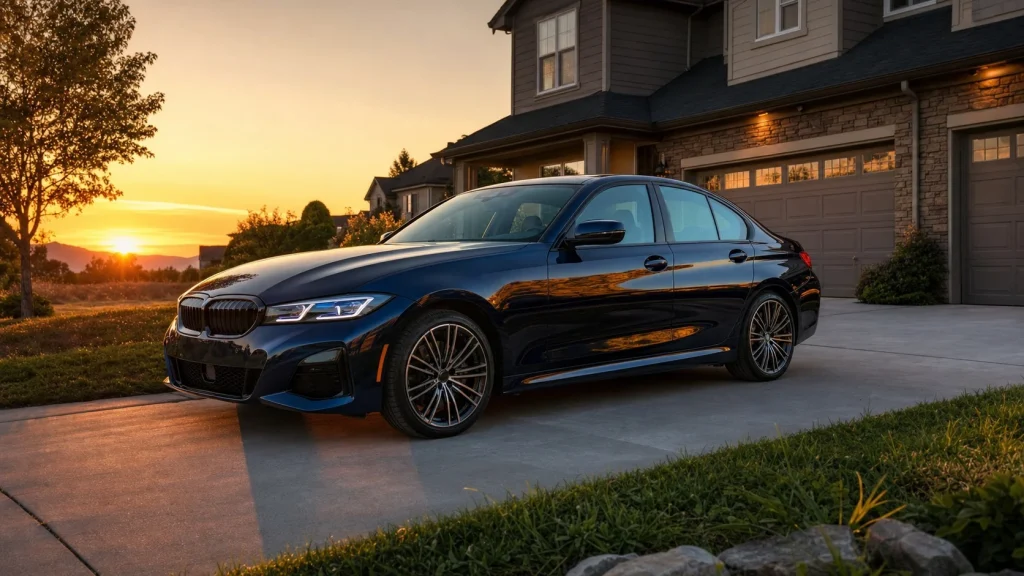
Quick answer: Most BMWs start to experience significant and expensive breakdowns between the 80,000 and 120,000-mile mark. While the core engine block itself is incredibly durable, the surrounding plastic cooling components, electronic sensors, and rubber oil gaskets degrade from intense heat cycling under the hood and fail rapidly during this critical mileage window.
Key takeaways:
- Most BMWs face major failures between 80,000 and 120,000 miles due to degraded plastic and rubber cooling parts.
- Changing engine oil every 5,000 miles instead of the factory 10,000-mile interval significantly extends BMW engine longevity.
- Naturally aspirated inline-six engines and modern modular engines (B48, B58) are vastly more reliable than turbocharged V8 engines at high mileage.
- Avoid buying a used BMW with over 100,000 miles unless the owner provides complete proof of cooling system and gasket replacements.
The Real Culprit: Plastic and Rubber
When a BMW reaches 80,000 miles, the internal engine block does not suddenly fail. Instead, it is the intricate plastic and rubber auxiliary systems that surrender to years of extreme heat cycling under the hood. The German automaker relies heavily on high-performance, lightweight plastics in high-heat environments to reduce the vehicle’s overall weight and improve fuel efficiency.
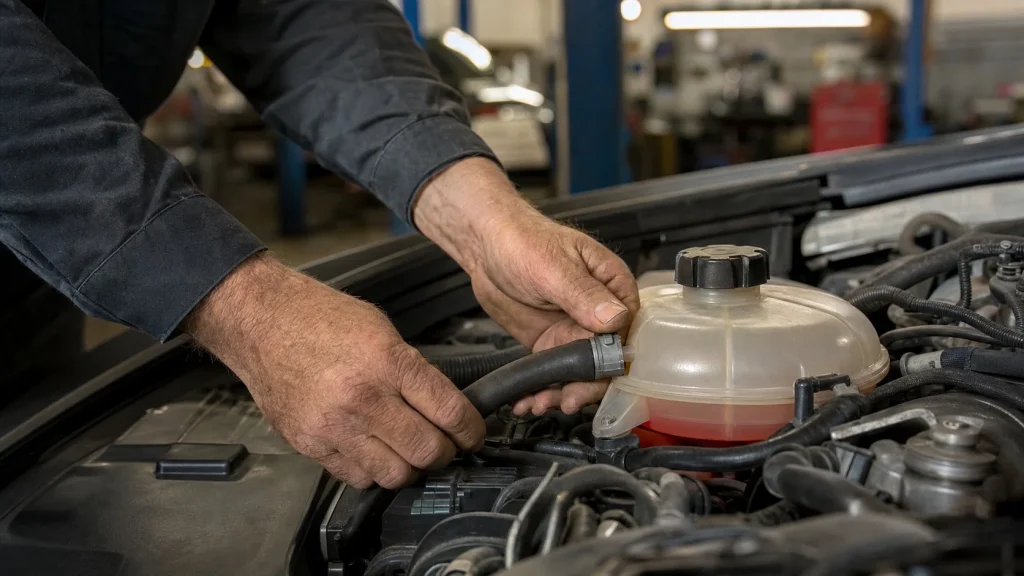
The most prominent failure point is the cooling system. Electric water pumps and plastic coolant expansion tanks are prone to cracking or failing completely without warning right around the 80,000-mile mark. If you do not pull over immediately when the warning light appears, the engine will overheat and warp the cylinder head, leading to catastrophic engine damage.
Simultaneously, the rubber seals used throughout the engine bay begin to harden and shrink. By 90,000 miles, you will almost certainly experience oil leaks from the valve cover gasket and the oil filter housing gasket. If left untreated, leaking oil can drip onto the hot exhaust manifold or degrade the serpentine belt, causing it to snap and get sucked into the engine.
Which BMW Engines Last the Longest?
Not all BMW engines degrade at the same rate. The lifespan of your vehicle depends heavily on whether it has a simple, naturally aspirated motor, a modern robust modular engine, or a complex, heat-generating turbocharged V8 setup. If you want maximum longevity, engine selection matters immensely.
Naturally Aspirated Inline-Six (N52)
Naturally aspirated inline-six engines, such as the famous N52, are legendary for their reliability. These motors operate at lower under-hood temperatures, meaning their plastic and rubber components do not bake as quickly. With basic preventative maintenance, these engines regularly see 200,000 miles or more without catastrophic issues.
Modern Turbocharged Four and Six-Cylinders (B48 & B58)
BMW’s modern modular engine families, specifically the B48 four-cylinder and the B58 inline-six, represent a massive reliability upgrade over their predecessors (the N20 and N55). Introduced around 2015, these engines feature a closed-deck design, a more robust cooling system, and heat-management systems that prevent premature failure. The B58 in particular has earned a reputation as one of the most reliable engines on the market, frequently exceeding 150,000 miles with only standard maintenance.
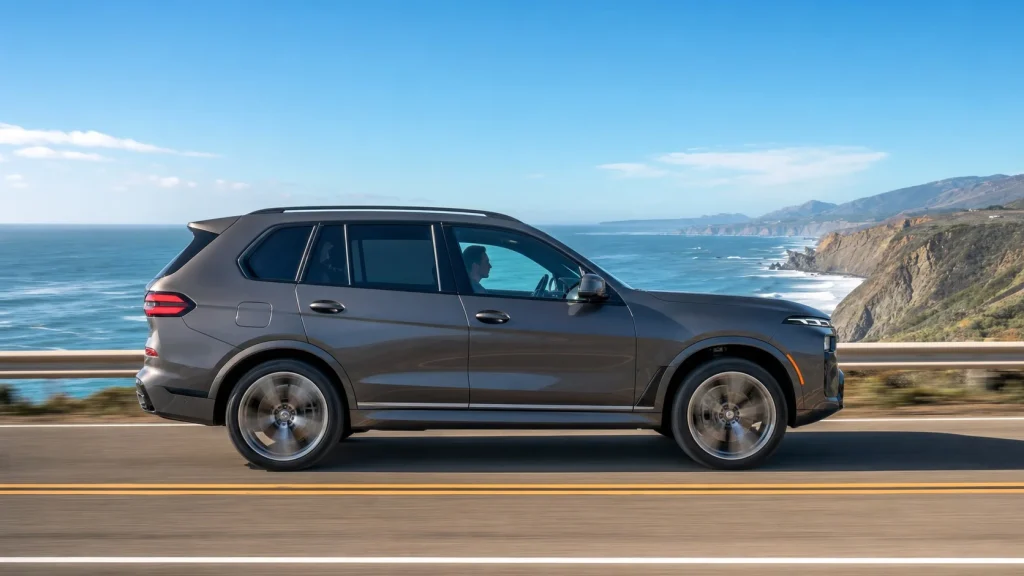
Turbocharged V8 Engines (N63 & S63)
Conversely, turbocharged V8 engines (such as the N63 and S63) generate immense heat inside the engine valley due to their “hot-V” design. This intense heat prematurely destroys valve stem seals, plastic coolant lines, and vacuum hoses. Generally, fewer turbochargers mean lower under-hood temperatures, which directly translates to a longer lifespan for the engine’s supporting components.
When compared to its German rivals, many buyers wonder whether BMW or Mercedes is more reliable at high mileage. Both brands face similar plastic component degradation, but their engine designs differ.
Buying a Used BMW: The Danger Zone
The absolute danger zone for buying a used BMW falls precisely in that 80,000 to 120,000-mile window. This is the exact point where resale values plummet on the used market because the original owner traded the car in to avoid paying for major upcoming repairs.
Vehicles in this mileage range often look like an incredible bargain, offering luxury and performance for the price of a used economy car. However, that low purchase price often hides thousands of dollars in deferred maintenance. If you buy an 85,000-mile BMW with no service history, you are highly likely to face paying to replace the water pump, gaskets, and suspension bushings within your first year of ownership. A well-maintained 140,000-mile model from an enthusiast who already paid for these repairs is almost always a safer purchase than a neglected 85,000-mile vehicle.
Frequently Asked Questions
How many miles will a BMW last you?
With rigorous and proactive maintenance, a modern BMW can easily last between 150,000 and 200,000 miles. Some specific models, especially those equipped with naturally aspirated inline-six engines like the older BMW 3 Series, regularly exceed 250,000 miles. However, reaching these high numbers requires owners to budget for and replace expensive failing components, like timing chain tensioners and cooling system parts, before they completely break and strand the vehicle.
Why do BMWs have a reputation for being unreliable?
BMW prioritizes driving dynamics, cutting-edge technology, and performance over simple, long-term durability. Their engines run at high temperatures and use sophisticated, tightly packaged systems. When these complex parts age, they require specialized, expensive labor to repair. The cars are not necessarily unreliable, but they are utterly unforgiving of neglected maintenance compared to simpler economy brands like Toyota or Honda.
Is BMW worse than Mercedes for reliability?
Generally, BMW and Mercedes-Benz experience similar rates of high-mileage issues because they both utilize complex technologies and plastic engine components. In fact, the J.D. Power Initial Quality Study has sometimes ranked BMW slightly ahead of Mercedes in terms of fewer reported problems per 100 vehicles.

