

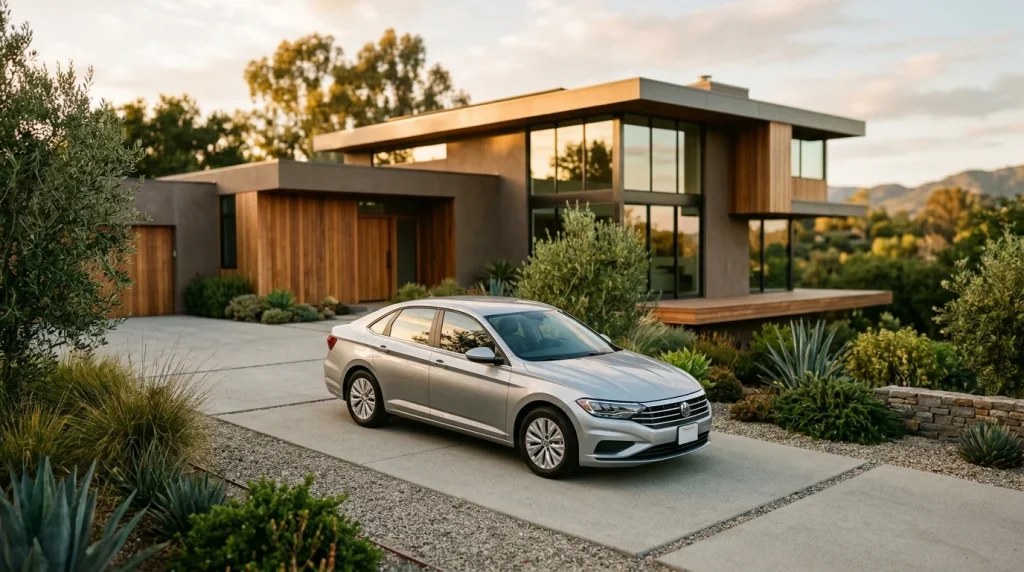
Quick answer: Audi cars are manufactured by Audi AG, a German luxury automotive brand. However, Audi AG is not an independent company; it is a wholly owned subsidiary of the Volkswagen Group (Volkswagen AG). The Volkswagen Group finalized its 100% ownership of Audi in late 2020 through a complete buyout of minority shares. While Audi shares engineering resources and production facilities with its parent company, it operates as a distinct premium brand headquartered in Ingolstadt, Germany.
Key takeaways:
- Volkswagen Group owns 100 percent of Audi AG, following a legal squeeze-out of minority public shareholders in late 2020.
- Audi operates with its own design and engineering divisions but shares modular platforms (like MLB, MEB, and PPE) with sister brands Porsche and Bentley.
- Audi vehicles are produced globally, with major factories located in Germany, Hungary, Slovakia, Mexico, and China.
- Automobili Lamborghini S.p.A. is structured directly under the control of Audi AG within the larger Volkswagen Group hierarchy.
Who Owns and Makes Audi Cars Today?
Audi vehicles are designed and produced by Audi AG, which has its corporate headquarters in Ingolstadt, Germany. While the brand enjoys operational autonomy, it is fully controlled by its parent company, the Volkswagen Group (Volkswagen AG), one of the largest automotive conglomerates in the world.
For decades, Volkswagen owned a 99.64% stake in Audi, leaving a tiny fraction of shares publicly traded on German stock exchanges. This corporate structure changed in 2020. During the AUDI AG Annual General Meeting on July 31, 2020, Volkswagen initiated a squeeze-out process under German stock corporation law. This transaction legally transferred all remaining minority shares to Volkswagen AG in exchange for cash compensation, finalizing 100% ownership in November 2020.
As Herbert Diess, then-CEO of Volkswagen AG, stated in the group’s official press release in February 2020: “We are pooling strengths for Audi’s competitiveness.” The squeeze-out was positioned as a strategic move to optimize technical cooperation, coordinate software development, and accelerate the transition toward electric vehicles across all group brands.
The History of Volkswagen’s Acquisition of Audi
The connection between Audi and Volkswagen dates back to the mid-1960s. Audi’s predecessor, Auto Union GmbH, was owned by Daimler-Benz in the post-WWII era. Between 1964 and 1966, Volkswagenwerk AG acquired Auto Union in stages.
Interestingly, Volkswagen did not purchase Auto Union to create a luxury brand. During the 1960s, demand for the Volkswagen Beetle was so high that VW’s factories were overwhelmed. Volkswagen acquired Auto Union primarily to utilize the manufacturing capacity of the Ingolstadt factory to build Beetles. For a brief period, the Auto Union brand was almost phased out. However, engineer Ludwig Kraus secretly developed the first Audi 100, which became a commercial success. This prompted Volkswagen to revive the Audi brand in 1969, merging Auto Union with NSU Motorenwerke to form the foundation of the modern Audi AG.
Platform Sharing: How Much Volkswagen Is in an Audi?
Because Volkswagen Group is the parent company of Audi, the two brands share a vast amount of engineering resources, assembly lines, and technology. This sharing sometimes leads buyers to wonder if buying an Audi is simply paying a premium for a rebadged Volkswagen.
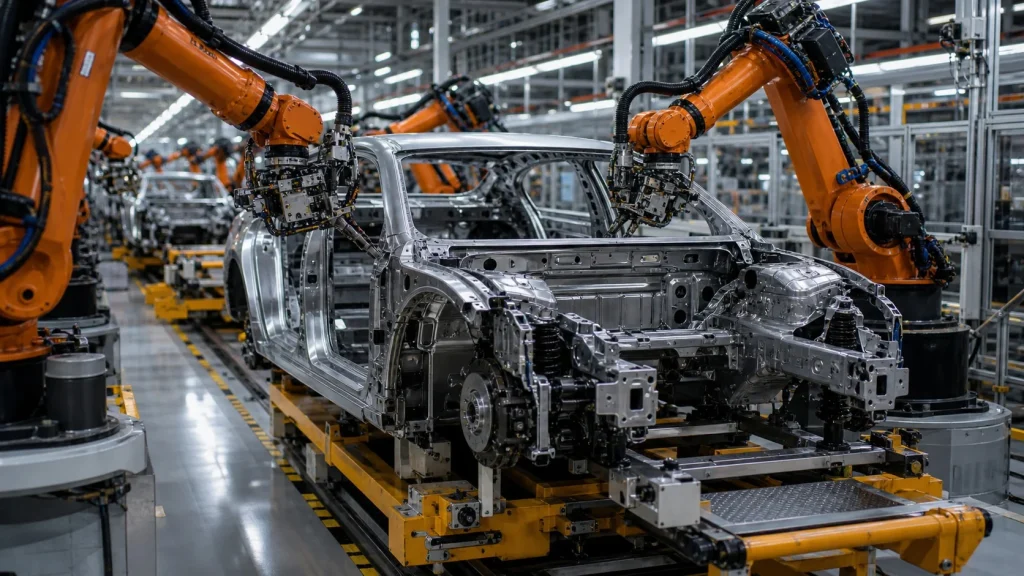
To optimize production costs, Volkswagen Group utilizes modular platform sharing. Under this system, vehicles from different brands share the same underlying architecture, engine blocks, and electrical structures:
- MLB / MLB Evo (Modular Longitudinal Matrix): This platform is designed for vehicles with longitudinal engines (front-to-back layout). It underpins premium models such as the Audi A4, Audi Q5, Porsche Macan, Bentley Bentayga, and Lamborghini Urus.
- MEB (Modular Electric Drive matrix): Created specifically for mainstream electric vehicles, this platform is shared by the Audi Q4 e-tron and the Volkswagen ID.4.
- PPE (Premium Platform Electric): Co-developed by Audi and Porsche, this high-performance electric architecture serves luxury electric cars like the Audi Q6 e-tron and the Porsche Macan EV.
While the foundation is shared, Audi vehicles are engineered differently than mainstream Volkswagens. Audi models utilize premium materials, advanced sound insulation, and distinct suspension tuning. Furthermore, Audi’s proprietary Quattro all-wheel-drive system (especially the mechanical Torsen differential versions used on MLB platforms) is distinct from the Haldex-based all-wheel-drive systems found in standard Volkswagens. Even when sharing parts, a vehicle like the Audi A4 is engineered to meet luxury performance standards, though owners must still ensure they use specific consumables like the best engine oil for Audi A4 diesel to maintain these specialized powertrains.
Where Are Audi Vehicles Manufactured?
While Audi AG is a German brand, it operates production facilities on four continents to serve different global markets efficiently.
| Factory Location | Main Models Produced | Target Market |
|---|---|---|
| Ingolstadt, Germany | Audi A3, A4, A5, Q2 | Europe, North America, Global |
| Neckarsulm, Germany | Audi A6, A7, A8, e-tron GT | Europe, North America, Global |
| Győr, Hungary | Audi Q3, Q3 Sportback, TT | Global |
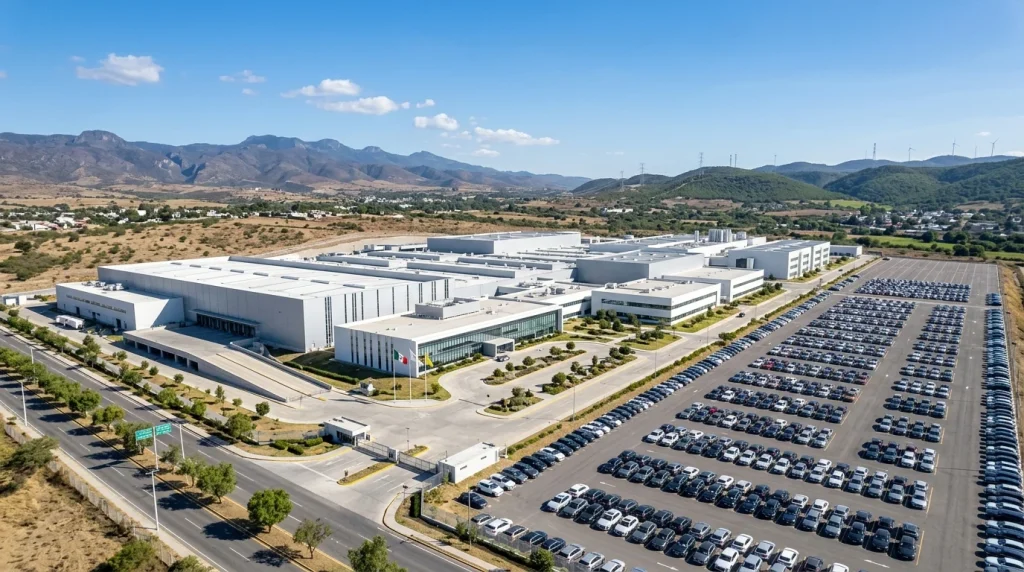
| San José Chiapa, Mexico | Audi Q5 | North America, U.S. Market |
| Bratislava, Slovakia | Audi Q7, Audi Q8 | Global |
| Brussels, Belgium | Audi Q8 e-tron | Global |
| Changchun, China | Audi A4L, A6L, Q5L, e-tron | Chinese Domestic Market |
Analysis: Splitting production across global plants helps Audi avoid heavy import tariffs and lowers shipping overheads. For instance, the assembly of the popular Audi Q5 at the San José Chiapa facility in Mexico allows Audi to supply North American dealerships quickly without paying the high import taxes that would apply to vehicles shipped directly from Germany.
Note: Despite global assembly locations, Audi maintains standardized production guidelines. The engines and core transmission components for many global models, including those assembled in Mexico and Slovakia, are manufactured at the Győr plant in Hungary, which is one of the largest engine factories in the world.
FAQ About Audi Ownership and Production
Is Audi a German company?
Yes, Audi AG is a German company. It was originally founded in Zwickau, Germany, in 1909 by August Horch. Today, its headquarters and main engineering departments are located in Ingolstadt, Bavaria, Germany. The brand’s slogan, “Vorsprung durch Technik” (Progress through Technology), continues to guide its design philosophy.
Does Audi own Lamborghini?
Yes, from a corporate structure standpoint. Within the Volkswagen Group hierarchy, Automobili Lamborghini S.p.A. is structured as a direct, wholly owned subsidiary of Audi AG. This close corporate relationship is why Lamborghini models like the Huracán and the Urus share infotainment electronics, switchgear, and V10 engine architectures with Audi performance models like the Audi R8.
Why did Volkswagen buy Audi originally?
Volkswagen purchased Auto Union (Audi’s predecessor) in the mid-1960s to acquire additional factory space in Ingolstadt. At the time, Volkswagen was struggling to manufacture enough Beetle models to meet global demand, and Auto Union’s assembly lines provided the necessary capacity.
For more insights into automotive technology, repair guides, and industry updates, visit our automotive news section.

