

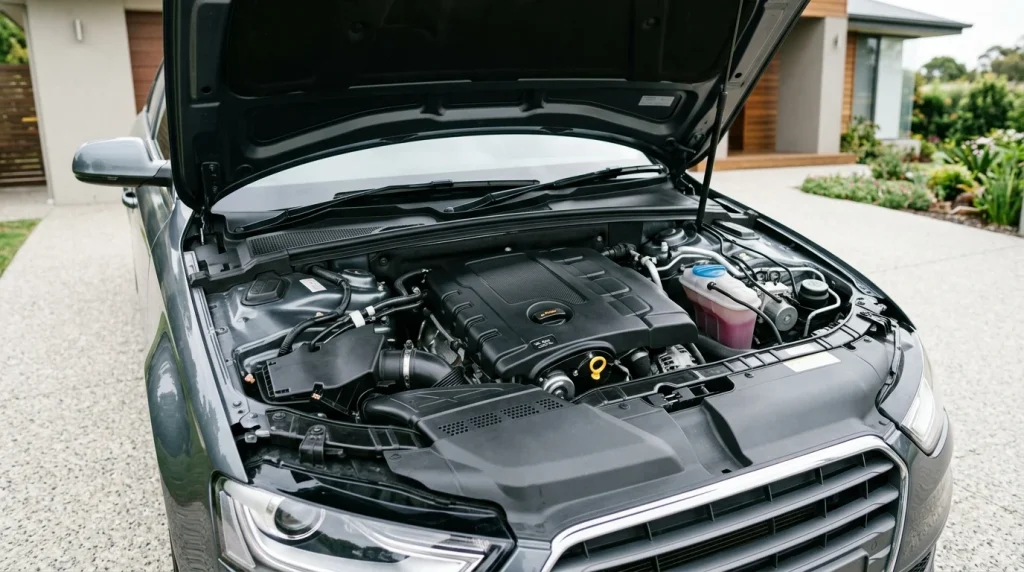
Quick answer: The best engine oil for Audi A4 diesel (TDI) engines is a fully synthetic 5W-30 or 0W-30 oil that carries explicit VW 507.00 approval. Mobil 1 ESP 5W-30 is the top overall choice due to its official Volkswagen Group approval, low-SAPS formulation, and widespread availability at auto parts stores. Always verify that the exact designation “VW 507.00” is printed on the oil bottle before purchasing.
Key takeaways:
- VW 507.00 is the mandatory oil specification for all Audi A4 TDI engines equipped with a Diesel Particulate Filter (DPF).
- Using non-approved oils causes permanent metallic ash buildup that blocks the DPF, risking expensive replacement costs.
- The standard viscosity grade is 5W-30, while 0W-30 is approved for winter operation in cold climates.
- Engine oil capacity is 4.7 liters for the 2.0 TDI (service fill) and 6.1 liters for the 3.0 TDI.
- A complete DIY oil change using approved oil and an OEM filter ranges from $60 to $90.
Why the VW 507.00 Specification is Mandatory for Audi TDI Engines
Audi diesel engines equipped with a Diesel Particulate Filter (DPF) require specialized low-SAPS (Sulfated Ash, Phosphorus, and Sulfur) motor oils. Standard engine oils contain high levels of metallic additives designed for wear protection. However, when these additives burn during combustion, they produce non-combustible metallic ash. Unlike carbon soot, which is burned off during active or passive DPF regeneration cycles, metallic ash remains trapped in the filter forever.
According to the official technical documentation from Skoda Auto (a Volkswagen Group brand sharing identical engine technology), VW 507.00 oils are engineered with a reduced ash content to safeguard the service life of exhaust gas aftertreatment systems. Using a non-compliant oil leads to premature filter restriction, increased exhaust backpressure, and eventual system failure. Replacing a clogged DPF on an Audi A4 can cost between $2,000 and $4,000 in parts and labor, making proper oil selection a financial necessity.
Analysis: The Volkswagen Group developed the VW 507.00 specification specifically to prevent chemical poisoning of catalytic converters and physical blockage of particulate filters. Oils carrying this approval must pass rigorous engine tests for soot-handling capacity, viscosity stability, and wear prevention under extended service intervals.
Note: The VW 507.00 specification is backward compatible with older Volkswagen and Audi diesel engines, but it excludes older R5 and V10 TDI engines that do not feature a DPF.
The Threat of Metallic Ash to Your Diesel Particulate Filter (DPF)
The DPF works by trapping particulate matter from the diesel exhaust stream. During highway driving, the exhaust temperature rises sufficiently to initiate regeneration, converting the trapped soot into harmless carbon dioxide. However, oil ash consists of heavy metals that cannot be oxidized. As ash builds up, the effective volume of the filter shrinks, forcing the engine control module to initiate regeneration cycles more frequently. This increases fuel consumption and accelerates oil dilution.
According to a technical guide on IDParts, using an incorrect oil formulation will rapidly load the DPF with non-combustible ash, causing permanent blockage that cannot be cleared by automated cleaning cycles.
Best VW 507.00 Approved Engine Oils for Audi A4 Diesel
Choosing an oil with formal manufacturer approval is crucial for maintaining engine health and protecting emission systems. The following five oils are officially approved by Volkswagen Group and are widely available in the retail market.
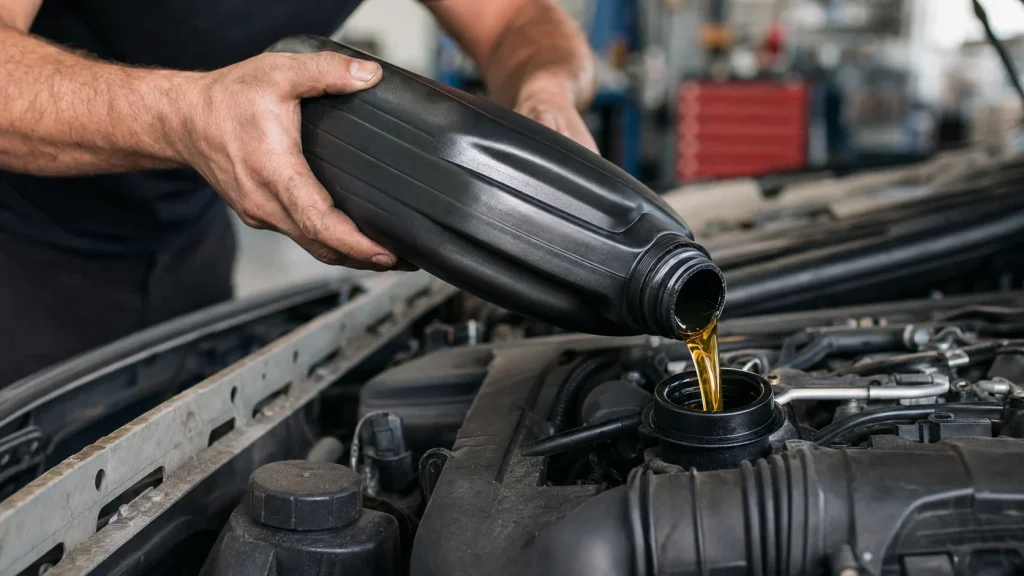
Mobil 1 ESP 5W-30 – Best Overall Choice
Mobil 1 ESP (Emission System Protection) 5W-30 is a fully synthetic oil specifically designed to prolong the life of diesel and gasoline emission systems. It holds formal VW 504.00 and VW 507.00 approvals from Volkswagen Group for extended drain intervals and DPF protection.
| Attribute | Detail |
|---|---|
| Viscosity | 5W-30 |
| Base Oil | Fully Synthetic |
| Low-SAPS | Yes |
| Average Price (5L) | $45 – $55 |
| Key Benefit | Outstanding wear protection and wide retail availability |
Mobil 1 ESP features a proprietary additive package that reduces ash buildup in the DPF while providing excellent low-temperature startup protection. It is widely stocked in major retail chains such as AutoZone, Walmart, and Amazon, making it the most convenient option for US owners.
Castrol EDGE Professional Longlife III 5W-30 – Factory OEM Fill
Castrol EDGE Professional Longlife III is developed in close partnership with Volkswagen Group and serves as the factory-fill oil for many Audi TDI engines. Its approval is documented on the Castrol EDGE product page.
| Attribute | Detail |
|---|---|
| Viscosity | 5W-30 |
| Base Oil | Fully Synthetic with Fluid Titanium |
| Low-SAPS | Yes |
| Average Price (5L) | $50 – $70 |
| Key Benefit | Identical formulation to the factory fill |
This product utilizes Castrol’s Fluid Titanium technology, which physically transforms its structure under extreme pressure to prevent metal-to-metal contact. It is mainly available through specialized online retailers like FCP Euro and ECS Tuning, or directly from Audi dealership service departments.
Liqui Moly Top Tec 4200 5W-30 – Best Value and German Quality
Liqui Moly Top Tec 4200 is a premium high-performance motor oil manufactured in Germany. It carries official manufacturer approval for VW 504.00 and 507.00 specifications, ensuring low-ash combustion for DPF longevity.
| Attribute | Detail |
|---|---|
| Viscosity | 5W-30 |
| Base Oil | HC-Synthetic (Hydrocracked) |
| Low-SAPS | Yes |
| Average Price (5L) | $48 – $65 |
| Key Benefit | Superior thermal stability and low oil consumption |
Many Audi owners report lower oil consumption when using Liqui Moly Top Tec 4200 compared to other synthetic brands. It offers excellent resistance to oil shear and deposit formation, making it a favorite among DIY enthusiasts.
Motul Specific 504.00/507.00 5W-30 – Premium Performance
Motul Specific 504.00/507.00 is a 100% synthetic lubricant engineered specifically for VAG vehicles requiring low-ash oil. The specifications are listed on the Motul Specific product page.
| Attribute | Detail |
|---|---|
| Viscosity | 5W-30 |
| Base Oil | 100% Synthetic (Ester-infused) |
| Low-SAPS | Yes |
| Average Price (5L) | $55 – $75 |
| Key Benefit | Excellent film strength at high operating temperatures |
Motul is renowned for its high-performance lubricants. The Specific formula provides high oil film strength under high-temperature, high-shear conditions, protecting the valvetrain and turbocharger bearings in demanding driving conditions.
Genuine VW/Audi Longlife III 0W-30 – Best for Cold Climates
This is the official OEM fluid distributed through the Volkswagen and Audi dealer network. Previously sold as a 5W-30, VAG transitioned its official factory service fill to a 0W-30 viscosity grade to improve fuel efficiency and cold-start characteristics.
| Attribute | Detail |
|---|---|
| Viscosity | 0W-30 |
| Base Oil | Fully Synthetic |
| Low-SAPS | Yes |
| Average Price (5L) | $60 – $80 |
| Key Benefit | Quicker oil flow in sub-zero weather |
The 0W-30 viscosity flows faster than a 5W-30 at startup in freezing temperatures, minimizing wear on critical internal components before the engine reaches operating temperature. It is the ideal choice for northern states and Canada.
Audi A4 Diesel Engine Oil Capacity and Viscosity Guide
Engine oil capacity varies by engine size and chassis generation. Draining the oil completely and replacing the filter is necessary for a correct service fill. The table below lists the capacities and approved oil specifications for the diesel engines installed in the Audi A4 (covering the B8 and B9 generations).
| Engine Model | Viscosity Grade | Service Refill Capacity | Dry Fill Capacity |
|---|---|---|---|
| 2.0 TDI (B8 Generation, EA189) | 5W-30 / 0W-30 | 4.3 Liters | 5.0 Liters |
| 2.0 TDI (B9 Generation, EA288) | 5W-30 / 0W-30 | 4.7 Liters | 5.0 Liters |
| 3.0 TDI V6 (B8 / B9 Generations) | 5W-30 / 0W-30 | 6.1 Liters | 6.7 Liters |
Always check the oil level using the Multi Media Interface (MMI) system or the physical dipstick (if equipped) after refilling. To avoid overfilling, add about 0.5 liters less than the specified capacity, let the oil drain into the oil pan, and then top up gradually until the level reaches the upper limit of the gauge. If you also maintain a smaller TDI model, check our dedicated Audi A3 diesel engine oil guide for compact engine fill capacities and product selections.
For those planning to purchase other models from the German manufacturer, we invite you to review our comprehensive buying guides for the Best Audi Sports Cars or the Best Audi SUVs. You can also visit our News Category for the latest updates on automotive maintenance and reviews.
How to Verify VW 507.00 Approval on the Bottle
To protect your engine, you must know how to distinguish officially certified oils from products that merely claim compatibility. Lubricant manufacturers often use clever wording to make their products look approved when they have not undergone VAG’s official certification process.
Follow these verification steps before purchasing:
- Check the rear label of the bottle for the exact phrasing “VW 507 00” or “VW 507.00”.
- Look under the “Approvals” or “Approved Under” section, rather than the “Recommended For” section.
- Avoid products that use phrases like “suitable for use in applications requiring” or “meets the performance requirements of” without listing the official approval.
- Cross-reference the manufacturer’s technical data sheet (TDS) online to confirm the VAG licensing status.
According to a technical guide on FCP Euro, any oil carrying official VW 507.00 approval is backward compatible with nearly all preceding VAG diesel oil specifications, providing a safe option for both older and newer DPF-equipped TDI engines.
Cost Analysis: DIY Oil Change vs. Professional Service
Performing the oil change yourself can lead to significant savings over the lifetime of the vehicle. The table below outlines the realistic cost differences for a typical 2.0 TDI engine.
| Cost Component | DIY Oil Change | Dealership Service | Independent Mechanic |
|---|---|---|---|
| Approved VW 507.00 Oil (5L) | $45 – $70 | Included | Included |
| OEM Oil Filter & Washer | $12 – $20 | Included | Included |
| Labor | $0 | $60 – $100 | $40 – $70 |
| Total Cost | $57 – $90 | $140 – $220 | $90 – $140 |
Ownership Impact
Changing the oil on a diesel engine should be done at regular intervals to prevent soot saturation. While VAG’s official Longlife service schedule allows for intervals up to 15,000 miles or two years under ideal driving conditions, many specialists recommend a 10,000-mile or 12-month interval for vehicles driven in cities or cold climates. Under a 10,000-mile change schedule, a DIY owner will save approximately $80 to $130 per service, which adds up to substantial savings over several years of ownership.
FAQ: Frequently Asked Questions
Can I use 5W-40 oil in my Audi A4 TDI?
No, you should not use 5W-40 oil unless you can find a specific product that carries explicit VW 507.00 approval. Almost all VW 507.00 oils are formulated as 5W-30 or 0W-30 to meet the strict flow characteristics and low-SAPS limits of the standard. Standard 5W-40 oils are typically high-SAPS formulations that will clog your DPF.
How often should I change the oil in my Audi diesel?
Audi recommends changing the oil every 15,000 miles or two years under their Longlife service plan. However, for vehicles subjected to short trips, cold starts, or stop-and-go city driving, changing the oil every 10,000 miles or 12 months is highly recommended to protect the engine and ensure complete DPF regeneration cycles.
What happens if I use non-VW 507.00 oil?
If you use non-approved oil, the DPF will accumulate metallic ash at an accelerated rate. Soot can be burned off during regeneration, but ash is permanent and restricts the exhaust flow. Over time, this leads to DPF warnings, engine performance loss (limp mode), and eventually a cracked or blocked filter that requires a costly replacement.
Can I mix different brands of VW 507.00 oil?
Yes, you can mix different brands of oil for top-offs as long as both products carry the official VW 507.00 approval on their labels. However, for a complete oil change, it is best to use a single brand and product to ensure consistent viscosity characteristics and additive performance.

