

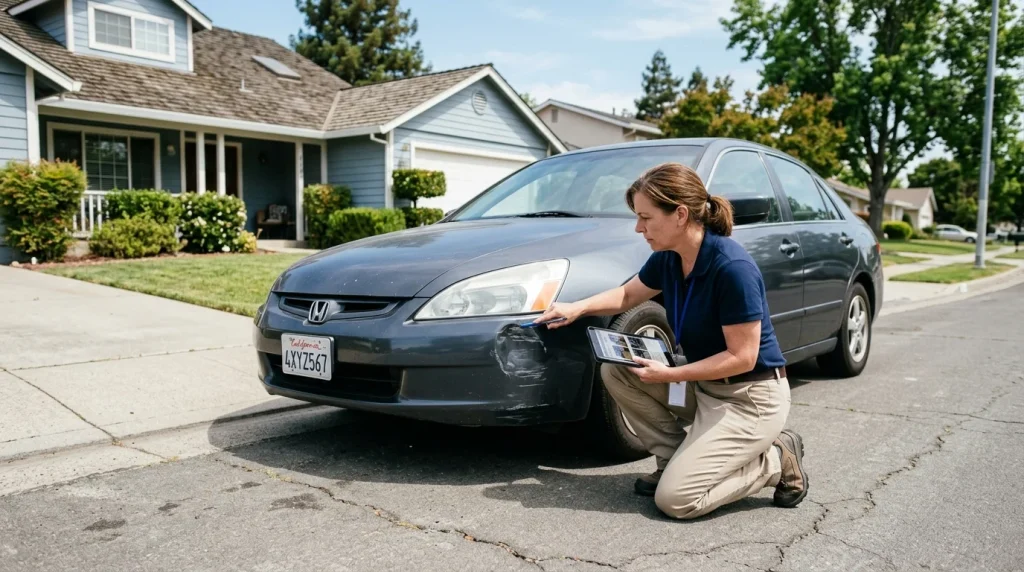
Quick answer: Car accident settlements typically take 3 to 24 months to resolve, though simple claims with clear liability can settle in 3 to 6 months. Payout delays are primarily caused by the time required to complete medical treatment, disputes over who caused the crash, and the administrative negotiation windows allowed under state prompt-payment regulations.
Key takeaways:
- The medical recovery phase is the largest delay factor, as claims cannot be accurately valued until you reach Maximum Medical Improvement.
- Liability disputes force insurers to conduct independent investigations, extending the timeline by several months or years.
- Insurance negotiation is a slow, sequential process with adjusters taking 30 to 60 days to respond to demand letters.
- Accepting a fast settlement is risky because signing a liability release forfeits your right to seek additional compensation for future complications.
- Documenting every interaction with your insurance carrier helps establish a record if bad faith practices occur.
Typical Car Accident Settlement Timeline
The average car accident settlement timeline depends heavily on the complexity of the accident, the severity of the injuries, and whether the case enters litigation. While simple insurance claims can be resolved in a matter of weeks, moderate to severe cases often require a year or more of active legal and medical review.
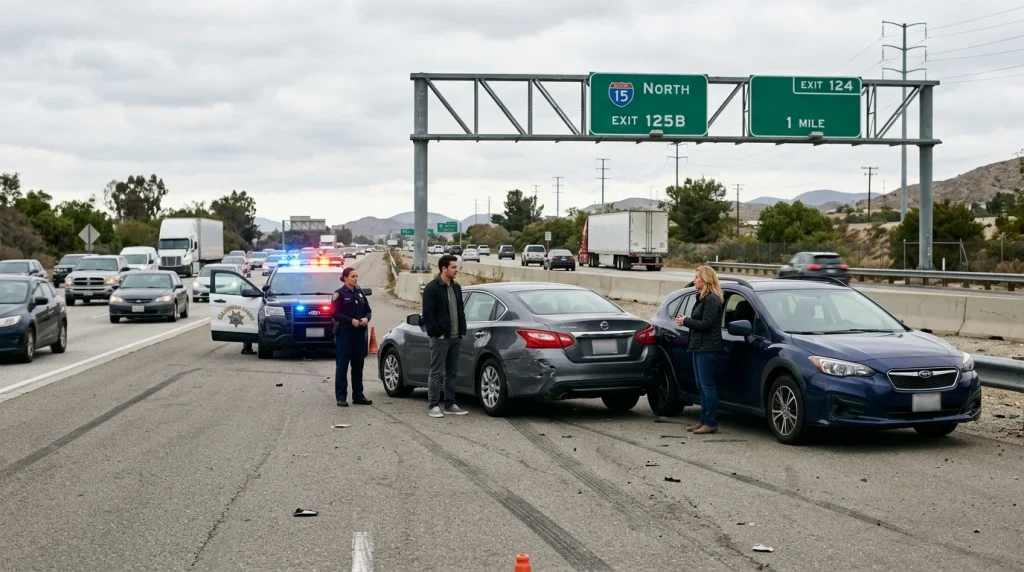
To understand how long it takes to resolve a claim, it is helpful to look at the factors that shape the how long does it take to settle a car accident timeline. Straightforward property-damage claims settle quickly because there are no medical records to verify. Conversely, claims involving bodily injury require patience to ensure all current and future expenses are accounted for.
The table below outlines typical timelines based on case complexity and identifying factors:
| Case Complexity | Typical Timeline | Identifying Factors |
|---|---|---|
| Minor | 3 to 6 months | Clear liability, minor injuries, short medical treatment, and property damage only. |
| Moderate | 6 to 12 months | Minor liability questions, soft-tissue injuries, and several months of physical therapy. |
| Severe | 12 to 24 months | Major liability disputes, severe injuries, permanent impairment, and multiple insurance policies. |
| Litigation | 2 to 4 years | Filed lawsuit, extensive discovery, depositions, and trial scheduling. |
Only a small fraction of cases proceed to a full trial. Industry estimates indicate that 95% to 97% of personal injury cases resolve out of court before a trial verdict is reached, meaning that almost all delays occur during the pre-trial negotiation and litigation discovery phases.
Major Factors That Delay Car Accident Settlements
When policyholders ask why their delayed insurance claims are taking so long, they are often dealing with a combination of medical, factual, and administrative hurdles. Understanding the four primary causes of settlement delays can help you navigate the process.
Achieving Maximum Medical Improvement (MMI)
The single most common cause of claim delays is the time required for medical recovery. Maximum Medical Improvement (MMI) is the point at which a patient’s condition has stabilized and further treatment is not expected to improve their health.
Attorneys and insurance adjusters cannot calculate the true financial value of a claim until you reach MMI. If you settle before reaching this point, you cannot ask the insurer for more money if you require additional surgeries, medication, or physical therapy. Insurers must wait for MMI to ensure the demand matches your actual medical record, which inherently prolongs the process for severe injuries.
Establishing Fault and Resolving Liability Disputes
Liability disputes occur when the insurance company contests who caused the crash or argues that you share fault. In states that use comparative negligence frameworks, the final payout is reduced by your percentage of fault.
To determine liability, adjusters must gather and review police reports, analyze vehicle damage, interview witnesses, and examine traffic camera footage. If the evidence is ambiguous, the investigation can add several months to the timeline.
The Sequential Steps of the Insurance Negotiation Cycle
Settlement negotiation is not an instantaneous exchange. It follows a rigid administrative sequence:
- The Demand Package: Your attorney compiles all medical bills, records, and lost wage documentation to send to the insurer.
- The Response Window: Insurance adjusters typically take 30 to 60 days to respond to the initial demand package with an acceptance, counteroffer, or denial.
- Evidence Evaluation: The carrier may take 4 to 8 weeks to review complex files or request an independent medical examination.
- Paperwork and Payment: Once a settlement is reached, processing the release form and executing the check takes an additional 2 to 6 weeks.
Regulatory Prompt-Payment Timelines
State regulatory rules establish maximum timelines for insurance carriers, but these rules do not eliminate administrative delays. For instance, under the California Fair Claims Settlement Practices Regulations (10 CCR § 2695.7), which are codified under the California Code of Regulations Title 10 Section 2695.7, insurers must accept or deny a claim within 40 calendar days of receiving proof of claim. If the insurer needs more time, they must send a written update every 45 days explaining the delay. Once the claim is accepted and a settlement is finalized, the insurer has 30 calendar days to issue the payment. While these regulations protect consumers from indefinite delays, they still permit carriers to take several months to finalize their evaluations.
The Financial Risk of Accepting a Quick Insurance Settlement
Faced with mounting medical bills and lost wages, crash victims often encounter fast settlement problems. Adjusters frequently make quick, low offers within days or weeks of the accident, hoping you will accept the money before you understand the full extent of your injuries.

Accepting a quick offer is a high-risk decision. To receive the payout, you must sign a liability release. According to the American Bar Association, a personal injury settlement is a formal compromise where the injured party signs a release, relinquishing all future claims against the defendant in exchange for the agreed compensation.
If you discover a hidden injury (such as a herniated disc or traumatic brain injury symptoms) after signing the release, you cannot reopen the claim. The insurance carrier is legally absolved of any further liability, leaving you to pay all future medical expenses out of pocket.
Practical Steps to Take If Your Settlement Is Stalled
If your car accident claim has ground to a halt, you should take active steps to protect your rights and keep the process moving forward.
Maintain Detailed Documentation of All Communications
Keep a dedicated communication log. Note the date, time, name of the representative, and a summary of every phone call, email, or letter. Having written records makes it easier for your attorney to prove unreasonable delays or bad faith negotiation tactics.
Follow Your Prescribed Medical Treatment Plan Consistently
Insurers look for any gap in medical treatment to argue that your injuries are not severe or were caused by something else. Attend all doctor appointments, complete your physical therapy, and fill your prescriptions exactly as directed.
Consult a Qualified Personal Injury Attorney
If the adjuster stops returning your calls or refuses to make a fair offer, consulting an attorney is often the only way to break the gridlock. An attorney can handle communication, submit a formal demand, and, if necessary, file a lawsuit to show the insurer you are prepared to go to court.
Analysis: The decision to file a lawsuit should be made in consultation with a qualified personal injury attorney. While filing a suit increases leverage, it also initiates court schedules that can extend the resolution timeline by 12 to 24 months.
Note: Settlement regulations vary by state. Always consult the insurance department of the state where the accident occurred to confirm local prompt-payment rules and statute-of-limitations deadlines.
Frequently Asked Questions about Accident Settlements
How long does it take to get paid after a car accident settlement is reached?
Once a settlement agreement is reached and you sign the liability release, it typically takes 2 to 6 weeks to receive the check. The insurance carrier sends the payment to your attorney, who must first deduct legal fees and resolve any outstanding medical liens before disbursing the remaining funds to you.
Does accepting a fast settlement reduce my overall compensation?
Yes, in almost all cases, a fast settlement significantly reduces your overall compensation. Insurers make early offers before the full scope of your medical costs, long-term rehabilitation needs, and lost earning capacity can be established.
Why will the insurance adjuster not return my phone calls?
Adjusters manage hundreds of active files simultaneously and may use unresponsiveness as a deliberate tactic. By dragging out communication, they place financial and psychological pressure on you, hoping you will become frustrated enough to accept a lower settlement offer.
Should I file a lawsuit if my car accident settlement is delayed?
Not immediately. Filing a lawsuit is a strategic decision that is best reserved for cases where the insurer denies liability, offers an unreasonably low amount, or fails to negotiate in good faith as the statute of limitations approaches.

