

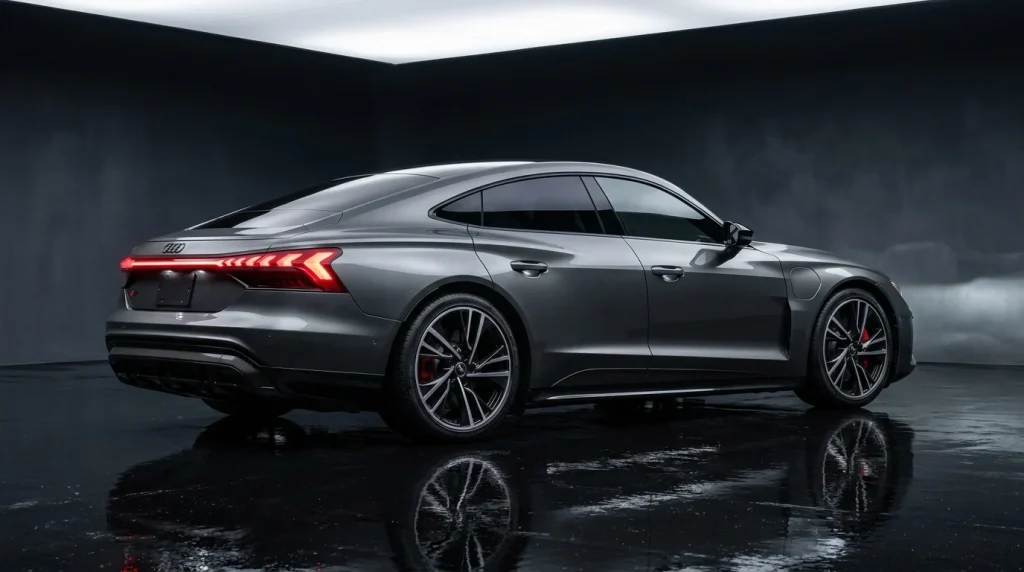
Quick Answer: The 2024 Audi e-tron GT is a high-performance luxury electric vehicle that offers 522 to 637 horsepower and outstanding comfort, sharing its J1 platform with the Porsche Taycan. In mid-2026, used pricing has plunged by 45% to 55% from the original MSRP, with dealer retail ranging from $63,000 to $75,000 for standard quattro models and $78,000 to $90,000 for the RS variant. While it represents an exceptional used EV performance bargain, buyers must verify the completion of safety recalls for high-voltage battery defects and front brake hose cracks before purchasing.
Key Takeaways:
- Heavy Depreciation: Used 2024 e-tron GT models can be found at a 45% to 55% discount from original MSRP, primarily accelerated by the major upgrades introduced in the 2025 refresh.
- Critical Recalls: Check VIN status for the high-voltage battery recall (Campaign 24V726000) and front brake hose recall (Campaign 24V465000) before buying.
- Competitor Standing: The e-tron GT shares an 800-volt architecture with the Porsche Taycan, offering smoother daily ride comfort but less sharp handling dynamics.
- Range Limitation: An EPA-estimated range of 249 miles falls short of newer rivals like the Tesla Model S, making it best suited for buyers with home charging access.
- CPO Warranty Value: Purchasing through Audi’s Certified Pre-Owned (CPO) program is highly recommended to protect against out-of-warranty electrical or battery repairs.
2024 Audi e-tron GT Overview: A Luxury EV Carryover
The 2024 model year represents the final chapter of the first-generation e-tron GT before a major mid-cycle refresh. Positioned as the flagship grand tourer in the Audi e-tron GT line, the 2024 version is classified as a carryover model. Audi introduced only minimal updates for this year, including standard Power Steering Plus and Matrix-design LED headlights across all trims. This holding pattern allowed Audi to maintain market presence while preparing for the extensively upgraded facelift that followed.
Under the skin, the e-tron GT is built on Volkswagen Group’s J1 performance platform, which was co-developed with Porsche. This shared foundation includes an advanced 800-volt electrical architecture that supports high-speed charging. While Porsche tuned the Taycan to deliver aggressive handling dynamics, Audi prioritized daily comfort, making the e-tron GT an exceptionally smooth highway cruiser. However, sharing a platform also means sharing recall patterns, as both vehicles have experienced similar recall cycles for their battery packs and brake lines.
Performance and Powertrain Specifications
Performance remains a defining characteristic of the 2024 e-tron GT lineup. The powertrain consists of dual permanent-magnet synchronous motors (one on each axle) paired with a unique two-speed automatic transmission on the rear axle. This transmission uses a low first gear for explosive acceleration from a standstill, shifting to a taller second gear at highway speeds to maximize efficiency and top-end performance.
Audi e-tron GT quattro Performance
The standard quattro trim delivers a combined output of 469 horsepower under normal driving conditions. When launch control is engaged, a temporary boost mode increases output to 522 horsepower and 512 pound-feet of torque. This configuration enables the vehicle to sprint from 0-60 mph in 3.9 seconds, putting it on par with many dedicated sports cars.
Audi RS e-tron GT Performance
The high-performance RS variant raises the stakes with 590 horsepower standard and 637 horsepower in boost mode, along with 612 pound-feet of torque. This extra power is unlocked through software optimization and enhanced motor controllers rather than physical engine changes. The RS version completes the 0-60 mph sprint in just 3.1 seconds, delivering supercar-level acceleration. The RS also comes standard with carbon-fiber exterior trim, sport-tuned adaptive air suspension, and larger performance wheels.
Battery, Range, and Charging Performance
The 2024 e-tron GT is equipped with a 93.4 kWh lithium-ion battery pack manufactured by LG Energy Solution. The pack features 85.0 kWh of usable capacity, with the remaining 8.4 kWh reserved as a buffer to preserve battery health over time.
EPA Range vs. Real-World Expectations
Both the standard quattro and the RS models carry an EPA-estimated range of 249 miles on a full charge. In real-world highway driving, range is highly sensitive to external temperatures and driving style. Testing by Edmunds demonstrated that the vehicle could achieve up to 273 miles under ideal conditions, while highway cruising in cold winter weather can drop the range closer to 230 miles.
270 kW DC Fast Charging Capability
Thanks to its 800-volt electrical architecture, the e-tron GT can accept charge rates of up to 270 kW when connected to a compatible DC fast charger. Under optimal conditions, the battery can charge from 10% to 80% in approximately 22.5 minutes. To achieve this speed, the vehicle must be connected to a 350 kW charger, and the battery pack must be pre-conditioned to the correct temperature. Charging at more common 150 kW public stations increases the 10-80% charge time to roughly 35 minutes.
2024 vs. 2025 Audi e-tron GT: Key Differences
The release of the redesigned facelift has significantly impacted the used market value of the 2024 model. The differences between these two model years are substantial, making the older version appear technically dated in several key areas.
According to the official 2025 Audi e-tron GT review, the facelifted model introduces major platform revisions:
- Battery Upgrades: The newer model utilizes a larger 105 kWh gross battery pack (97 kWh usable), which increases range to an EPA-estimated 300+ miles.
- Charging Speeds: Peak charging capability rises from 270 kW to 320 kW, cutting the 10-80% charge time down to 18 minutes.
- Horsepower Inversion: The base 2025 S e-tron GT produces 670 horsepower, which actually exceeds the performance of the top-tier 2024 RS model (637 hp). The 2025 RS Performance model reaches a staggering 912 horsepower.
This substantial leap in range and performance is the primary driver behind the steep depreciation of 2024 models.
Used 2024 Audi e-tron GT Pricing and Depreciation in 2026
When new, the 2024 e-tron GT carried a premium price tag. The base quattro model started at $106,500, with Prestige trims easily exceeding $115,000. The RS model commanded a starting MSRP of approximately $147,100, rising past $160,000 with options.
By mid-2026, the used market has adjusted heavily. Depreciation data indicates that the e-tron GT retains only 40% to 45% of its value after two years. The launch of the superior facelift model has accelerated this curve, creating an attractive entry point for used luxury buyers.
The table below outlines typical used market valuations for both models in mid-2026, based on average mileage (10,000 to 12,000 miles per year) and clean vehicle condition:
| Condition / Valuation | 2024 Audi e-tron GT quattro | 2024 Audi RS e-tron GT |
|---|---|---|
| Trade-In Value | $55,000 – $62,000 | $68,000 – $75,000 |
| Private Party Price | $58,000 – $66,000 | $72,000 – $80,000 |
| Dealer Retail Price | $63,000 – $75,000 | $78,000 – $90,000 |
These used prices showcase a depreciation discount of over $40,000 for standard quattro trims and more than $60,000 for the RS, making them a high-performance bargain. Buyers looking to compare these numbers with older pre-facelift models can reference the 2022 Audi e-tron GT review and the 2023 Audi e-tron GT review to evaluate older pricing structures.
Reliability, Recalls, and Common Problems
Before purchasing a used 2024 e-tron GT, potential owners must research safety recalls and documented reliability concerns. The high-voltage electrical components and complex suspension require diligent maintenance and verification.
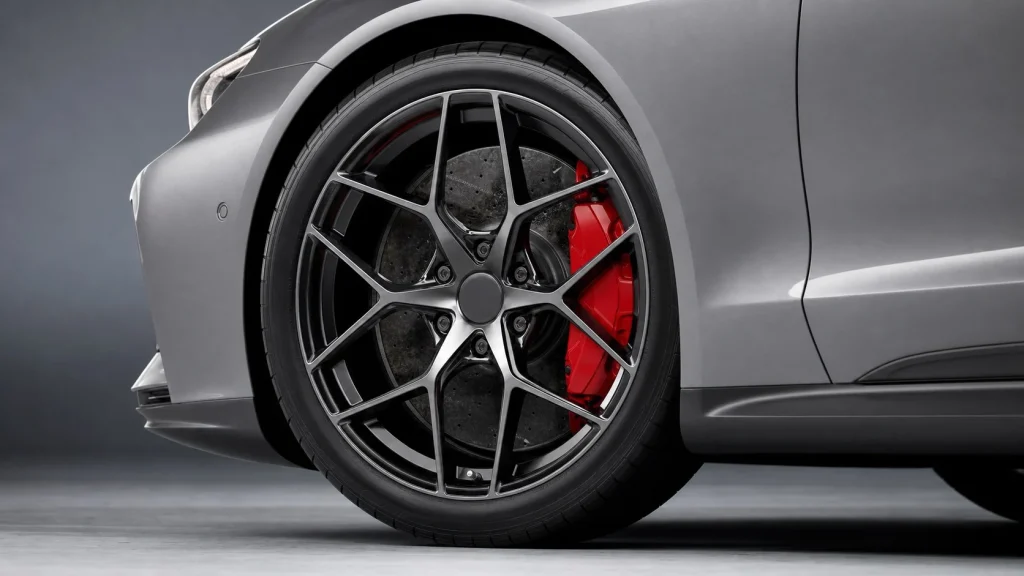
High-Voltage Battery Recall (Campaign 24V726000)
The National Highway Traffic Safety Administration (NHTSA) issued a recall covering 6,499 e-tron GT and RS e-tron GT models produced between 2022 and 2024. The LG Energy Solution battery modules are susceptible to internal short circuits, which can lead to thermal runaway and fires without warning.
- Remedy: Audi rolled out an onboard diagnostic software update. This software monitors the battery pack in real time to detect cell anomalies. If an anomaly is identified, the system flags the vehicle and warning indicators prompt a dealer replacement of the defective battery module at no cost.
- Interim Measure: Until the diagnostic software is installed and the battery pack is verified as safe, owners are advised to limit their charging capacity to 80% to reduce the risk of thermal overload.
Front Brake Hose Recall (Campaign 24V465000)
A separate campaign affects 9,653 units from the 2022-2024 model years. During steering and suspension travel, the front brake hoses can bend excessively, leading to cracks and brake fluid leaks. According to Green Car Reports recall coverage, this defect increases stopping distances and triggers dashboard warnings. Dealers resolve this issue by replacing the front brake hoses and retaining clips with redesigned parts.
12V Battery and Electrical Glitches
Many owners report premature failure of the traditional 12V accessory battery, particularly if the vehicle sits idle for several weeks. A dead 12V battery prevents the vehicle from starting and disables all digital screens. Software glitches, such as temporary MMI infotainment freezes, key fob communication drops, and public charging session interruptions, have also been widely documented in owner forums.
Rapid Tire Wear
Due to the vehicle’s heavy curb weight (roughly 5,060 lbs) and instant electric torque, the standard high-performance summer tires wear down rapidly. Owners often report needing tire replacements every 12,000 to 15,000 miles. Switching to high-quality all-season tires can extend this replacement interval, though it may slightly reduce dry cornering grip.
Should You Buy a Used 2024 e-tron GT in 2026?
Deciding whether to buy a used 2024 e-tron GT comes down to balancing its performance value against its technological limitations and recall history.
Who Should Buy a Used 2024 Model?
This vehicle is an excellent fit for performance enthusiasts who want Porsche-level platform dynamics at a fraction of the cost. If you primarily charge at home and use the car for daily commuting rather than long road trips, the 249-mile range is more than sufficient.
Who Should Wait for a 2025 or Newer Model?
If you frequently travel long distances, the 2025 model’s larger battery (300+ miles range) and faster 320 kW charging speed make a significant difference. Buyers who prioritize having the latest technology and maximum power will also find the facelifted model worth the price premium.
The Value of Certified Pre-Owned (CPO) Warranty
Given the complexity of the 800V battery and dual-motor setup, buying a Certified Pre-Owned (CPO) vehicle from an authorized dealer is highly recommended. The Audi CPO program adds one year and unlimited mileage (or 20,000 miles, depending on enrollment terms) to the remaining portion of the original 4-year/50,000-mile factory bumper-to-bumper warranty. The high-voltage battery itself is covered by a separate 8-year/100,000-mile factory warranty.
Frequently Asked Questions
What are the common problems with the 2024 Audi e-tron GT?
The most frequent issues include high-voltage battery recalls regarding short circuits, front brake hose leaks, 12V accessory battery drainage, and rapid tire wear. Software glitches affecting the MMI touchscreen are also common.
Is the 2024 e-tron GT a reliable car to buy used?
Reliability is average. While the mechanical platform is solid, the complex electronics and recalls mean that buying a warranty-covered or CPO vehicle is crucial for long-term peace of mind.
What is the difference between the 2024 and 2025 e-tron GT?
The 2025 model offers a larger 105 kWh battery pack, faster 320 kW charging speeds, and a power increase. The base 2025 model produces 670 horsepower, which is more than the 2024 RS model.
How much horsepower does the 2024 Audi e-tron GT have?
The standard 2024 e-tron GT quattro produces 469 horsepower, which increases to 522 horsepower during temporary boost mode.
How much horsepower does the 2024 Audi RS e-tron GT have?
The RS variant produces 590 horsepower standard and 637 horsepower in boost mode.
What is the real-world range of the 2024 e-tron GT?
The EPA-estimated range is 249 miles. In real-world highway testing, it typically delivers between 230 and 273 miles depending on temperature and driving habits.
How fast does the 2024 e-tron GT charge?
On a 350 kW DC fast charger, the vehicle accepts up to 270 kW, allowing it to charge from 10% to 80% in approximately 22 minutes.
How much does a used 2024 Audi e-tron GT cost in 2026?
Used base models range from $63,000 to $75,000 at retail, while RS models range from $78,000 to $90,000, representing a massive discount from their original MSRPs.
Did the 2024 e-tron GT have a lot of depreciation?
Yes, the 2024 model has experienced heavy depreciation, losing about 55% of its value in two years, driven by overall EV market trends and the release of the updated 2025 model.
How does the 2024 e-tron GT compare to the 2024 Porsche Taycan?
Both cars share the same J1 platform. The Taycan offers sharper, sportier handling and more build configurations, while the e-tron GT offers a more comfortable ride and a quieter cabin.
Is the 2024 e-tron GT worth buying in 2026, or should I get the 2025 model?
If you are looking for maximum performance value under $75,000, the 2024 used model is an exceptional bargain. If range and charging speeds are your main priority, the 2025 model is the superior choice.
What was new for the 2024 e-tron GT?
The 2024 model year added standard Power Steering Plus, Matrix-design LED headlights, and minor trim updates as a carryover year before the 2025 refresh.

