

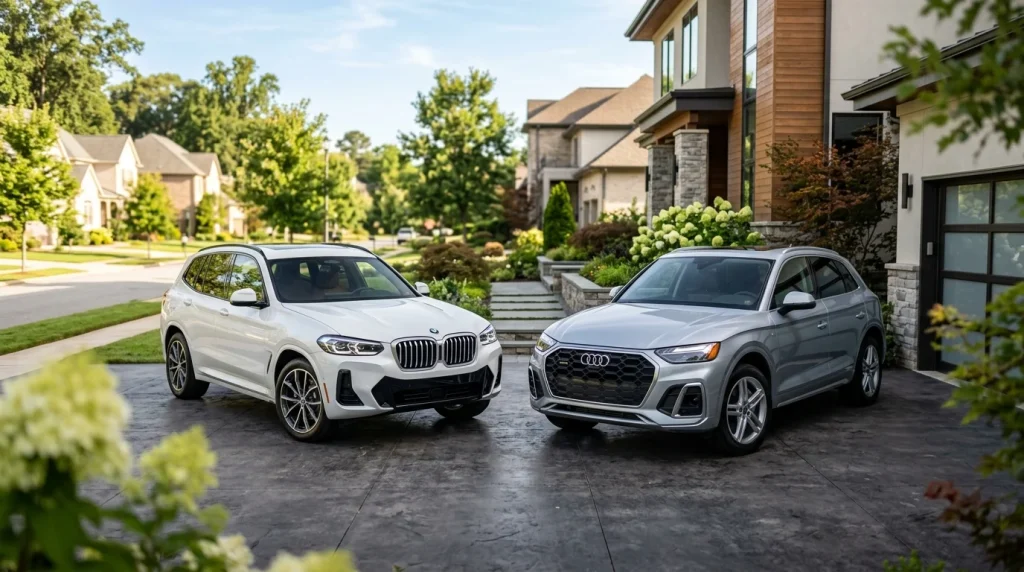
Quick answer:
The 2026 BMW X3 30 xDrive starts at an MSRP of $52,650 (including a $1,350 destination fee) and is the better choice for drivers seeking sportier handling and larger cargo capacity. Conversely, the redesigned third-generation 2026 Audi Q5 starts at an MSRP of $54,095 (including a $1,295 destination fee) and is ideal for buyers prioritizing a quiet ride, standard 268-horsepower engine, and an OLED curved display.
Key takeaways:
- The BMW X3 provides 31.5 cubic feet of cargo space behind the second row, whereas the Audi Q5 offers 27.6 cubic feet.
- Both luxury compact SUVs feature 48-volt mild-hybrid powertrains to improve stop-start smoothness and fuel efficiency.
- The Audi Q5 introduces a Digital Stage dashboard featuring a curved 14.5-inch OLED touchscreen.
- BMW’s high-performance X3 M50 xDrive produces 393 horsepower, while the Audi SQ5 produces 362 horsepower.
- Factoring in destination fees, the starting price gap between the base models is $1,445, with the BMW being the more affordable option.
2026 MSRP and Trim Configurations
The entry-level 2026 BMW X3 30 xDrive carries a starting MSRP of $51,300 before delivery. With a mandatory destination charge of $1,350, the official base price begins at $52,650. For the redesigned third-generation 2026 Audi Q5, the base Premium trim starts at an MSRP of $52,800. Factoring in a $1,295 destination fee, the starting price is $54,095. While generic reviews often report a minor $150 difference based on pre-delivery prices, the actual starting price gap in the United States is $1,445, favoring the BMW.
For performance enthusiasts, both brands offer high-output variants. The BMW X3 M50 xDrive starts at $67,850 (including destination) and comes with a sport-tuned mild-hybrid inline-six engine. The redesigned Audi SQ5 features a turbocharged V6 engine and standard adaptive dampers, offering a similar performance step-up at a comparable price point.
For buyers researching older pre-owned generations instead of the brand-new models, consulting guides on reliable used options such as Audi A4 years to avoid can help prevent costly out-of-warranty repair issues.
| Feature / Specification | 2026 Audi Q5 Premium | 2026 BMW X3 30 xDrive |
|---|---|---|
| Base MSRP (Pre-delivery) | $52,800 | $51,300 |
| Destination Charge | $1,295 | $1,350 |
| Total Starting MSRP | $54,095 | $52,650 |
| Drivetrain | quattro AWD | xDrive AWD |
| Performance Model | SQ5 (362 hp) | X3 M50 xDrive ($67,850) |
Engine Performance and Handling Dynamics
The 2026 Audi Q5 is equipped with a standard 2.0-liter turbocharged four-cylinder engine generating 268 horsepower and 295 lb-ft of torque. It routes power through a 7-speed S tronic dual-clutch transmission to all four wheels. This powertrain excels at smooth, linear power delivery. Audi’s standard quattro all-wheel-drive system prioritizes maximum traction and stable, predictable understeer in poor weather.
The 2026 BMW X3 30 xDrive utilizes a 2.0-liter turbocharged inline-four engine paired with a 48-volt mild-hybrid starter-generator. This combination produces 255 horsepower and 295 lb-ft of torque. Power is managed by an 8-speed automatic transmission, which delivers faster and more intuitive gear changes than the Audi dual-clutch unit. Combined with a rear-biased xDrive system and a stiffer chassis structure, the X3 feels noticeably more agile and engaging in corners.
According to the editorial team at Car and Driver, the redesigned BMW X3 “continues to deliver a balanced driving experience that supersedes its sometimes-puzzling styling elements.” Additionally, test editors at MotorTrend observed that the X3 “brings the right balance of luxury and performance, just like a BMW should,” noting that the mechanical updates make the SUV both more athletic and practical.
Drivers looking to maximize this traction should pair their all-wheel-drive system with high-quality rubber, which can be researched in guides to the best tires for Audi vehicles. For general brand research, shoppers can check where the Q5 ranks among the best Audi cars currently on the market.
Interior Luxury, Infotainment and Cargo Capacity
Inside the cabin, the two luxury crossovers showcase different design directions. The 2026 Audi Q5 features the new OLED “Digital Stage” setup, combining an 11.9-inch digital instrument cluster and a 14.5-inch central touchscreen in one curved panel. Audi also offers an optional 10.9-inch passenger display that is polarized to prevent driver distraction, allowing the front passenger to control navigation or stream media.
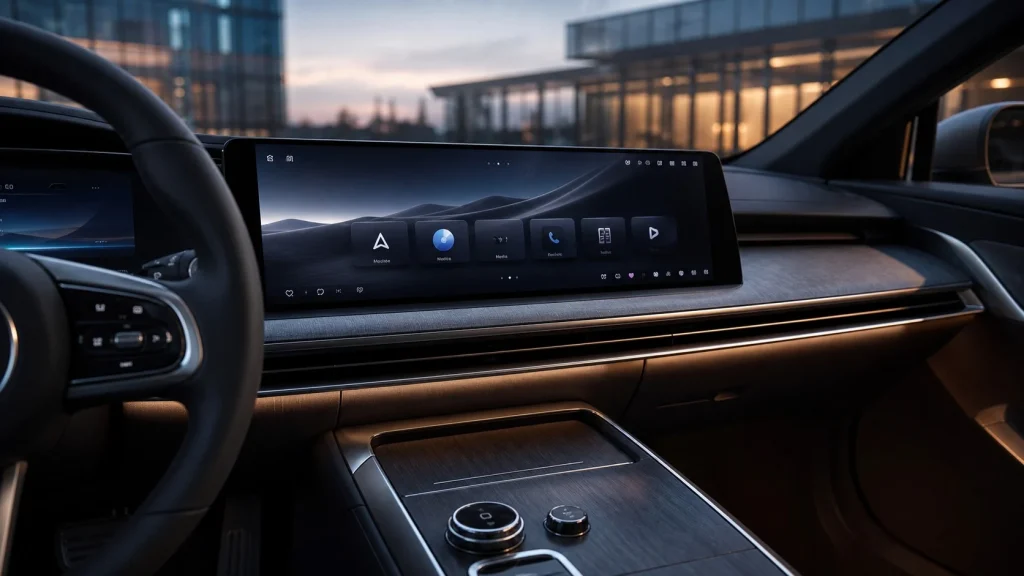
The 2026 BMW X3 features the BMW Curved Display running Operating System 9, merging a 12.3-inch gauge cluster and a 14.9-inch touchscreen. However, the digital shift has drawn some criticism. Road test editors at Edmunds noted that the cabin’s touchscreen-heavy layout requires drivers to navigate nested menus for simple tasks like adjusting the climate controls, which can feel less intuitive than physical buttons on the road.
Keeping the vehicle’s infotainment system current is crucial for maintaining navigation and connectivity features, which is why owners should monitor the latest BMW software update cycles to ensure their Operating System 9 remains optimized.
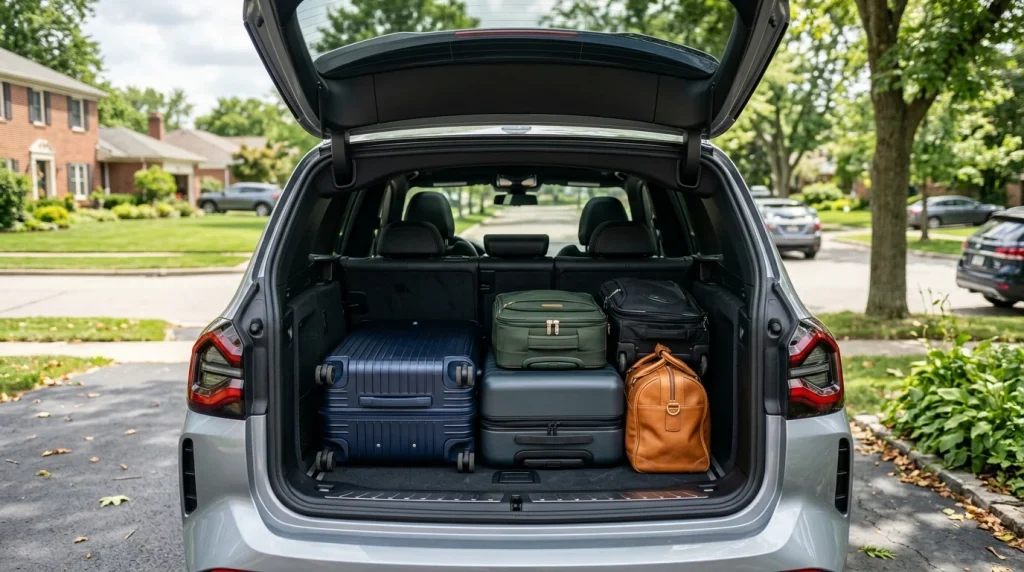
In terms of utility, the BMW X3 offers a clear advantage. It provides 31.5 cubic feet of cargo space behind the second row, expanding to 67.1 cubic feet with the rear seats folded. The Audi Q5 offers 27.6 cubic feet behind the second row and a maximum capacity of 56.9 cubic feet.
Fuel Economy and Real-World Ownership Costs
The 2026 BMW X3 30 xDrive holds a fuel economy advantage over the Audi Q5. Thanks to its 48-volt mild-hybrid system, the X3 achieves an EPA-estimated 25 mpg city, 30 mpg highway, and 27 mpg combined. The 2026 Audi Q5 is estimated to achieve 21 mpg city, 29 mpg highway, and 25 mpg combined. For the average driver covering 15,000 miles per year, the BMW’s efficiency edge can save approximately $150 to $200 annually on premium fuel.
Both vehicles are backed by identical 4-year/50,000-mile limited bumper-to-bumper and powertrain warranties. Long-term maintenance costs for both German SUVs tend to be high after the warranty period expires, requiring specialized service and premium synthetic fluids. You can stay updated on segment changes by checking latest automotive news archives regularly.
Which 2026 Luxury SUV Should You Buy?
Choosing between the Audi Q5 and the BMW X3 depends on your specific lifestyle needs. The BMW X3 is the better option for families requiring maximum cargo utility or drivers who prefer an engaging, athletic suspension setup. The Audi Q5 is the ideal choice for buyers seeking a traditional luxury experience defined by a quiet cabin, smooth ride comfort, and advanced OLED screens.
Analysis: The choice between these two crossovers hinges on your driving priority. The BMW X3 remains the dynamic benchmark for owners who enjoy winding roads, while the Audi Q5 represents a more relaxed, tech-focused cruiser that isolates passengers from daily road stress.
Note: Manufacturer incentive programs and dealer finance terms fluctuate monthly. Prospective buyers should consult local inventory listings and schedule test drives to experience the differing suspension setups and touch-screen interfaces in person.
Frequently Asked Questions About the Q5 and X3
Which SUV is more reliable, the Audi Q5 or the BMW X3?
Both models carry average predicted reliability ratings and are backed by identical 4-year/50,000-mile warranties in the United States. Long-term reliability is heavily dependent on following factory maintenance schedules and using manufacturer-approved parts.
Is the BMW X3 larger than the Audi Q5?
The BMW X3 is slightly larger inside, offering 31.5 cubic feet of cargo volume behind the second row compared to 27.6 cubic feet in the Audi Q5. The X3’s boxier tail design also provides better vertical clearance for bulky items.
Do the 2026 Audi Q5 and BMW X3 require premium fuel?
Yes. Both manufacturers specify premium unleaded gasoline (91 octane or higher) for their turbocharged four-cylinder engines. Using lower-grade regular fuel can reduce performance, lower fuel economy, and cause engine knock over time.
Does the 2026 BMW X3 have a plug-in hybrid option?
Yes. BMW has introduced the X3 xDrive30e plug-in hybrid to the global lineup for the 2026 model year, offering an electric-only driving range for short commutes. Audi also continues to offer its Q5 TFSI e plug-in hybrid variant.

