

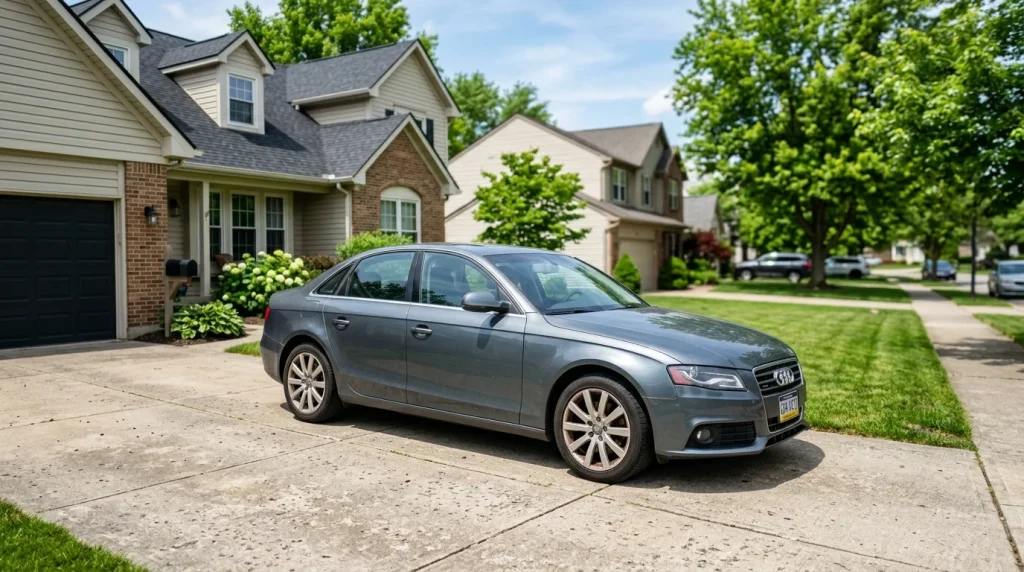
Quick answer:
The worst Audi A4 model years to avoid are the 2009 through 2012 models due to a catastrophic piston ring defect that causes severe oil consumption, and the 2013 model year due to premature timing chain tensioner failures. Buying one of these years risks facing a $5,000 to $8,000 engine rebuild. Used buyers should instead focus on the 2014 to 2016 (B8.5 facelift) or 2018 to 2020 (B9) model years, which feature revised internal engine components.
Key takeaways:
- The 2011 model year is statistically the worst Audi A4, accumulating the highest volume of severe engine failure reports.
- A manufacturing defect in pre-2013 EA888 Gen 2 engines causes piston rings to let oil bypass, burning up to a quart of oil every 500 miles.
- Transition-year 2013 models carry a high risk of timing chain tensioner failure, which can cause pistons and valves to collide, destroying the engine block.
- First-year B9 models (2017) frequently suffer from premature coolant leaks due to cracked plastic water pump and thermostat housings.
2009-2012 Audi A4: The Oil Consumption Crisis
If you are shopping for a used Audi A4, you must tread carefully around the pre-facelift B8 generation (2009 to 2012). These vehicles are equipped with the “EA888 Gen 2” 2.0-liter turbocharged inline-four engine, which was manufactured with inherently flawed piston and oil control rings.
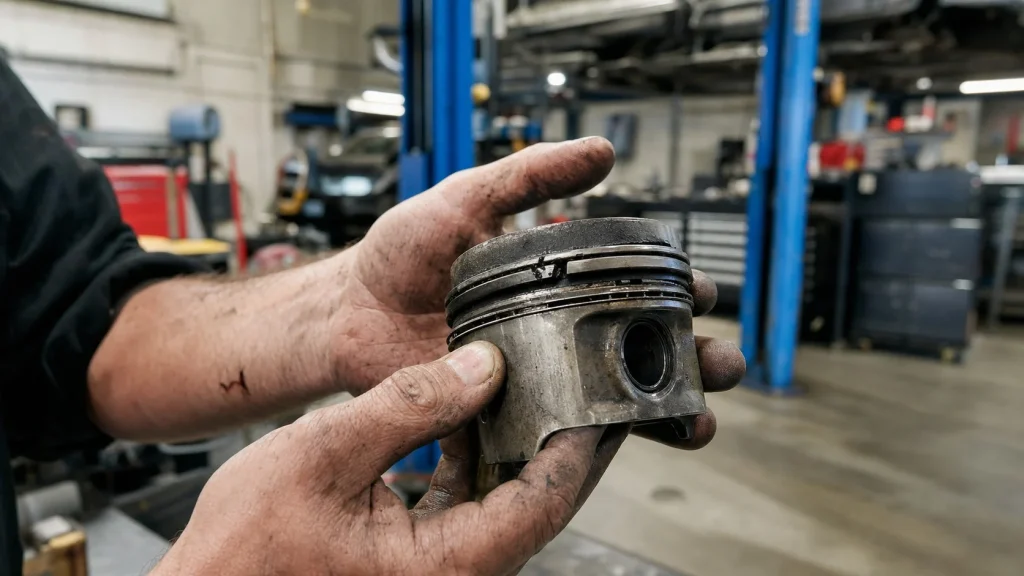
According to automotive service authority RepairPal, owners of affected models frequently report excessive oil usage, with some needing to add a quart of oil every 500 to 800 miles to keep the low oil light from illuminating on the dashboard. When this oil control ring defect is left unaddressed, the lack of lubrication leads to severe cylinder wall scoring, clogged catalytic converters, and ultimately complete engine seizure.
The Mechanical Cause: Defective Piston Rings
The root cause of this oil consumption epidemic lies in the piston ring tension and design. In an effort to reduce internal friction and improve fuel efficiency, the factory fitted the EA888 Gen 2 pistons with rings that were too thin. Over time, these oil control rings become packed with carbon deposits, preventing them from scraping oil off the cylinder walls during the piston’s downward stroke.
Independent European vehicle specialists at CarHavn Eurotech explain that the piston rings used during this production run were made from experimental materials that failed to hold up under high operating temperatures, letting oil slip directly into the combustion chamber where it burns off.
Rebuild and Engine Replacement Costs
Because the defective rings cannot be replaced without dismantling the entire engine, the repair is labor-intensive and expensive. Standard repair options include:
- Piston and Ring Replacement: A shop must remove the engine, hone the cylinders, and install revised pistons, rings, and connecting rods. This work typically costs between $5,000 and $8,000.
- Full Engine Replacement: If the cylinder walls are scored beyond repair, a remanufactured long block is required, pushing replacement bills past $9,000.
Given these figures, buying a cheap 2009-2012 A4 can quickly turn into a financial nightmare, far exceeding the vehicle’s actual market value. If you are comparing this model to other segments, it is worth looking at the overall best Audi sedan options before finalizing your search.
2011 Audi A4: Statistically the Worst Year
While the entire 2009-2012 production window is highly problematic, the 2011 Audi A4 stands out as the single worst year to buy. According to consumer complaints compiled by CarComplaints, the 2011 model year has the highest concentration of severe engine failure reports due to piston ring wear.
The primary issue with the 2011 model is the mileage at which these catastrophic failures occur. Many owners report the engine seizing or requiring a complete rebuild right around the 65,000-mile mark. Because this mileage is just past the factory powertrain warranty limit, the repair costs fall entirely on the used buyer. With average repair bills reaching $6,000 at this low mileage, the 2011 A4 represents a significant risk for the second-hand market.
2013 Audi A4: Defective Timing Chain Tensioner Risk
Audi attempted to address the engine defects of the B8 generation with a mid-cycle refresh (the “B8.5” facelift) starting in the 2013 model year. While the severe oil consumption was reduced in most B8.5 cars, early 2013 production models carried over a secondary design flaw: a defective plastic timing chain tensioner.
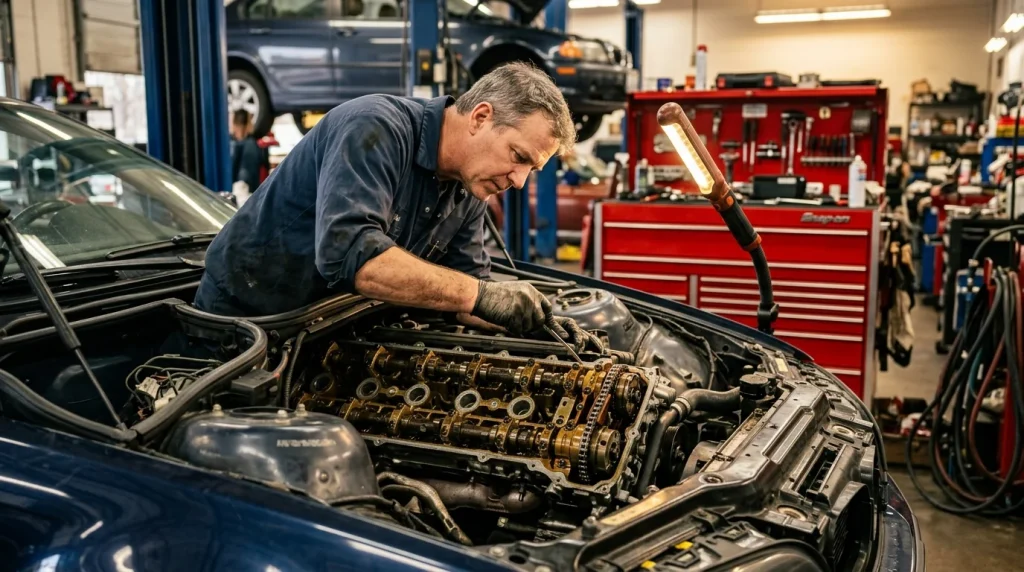
The early-generation tensioner relies on a plastic pawl mechanism that is prone to cracking and losing oil pressure over time. When the tensioner fails, the timing chain slips, throwing the engine’s camshafts out of synchronization with the crankshaft. Because the EA888 is an interference engine, the pistons will smash into the open valves, causing instant and catastrophic mechanical damage.
Analysis:
Timing chain issues should not be treated as simple maintenance items. If you hear a loud metallic rattle on a cold start that persists for more than three seconds, it is a sign that the chain has stretched or the tensioner is losing pressure. Do not drive the vehicle, as a tensioner collapse will immediately destroy the cylinder head.
Note:
Audi revised this component mid-way through the 2013 model year, replacing the plastic pawl tensioner with a robust, all-metal mechanical version. If you are considering a 2013 model, you must verify the part number through a service invoice or a physical inspection via the timing cover access plug.
2017 Audi A4: Coolant Leaks & First-Year B9 Issues
The B9 generation, introduced for the 2017 model year, brought a redesigned chassis and the Gen 3 version of the EA888 engine. While this generation is free from the piston ring flaws of the B8, the 2017 model year suffers from typical first-year production bugs.
The most common defect on the 2017 Audi A4 is a coolant leak originating from the plastic water pump and thermostat housing. The plastic housing is mounted directly to the engine block and is prone to warping, cracking, and leaking coolant around 40,000 to 50,000 miles. Replacing the cracked assembly with an updated metal version costs between $1,200 and $1,500 at independent repair shops. If you are looking at alternatives within this generation, you can also research the smaller Audi A3 years to avoid to compare common mechanical vulnerabilities.
Carbon Buildup: Maintenance Realities for FSI Engines
Regardless of the model year you choose, all modern Audi A4 variants utilize Fuel Stratified Injection (FSI) or Turbocharged Fuel Stratified Injection (TFSI). While direct injection improves throttle response and efficiency, it leads to carbon deposits accumulating on the intake valves between 60,000 and 80,000 miles.
Because the fuel injectors spray gasoline directly into the combustion chamber rather than over the intake valves, there is no fuel to wash away the oil vapors circulating from the positive crankcase ventilation (PCV) system. Over time, these vapors bake onto the hot valves, forming thick carbon crusts that restrict airflow.
Symptoms of severe carbon buildup include:
- A rough, shaking idle during cold starts.
- Random engine misfires and a check engine light.
- A noticeable loss of fuel economy and engine acceleration.
To resolve this issue, a mechanic must remove the intake manifold and clean the valves. The most effective method is walnut shell blasting, which costs between $600 and $900. This service should be factored into your long-term maintenance budget. For other auxiliary engine bay costs, such as when your car won’t start, or understanding components like a car blower motor, consult our general maintenance guides.
The Best Audi A4 Years to Buy Used
If you want the luxury of an Audi A4 without the associated repair risks, target the model years where the manufacturer resolved the factory defects.
2014-2016 Audi A4 (B8.5 Facelift)
By the 2014 model year, Audi had fully updated the EA888 engine with redesigned pistons, wider oil control rings, and the revised all-metal timing chain tensioner. The 2014, 2015, and 2016 models are highly regarded as the most reliable used B8.5 options, combining classic styling with robust engine internals.
2018-2020 Audi A4 (B9 Generation)
If your budget allows for a newer vehicle, target the 2018 through 2020 model years. These cars are past the initial 2017 water pump and infotainment bugs. They represent some of the most reliable modern premium sedans, often outperforming competing models in long-term reliability surveys. To see how these years compare to other brand offerings, check the best Audi cars categorized ranking.
| Generation | Model Years | Engine Reliability | Key Concerns | Recommendation |
|---|---|---|---|---|
| B8 (Early) | 2009-2012 | Poor | Piston ring failure, timing chain tensioner | Avoid |
| B8.5 (Late) | 2013 | Fair | Timing chain tensioner (early build dates) | Verify Service History |
| B8.5 (Late) | 2014-2016 | Good | Carbon buildup, general wear | Recommended |
| B9 (Early) | 2017 | Fair | Water pump leaks, electrical bugs | Caution |
| B9 (Late) | 2018-2020 | Excellent | Minor sensor glitches, carbon buildup | Highly Recommended |
Pre-Purchase Inspection Checklist for Used A4s
Before purchasing any used Audi A4, especially B8 or B8.5 models, perform the following checks:
- Cold-Start Rattle Test: Ensure the engine is completely cold before starting. Open the hood and listen closely for the first few seconds. A loud, metallic rattling noise indicates a loose timing chain or failing tensioner.
- Exhaust Pipe Inspection: Swipe a finger inside the tailpipes. A thick, wet, oily black soot deposit is a strong indicator that the engine is burning excessive oil past the piston rings.
- MMI Oil Level Reading: Access the Multimedia Interface (MMI) menu to check the electronic oil level. Ask if the oil has been topped off recently, and check the level again after a 20-minute test drive.
- Timing Chain Angle Check: Ask a technician to plug in a diagnostic scanner (such as VCDS) to read the camshaft adaptation angle. An adaptation angle exceeding negative three degrees indicates the chain is stretched and requires immediate replacement.
- Service Records: Verify that the oil has been changed every 5,000 miles using high-quality synthetic oil. Extended 10,000-mile oil changes accelerate carbon buildup and timing chain wear.
Frequently Asked Questions
What is the worst year for the Audi A4?
The 2011 Audi A4 is the worst model year. It has the highest frequency of severe engine failures, with issues commonly appearing around 65,000 miles and requiring a complete engine rebuild.
Do all Audi A4s have oil consumption problems?
No, the severe oil consumption defect is concentrated in the 2009 to 2012 model years. Audi redesigned the pistons and oil control rings for the 2014 model year, resolving the factory issue.
How much does it cost to maintain a used Audi A4?
Routine annual maintenance for an Audi A4 averages between $750 and $900. However, buying a high-risk model year can lead to immediate repair bills of $5,000 to $8,000 for timing chain or engine work.

