


Quick answer: Understanding how long does it take to buy a car helps set realistic expectations, as the average buyer spends 3 to 5 hours at the dealership on purchase day. While the total research-to-delivery process spans 2 to 6 weeks, prepared buyers with pre-approved financing and an in-stock vehicle target can reduce their showroom visit to 30 to 90 minutes.
Key takeaways:
- The typical dealership visit takes 3 to 5 hours, with 36% of buyers reporting it takes longer than expected.
- Pre-approved financing cuts dealership showroom times in half by bypassing credit checks.
- The Finance and Insurance (F&I) office is the primary bottleneck, taking 60 to 90 minutes.
- Used car purchases require additional title and inspection checks, extending showroom stays.
- DMV backlogs in states like California and New York can delay permanent plates for up to 90 days.
Timeline Breakdown: How Long Does It Take to Buy a Car?
According to a MotorTrend dealership purchase guide, a showroom car purchase takes an average of 3 to 5 hours from arrival to driving off the lot. For most people, the showroom visit represents only a small part of a larger car-buying timeline. The total process, from starting your online research to receiving the vehicle keys, typically ranges from 2 to 6 weeks.
The exact timeline depends heavily on vehicle availability and buyer preparation. For example, buyers who order a custom vehicle directly from the manufacturer will wait much longer than those buying an in-stock car.
| Buyer Type | Time at Dealership | Total Start-to-Finish | Who This Applies To |
|---|---|---|---|
| Cash or Pre-Approved | 30 to 60 minutes | Same day | 5% to 10% of buyers |
| In-Stock Vehicle (Standard) | 1 to 2 hours | Same day | Growing majority |
| Average Buyer (Partial Research) | 3 to 5 hours | 1 to 7 days | Most buyers |
| Trade-In + Dealer Financing | 4 to 8 hours | 1 to 14 days | Common dealership scenario |
| Factory Order or Custom Build | Delivery only | 4 to 16 weeks | Special order custom builds |
For the average buyer, walking into a dealership without preparing details such as pricing research or financing pre-approvals means blocking out a large portion of the day.
Where the Time Goes: Step-by-Step Showroom Breakdown
The Auto Trader UK car buyer research report highlights that car buyers spend an average of 87 days researching online before completing a transaction. Once the buyer chooses a vehicle and arrives at the dealership, the clock starts. Inside the showroom, time is divided among several key stages:

- Test Driving and Walkaround (30 to 90 minutes): Finding the specific vehicle on the lot, completing a visual inspection, and taking it for a 15-to-30-minute test drive takes substantial time. If the buyer decides to compare multiple trim levels, this stage can easily stretch past an hour.
- Vehicle Pricing and Negotiation (30 to 60 minutes): This stage involves discussing the final sales price, dealer document fees, and trade-in value. Negotiations can proceed quickly if the buyer has researched fair market values, but complex deals involving multiple rebates or dealer installed options often take longer.
- The Finance and Insurance (F&I) Office (60 to 90 minutes): This is where buyers spend the most time waiting. The F&I manager must process the credit application, submit documents to potential lenders, compile 10 to 20 pages of legal contracts, and handle payment processing.
- Vehicle Preparation and Handover (30 to 45 minutes): After signing the contracts, the dealership must wash the car, fill the fuel tank, install temporary license plates, and explain the vehicle dashboard controls and safety features.
Why Buying From a Dealership Takes So Long
A CDK Global July 2025 auto retail study reports that 36% of vehicle buyers felt the dealership purchase process took longer than they expected. Dealership sales processes are not designed for rapid checkout due to several structural factors:
First, the transaction involves handoffs between different departments. A buyer works with a sales consultant, a sales manager for price approval, an F&I manager for financing, and a delivery specialist for the final vehicle walkaround. Each handoff introduces waiting periods as staff members handle multiple customers.
Second, credit verification and legal compliance are time-consuming. Dealerships must verify identities to comply with federal regulations like the FTC Safeguards Rule in the United States. Running credit profiles, verifying insurance coverages, and waiting for bank loan approvals can take several hours, especially on busy weekends.
Finally, trade-in valuations add complexity. Assessing a trade-in vehicle requires a physical inspection by a manager, checking vehicle history databases, and verifying that the current owner has a clear title.
Expert view: Finalizing a vehicle purchase involves multiple legal documents. Buyers can avoid long showroom waits by handling the pricing and trade-in negotiations via phone or email with the internet sales manager prior to visiting the showroom.
How to Buy a Car in Under 2 Hours
Securing pre-approved auto financing online from a bank or credit union reduces F&I office transaction times by up to 50%, enabling showroom visits to wrap up in under 2 hours. By bypassing dealer credit checks, the buyer acts like a cash shopper.
To achieve a fast dealership visit, buyers should follow a structured check list:
- Get Pre-Approved Online: Apply for an auto loan at your local bank or credit union. These pre-approvals typically expire in 30 to 60 days, giving you ample time to shop.
- Determine Pricing and Trade-In Value: Use online valuation tools to establish a fair price for the new car and your trade-in.
- Verify Dealer Inventory: Call the dealership before leaving home to confirm the exact vehicle is in stock and available for a test drive.
- Schedule a Weekday Appointment: Visit the dealership on a Tuesday or Wednesday afternoon when customer traffic is lowest.
- Bring All Documents: Have your driver’s license, current auto insurance card, and pre-approval letter or cashier’s check ready.
While researching options, buyers can also browse the latest automotive news to track manufacturer releases and vehicle specifications before selecting a target car.
New vs. Used Cars: Which Takes Longer?
Used car purchases require title history checks and safety inspections that can add 1 to 2 hours of showroom wait time compared to new car purchases. New cars have straightforward manufacturer certificates of origin and standard warranty paperwork.
When purchasing a used vehicle, dealerships must verify that the title is clear of liens and that the vehicle vehicle has passed state emissions and safety inspections. Used car buyers must also spend time reviewing vehicle history databases like CARFAX or AutoCheck to ensure no structural damage exists.
Furthermore, used vehicles are more likely to have minor cosmetic or mechanical issues that require negotiation or quick repairs before delivery. During the vehicle research phase, buyers often spend hours evaluating options, comparing safety ratings, or researching specific vehicle interior features, such as vehicles with the best back-seat air conditioning to ensure comfort for passengers.
Showroom Realities: Who Should Shop Online vs. In-Person?
Buying a car online through digital retail tools reduces transaction times to under 60 minutes, though it trades instant pickup for delivery times of 3 to 14 days. This digital path has become popular for buyers seeking to avoid showroom sales pressure.
| Purchasing Channel | Upfront Time Investment | Delivery and Pickup | Key Trade-Off |
|---|---|---|---|
| In-Person Showroom | 3 to 5 hours at dealer | Same-day drive off | Showroom negotiation pressure |
| Online Car Retailer | 30 to 60 minutes online | 3 to 14 days delivery | No test drive before purchase |
| Dealer Digital Retail | 1 to 2 hours online | Same-day dealer pickup | Partial in-person document signing |
Online car retailers allow buyers to select a car, upload documents, and sign loan contracts online. However, this convenience comes with trade-offs. You cannot test drive the physical car to check for engine noises or seat comfort before purchasing. Instead, online retailers offer a 7-day return policy to replace the traditional test drive. Additionally, vehicle shipping can add shipping fees ranging from 500 to 1500 dollars depending on the vehicle location.
Note: Post-purchase add-ons like extended warranties or service plans can be reviewed online. For instance, drivers can research various GearUp service and parts plans before signing the final finance contract to avoid being pressured in the showroom.
After the Purchase: Post-Delivery Timelines
Permanent license plate delivery times from state motor vehicle agencies range from 2 weeks to 90 days after driving off the dealership lot. The transaction does not fully end when the buyer receives the keys.
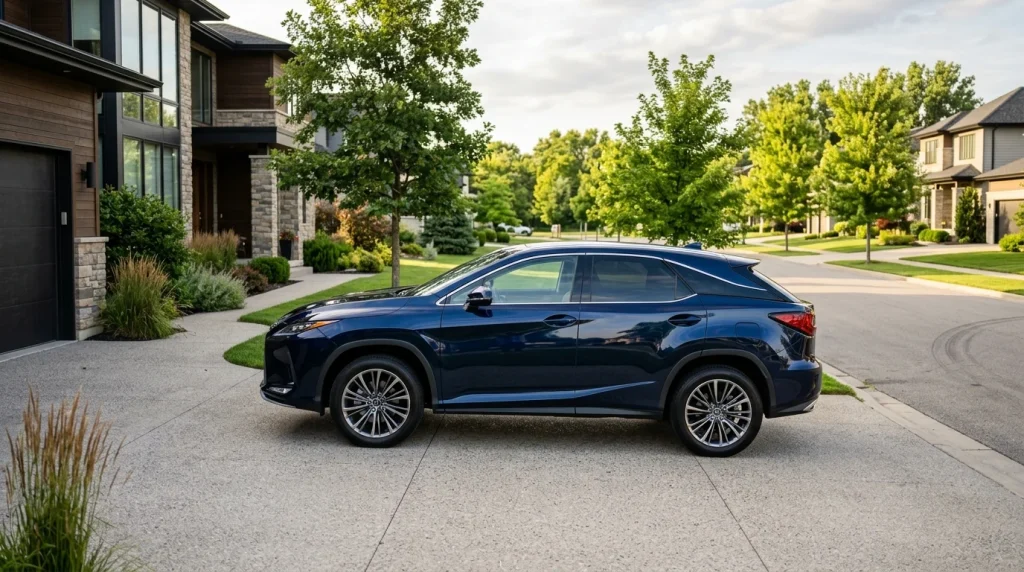
After driving away, the dealership sends the loan contract to the finance company, a process that takes 1 to 3 business days. The dealer also submits vehicle registration paperwork to the state department of motor vehicles. In states like California and New York, DMV registration backlogs can delay permanent plate delivery for up to 90 days. During this wait, drivers must display a temporary registration tag on their windshield or license plate bracket.
After the purchase is finalized, the lender will send payment instructions, with the first auto loan payment typically due 30 to 45 days after contract signing. While waiting for registration documents, buyers can plan aftermarket upgrades. For example, researching how much it costs to tint car windows allows owners to budget for styling and heat protection.
Frequently Asked Questions
Can I buy a car in one day?
Yes, same-day purchase is possible for prepared buyers who select an in-stock vehicle, bring pre-approved financing or cash, and have all required paperwork, completing the process in 1 to 3 hours.
How long does dealership financing take to approve?
Dealership financing approval ranges from instant for buyers with excellent credit to 24 to 48 hours for complex applications involving self-employment or weekend submissions.
Why does the F&I process take so long?
The Finance and Insurance process takes long because F&I managers must check credit, wait for lender approvals, print contracts, and present warranty packages while handling multiple customers.
What is the best day to buy a car quickly?
Tuesday and Wednesday afternoons are the best times to buy a car quickly because dealership foot traffic is low, reducing waits for sales and F&I managers.
How long does buying a used car take compared to new?
Buying a used car takes a similar showroom time of 2 to 5 hours but can take 1 to 3 days to finalize if you perform pre-purchase inspections and resolve title transfers.

