

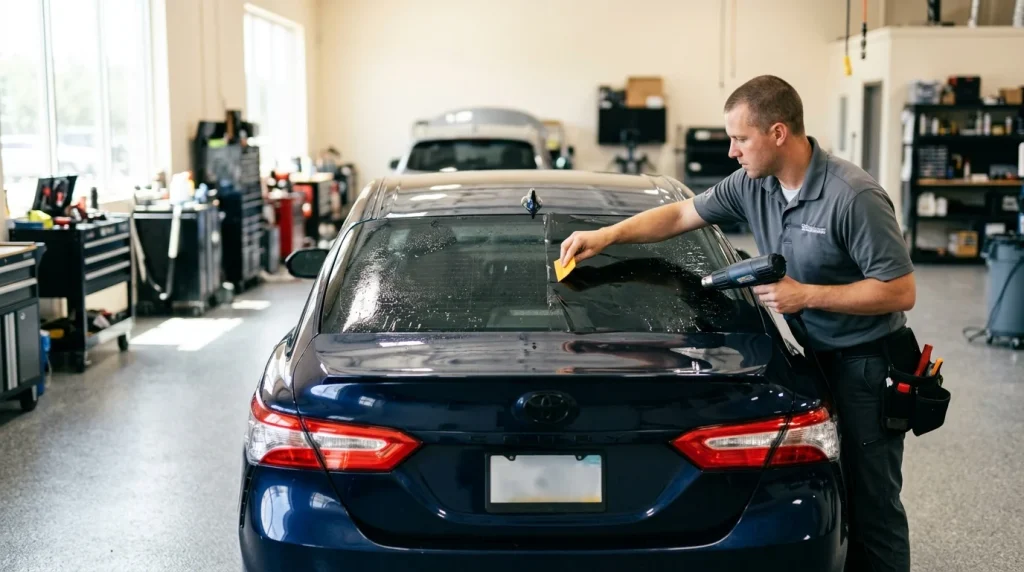
When determining how much does it cost to tint car windows, most vehicle owners can expect to pay between $100 and $900 for full-vehicle coverage in 2026, depending on the film technology, vehicle size, and local labor rates. A standard four-door sedan typically runs $200 to $500 with mid-grade carbon film, while larger SUVs and minivans range from $250 to $750. Premium nano-ceramic packages across all windows range from $350 to $900 due to advanced heat rejection capabilities and lifetime warranty backing.
Key takeaways:
- Film material is the single largest price driver: basic dyed films start around $100, durable carbon films range from $200 to $550, and high-performance ceramic coatings range from $350 to $900.
- Vehicle size and window complexity increase labor time, making large SUVs, crew-cab trucks, and panoramic glass models such as Tesla vehicles more expensive to tint.
- Professional installation includes precision computer-cut plotting, dust-free application, and lifetime warranty coverage against peeling or bubbling.
- State laws strictly regulate Visible Light Transmission (VLT) percentages, requiring between 25% and 70% light transmission on front side windows depending on your jurisdiction.
- Ceramic tint provides substantial long-term value by blocking up to 80% of infrared heat and 99% of UV rays, reducing cabin temperatures and air conditioning load.
What affects the cost of tinting car windows?
The final invoice for automotive window tinting reflects several interconnected variables rather than a simple flat fee. When evaluating quotes, vehicle owners must consider material composition, physical glass dimensions, technician labor rates, and compliance with regional traffic statutes.
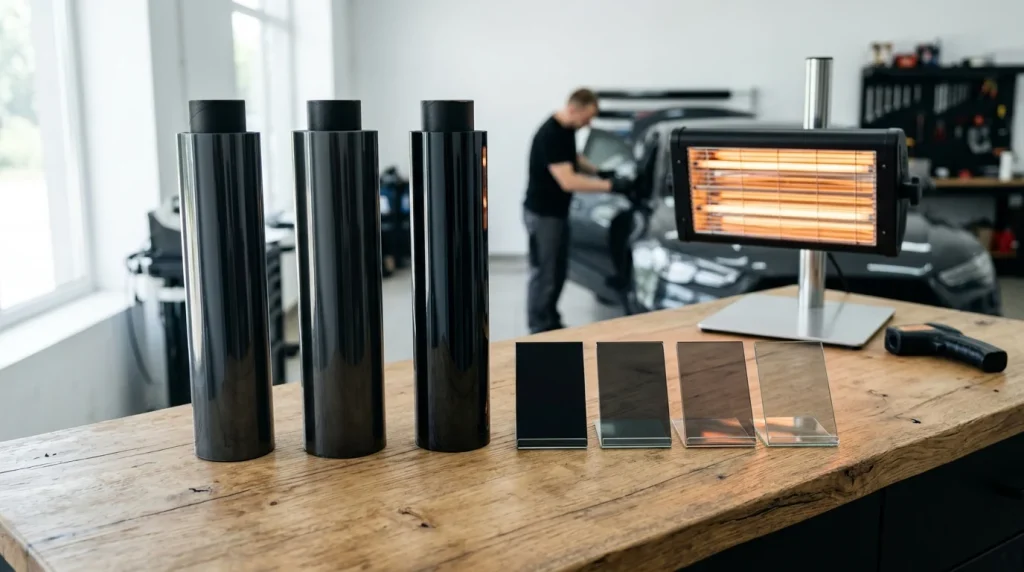
Much like deciding whether is it cheaper to wrap or paint a car when planning vehicle upgrades, investing in quality window film balances upfront expense against enduring surface protection. Protecting automotive glass also pairs with routine exterior maintenance, such as applying ceramic spray wax for cars to shield paint while window film insulates the cabin.
Film type and quality
The chemical composition and manufacturing grade of the window film account for roughly 60% to 70% of the total installation price. Basic dyed polyester films are the least expensive to produce but rely on heat absorption, which degrades quickly under intense sunlight.
Advanced films incorporate suspended carbon particles or non-conductive nano-ceramic coatings. Carbon films deliver a stable matte finish that resists fading, while ceramic films use microscopic ceramic particles to reflect infrared radiation directly. According to technical specifications published by the International Window Film Association (IWFA), ceramic technology provides the highest Total Solar Energy Rejection (TSER) ratings without interfering with electronic signals.
Vehicle size and window count
The total surface area of automotive glass directly dictates material consumption and preparation time:
- Two-door Coupes: Feature fewer windows and smaller side glass, requiring less material and approximately 1.5 to 2.5 hours of labor.
- Four-door Sedans: Feature standard front, rear, quarter, and back glass, serving as the industry benchmark for standard pricing packages ($200 to $500).
- SUVs and Crossovers: Require significantly larger rolls of film for extensive rear cargo glass and third-row side panels, increasing prices by $50 to $200 over sedans.
- Minivans and Passenger Vans: Contain the largest glass surface areas, requiring extra technician time to trim, heat-shrink, and position film across multiple side panes.
- Electric Vehicles with Panoramic Roofs: Models like the Tesla Model 3 feature a continuous curved rear window that extends over the passenger cabin, while vehicles like the Model Y feature large separate glass roof sections. Tinting these oversized or curved glass panes requires specialty wide-roll film and advanced heat-shrinking skill, pushing prices toward $600 to $950.
Tint percentage (VLT) and legality
Window tint darkness is measured by Visible Light Transmission (VLT), which indicates the percentage of outdoor light that passes through the film and glass combination:
- 5% VLT (“Limo Tint”): Blocks 95% of incoming light; almost completely dark from the exterior.
- 20% to 35% VLT: Moderate darkness; provides strong glare reduction and balanced privacy.
- 50% to 70% VLT: Very light or virtually clear; primarily chosen for UV and heat protection without altering vehicle appearance.
While VLT percentage rarely changes the material price within the same film series, legal restrictions dictate which darkness levels shops can legally install. Reputable installers verify state compliance before cutting film to prevent vehicle owners from receiving municipal traffic citations.
Installation labor and shop factors
Labor rates vary according to regional operating costs, installer expertise, and facility quality. Specialized automotive styling shops equipped with dedicated dust-free, climate-controlled clean bays charge higher hourly rates than general accessory retailers.
Installing window film on complex glass geometries requires high technical dexterity. Steep rear windshield angles, tight quarter windows, and defroster grid lines demand extensive heat-gun shaping to prevent creasing. In metropolitan areas, shop labor rates typically range from $75 to $150 per hour.
Warranties and aftercare
The presence of a manufacturer-backed warranty provides essential financial protection. Entry-level dyed films typically come with limited 1-year to 3-year warranties that exclude color shifting or adhesive failure.
Premium carbon and ceramic films from established brands include nationwide lifetime warranties. These agreements cover film replacement labor and materials if the product bubbles, peels, delaminates, or turns purple. Choosing an authorized installer ensures the warranty remains active even if you relocate to another state.
Cost ranges by film type
Understanding the four primary window film categories helps vehicle owners select the optimal balance of price, optical clarity, and thermal performance.
Solar heat entering through untreated glass significantly raises cabin temperatures, forcing vehicle climate systems to work harder during hot seasons. This thermal load can increase long-term car AC compressor replacement costs over years of sustained stress. Maintaining lower cabin baseline temperatures also eases electrical demand on the car blower motor during intense summer commutes.
| Film Technology | Average Full-Car Cost | Heat Rejection (IRR) | Expected Lifespan | Primary Benefit |
|---|---|---|---|---|
| Dyed Polyester | $100 – $300 | 10% – 25% | 2 – 5 years | Lowest upfront cost; basic glare reduction |
| Metalized Film | $150 – $400 | 35% – 50% | 5 – 8 years | Strong reflection; rigid scratch resistance |
| Carbon Film | $200 – $550 | 40% – 55% | 7 – 10+ years | Matte black finish; zero color fading |
| Nano-Ceramic | $350 – $900 | 60% – 85% | 10+ years / Lifetime | Maximum heat rejection; zero signal interference |
Dyed film
Dyed film is the most economical option on the market, ranging from $100 to $300 for a full vehicle. It consists of an adhesive base, a dyed polyester layer, and a protective top coat.
Dyed film works by absorbing solar energy rather than reflecting it. While it successfully reduces glare and provides daytime privacy, its thermal rejection capabilities remain modest. Over time, continuous exposure to solar ultraviolet rays breaks down organic dye compounds, causing the film to fade, turn a visible purple hue, or form adhesive bubbles within 2 to 4 years.
Metalized film
Metalized film costs between $150 and $400 for complete coverage. This material embeds microscopic metallic particles within the polyester layers to reflect both heat and UV radiation away from the glass.
Metalized films offer superior durability and scratch resistance compared to dyed alternatives. However, the embedded metal content creates a slightly reflective or mirrored exterior appearance. Furthermore, metal particles can obstruct radio frequencies, interfering with cell phone reception, radar detectors, and satellite GPS signals.
Carbon film
Carbon film ranges from $200 to $550 for a four-door vehicle and represents the preferred mid-tier standard for modern drivers. Instead of dye or metal, it uses microscopic carbon particles embedded directly within the film laminate.
Carbon film delivers a rich, non-reflective matte black finish that does not fade over time. It blocks approximately 40% to 55% of infrared heat while remaining 100% metal-free, ensuring uninterrupted mobile and navigation signals. For vehicle owners seeking durable aesthetics and dependable heat control without paying ceramic prices, carbon film provides an ideal balance.
Ceramic film
Nano-ceramic film represents the highest tier of automotive window protection, with professional packages ranging from $350 to $900 for standard vehicles, and up to $1,200 for multi-layer luxury installations.
Ceramic film incorporates non-conductive, microscopic ceramic nanoparticles that specifically target the infrared spectrum. According to health research documented by the Skin Cancer Foundation, quality automotive films block up to 99% of damaging UV-A and UV-B rays. In addition, ceramic nanoparticles reflect up to 85% of solar infrared heat without requiring metallic layers. Ceramic film maintains absolute optical clarity in low-light conditions, resists bubbling, and carries lifetime manufacturer warranty protection.
Is tinting worth it? Value assessment
Evaluating whether professional window tinting is worth the investment requires looking at thermal comfort, interior preservation, and operating efficiency over several years of vehicle ownership.
Installing high-grade ceramic tint provides passive cooling that reduces continuous demand on automotive air conditioning. Lowering cabin heat load helps maintain cooling efficiency without needing to check if your car AC compressor is working under excessive mechanical strain. Preventing severe interior heat buildup also protects engine cooling systems during hot summer idling, reducing the thermal stress that makes drivers watch for warning signs to tell if your car is overheating.
| Consideration | Standard Factory Glass | Budget Dyed Tint ($150) | Premium Ceramic Tint ($500) |
|---|---|---|---|
| UV Protection | 96%+ (windshield) / 70% – 80% (side & rear glass) | 95% – 98% | 99%+ on all windows |
| Infrared Heat Block | Under 20% | 15% – 25% | 60% – 85% |
| Signal Interference | None | None | None |
| Longevity | Permanent (bare glass) | 2 – 4 years (fades/bubbles) | 10+ years (lifetime warranty) |
| 10-Year Total Cost | $0 | $450 – $600 (3 replacements) | $500 (one-time investment) |
A one-time investment of $500 for professional ceramic window tinting costs less over a ten-year vehicle lifecycle than replacing budget dyed film two or three times. The continuous reduction in cabin heat preserves leather upholstery, prevents dashboard cracking, and enhances passenger comfort from day one.
Step-by-step guide to getting your car tinted
Securing a flawless tint installation requires structured preparation, careful shop selection, and disciplined post-installation care.
Preparing a vehicle for tinting follows cleanliness standards similar to how technicians clean a car after body repair to ensure no airborne dust or polishing residue interferes with surface bonding. Timing the project alongside other cosmetic work, such as knowing how long it takes to paint a car, ensures proper curing windows between exterior and interior enhancements.
Before you tint: legal checks and film selection
- Verify State VLT Limits: Research your state’s specific darkness regulations for front side glass, rear side glass, and back windshields to avoid non-compliant installations.
- Determine Primary Goals: Decide whether your main priority is visual privacy, basic glare reduction, or maximum heat rejection for pets and passengers.
- Compare Certified Installers: Look for authorized dealer certifications from reputable manufacturers such as 3M, XPEL, SunTek, or Llumar.
- Inspect Facility Cleanliness: Choose shops that apply film in enclosed, climate-controlled bays rather than open-air parking lots or shared mechanic stalls.
- Clean Interior Cabin: Vacuum interior footwells and wipe door panels to minimize airborne dust particles before arriving at your appointment.
During installation: what the installer does
- Surface Scrubbing: Technicians clean the interior and exterior glass using specialized slip solutions, razor scrapers, and lint-free scrub pads.
- Precision Plotting: The shop cuts the exact film contours using digital computer plotters tailored to your vehicle’s specific make, model, and year.
- Exterior Heat-Forming: Installers drape the film on the outside of the curved glass, using a commercial heat gun to shrink the film precisely to the curvature of the pane.
- Interior Application: The technician sprays slip solution on the inside glass surface, peels the protective release liner, aligns the film, and squeegees out the moisture from the center toward the edges.
- Edge Finishing: Technicians trim and heat-set the top micro-edges of the window film to ensure smooth travel past rubber window gaskets.
Aftercare: care and warranty activation
- Review Warranty Documents: Receive the manufacturer warranty card and receipt noting the exact film series, roll lot number, and VLT percentage.
- Inspect for Water Haze: Understand that small moisture pockets and minor haziness are normal during the first 48 to 72 hours while the mounting solution evaporates.
- Register Warranty Online: Submit your warranty certificate on the manufacturer portal to guarantee coverage across national dealer networks.
Maintenance and care after tinting
Proper aftercare ensures the adhesive bonds securely and the scratch-resistant hard coat remains optically clear for the lifetime of the vehicle.
Allowing window film to dry undisturbed requires keeping the vehicle in stable conditions. If storing the vehicle indoors while the adhesive sets, understand how long can a car sit without being driven to avoid battery drain during the curing period. Post-installation care also integrates with broader cosmetic maintenance, whether detailing trim or planning funds to fix a car bumper after minor road scrapes.
| Maintenance Aspect | Recommended Practice | Prohibited Practice |
|---|---|---|
| Window Operation | Keep windows rolled up for 3 to 5 days (depending on weather) | Rolling down windows within 72 hours |
| Initial Cleaning | Wait 7 to 10 days before first interior cleaning | Wiping damp glass during the first week |
| Cleaning Chemical | Ammonia-free glass cleaner or mild baby shampoo mix | Ammonia-based cleaners (e.g., standard Windex) |
| Cleaning Towel | Clean, plush microfiber towel | Paper towels, abrasive sponges, or squeegees |
| Seatbelt Release | Guide seatbelt buckles gently when unlatching | Allowing metal buckles to snap against glass |
Note: Ammonia is the most common cause of premature window tint degradation. Ammonia chemically dissolves the protective scratch-resistant coating, breaks down polyester adhesives, and turns dyed film into an opaque purple haze. Always verify that your interior glass cleaner is labeled ammonia-free.
Common questions about car window tint costs
How much does it cost to tint a 4-door sedan?
A standard four-door sedan costs between $200 and $500 for full coverage with quality carbon film. Budget dyed packages start around $150, while premium nano-ceramic packages range from $350 to $650 depending on local labor rates and brand tiers.
Is $500 too much for window tint?
No, $500 is an average, fair price for full-vehicle ceramic window tinting on a passenger car, or mid-grade carbon film on a large SUV. When $500 includes high-rejection nano-ceramic film from a recognized manufacturer with a lifetime nationwide warranty, it represents strong long-term value.
How long does window tinting take to cure?
Initial curing typically takes 3 to 5 days before you can safely roll down windows, depending on ambient temperature, humidity, and direct sunlight exposure. Full evaporation of moisture trapped beneath the film generally takes 2 to 3 weeks during warm summer conditions, and can extend up to 4 to 6 weeks in cold or damp winter weather.
Can I tint my car windows myself?
DIY window tint kits cost between $50 and $150, but successful installation is exceptionally difficult for beginners. Handling razor blades, shrinking curved rear glass with a heat gun, and working in non-sterile environments frequently causes dust contamination, creases, and peeling. Correcting a failed DIY job costs $100 to $200 for adhesive stripping plus the cost of professional re-tinting.
Does ceramic window tint reduce heat effectively?
Yes, ceramic window tint is highly effective at reducing interior heat. High-grade nano-ceramic films block 60% to 85% of solar infrared radiation and 99% of ultraviolet rays, keeping cabin surface temperatures up to 15 to 25 degrees Fahrenheit cooler during direct summer sun exposure.
Local considerations and regulations
Automotive window tint regulations in the United States are governed entirely at the state level. Traffic enforcement officers use portable optical tint meters to measure the net Visible Light Transmission of vehicle windows during standard roadside stops.
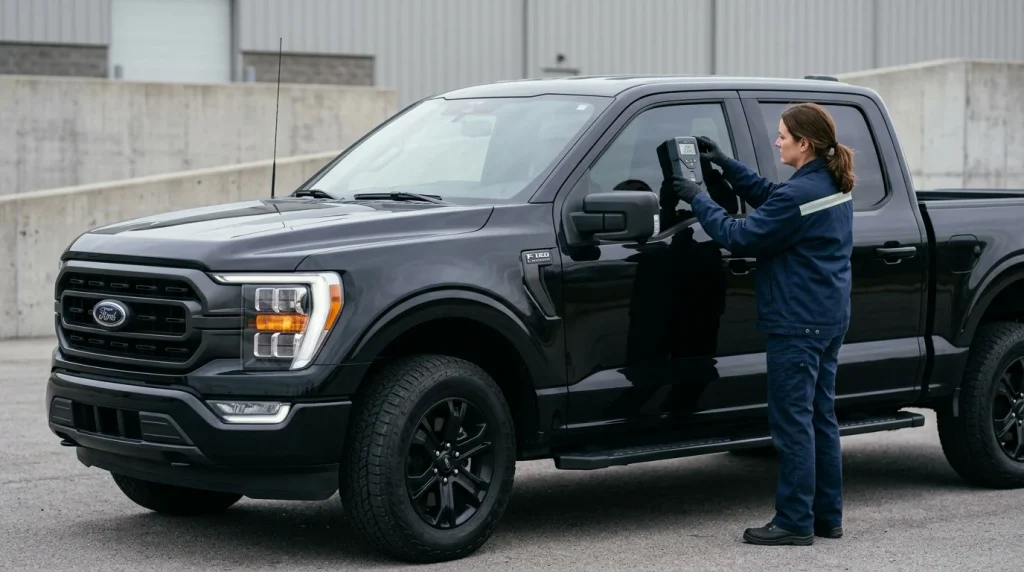
Understanding state compliance rules protects owners from costly fix-it citations. In states with strict annual vehicle safety inspections, such as reviewing compliance frameworks under the lemon law in Texas for used cars, inspection stations check glass light transmission before issuing approval decals. Furthermore, addressing general pre-inspection electrical faults, such as troubleshooting a car that will not jump start when interior lights turn on, helps ensure your vehicle passes all standard safety checkpoints without unexpected delays.
| State | Front Side Glass VLT | Rear Side Glass VLT | Back Windshield VLT | Windshield Sun Strip Limit |
|---|---|---|---|---|
| California | 70% VLT minimum | Any darkness allowed | Any darkness allowed | Top 4 inches |
| Texas | 25% VLT minimum | Any darkness allowed | Any darkness allowed | Top 5 inches or AS-1 line |
| Florida | 28% VLT minimum | 15% VLT minimum | 15% VLT minimum | Top 4 inches or AS-1 line |
| New York | 70% VLT minimum | 70% VLT (sedans) / Any (SUVs) | Any darkness allowed | Top 6 inches or AS-1 line |
| Arizona | 33% VLT minimum | Any darkness allowed | Any darkness allowed | Top 4 inches or AS-1 line |
| Illinois | 35% VLT minimum | 35% VLT minimum | 35% VLT minimum | Top 6 inches or AS-1 line |
If an installer fits window film that is darker than your state’s legal threshold, law enforcement can issue non-moving violation citations ranging from $50 to $250 per occurrence. Furthermore, vehicles with illegal tint fail state safety inspections, requiring mandatory film removal before registration renewal. Always request a written certificate of compliance from your tint installer to confirm your vehicle meets local statutory standards.

