

Quick answer:
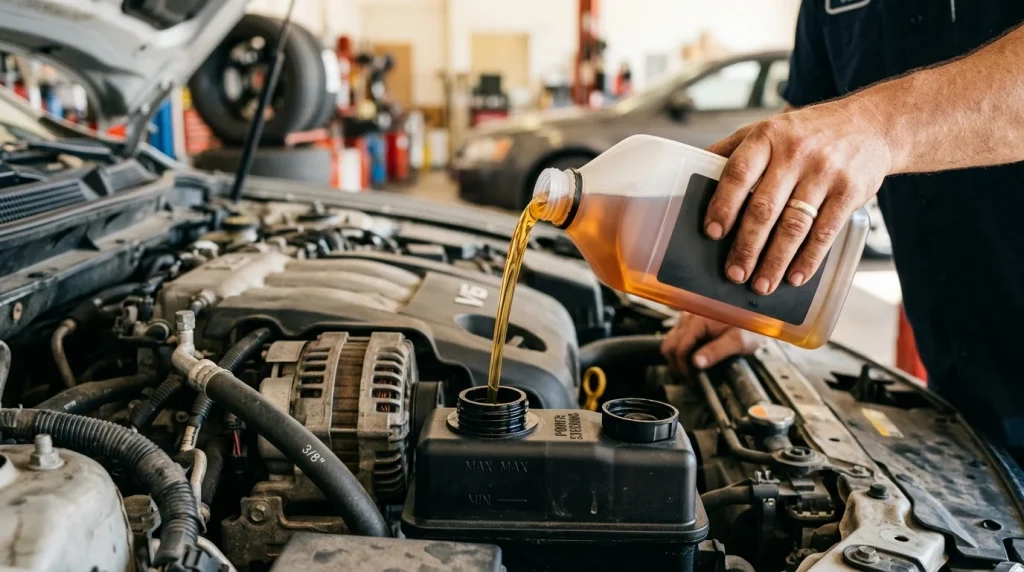
Most passenger cars require 1 to 2 quarts (0.95 to 1.9 liters) for a complete power steering system capacity fill. If you are performing a simple top-off, you will typically need only 4 to 8 ounces to reach the MAX fill line on your reservoir, which is rarely more than half a bottle. A full system flush generally requires purchasing 2 to 3 quarts to ensure enough clean fluid is available to flush out old contaminants.
Key takeaways:
- Total capacity for most light vehicles ranges from 1 to 2 quarts, with compact cars requiring less and full-size SUVs or heavy trucks requiring more.
- Topping off a slightly low reservoir usually takes less than half a quart (4 to 12 ounces) of fluid.
- Flushing the steering system requires buying 2 to 3 quarts because extra fluid is needed to force out old, dirty fluid from the pump and rack.
- Power steering fluids are manufacturer-specific and not universally interchangeable; using the wrong spec can destroy internal steering seals.
- Modern vehicles manufactured after 2010 often feature Electric Power Assist Steering (EPAS) and do not use power steering fluid at all.
Power Steering Fluid Capacity by Vehicle Type
Vehicle power steering fluid capacities differ based on the size of the steering rack, the length of the hydraulic lines, and the overall pump design. Smaller passenger cars have shorter lines and compact steering gears, meaning they hold far less fluid than heavy-duty utility vehicles.
The table below outlines the typical total system capacity and top-off fluid requirements for common vehicle classes:
| Vehicle Type | Total System Capacity | Typical Top-Off Volume |
|---|---|---|
| Compact / Sedan | 0.8 to 1.2 quarts | 4 to 8 ounces |
| Midsize Sedan | 0.9 to 1.4 quarts | 4 to 12 ounces |
| Full-Size Sedan | 1.0 to 1.5 quarts | 6 to 12 ounces |
| Compact SUV / Crossover | 1.0 to 1.4 quarts | 6 to 10 ounces |
| Full-Size SUV | 1.5 to 2.0 quarts | 8 to 16 ounces |
| Pickup Truck | 1.5 to 2.5 quarts | 8 to 16 ounces |
| Heavy-Duty Truck | 2.0 to 6.0+ quarts | 12 to 24 ounces |
While compact sedans from Asian manufacturers like Toyota or Honda hover around the 1-quart mark, American trucks and heavy-duty commercial setups require up to several quarts due to dual-return lines, larger fluid reservoirs, and sometimes hydroboost braking configurations that share the steering pump.
Capacity Specifications for Popular Models
Individual manufacturers outline exact capacities in their factory service manuals. Below are the precise specifications for three of the most widely driven hydraulic-steering models in the United States.
Ford F-150 Power Steering Fluid Capacity
For older or specific F-150 models equipped with hydraulic power steering, the total system capacity is approximately 1.5 to 2.0 quarts. This capacity varies depending on the engine size and model year. For example, older V8 models require up to 2.1 quarts to fill from completely empty. Ford specifies Mercon V or Mercon LV automatic transmission fluid for these hydraulic steering systems. Make sure to check the reservoir cap, as newer F-150 models built after 2011 have transitioned to electric steering setups.
Honda Civic Power Steering Fluid Capacity
The hydraulic power steering system on a Honda Civic requires approximately 0.85 to 1.0 quart (0.8 liters) for a complete system refill. The reservoir bottle itself holds only about 8.8 ounces (0.26 liters) of fluid, with the remaining volume distributed throughout the pump and lines. Honda systems are extremely sensitive to fluid chemistry. You must use genuine Honda Power Steering Fluid (PSF-II or PSF-V) or an equivalent formulated specifically for Honda vehicles, as generic fluids will damage the rack seals.
Chevy Silverado Power Steering Fluid Capacity
A Chevrolet Silverado 1500 steering system holds between 1.0 and 1.8 quarts of fluid. Larger heavy-duty variants, such as the Silverado 2500HD or 3500HD, can hold up to 2.3 quarts. These larger trucks utilize a hydroboost brake assist system, which relies on the power steering pump to provide brake pressure, thereby increasing the overall fluid capacity. GM recommends using GM-approved power steering fluid or a high-quality synthetic equivalent that meets GM specifications.
Top-Off vs. Full Flush: How Much Fluid to Buy
When purchasing power steering fluid, the amount you should buy depends on the specific service you are performing.
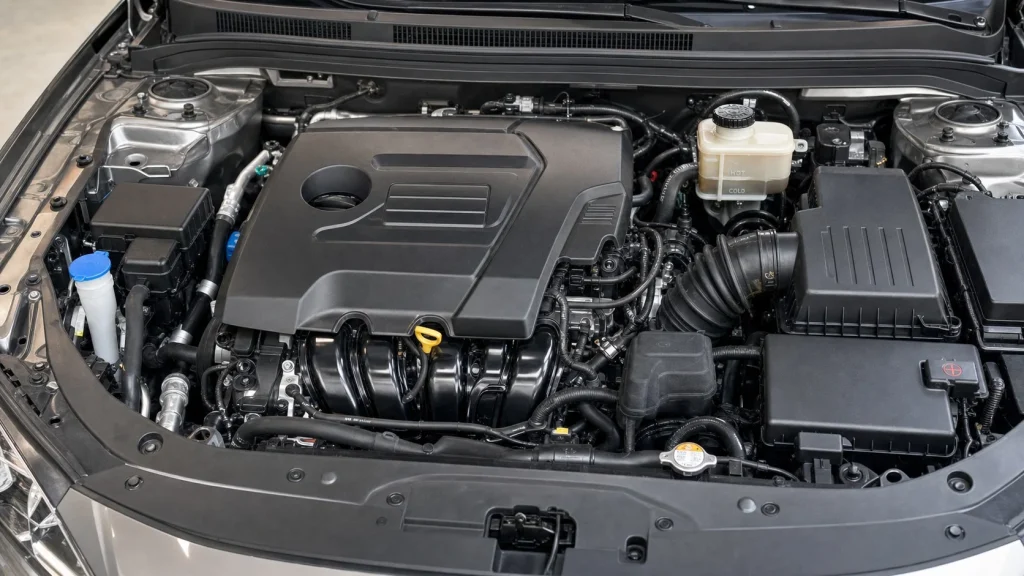
If you are only topping off a low reservoir, a single 12-ounce or 1-quart bottle is more than enough. You will likely only use a few ounces to bring the level from the MIN mark up to the MAX line. The remainder of the bottle can be stored in a dry place for future adjustments.
If you are performing a complete system flush, you must purchase at least 2 to 3 quarts. While the physical capacity of your vehicle’s steering system might only be 1.2 quarts, the flushing process requires running fresh fluid through the lines to push out the old, contaminated fluid. This means some fresh fluid will inevitably mix with the old during the process and exit through the return line, necessitating the extra volume.
Understanding total system capacities is crucial for any fluid service. Just like calculating how many quarts of oil your car takes before draining your engine, knowing your steering system’s total volume prevents dry-running your pump and causing permanent internal wear.
How to Check and Add Power Steering Fluid
Maintaining the correct fluid level is one of the easiest ways to extend the lifespan of your steering pump and steering rack.
Steps to Check Your Power Steering Fluid Level
- Locate the reservoir: Open the hood and look for a small, transparent or black plastic tank. The cap is usually labeled “Power Steering” or features a steering wheel icon.
- Clean the cap area: Wipe any dirt or debris off the cap before opening it to prevent contamination of the hydraulic system.
- Read the fluid markings: If the reservoir is transparent, check the fluid level against the markings on the outside. If the tank is black or metal, unscrew the cap and read the attached dipstick.
- Identify cold vs. hot levels: Most reservoirs have two sets of markings. Use the “Cold” lines if the vehicle has been parked for a few hours. Use the “Hot” lines if you have just driven the car.
- Inspect fluid condition: Clean fluid is bright red, pink, or light amber. If the fluid looks dark brown, black, or contains metal flakes, it is oxidized and requires a complete flush.
How to Safely Add Power Steering Fluid
If the level is below the MIN line, add fluid carefully using these guidelines:
- Pour incrementally: Add only 2 to 4 ounces at a time. The reservoir is small, and it is very easy to overfill the system.
- Use a clean funnel: A small funnel helps prevent spills, as power steering fluid can damage hot engine parts or rubber hoses.
- Circulate the fluid: Once the level reaches the cold MAX mark, replace the cap, start the engine, and slowly turn the steering wheel fully to the left and then fully to the right (lock-to-lock) three to five times. This bleeds air out of the lines.
- Recheck the level: Check the reservoir once more. The level may drop slightly as air bubbles escape. Add more fluid if necessary.
Avoid overfilling the reservoir. Overfilled fluid expands when heated during driving, which can build excess pressure, foam up, blow out of the cap, or damage pump seals.
Types of Power Steering Fluid and Compatibility
Power steering fluids are formulated with specific viscosities, friction modifiers, and anti-foaming agents. Using an incompatible fluid can cause the steering rack seals to swell, shrink, or leak, leading to a complete system failure.
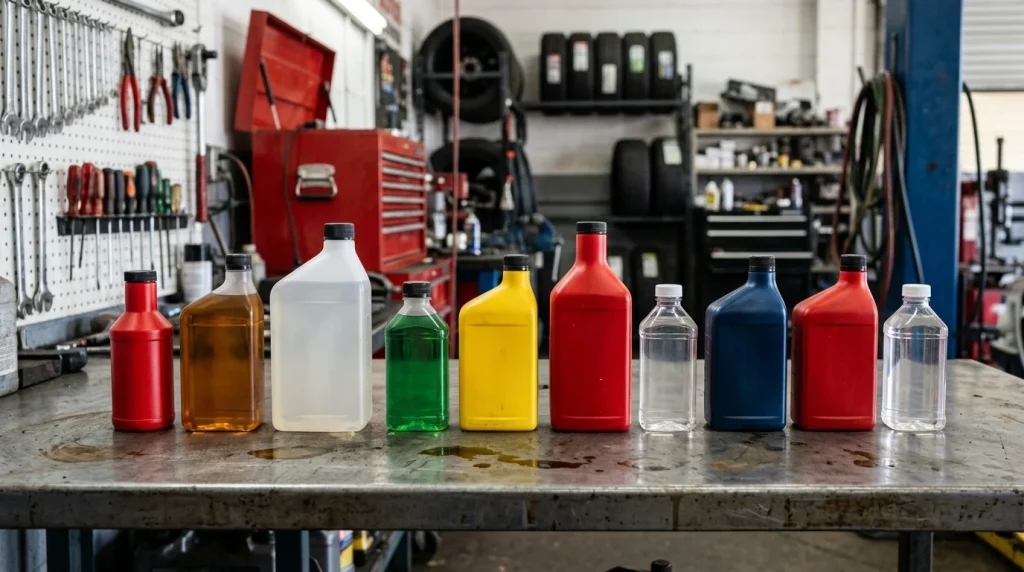
Below are the primary types of fluid used in modern hydraulic steering systems:
| Fluid Type | Primary Vehicle Applications | Key Characteristics |
|---|---|---|
| Dexron III / Mercon ATF | General Motors, older Ford models, and many Asian imports | Standard automatic transmission fluid used as steering fluid. |
| Mercon V / Mercon LV | Ford, Lincoln, and Mercury vehicles | High-viscosity fluid designed for Ford hydraulic systems. |
| Honda / Acura PSF | Honda and Acura vehicles | Unique chemical composition; generic fluids will damage seals. |
| Pentosin CHF 11S / CHF 202 | European vehicles (BMW, Audi, Volkswagen, Volvo) | Full-synthetic, high-performance fluid for extreme temperatures. |
| ATF+4 | Chrysler, Dodge, Jeep, and Ram vehicles | Synthetic automatic transmission fluid specified for FCA systems. |
| Universal PSF | Various older models | Multi-vehicle fluid; check label compatibility before use. |
European vehicles require strict compliance with manufacturer specs. Similarly, European vehicles often require proprietary fluids rather than universal alternatives, much like how you must choose a specific type of coolant for a BMW to avoid component degradation.
Signs Your Vehicle Is Running Low on Power Steering Fluid
Low hydraulic pressure within the steering system will produce clear warning signs before the system fails entirely.
- Whining or groaning noises: When fluid levels drop, air enters the pump. This causes a loud whining or groaning sound when you turn the steering wheel, which gets louder as you accelerate.
- Increased steering effort: The steering wheel will feel heavy, stiff, or difficult to turn, especially at parking lot speeds when hydraulic assist is needed most.
- Slipping or jerky steering: You may feel momentary losses of power assist while turning, resulting in a jerky sensation in the steering wheel.
- Puddles under the engine bay: Red, pink, or brown oily spots under the front of your car point to a leak in the hoses, pump, or steering rack.
In European vehicles like Audis, running on low steering fluid or using incompatible fluid can lead to hydraulic pressure drops, which might trigger warnings on your dashboard similar to an Audi drive system malfunction due to the integrated safety and drive control sensors.
When Power Steering Fluid Isn’t Required (Electric Steering Systems)
If you own a modern car built within the last decade, you may not find a power steering fluid reservoir under your hood. Most modern cars have transitioned from hydraulic power steering to Electric Power Assist Steering (EPAS).
EPAS replaces the hydraulic pump, high-pressure hoses, and steering fluid with an electric motor mounted directly to the steering column or steering rack. An electronic control unit (ECU) monitors steering inputs and commands the motor to provide assistance.
This transition offers several key benefits:
- Zero fluid maintenance: There are no hoses to leak, no fluid to check, and no system flushes required.
- Improved fuel economy: Hydraulic pumps run constantly off the engine accessory belt, wasting fuel. Electric steering motors only draw power when you turn the wheel.
- Integrated safety features: Electric steering allows for advanced driver assistance systems (ADAS) like lane-keep assist, automated parking, and lane centering.
If your vehicle manual does not specify a power steering fluid type and there is no cap with a steering wheel icon under the hood, your car is equipped with electric steering and does not require fluid.
Frequently Asked Questions
How much power steering fluid should I buy?
For a simple reservoir top-off, purchase one 12-ounce or 1-quart bottle. If you are doing a complete system flush or replacing components like the steering rack, purchase 2 to 3 quarts to ensure you have enough clean fluid to clear out all old contaminants.
Can I use ATF instead of power steering fluid?
You can only use Automatic Transmission Fluid (ATF) if your vehicle manufacturer explicitly recommends it in the owner’s manual. Many Ford, Toyota, and GM vehicles use ATF (such as Dexron III or Mercon V) as their factory steering fluid, but others, like Honda or BMW, require dedicated proprietary fluids.
How often should I check power steering fluid?
Check your fluid level at least once every six months, or during every oil change. A healthy steering system is sealed and should not lose fluid. If the level drops repeatedly, you have a leak that needs immediate professional inspection.
What happens if I overfill power steering fluid?
Overfilling creates excess pressure, which can blow past the rubber seals in the steering rack or pump, leading to leaks. Additionally, the excess fluid can expand, foam up, and spill onto hot engine components, creating a potential fire hazard.
Why does my power steering fluid keep getting low?
Unlike engine oil, steering fluid does not burn off. If your fluid levels drop repeatedly, you have a hydraulic leak. Common leak points include worn pump shaft seals, split pressure hoses, loose fittings, or failing seals at the ends of the steering rack.
For more expert maintenance guides and automotive advice, explore our latest auto news.

