

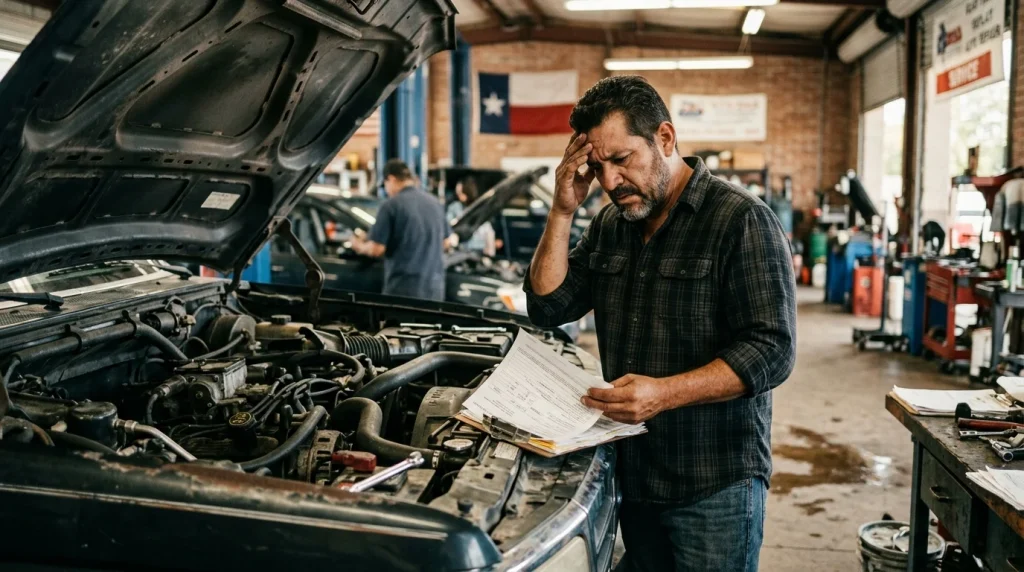
Quick answer: To understand what is the lemon law in texas for used cars, you must know that the law covers used vehicles only if they are purchased while still under the active original manufacturer’s factory warranty. The law requires manufacturers to repair, replace, or refund vehicles with substantial defects that persist after a reasonable number of repair attempts. If you bought a used car “as-is” or with a dealer-only warranty, the Lemon Law does not apply to your vehicle. However, Texas consumers still have legal recourse under the Texas Deceptive Trade Practices Act if a dealer actively concealed known defects or misrepresented the vehicle’s condition at the time of sale.
Key takeaways:
- The Texas Lemon Law (Occupations Code Chapter 2301, Subchapter M) applies only to used vehicles with active manufacturer warranties.
- A vehicle is legally presumed to be a lemon if it fails the Four-Times Test, the Serious Safety Hazard Test, or the 30-Day Test.
- You must file a Lemon Law complaint with the Texas Department of Motor Vehicles within six months of warranty expiration.
- The Texas Deceptive Trade Practices Act protects used car buyers from dealer fraud, even in “as-is” transactions.
- The federal Magnuson-Moss Warranty Act holds warrantors accountable if they fail to honor written dealer or third-party warranties.
Does the Texas Lemon Law Apply to Used Cars?
Buying a used vehicle can be a practical financial decision, especially when compared to buying new or choosing to lease a car which requires strict credit guidelines. However, if that used vehicle begins to experience chronic mechanical failures shortly after purchase, you may wonder if you have any protection.

The short answer is yes, but only under narrow circumstances. The Texas Lemon Law does not have a separate, dedicated statute for used cars. Instead, a used car only qualifies for protection if the original manufacturer’s express warranty is still active at the time the defect occurs and is reported to the dealer.
This means Lemon Law coverage generally applies to:
- Low-mileage used cars that are less than a few years old.
- Certified Pre-Owned (CPO) vehicles, provided the remaining factory warranty is transferred to the new owner (dealer-backed CPO extended warranties do not qualify).
- Demonstrator vehicles (“demos”) sold by dealerships with active factory coverage.
If the manufacturer’s warranty has expired, or if the vehicle was sold “as-is” without any written warranty, the Texas Lemon Law cannot help you. In those cases, you must look to other state and federal consumer protection statutes for relief.
How the Texas Lemon Law Works for Covered Used Cars
The statutory basis for the state’s lemon law is codified in the Texas Occupations Code Chapter 2301, specifically under Subchapter M. The law is administered and enforced by the Texas Department of Motor Vehicles (TxDMV) rather than the state court system.
To qualify for relief under the statute, the vehicle’s defect must meet three general criteria:
- It must be covered by an active manufacturer’s warranty.
- It must substantially impair the vehicle’s use, market value, or safety.
- It must persist after a “reasonable number of attempts” by an authorized dealership to repair the defect.
The Three Presumption Tests for Warranty Defects
To establish what constitutes a “reasonable number of attempts,” the TxDMV utilizes three distinct presumption tests. A vehicle is legally presumed to be a lemon if it meets any one of the following criteria:
- The Four-Times Test: The vehicle is taken to the dealership four or more times for the same defect within the warranty period, and the problem continues to exist. At least two repair attempts must occur within the first 12 months or 12,000 miles of delivery, and the remaining two attempts must occur in the subsequent 12 months or 12,000 miles.
- The Serious Safety Hazard Test: The defect is a life-threatening malfunction that creates an immediate risk of bodily injury, fire, or explosion (such as steering failure, complete brake failure, or fuel system leaks). The vehicle must be taken for repair at least twice: once in the first 12 months or 12,000 miles, and once more in the next 12 months or 12,000 miles, with the hazard remaining unresolved.
- The 30-Day Out-of-Service Test: The vehicle is out of service at the dealership for repairs due to warranty defects for a cumulative total of 30 days or more during the first 24 months or 24,000 miles. At least two of these days must occur within the first 12 months or 12,000 miles.
Texas Lemon Law Filing Deadlines for Used Cars
If your used vehicle meets the criteria above, you must act quickly. The TxDMV enforces strict statutes of limitations. A formal Lemon Law complaint must be filed within the earliest of the following milestones:
- Six months after the expiration of the manufacturer’s express warranty;
- 24 months from the date of the vehicle’s original delivery to the first retail owner; or
- 24,000 miles driven from the date of the vehicle’s original delivery to the first retail owner.
Note: For used car buyers, the 24-month and 24-point-mile limits do not start when you purchased the used car. They are calculated from the date the vehicle was originally delivered as new to its very first owner. This makes the six-month post-warranty window the most common filing path for used car buyers who purchase near the tail end of a factory warranty.
The Written Notice and Final Repair Attempt Requirement
Before you can file an administrative complaint with the TxDMV, you must perform a mandatory pre-filing step. You must provide the manufacturer with written notice of the defect and one final opportunity to repair the vehicle.
This process involves:
- Writing a formal letter that identifies the vehicle by its Vehicle Identification Number (VIN), make, and model.
- Specifying the exact defect and detailing the history of prior repair attempts, including dates and dealership names.
- Sending the letter via certified mail, return receipt requested, directly to the manufacturer’s regional office (not to the local dealership where you had the vehicle serviced).
Once the manufacturer receives the certified mail, they typically have 10 days to contact you and arrange a final repair attempt at an authorized service facility. If they fail to resolve the defect during this final attempt, or if they decline to respond, you are clear to file a formal complaint with the TxDMV.
Texas Deceptive Trade Practices Act: A Stronger Option for Used Cars
For the vast majority of used car buyers in Texas, the state Lemon Law is unavailable because the factory warranty has already expired. In these situations, the most viable legal alternative is the Texas Deceptive Trade Practices-Consumer Protection Act (DTPA), which is codified in the Texas Business and Commerce Code Chapter 17, beginning at Section 17.41.
The DTPA protects consumers against false, misleading, or deceptive acts by sellers. In a used car transaction, a dealer violates the DTPA if they engage in any of the following prohibited practices:
- Hiding a known salvage or rebuilt title history.
- Actively lying about the vehicle’s accident history or flood damage.
- Rolling back or tampering with the odometer to misrepresent the actual mileage.
- Making false statements about the status of a warranty or the history of mechanical issues.
- Representing a vehicle as being of a particular standard, quality, or grade if it is not.
Unlike the Lemon Law, a DTPA claim does not require the vehicle to have an active manufacturer’s warranty. It focuses entirely on whether the seller committed fraud or misrepresentation to induce you to buy the car.
Understanding “As-Is” Used Car Sales in Texas
Many dealers claim that selling a vehicle “as-is” completely shields them from any future liability. This is a common legal misconception.
An “as-is” agreement operates on the law of warranties. Under Texas Business and Commerce Code Section 2.316, an “as-is” clause effectively disclaims implied warranties, such as the implied warranty of merchantability. This means the seller is not liable if the car simply breaks down due to normal wear and tear after you drive off the lot.
The Magnuson-Moss Warranty Act: Federal Protection
The federal Magnuson-Moss Warranty Act, codified at 15 U.S.C. §§ 2301-2312, provides a third avenue of protection. This federal statute applies whenever a dealer or manufacturer provides a written warranty on a consumer product, including a used car.
If a dealership provides you with a written dealer warranty (such as a 30-day powertrain warranty) and then refuses to perform covered repairs or drags out the repair process indefinitely, they are in violation of federal law.
Key advantages of the Magnuson-Moss Act include:
- Fee-Shifting Provision: If you prevail in a lawsuit, the court can order the dealer to pay your reasonable attorney’s fees. This makes it financially feasible for consumers to hire legal representation for disputes where the repair costs are relatively small.
- Longer Statute of Limitations: Unlike the tight deadlines of the Texas Lemon Law, Magnuson-Moss claims in Texas typically carry a four-year statute of limitations from the date the breach of warranty occurs.
How to Protect Yourself When Buying a Used Car in Texas
Given the legal hurdles of pursuing Lemon Law or DTPA claims after a purchase, your best defense is prevention. Use the following steps to avoid buying a problem vehicle:
- Verify the Manufacturer’s Warranty: Ask the dealer for the vehicle’s original in-service date. Contact an authorized manufacturer dealership with the VIN to verify exactly how much time and mileage remain on the factory warranty.
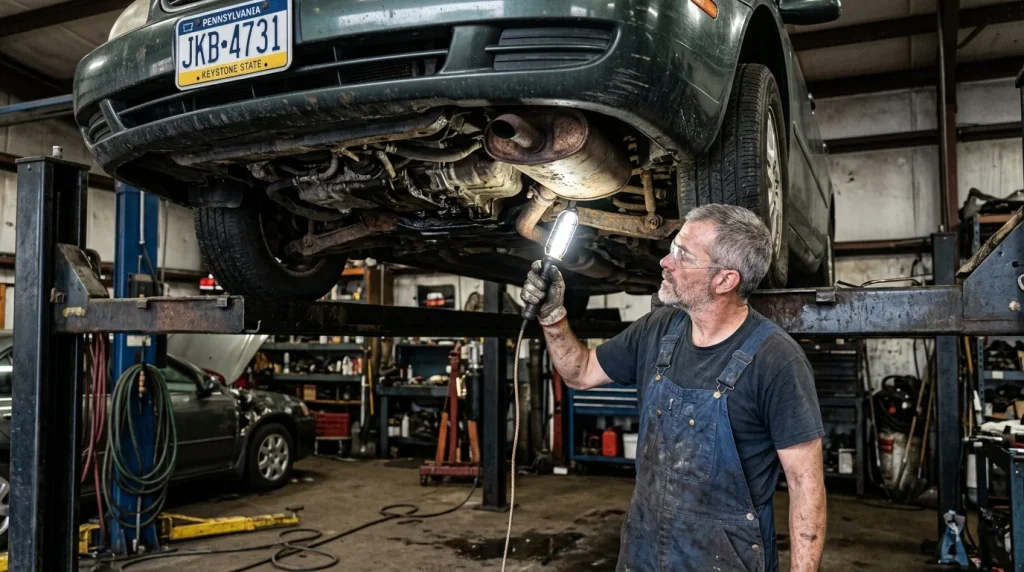
- Order an Independent Pre-Purchase Inspection (PPI): Never rely solely on a dealer’s multi-point inspection. Pay an independent mechanic $100 to $200 to inspect the engine, transmission, frame, and electrical systems before signing any paperwork.
- Analyze the Vehicle History Report: Review a Carfax or AutoCheck report to look for title discrepancies, odometer readings, and past accidents. Remember that if airbags deploy, the car is often considered totaled by insurance companies due to high replacement costs. If a dealer tries to sell a car with a clean title that has experienced major airbag deployment without disclosing it, they are exposing themselves to DTPA liability.
- Compare Pricing Against MSRP: When evaluating certified pre-owned or low-mileage used cars, compare the dealer’s asking price against the vehicle’s original MSRP (Manufacturer’s Suggested Retail Price) to ensure you are not overpaying for depreciated technology.
If you suspect you bought a defective used car or were misled by a dealer in Texas, gather your purchase agreement, FTC Buyer’s Guide, and all repair invoices. Check the status of your warranty immediately, and consult a consumer protection attorney to evaluate your legal options under the DTPA or Magnuson-Moss Act.
For more automotive guides and market research, visit the Autvex news hub.

