You may also like:
- 【Explained】What Is More Expensive: BMW or Mercedes? (Cost of Ownership)
- 【Explained】What Did BMW Start Making Before Cars? (From Planes to Cars)
- 【Explained】What Is the Difference Between a BMW X3 and X5? (A 2025 Buyer’s Guide)
- 【Explained】What Is More Reliable: BMW or Mercedes? (Repair Costs)
- 【Explained】What Type of Gas Do BMW Take? Premium Fuel, Octane, and Knocking Explained
Rolls-Royce Motor Cars is BMW Group’s ultra-luxury brand, acquired in 2003 and positioned above BMW’s own premium vehicles as the pinnacle of automotive exclusivity. BMW Group’s portfolio includes BMW (premium/luxury), Rolls-Royce (ultra-luxury), MINI (premium small cars), and BMW Motorrad (motorcycles), creating a comprehensive luxury automotive ecosystem.
What Is the Luxury Brand of BMW – Direct Answer
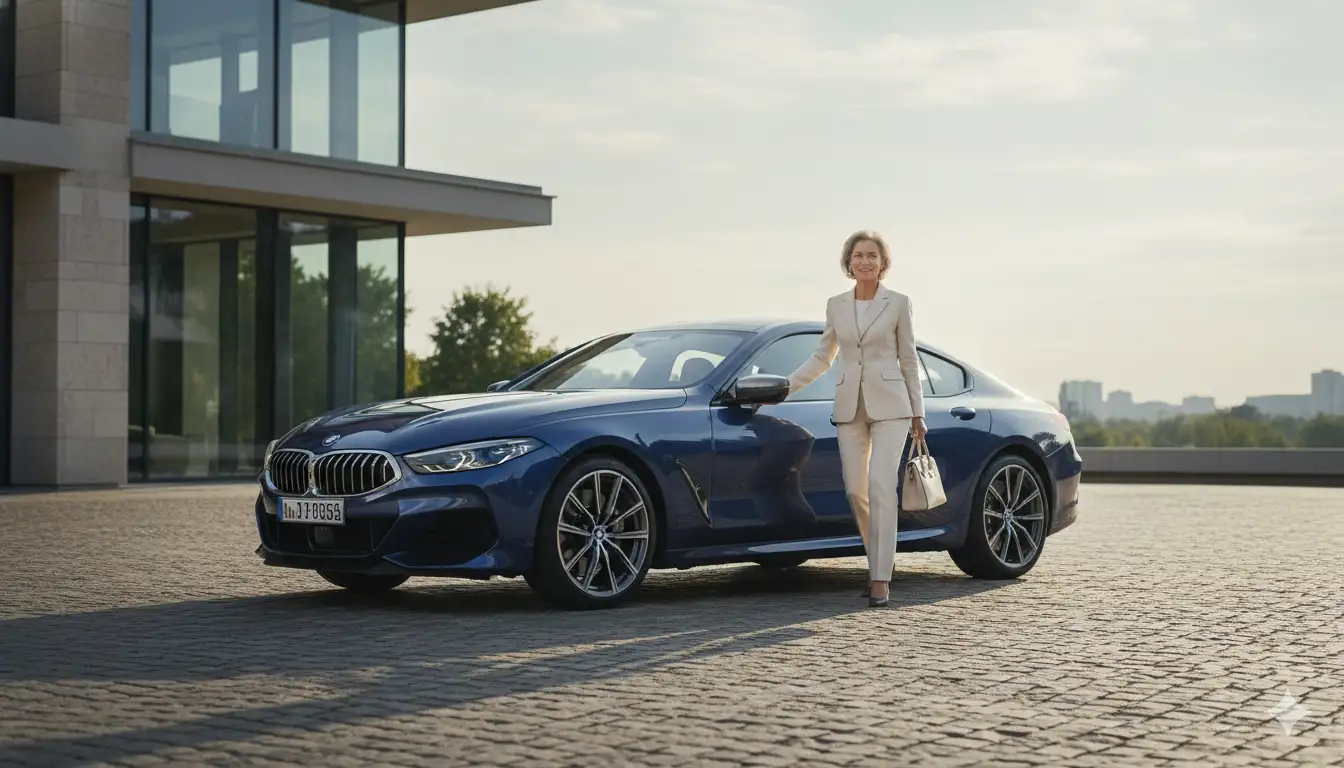
Understanding BMW’s luxury brand hierarchy starts with recognizing that BMW itself operates in the premium/luxury segment, but the crown jewel of ultra-luxury within the BMW Group is unmistakably Rolls-Royce Motor Cars.
Rolls-Royce Ownership by BMW
BMW Group has owned Rolls-Royce Motor Cars as a wholly-owned subsidiary since January 1, 2003, following a complex acquisition process that began in 1998[1]. The acquisition cost BMW £40 million for the brand rights, plus significant investment in creating a new manufacturing facility at Goodwood, England. This ownership structure means every Rolls-Royce vehicle produced today benefits from BMW’s engineering expertise while maintaining its distinct ultra-luxury identity.
The relationship between BMW and Rolls-Royce extends beyond simple ownership. Rolls-Royce vehicles utilize BMW technology, including engines and electronic systems, but these components are extensively modified and refined to meet Rolls-Royce’s exacting standards. According to Autvex luxury market analysts, this synergy allows Rolls-Royce to focus on bespoke craftsmanship while leveraging BMW’s advanced engineering capabilities.
BMW Ultra-Luxury Brand Positioning
Rolls-Royce occupies a unique position in BMW Group’s portfolio as the ultra-luxury marque, with vehicles starting at approximately $400,000 and extending to over $595,000 for the Phantom Extended Wheelbase[2]. This positioning places Rolls-Royce several tiers above even BMW’s most expensive models, creating clear market segmentation without internal competition.
The brand serves an exclusive clientele seeking bespoke, handcrafted vehicles that represent the ultimate expression of luxury. Each Rolls-Royce requires up to six months to build, with extensive customization options through the brand’s Bespoke program, which accounts for nearly every vehicle sold.
Difference Between BMW and Rolls-Royce
While both brands exist within the BMW Group, they serve distinctly different market segments and philosophies. BMW emphasizes “The Ultimate Driving Machine” with performance-oriented luxury, while Rolls-Royce focuses on “effortless, everywhere” luxury with an emphasis on passenger comfort and exclusivity.
| Aspect | BMW | Rolls-Royce |
|---|---|---|
| Market Position | Premium/Luxury | Ultra-Luxury |
| Price Range | $39,600 – $160,500 | $400,000 – $595,000+ |
| Production Volume | ~2.5 million annually | ~6,000 annually |
| Manufacturing | Global facilities | Single facility (Goodwood) |
| Philosophy | Performance luxury | Bespoke craftsmanship |
BMW Group Brands List and Hierarchy
The BMW Group’s brand portfolio represents a carefully orchestrated hierarchy designed to capture different market segments without internal cannibalization.
BMW Group Brands Portfolio Overview
The BMW Group operates four distinct brands: BMW, MINI, Rolls-Royce Motor Cars, and BMW Motorrad (motorcycles)[3]. This portfolio generated €142.6 billion in revenue in 2023, making BMW Group one of the world’s most successful premium automotive manufacturers. Each brand maintains its unique identity while benefiting from shared technology and development resources.
The strategic positioning ensures comprehensive market coverage from the MINI Cooper at $29,500 to the Rolls-Royce Phantom at $595,000, effectively spanning the entire premium and luxury automotive spectrum. For comparison with competitors, readers can explore how BMW models stack up against rivals.
BMW Ownership Structure and Subsidiaries
BMW AG is a publicly traded company (Bayerische Motoren Werke AG) listed on the Frankfurt Stock Exchange, with no single majority owner. The Quandt family remains the largest shareholder with approximately 46.7% ownership through various holdings. This structure provides stability while allowing public investment.
Beyond the automotive brands, BMW Group operates BMW Financial Services, providing leasing and financing solutions globally. The company also maintains strategic partnerships for technology development, particularly in electric vehicle and autonomous driving sectors.
When Did BMW Acquire Rolls-Royce
The Rolls-Royce acquisition saga began in 1998 when Vickers plc decided to sell the brand. Initially, Volkswagen outbid BMW with £430 million, but VW’s purchase didn’t include the crucial Rolls-Royce name and logo rights, which belonged to Rolls-Royce plc (the aerospace company)[1]. BMW secured these rights for £40 million due to existing business relationships with Rolls-Royce plc.
After complex negotiations, BMW and Volkswagen reached an agreement: starting January 1, 2003, BMW would take full control of Rolls-Royce, while Volkswagen retained Bentley. This gave BMW time to establish the Goodwood manufacturing facility and develop the first BMW-era Rolls-Royce Phantom.
How Many Car Brands Are in the BMW Group
The BMW Group owns three automotive brands (BMW, MINI, Rolls-Royce) plus BMW Motorrad for motorcycles, totaling four brands[3]. This focused portfolio contrasts with competitors like Volkswagen Group’s twelve brands or Stellantis’s fourteen brands, reflecting BMW’s strategy of maintaining fewer, stronger premium brands.
Each brand operates with significant autonomy while sharing underlying technologies and platforms where appropriate. This approach maximizes efficiency while preserving brand identity.
Is BMW Itself a Luxury Brand
The classification of BMW as premium versus luxury sparks ongoing debate among automotive enthusiasts and industry analysts.
BMW Premium vs Luxury Classification
BMW occupies a unique position straddling the premium and luxury segments, with entry-level models like the 2 Series Gran Coupe qualifying as premium while higher-end models like the 7 Series and 8 Series compete directly with traditional luxury brands. Industry analysts typically classify BMW as a “premium brand with luxury offerings” rather than pure luxury.
The distinction matters for market positioning and pricing strategy. Premium brands emphasize performance, technology, and prestige, while luxury brands prioritize comfort, exclusivity, and craftsmanship. BMW successfully combines elements of both, which explains its broad market appeal.
BMW 7 Series Luxury Features
The BMW 7 Series represents the brand’s flagship luxury sedan, competing directly with the Mercedes-Benz S-Class and Audi A8. Standard features include Nappa leather upholstery, a Bowers & Wilkins Diamond Surround Sound System, and BMW’s Theatre Screen with 31-inch 8K resolution for rear passengers[4].
The i7 electric variant adds cutting-edge technology like BMW’s Curved Display, featuring a 12.3-inch instrument cluster flowing into a 14.9-inch infotainment screen. These features position the 7 Series firmly in luxury territory, demonstrating BMW’s capability to compete at the highest levels.
BMW M-Division Luxury Performance
BMW’s M Division represents the intersection of luxury and high performance, creating vehicles that deliver supercar performance with premium amenities. Models like the M5 CS and M8 Competition offer over 600 horsepower while maintaining the comfort and technology expected in luxury vehicles.
M Division vehicles command premium prices, with the M8 Competition Coupe starting at approximately $140,000. These models feature exclusive materials like Merino leather, carbon fiber trim, and performance-oriented technology that justifies their luxury classification.
Brands Comparable to BMW (Mercedes, Audi)
BMW’s primary competitors in the premium/luxury segment are Mercedes-Benz and Audi, forming the German “Big Three.” Each brand offers similar model ranges and price points, though with distinct philosophies:
- Mercedes-Benz: Emphasizes comfort and traditional luxury
- BMW: Focuses on driving dynamics and performance
- Audi: Prioritizes technology and understated elegance
According to Autvex market research, BMW typically leads in driving engagement scores while Mercedes excels in comfort ratings and Audi dominates in technology integration metrics.
Other BMW Group Brands Beyond Luxury
BMW Group’s portfolio extends beyond traditional luxury vehicles to capture different market segments and customer demographics.
Does BMW Own Mini
Yes, BMW has owned MINI since acquiring the Rover Group in 1994, though BMW sold most Rover brands by 2000, retaining only MINI[2]. Under BMW ownership, MINI was completely reimagined for the 2001 model year, transforming from a budget British icon into a premium small car brand.
MINI operates as a separate division within BMW Group, with its own design studios, marketing teams, and brand identity. The Oxford, England plant serves as MINI’s primary manufacturing facility, maintaining the brand’s British heritage.
Purpose of MINI in BMW Group Portfolio
MINI serves as BMW Group’s entry-level premium brand, attracting younger buyers and urban customers who might not otherwise consider BMW products. With starting prices around $30,000, MINI provides an accessible entry point to the BMW Group family while maintaining premium features and build quality.
The brand also serves as a testing ground for new technologies and design concepts. MINI’s early adoption of electric powertrains with the MINI Cooper SE helped BMW Group gain valuable experience before launching broader electrification efforts.
BMW Motorrad Brand Overview
BMW Motorrad, the company’s motorcycle division, has produced motorcycles since 1923, predating BMW’s car production. The division offers everything from sport bikes to adventure touring motorcycles, with prices ranging from $7,000 to over $30,000 for premium models.
In 2023, BMW Motorrad sold 210,408 motorcycles globally, maintaining its position as a leader in the premium motorcycle segment. The division contributes significantly to BMW Group’s profitability while enhancing the overall brand image.
BMW Group Brands Mini, Rolls-Royce, Motorrad Complete List
The complete BMW Group portfolio consists of:
- BMW: Premium/luxury automobiles and SUVs
- MINI: Premium small cars and crossovers
- Rolls-Royce Motor Cars: Ultra-luxury bespoke vehicles
- BMW Motorrad: Premium motorcycles and scooters
This focused portfolio allows BMW Group to maintain strong brand identities while achieving economies of scale through shared development and technology.
Ultra-Luxury Context and Market Comparison
Understanding Rolls-Royce’s position requires examining the broader ultra-luxury automotive landscape.
BMW vs Mercedes Ultra-Luxury (Rolls-Royce vs Maybach)
The rivalry between Rolls-Royce (BMW) and Maybach (Mercedes-Benz) represents the ultimate expression of German automotive luxury competition. While Maybach was discontinued in 2013 and later revived as Mercedes-Maybach, a sub-brand offering ultra-luxury versions of S-Class and GLS models, Rolls-Royce maintains its position as a standalone ultra-luxury brand.
Rolls-Royce’s dedicated facility and bespoke approach contrasts with Mercedes-Maybach’s platform-sharing strategy. Rolls-Royce delivered 6,032 vehicles globally in 2023, while Mercedes-Maybach sales exceeded 20,000 units, reflecting different approaches to the ultra-luxury market[5].
Luxury Car Holding Groups (VW, BMW, Daimler)
Major automotive groups control most luxury brands globally:
- BMW Group: Rolls-Royce, BMW, MINI
- Mercedes-Benz Group: Mercedes-Benz, Mercedes-Maybach, Mercedes-AMG
- Volkswagen Group: Bentley, Lamborghini, Bugatti, Porsche, Audi
- Stellantis: Maserati, Alfa Romeo
BMW Group’s focused approach with fewer brands contrasts with Volkswagen’s extensive portfolio, allowing for more concentrated investment in each brand’s development and marketing.
Rolls-Royce Price Range
Rolls-Royce vehicles represent the pinnacle of automotive pricing, with 2025 models ranging from:
| Model | Starting MSRP |
|---|---|
| Ghost | $400,000 |
| Cullinan SUV | $420,000 |
| Spectre EV | $500,000 |
| Phantom | $505,000 |
| Phantom EWB | $595,000 |
These prices represent base configurations; with Bespoke customization, final prices often exceed $700,000. The most expensive Rolls-Royce ever commissioned, the Boat Tail, reportedly cost over $28 million.
Rolls-Royce Spectre (BMW i) Connection
The Rolls-Royce Spectre, launched in 2023, represents the brand’s first fully electric vehicle and demonstrates the technology transfer from BMW’s i division. Built on BMW’s Architecture of Luxury platform, the Spectre shares fundamental EV technology with BMW’s electric vehicles while maintaining Rolls-Royce’s unique character[6].
The Spectre’s development benefited from BMW’s extensive EV experience through models like the i4 and iX, accelerating Rolls-Royce’s transition to electrification. By 2030, Rolls-Royce plans to become a fully electric brand, leveraging BMW’s continued investment in battery and motor technology.
Key Takeaway
Rolls-Royce Motor Cars is BMW Group’s ultra-luxury brand, positioned above the BMW premium brand itself and representing the pinnacle of automotive luxury. BMW Group’s portfolio includes BMW (premium/luxury), Rolls-Royce (ultra-luxury), MINI (premium small cars), and BMW Motorrad (motorcycles), creating a comprehensive luxury automotive ecosystem.
Next Steps
Research specific models within each BMW Group brand to understand positioning differences. Visit local dealerships to experience the distinct brand identities firsthand—many BMW dealerships can arrange Rolls-Royce viewings through special programs.
Compare BMW Group’s portfolio strategy with competitors like Mercedes-Benz Group or Volkswagen Group to understand luxury market dynamics. For those interested in purchasing a luxury vehicle, consider starting with BMW or MINI to experience the group’s philosophy before moving up to Rolls-Royce.
Explore BMW Group’s financial reports to understand how each brand contributes to overall profitability. Follow industry news about upcoming electric models across all brands, as electrification will significantly impact the luxury automotive landscape through 2030.
Frequently Asked Questions
Does BMW own Rolls-Royce or is it independent?
BMW Group has owned Rolls-Royce Motor Cars since 2003, operating it as a wholly-owned subsidiary producing ultra-luxury vehicles at Goodwood, England.
Is Mini considered a luxury car brand by BMW?
MINI is positioned as a premium brand within BMW Group, sitting below BMW’s luxury tier but above mainstream brands in pricing and features.
Who owns BMW and what other companies does it own?
BMW AG is publicly traded with no single majority owner. BMW Group owns BMW, MINI, Rolls-Royce Motor Cars, and BMW Motorrad motorcycle division.
What is the difference between BMW and Rolls-Royce?
BMW is a premium/luxury brand emphasizing performance and technology, while Rolls-Royce represents ultra-luxury with bespoke craftsmanship and exclusivity at significantly higher price points.
What is the most luxurious BMW model currently made?
The BMW 7 Series, particularly the i7 electric variant, represents BMW brand’s flagship luxury sedan with the highest levels of technology and comfort.
Is BMW a luxury car or a premium car?
BMW is classified as both premium and luxury depending on the model, with entry-level models being premium and higher-end models like 7 Series being true luxury.
Does Volkswagen or BMW own Bentley?
Volkswagen Group owns Bentley, not BMW. BMW owns Rolls-Royce as its ultra-luxury brand competing with Bentley.
How many car brands are in the BMW Group?
BMW Group owns four main brands: BMW, MINI, Rolls-Royce Motor Cars, and BMW Motorrad (motorcycles).
When did BMW start making Rolls-Royce cars?
BMW began producing Rolls-Royce vehicles in 2003 after acquiring the rights to use the Rolls-Royce name and establishing the Goodwood manufacturing facility.
References
- BMW Group Press. (2025). Upper Echelon: BMW Group revives Rolls-Royce Motor Cars for the modern era. https://www.press.bmwgroup.com/usa/article/detail/T0451873EN_US/
- SlashGear. (2025). 3 Car Brands Owned By BMW. https://www.slashgear.com/1936685/car-brands-owned-by-bmw/
- BMW Group. (2025). Brands & Business Segments of BMW Group. https://www.bmwgroup.com/en/company/brands-products.html
- BMW USA. (2025). BMW 7 Series Luxury Features and Specifications. https://www.bmwusa.com
- Best Selling Cars. (2025). 2024 Full Year Global Rolls-Royce Worldwide Car Sales. https://www.best-selling-cars.com/brands/2024-full-year-global-rolls-royce-worldwide-car-sales/
- Rolls-Royce Motor Cars. (2025). Rolls-Royce Spectre Electric Luxury Grand Tourer. https://www.press.rolls-roycemotorcars.com

I am a senior automotive analyst at Autvex. Expert vehicle evaluations, in-depth reviews, and objective analysis helping readers make informed automotive decisions with years of industry experience.