

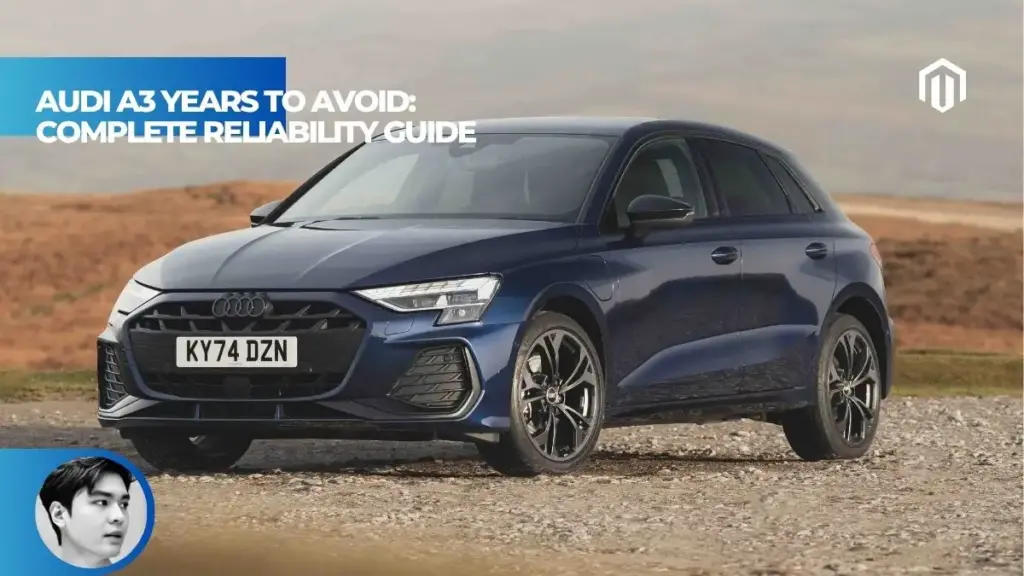
If you are buying a used Audi A3, you should absolutely avoid the 2015 model year due to catastrophic engine failures and excessive oil consumption. You should also be highly cautious with the 2006-2012 models due to expensive DSG transmission problems. For the best reliability, look for the 2019-2022 model years, which feature a refined MQB platform and resolved water pump issues.
Key takeaways:
- The 2015 Audi A3 (first year of the 8V generation) suffers from severe engine and water pump failures that can cost over $4,000 to replace.
- Older 8P generation models (2006-2012) are plagued by DSG mechatronic unit failures.
- TFSI engines across older generations are prone to carbon buildup, requiring chemical cleaning every 60,000 miles.
- The 2019-2022 models offer the sweet spot of modern technology, lower depreciation, and high reliability scores.
The Absolute Worst: 2015 Audi A3
The 2015 Audi A3 is widely considered the worst model year in the vehicle’s history because it suffers from excessive oil consumption, water pump leaks, and catastrophic engine failures that can cost between $4,000 and $14,000 to replace in 2026.
The 2015 model was the first year of the redesigned 8V generation (MQB platform) in the United States. As is common with completely new platforms, early adopters became unintentional beta testers. According to automotive data analysts at Bumper, the 2.0-liter TFSI engine in the 2015 A3 is notorious for burning oil at an alarming rate, often requiring owners to top up every 1,000 miles. If the oil runs too low, the engine’s internal bearings can seize. Furthermore, the plastic water pump housings on these early 8V models frequently crack and leak coolant, leading to sudden overheating. Because of the labor-intensive nature of Audi engine bays, even minor cooling system repairs can easily exceed $1,000 at a dealership.
2006–2012 Audi A3: The DSG Disaster Era (8P Generation)
You should avoid the 2006 through 2012 Audi A3 models because their Direct-Shift Gearbox (DSG) automatic transmissions are prone to premature mechatronic unit failures, costing $2,000 to $5,000 to repair.
The second-generation A3 (known as the 8P) was one of the first mass-market cars to utilize a dual-clutch transmission. While it offered lightning-fast shifts when new, the “electronic brain” of the transmission—the mechatronic unit—has proven to be highly unreliable over time. Symptoms of a failing mechatronic unit include violent jerking when accelerating from a stop, hesitation when shifting gears, and the dreaded “PRNDS” flashing light on the dashboard. Because these cars are now well over a decade old, a $4,000 transmission rebuild often exceeds the actual cash value of the vehicle itself.
Additionally, if you are looking at diesel variants from this era, specifically the 2.0 TDI models from 2004 to 2008, you must be wary of oil pump drive failures. The hexagonal drive shaft can round off, instantly starving the engine of oil pressure and causing total engine destruction.
Carbon Buildup: A Hidden Cost on Older TFSI Engines
Direct-injected TFSI engines in older Audi A3s suffer from severe carbon buildup on the intake valves, which requires a specialized walnut-blasting cleaning service every 60,000 to 80,000 miles.
Unlike older port-injected engines where gasoline washes over the intake valves to keep them clean, Audi’s TFSI (Turbo fuel stratified injection) sprays fuel directly into the combustion chamber. Over thousands of miles, oil vapors from the PCV system bake onto the dry intake valves, forming thick, hardened carbon deposits. This chokes the engine of air, leading to rough idling, engine misfires on cold mornings, and poor fuel economy. If you are buying a used A3 with over 60,000 miles, ask the seller for a receipt proving the valves have been cleaned; otherwise, you will need to budget $500 to $800 for this inevitable maintenance item.
The Best Audi A3 Years to Buy (2019–2022)
The best used Audi A3 models to buy are from the 2019 to 2022 model years, as they feature the fully refined MQB platform with updated water pumps, stronger engine internals, and upgraded infotainment systems.
By 2019, Audi had largely ironed out the severe mechanical flaws that plagued the early 8V generation. The experts at Capital Motor Cars note that these later model years benefit from the third generation of the EA888 2.0T engine, which features revised piston rings that finally resolved the excessive oil burning issues. The DSG transmissions in these years are also significantly more robust.
While no German luxury car is as cheap to run as a Honda Civic, these later A3s are predictable. The average annual maintenance cost for a 2019-2022 Audi A3 hovers around $900, which covers standard fluid changes, brakes, and minor wear items—a much better financial proposition than gambling on a 2015 model. If you are debating between models, you might also want to read our guide on best Audi sedans for a broader perspective on the brand’s reliable options.
How to Inspect a Used Audi A3 Before Buying
Before purchasing any used Audi A3, you must verify the service history for regular DSG fluid changes (every 38,000 miles), listen for timing chain rattles on cold starts, and check for signs of water pump leaks.
A pre-purchase inspection (PPI) by an independent mechanic who specializes in European cars is mandatory, not optional. Have the mechanic specifically check:
- The Transmission Fluid History: The DSG transmission requires expensive fluid and filter changes every 38,000 to 40,000 miles. If this was skipped, walk away immediately.
- Timing Chain Tensioners: On older 2.0T engines, listen for a distinct metallic rattling noise for the first 3 seconds after a cold start. This indicates a failing timing chain tensioner, which is a $1,500+ repair.
- Coolant Leaks: Look for pink or purple crusty residue around the water pump (located under the intake manifold on the 2.0T).
Frequently Asked Questions
What is the worst year for the Audi A3?
The 2015 model year is universally ranked as the worst Audi A3 to buy. As the first year of a major redesign, it generated a massive volume of owner complaints regarding sudden engine failure, excessive oil burning, and faulty water pumps that cost thousands of dollars to fix.
Do all Audi A3s have transmission problems?
No. The severe DSG (Direct-Shift Gearbox) transmission issues are primarily isolated to the second-generation (8P) models built between 2006 and 2012. Models built from 2017 onwards feature highly refined and reliable S-tronic dual-clutch transmissions.
Is the Audi A3 expensive to maintain in 2026?
Yes, like most luxury German vehicles, the Audi A3 requires a higher maintenance budget. On average, owners spend around $900 annually on standard maintenance and minor repairs, though catastrophic failures on bad model years will cost significantly more.

