

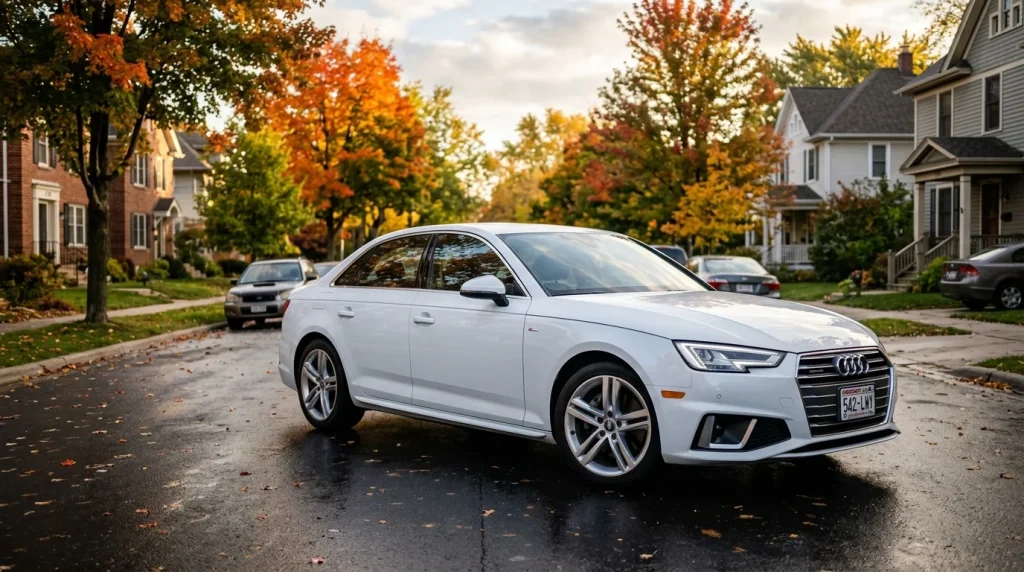
Quick answer: The 2019 Audi A4 is a highly refined compact luxury sedan representing the final model year of the pre-facelift B9 generation. It offers two power outputs from its EA888 2.0-liter turbocharged engine: the fuel-efficient 40 TFSI FWD with 188 hp and the performance-focused 45 TFSI Quattro AWD with 248 hp. Buyers praise its quiet cabin, standard leather upholstery, and physical MMI dial controls, though they must inspect for plastic water pump coolant leaks and verify the completion of the safety recalls.
Key takeaways:
- The 2019 model features updated front and rear bumpers, along with sleek trapezoidal exhaust outlets replacing the old round tips.
- Drivetrains are exclusively automatic, featuring a fast-shifting 7-speed S tronic dual-clutch transmission after the manual gearbox was retired.
- The interior retains the physical rotary MMI controller, which many owners prefer over the distracting touchscreen system introduced in 2020.
- Used market values have settled between $14,500 and $18,500, offering premium luxury characteristics for the price of a basic new compact car.
What’s New for the 2019 Audi A4?
The 2019 Audi A4 introduced minor exterior styling updates and trim enhancements, representing the final year of the pre-facelift B9 design before the 2020 model’s touchscreen overhaul. Being the final year of the original B9 platform, which debuted for the 2017 model year, the 2019 variant benefits from the resolution of early model-year mechanical bugs while maintaining the clean, conservative body lines that define classic Audi sedans.
On the exterior, the entry-level sedan received a sportier front bumper design characterized by prominent pentagonal air inlets on the lower corners, housing textured U-shaped accents. The rear bumper was also redesigned to integrate a fresh diffuser layout featuring dual trapezoidal exhaust outlets, which replaced the simple round dual-exhaust tips from previous years. A new Titanium package was introduced for the base Premium trim, offering drivers a sport-tuned suspension, 18-inch contrast-gray wheels, and blacked-out exterior trim elements.
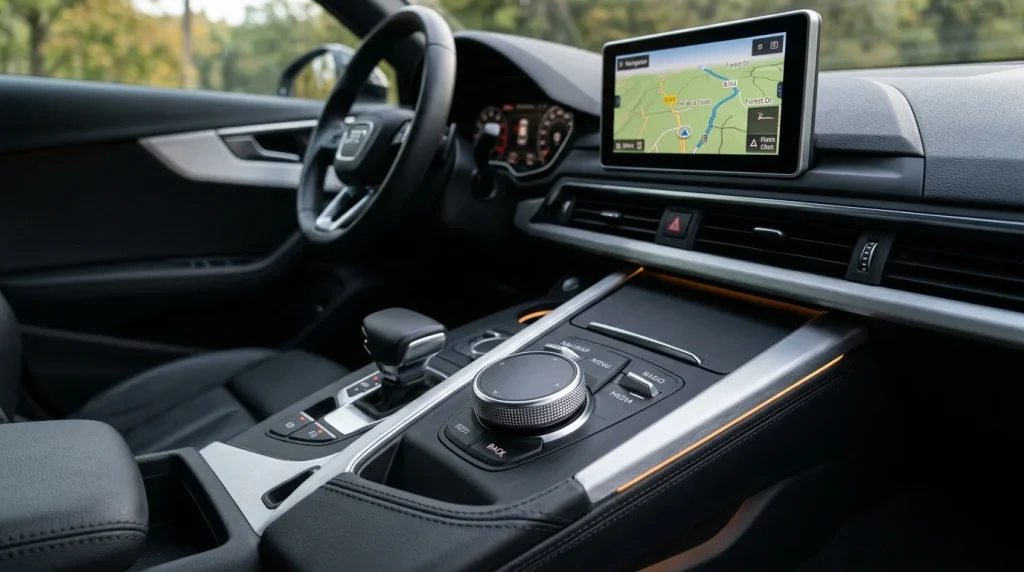
Inside the cabin, the mid-tier Premium Plus trim standardized the Audi phone box, a useful storage compartment located under the center armrest that features wireless smartphone charging and an integrated antenna amplifier to boost cell signals. Mechanically, the manual transmission was retired, meaning every US-market 2019 model relies on the 7-speed dual-clutch transmission. The infotainment system remains controlled by the physical rotary wheel on the center console, a feature that many drivers prefer over the touchscreen introduced in the 2020 update.
Engine Performance and Drivetrain Options
The performance of a used 2019 Audi A4 is determined by the specific version of the EA888 Gen 3 2.0-liter turbocharged inline-four engine fitted under the hood. While both configurations share the same base engine block and direct fuel injection technology, they are tuned to deliver distinct driving characters, targeting different priorities of fuel efficiency and speed.
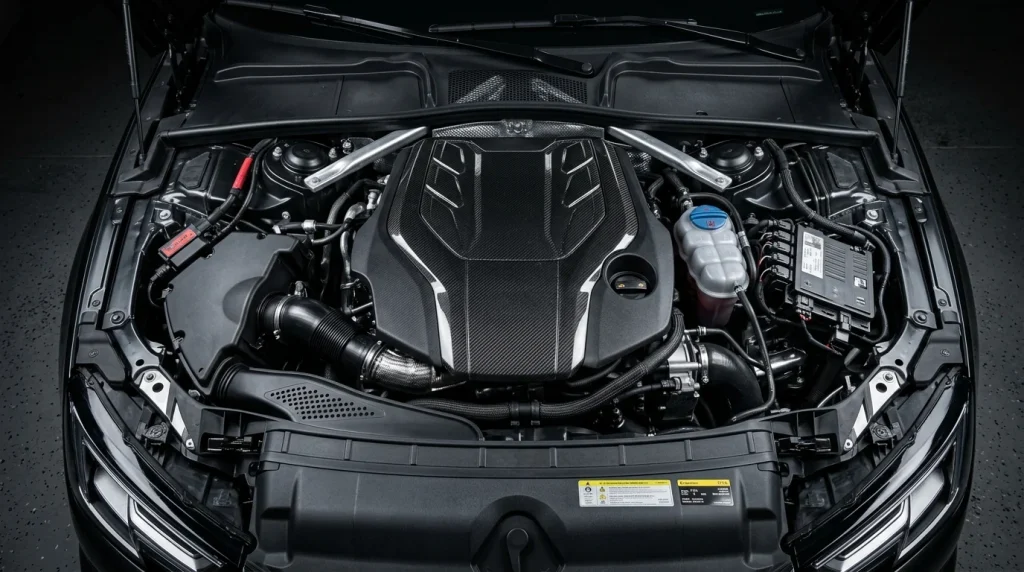
The standard engine tune is labeled as the 40 TFSI. This front-wheel-drive configuration operates on the fuel-saving Budack combustion cycle, which alters intake valve timing to maximize thermal efficiency under light loads. It produces 188 horsepower at 4,200 rpm and 236 lb-ft of torque at a low 1,450 rpm. According to official specification details from the Audi US A4 2019 Brochure, this FWD model has a curb weight of 3,450 lbs, enabling a respectable 0-60 mph acceleration time of 7.1 seconds.
For enthusiast drivers, the high-output 45 TFSI variant is the clear choice. This version utilizes a standard Otto cycle tune to produce 248 horsepower at 5,000 rpm and 273 lb-ft of torque starting at 1,600 rpm. The high-output engine is paired exclusively with the Quattro all-wheel-drive system. The extra grip and power allow the 45 TFSI Quattro to accelerate from 0-60 mph in just 5.6 seconds, with some independent testers recording times as low as 5.2 seconds when using the built-in launch control feature. Both configurations route their power through the 7-speed S tronic dual-clutch automatic transmission, which offers rapid gear changes and steering-wheel-mounted shift paddles.
Fuel Economy and Real-World MPG
The lightweight construction of the B9 platform, which incorporates high-strength steel and aluminum panels, allows the vehicle to achieve excellent fuel efficiency ratings that rival non-luxury compact sedans. The EPA fuel economy ratings differ depending on the engine tune and drivetrain.
The front-wheel-drive 40 TFSI FWD is the efficiency leader, achieving EPA-estimated ratings of 27 mpg city, 34 mpg highway, and 30 mpg combined. The high-output 45 TFSI Quattro AWD drops slightly due to the added weight of the all-wheel-drive system, rated at 23 mpg city, 34 mpg highway, and 27 mpg combined. Official fuel economy listings can be cross-checked on FuelEconomy.gov, which confirms that both configurations offer competitive highway numbers for the luxury sedan segment.
In real-world highway testing, the B9 platform regularly outperforms its official EPA estimates. Cruising at 70 mph on the highway, the 45 TFSI Quattro can easily average 35 to 37 mpg, thanks to its low 0.27 drag coefficient and tall seventh gear ratio that keeps engine speeds low. Owners must note that both the 40 TFSI and 45 TFSI engines require premium unleaded gasoline (91 octane or higher) to prevent engine knock and maintain the rated power output.
Interior Comfort, Cargo Space, and Infotainment
The cabin layout of the 2019 model year remains highly regarded for its ergonomic design, build quality, and material selection. Rather than relying on overwhelming touchscreens, the interior emphasizes clean horizontal lines, premium soft-touch plastics, and physical controls that can be operated by feel.
Every 2019 model comes standard with leather seating surfaces, three-zone automatic climate control, and heated 8-way power front seats. Upgraded Premium Plus and Prestige models include driver memory settings and a heated steering wheel. The cabin environment is exceptionally quiet at highway speeds due to extensive sound insulation and underbody panels. The Prestige trim goes further by adding dual-pane acoustic glass for the front side windows, isolating occupants from wind and tire noise.
The standard infotainment system features a 7-inch dashboard-mounted screen, which upgrades to an 8.3-inch screen on models equipped with navigation. Both setups include standard Apple CarPlay and Android Auto connectivity, operated via the physical MMI rotary dial controller located on the center console. The highlight of the technology package is the available Audi Virtual Cockpit. This 12.3-inch digital instrument cluster replaces traditional physical dials and can display a full-color navigation map directly behind the steering wheel, providing a highly customizable display for the driver.
For utility, the sedan offers a trunk cargo capacity of 13 cubic feet. While this volume is average for the compact luxury segment, the trunk opening is wide and flat. The standard 40-20-40 split-folding rear seats can fold completely flat, allowing owners to slide longer items like skis or outdoor gear into the cabin without losing both rear passenger seats.
2019 Audi A4 Trim Levels and Standard Equipment
Buyers shopping the secondary market will find three primary trim levels, each representing a step up in safety systems, driver convenience, and interior technology.
The Premium trim is the entry point but offers generous standard equipment. Standard features include 17-inch alloy wheels, automatic xenon headlights with LED signature daytime running lights, a sunroof, leather seats, heated front seats, three-zone climate control, and a 10-speaker sound system. Safety equipment includes Audi pre sense basic and pre sense city, which provides automatic emergency braking to mitigate low-speed frontal collisions.
The Premium Plus trim is the most common and represents the sweet spot for used buyers. It adds 18-inch alloy wheels, full LED headlights, keyless engine start and entry, driver seat memory, auto-dimming exterior mirrors, and the Audi phone box for wireless charging. For audio enthusiasts, it standardizes the Bang & Olufsen 3D sound system, which features 19 speakers, a 755-watt amplifier, and custom speaker trim. It also adds rear cross-traffic alert and front and rear parking sensors.
The Prestige trim is the technology leader. It features standard 12.3-inch Virtual Cockpit, the larger 8.3-inch center display with navigation, and a head-up display that projects speed and turn directions onto the windshield. The driver assistance package is standard on this trim, bringing adaptive cruise control with traffic jam assist, active lane assist, and a 360-degree top-view camera. It also includes dual-pane acoustic glass for maximum silence.
Popular options packages to look for include the Sport Package, which adds a firmer sport suspension (lowering the car by 0.9 inches), front sport seats with adjustable thigh support, and a black cloth headliner. The Cold Weather Package adds heated rear seats and a heated steering wheel, while the Warm Weather Package brings ventilated front sport seats and rear manual side shades.
Reliability, Common Problems, and Maintenance
Used car reliability surveys rank the B9 platform significantly higher than older iterations like the B8 generation. The EA888 Gen 3 engine and S tronic transmission are robust, though used buyers must be prepared for the typical maintenance costs of a European vehicle.
The most common mechanical issue on a used A4 is a coolant leak originating from the plastic water pump and thermostat housing assembly. Because this housing is made of composite plastic, heat cycles can cause the plastic flange to warp, crack, or leak coolant over time. In some cases, oil leaking from the upper timing cover gasket can drip onto the water pump seal, causing the rubber seal to swell and fail. Replacing the water pump and thermostat housing costs between $800 and $1,200 at an independent European auto repair shop.
It is important to clarify that the EA888 Gen 3 engine in the 2019 model uses a timing chain, not a timing belt. Unlike older belt-driven engines that required replacement every 75,000 miles, the timing chain is designed to last the life of the engine. However, the chain can stretch over high mileages, and the hydraulic chain tensioner can wear out. Owners should check the timing chain tensioner extension via the inspection port or monitor for cold-start timing chain rattle to avoid serious engine damage.
Regular maintenance is crucial for the 7-speed S tronic dual-clutch transmission. Audi recommends replacing the transmission fluid and filter every 40,000 miles. Neglecting this maintenance interval can lead to rough shifting, clutch wear, and eventual control module failure.
Expert view: For any used luxury vehicle out of warranty, verifying a consistent service history is critical. Ensure the 7-speed S tronic transmission has received its fluid changes every 40,000 miles to avoid expensive transmission repairs.
Safety Features and Important Recalls
Safety is a primary strength of the pre-facelift B9 platform, which achieved top safety scores in major crash evaluations. However, used buyers must check the vehicle’s history to ensure safety recalls have been addressed by an authorized dealership.
The NHTSA awarded the 2019 model a five-star overall safety rating, and the IIHS named it a Top Safety Pick, earning the highest rating of Good in all crash safety tests. Standard safety equipment includes passenger occupant detection, front side airbags, side curtain airbags, and pre sense city automatic emergency braking.
The most significant recall for the 2019 model year involves the Passenger Occupant Detection System (PODS). Under recall campaign 21V874000, the sensor cable connecting the seat heating element can degrade, causing the system to falsely register the passenger seat as empty even when occupied. This issue disables the front passenger airbag, posing an injury risk. Dealerships are required to replace the sensor cable and seat heating mats free of charge. Buyers should enter the vehicle identification number (VIN) on the official government database to verify this recall has been completed.
Another minor recall affected models equipped with the Bang & Olufsen sound system. The aluminum trim on the front door speaker covers could detach at the corners, creating sharp metal edges that could cut passengers. Dealerships resolve this by replacing the speaker cover trim pieces.
Used 2019 Audi A4 Pricing and Market Value
The steep depreciation curve of European luxury vehicles makes the 2019 model year an outstanding value on the secondary market. By purchasing a used A4, buyers avoid the initial depreciation hit while gaining access to premium safety and comfort features.
When new, the starting MSRP was $37,400 for a FWD Premium trim, and a fully loaded Prestige Quattro could exceed $50,800. Today, used prices have depreciated significantly:
- Premium (FWD): $14,500 to $16,000
- Premium Plus (Quattro): $15,500 to $17,500
- Prestige (Quattro): $16,500 to $18,500
Vehicles equipped with the Quattro all-wheel-drive system command a used price premium of $1,500 to $2,000 over front-wheel-drive variants. Because the 2019 model has already lost over 60 percent of its original retail value, used buyers will experience slower depreciation moving forward.
2019 Audi A4 vs 2020 Audi A4: B9 vs B9.5 Differences
If you are shopping the used luxury market, you will likely compare the 2019 model year with the 2020 model year. The transition represents the shift from the pre-facelift B9 generation to the B9.5 facelift.
The 2020 model year brought a styling update that modified almost every exterior body panel. It features a wider singleframe grille, revised LED headlights with distinct daytime running lights, and new side lines. In contrast, the 2019 model retains a more traditional, clean profile.
The most significant difference lies in the infotainment control layout. The 2019 model uses the physical rotary MMI dial controller on the center console with a non-touch dashboard screen. The 2020 facelift introduced a 10.1-inch touchscreen, removing the physical controller dial and replacing it with a storage tray. While the 2020 touchscreen looks modern, many drivers find the physical dial of the 2019 model easier to use without looking away from the road.
Mechanically, the 2019 and 2020 models are identical, using the same engines and transmissions. If you want to explore earlier models in this generation, see our used reviews for the 2017 Audi A4 and the 2018 Audi A4. If you prefer the updated touchscreen and facelifted styling, read the 2020 Audi A4 review. You can also explore the complete Audi A4 model lineup.
Original Analysis: Is the 2019 Audi A4 Worth Buying Used?
The 2019 Audi A4 represents a compelling used buy, but it is not the right vehicle for every buyer. Understanding its position relative to luxury rivals like the BMW 3 Series and Mercedes-Benz C-Class is important.
Compared to a used 2019 BMW 330i (G20 generation), which is sportier and firmer, the A4 is a more comfortable commuter with a softer ride. Compared to a 2019 Mercedes-Benz C300, which has a flashy interior, the A4 offers a more understated cabin with higher-quality physical switchgear.
- Pros: quiet cabin, high-end materials, great fuel economy, physical MMI dial, lower depreciation.
- Cons: potential coolant leaks, expensive out-of-warranty parts and labor, strict DSG maintenance requirements.
Who should buy it: Commuters looking for a refined, comfortable, and fuel-efficient luxury sedan with physical interior controls who are willing to follow strict maintenance schedules. Who should avoid it: Budget-focused buyers who want the absolute lowest ownership costs and are likely to neglect maintenance intervals.
Note: Because a used A4 is now out of the factory warranty period, buyers should secure a pre-purchase inspection and keep an annual maintenance fund of at least $1,500 to cover typical wear and tear.
Frequently Asked Questions about the 2019 Audi A4
Does the 2019 Audi A4 have a touchscreen?
No, the 2019 Audi A4 does not feature a touchscreen display. It utilizes a dashboard screen controlled via a physical rotary knob and shortcut buttons located on the center console. The touchscreen MMI interface was introduced starting in the 2020 model year.
Is the 2019 Audi A4 reliable?
Yes, the 2019 Audi A4 is considered highly reliable for a German luxury sedan, boasting robust EA888 engine internals and a proven transmission. However, maintenance costs are higher than non-luxury vehicles and require strict adherence to schedules.
What are the common issues with the 2019 Audi A4?
The most common issue is a coolant leak from the plastic water pump and thermostat housing assembly. Worn timing chain tensioners can also occur, and buyers should check if the safety recalls have been resolved by the dealer.
Does the 2019 Audi A4 require premium gas?
Yes, Audi recommends using premium 91-octane or higher fuel for both the 40 TFSI and 45 TFSI engines to prevent engine knock and ensure the sedan achieves its advertised fuel economy and horsepower.

