

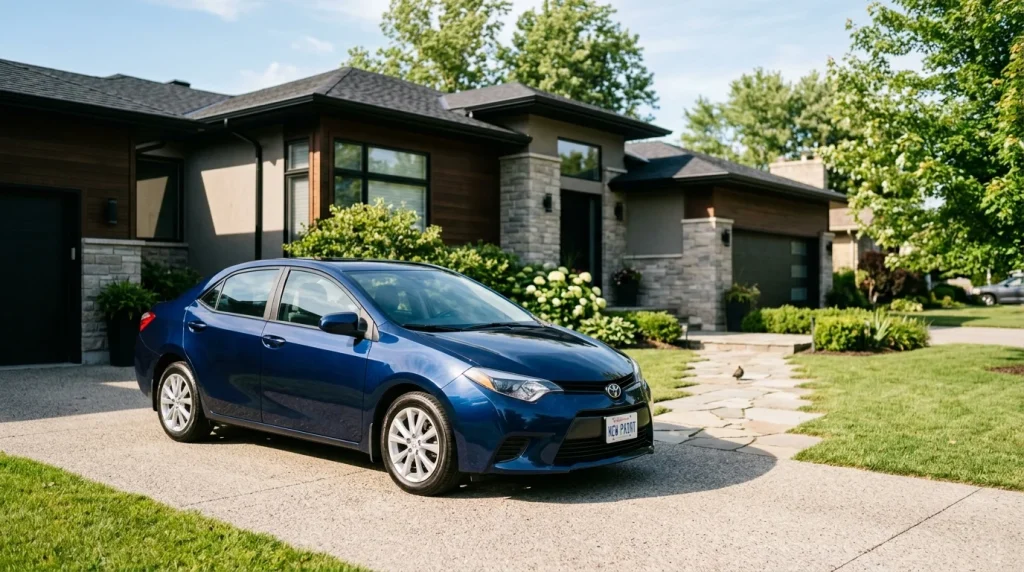
Quick answer: The best ways to clean a car after a body repair involve a gentle hand wash using a pH-neutral automotive shampoo, cool water, and a clean microfiber mitt, but only after waiting at least 14 days. You must avoid automatic car washes, high-pressure washers, and harsh household detergents for at least 30 days, and wait 60 to 90 days before applying any wax or sealant to allow the fresh paint and clear coat to cure and outgas solvents completely.
Key takeaways:
- Wait at least 14 days after collision or body repair before hand-washing the car.
- Never use dish soap or household detergents, which strip protective oils from soft, uncured clear coat.
- Wait 60 to 90 days before waxing, sealing, or ceramic coating new paint to prevent solvent entrapment.
- Wash the car in the shade using the two-bucket hand wash method and a standard garden hose.
- Pat dry immediately with a clean, plush microfiber drying towel to prevent mineral etching.
- Clean matte finishes using a dedicated matte shampoo and soft sponge, avoiding pressure or polishing.
The Chemistry of Fresh Paint: Curing vs. Drying
When you pick up your car from the auto body shop, the newly repaired panels look flawless, glossy, and completely dry. However, there is a major difference between paint drying and paint curing. While the surface of the clear coat feels dry to the touch within hours, the underlying layers of base coat and primer remain chemically active.
Modern automotive refinish systems, such as those from manufacturers like PPG or Sherwin-Williams, use polyurethane chemistry that hardens through chemical cross-linking. This molecular hardening process continues long after the vehicle leaves the shop. During the first few weeks, the clear coat remains relatively soft and vulnerable to mechanical pressure, chemical exposure, and heat.
Furthermore, fresh automotive paint must release evaporating solvents and thinners that were used during the spraying process. This evaporation process, known as solvent outgassing, requires open pores in the clear coat. If you cover these pores prematurely, you disrupt the curing process, leading to long-term cosmetic damage.
Paint Manufacturer Timelines: Washing and Waxing Windows
To protect your new finish, you must follow strict timelines established by paint manufacturers and detailing experts.
According to the Axalta Paint Finish Care bulletin, vehicle owners should rinse the vehicle with water only and avoid the use of a high-pressure washer within the first 30 days while the paint finish is still fresh. Axalta also recommends waiting a minimum of 60 days before applying any wax or polish to the repaired area. Other major paint manufacturers, such as PPG, recommend extending this wax restriction to 90 days to ensure complete curing of their clear coats.
Professional detailing trainers also emphasize this outgassing phase. “Typically, what you want to do is wait about 60 days before putting any type of wax or sealant on fresh auto body shop paint,” explains Scott, a professional detailing specialist and owner of Dallas Paint Correction & Auto Detailing in Plano, Texas. “The paint for about 60 days is still outgassing, or what we call venting.”
For washing within the first month, Scott advises extreme caution: “The first 30 days, you want to be careful how you wash that vehicle. Make sure your wash mitt is absolutely clean, use a nice lubricated type of soap, and do not apply a lot of pressure. During the first 30 days, the paint is still curing; it can be soft to some degree.”
Analysis: While heated baking booths in body shops accelerate initial drying (making panels handle-ready for reassembly at 140 to 160 degrees Fahrenheit), they do not complete the chemical curing process. A baked finish still requires 30 to 90 days of ambient exposure to reach full hardness. Do not assume a baked paint job is immune to early wash scratches or solvent entrapment.
Note: These timelines apply specifically to aftermarket refinish paint systems. Original equipment manufacturer (OEM) paint applied at the factory is cured at extremely high temperatures (exceeding 300 degrees Fahrenheit) before assembly, meaning factory-new cars do not require a curing wait time before washing or waxing.
Step-by-Step Guide: How to Wash Uncured Paint Safely
Once you pass the 14-day mark, you can perform your first hand wash. Follow these steps to ensure you do not scratch the delicate clear coat:
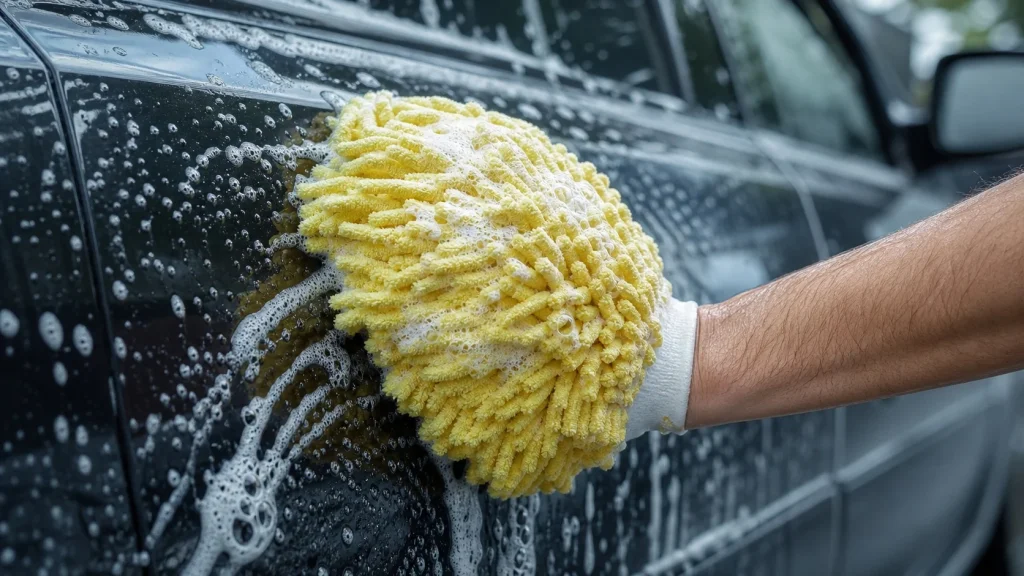
Perform a Thorough Pre-Rinse
Before touching the paint with any wash mitt, thoroughly rinse the entire vehicle with cool water from a standard garden hose. This removes loose dust, dirt, and grit that could act like sandpaper if dragged across the soft surface. Do not use high-pressure nozzles or pressure washers, which can lift newly blended paint edges.
Prepare the Two-Bucket System
Fill one bucket with clean water and a pH-neutral automotive shampoo. Fill a second bucket with plain, clean water. This second bucket serves as your rinse bucket. Dip your microfiber mitt into the soapy bucket, wash a single panel, and then submerge the dirty mitt into the rinse bucket, wringing it out to release trapped dirt before reloading it with soap.
Use the Right Product and Tools
Always use a dedicated pH-neutral automotive shampoo. Never use dish soap, laundry detergent, or household cleaners. Dish soaps contain aggressive degreasers designed to strip oils from cooking pans; on fresh paint, they strip away plasticizers and protective oils, permanently dulling the soft clear coat. Use only clean, high-quality microfiber wash mitts. Never use kitchen sponges, brushes, or old rags.
Pat Dry Immediately
Never let the vehicle air-dry in the sun. Tap water contains minerals like calcium and magnesium. When water evaporates, these minerals leave behind circular deposits. On fresh, soft paint, these minerals can chemically etch into the clear coat, creating permanent craters. Use a clean, plush microfiber drying towel. Lay the towel flat on the wet panel and pat it gently to absorb water, rather than dragging it aggressively across the surface.
If your vehicle underwent mechanical repairs alongside its cosmetic bodywork, you should ensure all underlying systems are working correctly before undertaking extensive cosmetic detailing. For instance, if you experience start-up issues or electrical faults following a collision, read our guide on how to start a car with a bad fuel pump for troubleshooting. If the collision impacted your dashboard or climate control system, you may need to inspect the ventilation components; refer to our guides on what is a car blower motor and how to check if your car AC compressor is working to resolve heating and cooling failures.
Managing Environmental Contaminants and Matte Finishes
Fresh paint is highly vulnerable to acidic environmental contaminants. Bird droppings, tree sap, and insect splatters are highly acidic and will quickly etch into uncured clear coat. If your car is exposed to these contaminants during the first 14 days, do not perform a full wash. Instead, dampen a clean microfiber towel with cool water and gently dab the spot until the debris softens and lifts. Do not rub or scrub.
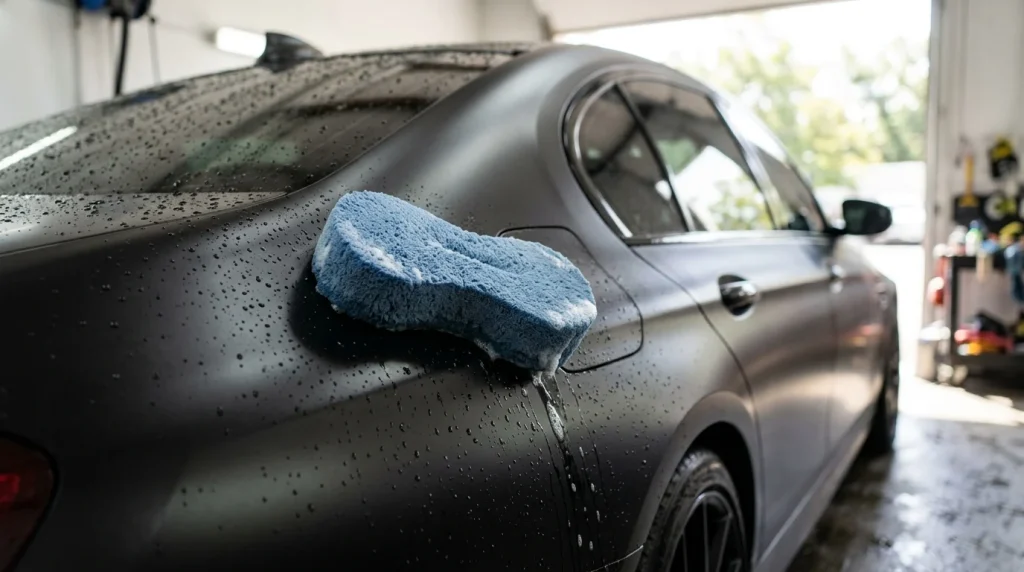
If your vehicle was refinished with a matte or satin paint system, you must follow a completely separate care protocol. Matte finishes cannot be polished, and they must never be waxed.
According to the Axalta Matte Finish Care guide, you must wash matte surfaces using a neutral detergent specifically formulated for matte finishes, applying it with a soft sponge without pressure. Never use traditional waxes, detail sprays, or gloss-enhancing shampoos, as these will add permanent, uneven shine to the matte texture. Additionally, never use dry cloths to wipe the surface, and avoid rubbing stubborn contaminants with force, as this creates permanent shiny spots that cannot be reversed.
Frequently Asked Questions
When can I wax my car after a paint job?
You should wait 60 to 90 days before applying any wax, paint sealant, or ceramic coating to a newly painted car. Waxing too early seals the paint’s pores, trapping evaporating solvents underneath the clear coat. This solvent entrapment can cause cloudy white hazing, tiny solvent pop bubbles, or premature peeling of the finish.
Can I wash my car with dish soap?
No, you should never use dish soap to wash a car, especially one with fresh paint. Dish soap is formulated to strip grease, which means it will strip the essential protective oils from your vehicle’s clear coat. This dries out the paint, accelerates oxidation, and leaves the finish looking dull and faded. Always use a pH-neutral automotive shampoo.
Is it safe to use a pressure washer on a repainted panel?
You should avoid using a pressure washer on newly painted panels for at least 30 days. High-pressure water can physically lift the clear coat at the blending edges where the new paint meets the original finish. If you must wash after 30 days, maintain a nozzle distance of at least 12 inches and keep the water pressure below 1500 PSI.
For more expert advice and the latest guides on vehicle maintenance, visit our news category.

