


The Audi Q5 model years to avoid are 2011 to 2012, 2014, and 2018. Early 2011 to 2012 2.0T models suffer from severe piston ring defects that cause heavy oil consumption, while 2009 to 2010 3.2L V6 models face secondary air carbon clogging. The 2014 model carries a high risk of catastrophic timing chain tensioner failure, and the 2018 redesign is prone to electrical glitches and gateway module shutdowns. The most reliable Audi Q5 model years to buy are the late first-generation 2016 to 2017 models and the refreshed 2021 and newer second-generation models.
Key takeaways:
- Avoid 2011 to 2012 2.0T models because defective piston oil rings cause severe oil burning (up to one quart every 500 miles).
- Avoid the 2014 model due to high rates of timing chain tensioner failure, which leads to total engine destruction.
- Exercise caution with 2018 models, which suffer from first-year electrical bugs and gateway module moisture vulnerabilities.
- The safest model years are 2016, 2017, and 2021 or newer, which feature updated mechanical components and refined electronics.
- Routine maintenance with 5,000-mile oil change intervals is mandatory to prevent timing chain stretch and carbon buildup.
Overview of the Audi Q5 Lineage and Common Failure Modes
The Audi Q5 debuted in the United States for the 2009 model year as a compact luxury crossover built on the Volkswagen Group MLB platform. Across two primary generations (the first-generation 8R from 2009 to 2017 and the second-generation FY from 2018 to the present), the Q5 established itself as one of Audi’s best-selling vehicles. Understanding how long an Audi Q5 lasts requires looking directly at how its mechanical hardware evolved over time.
While the Q5 delivers composed road manners and refined cabins, specific production periods carry engineering weaknesses. Most catastrophic failures center on early versions of the 2.0-liter turbocharged four-cylinder engine (the EA888 Gen 2). These powerplants were plagued by undersized oil scraper rings, fragile metal-clip timing chain tensioners, and plastic cooling components that degrade under continuous thermal cycling. Buyers comparing crossover options often find similar powertrain risks in the Audi A5 years to avoid guide, as both models shared identical 2.0T engine architectures during those production cycles.
| Model Year Range | Generation Code | Primary Reliability Pain Points | Risk Verdict |
|---|---|---|---|
| 2009 – 2010 | 8R (Pre-Facelift 3.2L V6) | SAI port carbon clogging, thermostat leaks | Caution (High Upkeep) |
| 2011 – 2012 | 8R (Pre-Facelift 2.0T) | Piston ring oil burn, tensioner failure | High Risk (Avoid) |
| 2013 – 2014 | 8R (Facelift early) | Timing chain tensioner, turbo failure | High Risk (Avoid 2014) |
| 2015 – 2017 | 8R (Facelift late) | Minor cooling leaks, carbon buildup | Safe Bet (Target 2016+) |
| 2018 | FY (Launch year) | Gateway module moisture, MMI glitches | Caution (Avoid 2018) |
| 2019 – 2020 | FY (Early run) | Minor sensor faults, start-stop lag | Moderate / Good |
| 2021 – Present | FY (Facelift) | Mild-hybrid refinement, updated MMI | Best Overall Reliability |
Year-by-Year Risk Assessment (Macro View)
Analyzing historical complaint logs from the National Highway Traffic Safety Administration (NHTSA) database highlights clear patterns across individual model years:
- 2009 to 2010: The inaugural U.S. models featured exclusively the 3.2L naturally aspirated V6 FSI engine. While this powertrain avoids early turbocharger issues, it suffered from severe secondary air injection port carbon clogging and thermostat failures. The 2.0T engine was not offered in the U.S. market until the 2011 model year.
- 2011 to 2012: These represent the highest-risk model years for engine replacement. The 2.0L TFSI (engine code CAEB) burns excessive engine oil, often exceeding one quart every 600 to 800 miles. Unsuspecting owners who failed to monitor oil levels suffered spun rod bearings and complete engine seizure.
- 2013: Audi introduced a mid-cycle refresh with updated styling and an 8-speed automatic transmission across more trims. While oil consumption rates improved slightly, timing chain tensioner failures remained a serious threat on early 2013 builds.
- 2014: Despite minor factory updates, the 2014 model generated an alarming spike in timing chain tensioner failures. When the hydraulic tensioner loses pressure or its locking pawl snaps, the timing chain skips teeth, causing pistons to strike open valves.
- 2015: This was a transitional year where revised tensioners (part number 06K-109-467-K) were fitted to production lines. Reliability improved substantially, though water pump housings still required regular inspection.
- 2016 to 2017: These are the most dependable first-generation model years. Audi corrected the piston ring metallurgy, resolved tensioner vulnerabilities, and stabilized electronic sub-systems.
- 2018: The all-new second generation shifted production to Audi’s San José Chiapa facility in Mexico. First-year teething issues included software lockups, noisy suspension bushings, and moisture ingress into critical computer modules.
- 2019 to 2020: Software revisions resolved most infotainment bugs, and the revised 2.0T engine (EA888 Gen 3) proved substantially more durable than its predecessors.
- 2021 to 2024: The facelifted second-generation models integrated a 12-volt mild-hybrid system, a modern 10.1-inch MIB 3 touchscreen, and upgraded driver assistance packages. These model years register the lowest complaint volumes per vehicle sold.
Generation-Specific Highlights (Where Applicable)
The first generation (8R) relies on traditional mechanical layouts, hydraulic power steering on early models, and mechanical Quattro all-wheel drive featuring a Torsen center differential. In contrast, the second generation (FY) adopted Quattro with Ultra technology, which disconnects the rear axle via multi-plate clutches during steady cruising to achieve 23 mpg city and 28 mpg highway per official EPA ratings.
Buyers inspecting first-generation vehicles must prioritize engine mechanical integrity over electronic gadgets. For second-generation vehicles, the inspection focus shifts toward checking wiring harness integrity, gateway module recall status, and dual-clutch transmission engagement smoothness.
Transmission and Engine Reliability Deep Dive
Drivetrain longevity varies depending on the specific engine and transmission combination fitted to the Q5. The most problematic setup is the 2011 to 2012 2.0L TFSI paired with early software calibrations. In these engines, the piston oil control rings were engineered with small return holes that rapidly clog with carbonized oil. Once clogged, the rings can no longer scrape oil back down into the crankcase, forcing it into the combustion chamber where it burns off.
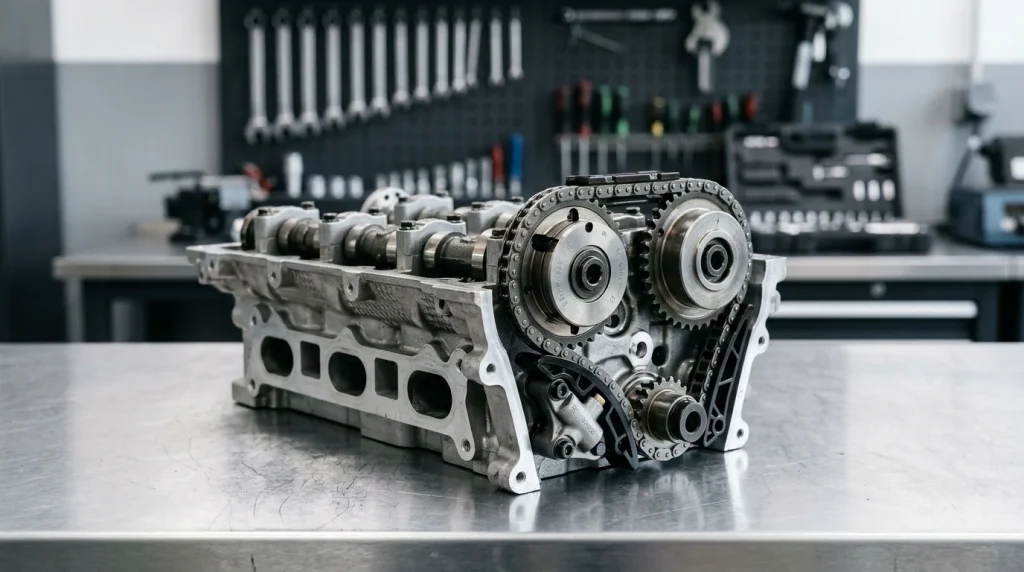
The timing chain tensioner flaw represents an even greater immediate risk. Early EA888 engines used a two-piece tensioner with a fragile metal clip and ratchet mechanism. Under cold start conditions or low oil pressure, this clip can break. Because the 2.0T is an interference engine, timing chain displacement causes immediate valve-to-piston contact, bending the valves and gouging the cylinder heads. A complete repair often exceeds $6,000 at specialized repair shops.
Transmission reliability generally trends better than engine reliability, but distinct behavior exists between gearbox types. First-generation models rely on durable ZF torque-converter automatics: 2009 to 2010 3.2L V6 models utilize a 6-speed automatic (ZF 6HP28 / 0B6), while the ZF 8-speed automatic (8HP55) debuted on the 2.0T in 2011 and on the 3.0T in 2013. Both ZF torque-converter units are durable when fluid changes occur every 60,000 miles. Conversely, second-generation models equipped with the 7-speed S-Tronic dual-clutch transmission (DL382) require strict 40,000-mile fluid services. Owners experiencing hesitation or abrupt gear changes should review the Audi transmission malfunction warning to prevent damaging the mechatronic valve body.
| Engine / Transmission Type | Production Years | Primary Failure Mechanism | Typical Repair Cost |
|---|---|---|---|
| 2.0L TFSI (EA888 Gen 2) | 2011 – 2012 | Piston ring oil bypass | $4,500 – $7,000 |
| 2.0L TFSI (Tensioner 06H) | 2011 – 2014 | Tensioner ratchet failure | $2,000 (Prev) / $6,500+ |
| 3.0L Supercharged V6 (EA837) | 2013 – 2017 | Thermostat / Water pump | $1,200 – $1,800 |
| 3.0L TDI Clean Diesel | 2014 – 2016 | DPF / AdBlue heater fault | $1,500 – $3,000 |
| 7-Speed S-Tronic (DL382) | 2018 – Present | Mechatronic solenoid wear | $2,200 – $3,800 |
Electrical and Electronics Reliability
First-generation models occasionally suffer from failing LED daytime running light modules, faulty blower motor resistors, and clogged panoramic sunroof drains. When sunroof drain tubes become blocked with pine needles or dirt, water backs up and drains into the rear quarter panels, flooding the amplifier and central convenience control module.
On the 2018 model, electrical issues intensified. The NHTSA safety recall campaign 21V-947 addressed a significant vulnerability where liquid spilled in the rear seat cupholders or footwells seeps directly into the gateway control module located under the rear seat bench. Moisture intrusion shorts the module, placing the vehicle into emergency limp mode with reduced engine power. Drivers troubleshooting sudden powertrain warnings should consult the Audi drive system malfunction guide to distinguish between software glitch triggers and physical component faults. When assessing 2018 Audi Q5 models, check whether NHTSA recall 21V-947 has been completed. The factory fix involves installing a protective plastic cover over the gateway control module and applying supplemental seam sealer to the underbody. Vehicles lacking this retrofit remain vulnerable to unexpected transmission shutdowns caused by simple liquid spills in the passenger compartment.
What to Look for When Buying Used (and How to Mitigate Risk)
Purchasing a pre-owned Audi Q5 requires careful mechanical verification rather than relying on cosmetic condition alone. Because repair bills on German luxury crossovers escalate quickly, buyers must conduct systematic checks prior to completing any purchase.
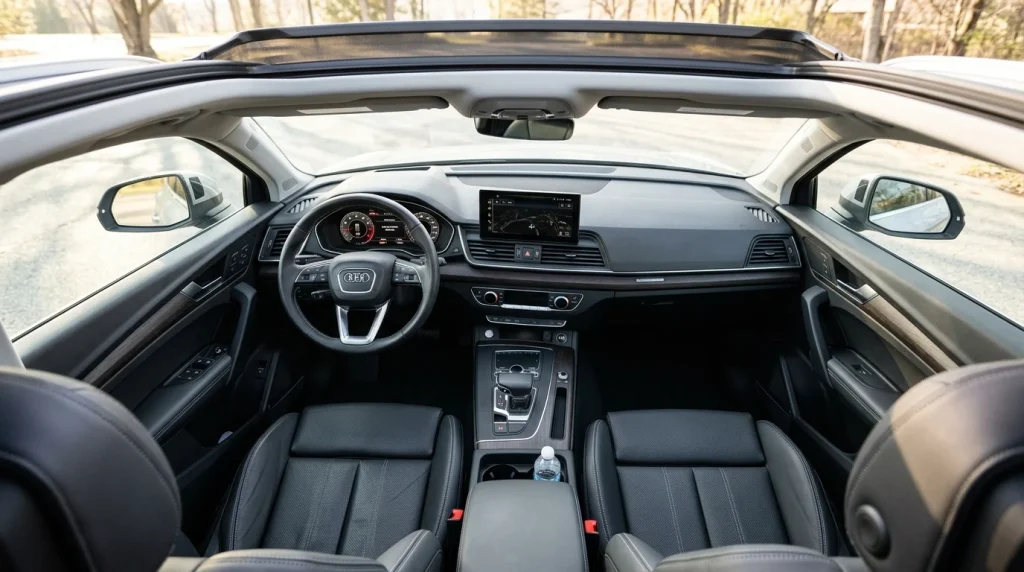
When evaluating a used Q5, follow this inspection checklist:
- Cold Start Acoustic Inspection: Insist on inspecting the vehicle after it has sat overnight. Listen closely near the front passenger wheel well and timing cover during the first five seconds of engine idle. Any loud metallic rattling indicates that the timing chain tensioner is failing to hold hydraulic pressure.
- OBD-II Camshaft Phase Adaptation Check: Connect a VAG-compatible diagnostic scanner (such as VCDS or OBDeleven) and navigate to live data measuring block 093 (Camshaft Adaptation Intake Bank 1). If the phase deviation exceeds negative 4 degrees, the timing chain has stretched beyond safe operational limits and requires immediate replacement.
- Oil Consumption Documentation: Request detailed service invoices from the previous owner. Look for frequent purchases of 5W-40 synthetic oil between regular service intervals or records showing that the Audi Stage 1 and Stage 2 oil consumption tests were performed.
- Coolant System Pressure Test: Check the plastic thermostat housing beneath the intake manifold and the water pump assembly for dried pink crust or active coolant leaks.
- Sunroof Drain and Carpet Moisture Inspection: Lift the trunk side floor panels and feel underneath the front passenger floor carpet for dampness, which reveals clogged sunroof drains.
Buyers comparing family-sized luxury haulers should also review the Audi Q7 years to avoid overview to evaluate whether moving up to a larger three-row crossover presents similar powertrain maintenance demands.
Alternatives and Competing Models
If the model years within your budget fall into high-risk categories, several competing luxury crossovers offer compelling balances of performance, cabin refinement, and lower long-term repair risks.
- BMW X3 (2018 or newer / G01 Generation): Powered by the B48 2.0L turbo four-cylinder and B58 3.0L turbo inline-six, the G01 X3 demonstrates superior drivetrain reliability compared to early second-generation Q5 models. The ZF 8-speed transmission in the X3 provides smooth shifting and durable operation.
- Lexus RX 350 (2016 to 2022): While less sporty in handling dynamics than the Audi Q5, the naturally aspirated 3.5L 2GR-FKS V6 engine and proven 8-speed automatic deliver benchmark reliability and minimal unexpected maintenance costs.
- Acura RDX (2019 or newer): Equipped with a 2.0L turbocharged engine derived from the Civic Type R and a responsive Super Handling All-Wheel Drive (SH-AWD) system, the RDX offers generous interior room and lower maintenance overhead.
- Audi Q5 Plug-in Hybrid (55 TFSI e): For buyers committed to the Q5 nameplate who want modern efficiency, exploring Audi hybrid powertrain options provides 362 total horsepower alongside electric commuter range while relying on the more durable EA888 Gen 3 engine architecture.
Warranty and Maintenance Strategies
Mitigating financial risk on an Audi Q5 requires strict adherence to specialized maintenance routines rather than basic manufacturer minimums. While Audi factory manuals often recommend 10,000-mile oil change intervals, independent Audi master technicians strongly advise changing oil every 5,000 miles or six months. Frequent oil changes prevent abrasive carbon sludge from clogging the hydraulic timing chain tensioners and oil control rings.
Direct-injected engines also require periodic intake valve cleaning. Because fuel does not spray over the back of the intake valves in TFSI engines, oil mist from the crankcase ventilation system bakes onto the valve stems. Expect to perform walnut blasting every 60,000 to 80,000 miles ($800 to $1,200) to restore lost engine power and eliminate rough cold idle.
| Service Item | Recommended Interval | Estimated Service Cost |
|---|---|---|
| Full Synthetic Engine Oil & Filter | Every 5,000 miles / 6 mo | $120 – $180 |
| S-Tronic / DSG Transmission Fluid | Every 40,000 miles | $400 – $650 |
| Tiptronic 8-Speed Fluid & Filter | Every 60,000 miles | $450 – $750 |
| Spark Plugs & Ignition Coils | Every 40,000 miles | $250 – $450 |
| Intake Valve Walnut Blasting | Every 70,000 miles | $800 – $1,200 |
| Brake Fluid Flush | Every 2 years | $140 – $220 |
When evaluating overall ownership costs, consulting a comprehensive Audi pricing and ownership guide helps buyers budget accurately for annual upkeep. Owners should reserve approximately $1,500 to $2,000 annually for scheduled servicing and unexpected wear items.
Furthermore, always verify Audi fuel octane requirements for your specific trim. Running sub-premium fuel in turbocharged TFSI engines increases pre-ignition knock, prompting the ECU to retard ignition timing and reducing overall performance and fuel efficiency.
Note: When buying a used Q5 outside factory warranty coverage, consider a third-party extended warranty with exclusionary coverage. Ensure the contract explicitly covers timing chain hardware, turbocharger assemblies, and electronic mechatronic transmission units, as these three components represent the highest potential out-of-pocket repair expenses.
Conclusion and Actionable Takeaways
The Audi Q5 remains an attractive luxury crossover on the used market, offering refined driving dynamics, a quiet interior, and secure all-weather traction. However, navigating the used market requires strict avoidance of high-risk production runs.
Steer clear of 2011 to 2012 2.0T models due to incurable piston ring oil consumption defects, and avoid the 2014 model because of catastrophic timing chain tensioner failures. Early 2009 to 2010 models with the 3.2L V6 require caution due to costly secondary air carbon clogging and thermostat leaks rather than piston ring failures. The 2018 model is best approached with caution due to early-run electrical glitches and gateway module vulnerabilities.
For the safest ownership experience, prioritize a well-documented 2016 or 2017 model from the first generation, or invest in a facelifted 2021 or newer second-generation Q5. Always perform a professional pre-purchase inspection with live OBD-II diagnostic scanning to verify timing chain health before finalizing your purchase.
Frequently Asked Questions About Audi Q5 Reliability
Is the Audi Q5 an expensive vehicle to maintain?
The Audi Q5 carries maintenance expenses that exceed mainstream crossover averages by approximately 30 to 40 percent. Routine items like synthetic oil services, dual-clutch transmission flushes, and brake component replacements require specialized tools and premium fluids. Expect an average annual maintenance budget of $1,500 to $2,000.
What are the earliest symptoms of Audi Q5 timing chain failure?
The most reliable early warning symptom is a distinct metallic rattling or clattering noise that lasts for two to five seconds immediately following a cold engine start. Other symptoms include an illuminated check engine light with camshaft and crankshaft correlation error codes (P0016 or P0011) and rough engine idling.
How many miles can an Audi Q5 last with proper care?
When maintained with 5,000-mile oil changes, prompt cooling system repairs, and timely transmission servicing, a reliable model year Audi Q5 can comfortably reach 150,000 to 200,000 miles. Reaching high mileage requires staying ahead of carbon cleaning and suspension bushing wear.
Did Audi issue a recall for the 2.0T engine oil consumption defect?
Audi did not issue a mandatory safety recall for oil consumption because burning oil was classified as a mechanical defect rather than an immediate safety hazard. Instead, Audi settled class-action litigation (Asghari v. Volkswagen), which extended warranties on qualifying 2011 to 2012 Audi Q5 models to eight years or 80,000 miles. Because those warranty extension periods have elapsed, repairs on early models are now paid entirely out-of-pocket.
Which Audi Q5 engine is the most reliable overall?
The 3.0-liter supercharged V6 (EA837) found in 2013 to 2017 first-generation models and the revised 2.0-liter turbocharged four-cylinder (EA888 Gen 3) used in 2019 and newer models are considered the most durable powertrains. Both engines avoid the severe piston ring and timing tensioner defects of earlier 2.0T units.

