

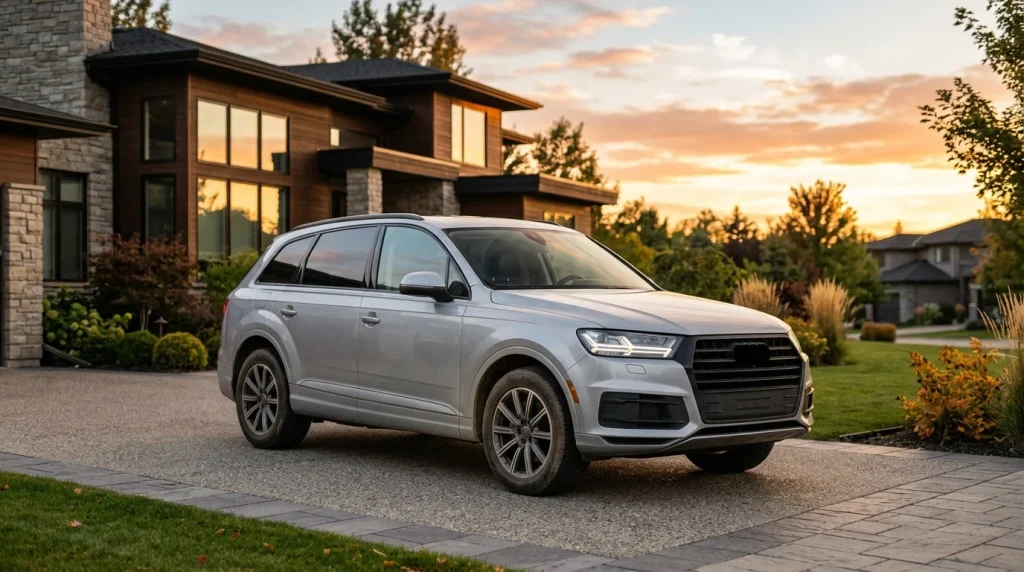
Quick answer: The worst Audi Q7 years to avoid are 2007, 2015, and 2017. The 2017 model is the most problematic overall due to excessive oil consumption in the 3.0T engine that frequently leads to catastrophic failure. Buyers looking for a reliable used Q7 should target the 2016, 2020, and 2022 model years instead.
Key takeaways:
- Avoid the 2017 Audi Q7 due to severe engine failure risks and high oil consumption.
- The first-year 2007 model is plagued by electrical faults and transmission issues.
- The 2021 Q7 has a high number of NHTSA safety recalls, including fuel pump failures.
- Air suspension repairs on older Q7 models (like the 2015) can cost upwards of $4,000.
- Always prioritize a documented service history over low mileage when buying a used Q7.
The Worst Audi Q7 Year to Avoid: 2017
The 2017 Audi Q7 is widely considered the worst model year to buy due to a severe defect in the 3.0T engine that causes it to burn excessive amounts of oil (often 1 quart every 500 miles). If left unchecked, this leads to catastrophic engine failure and repair bills exceeding $10,000.
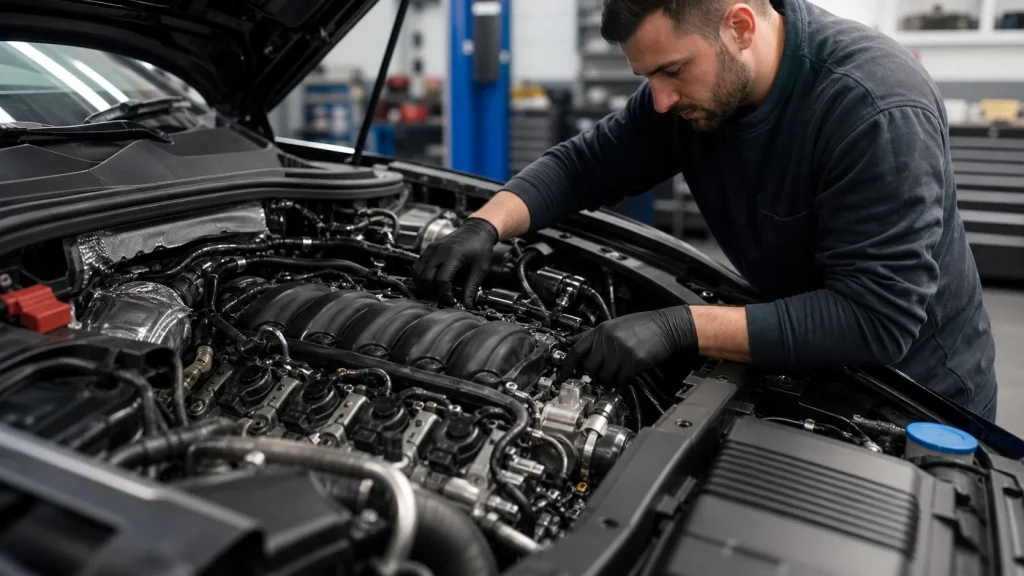
While the 2017 model year marked the exciting launch of the completely redesigned second generation (4M platform) boasting a lighter chassis and advanced technology like the Virtual Cockpit, it quickly became a headache for early adopters. The core issue revolves around the 3.0L supercharged V6 engine. The piston rings fail to seal properly against the cylinder walls, allowing oil to blow past and burn during combustion. Defect investigations recorded by the National Highway Traffic Safety Administration (NHTSA) detail numerous complaints of owners experiencing sudden engine stalling and severe misfires while driving on highways.
This massive oil consumption issue ultimately led to class-action lawsuits against the manufacturer. When the oil level drops critically low between service intervals, the engine’s internal components lose lubrication, causing the timing chain to fail or the engine block to seize entirely. Because of this fatal flaw, purchasing a 2017 Audi Q7 without a previously replaced engine is a massive financial gamble. If you are comparing luxury SUVs, you might want to look into comparing the Audi Q5 with competitors like the Genesis GV70 to ensure you are selecting a vehicle with a better reliability track record. For more information, read the guide on comparing the Audi Q5 with competitors like the Genesis GV70.
To protect your investment, keeping a close eye on the oil levels of any used vehicle is critical. If you are inspecting a Q7, understanding how to perform basic checks, such as checking your oil when the engine is cold or hot, is essential to prevent internal damage.
Note: Jake Fisher, Senior Director of Auto Testing at Consumer Reports, warns buyers about redesign risks: “When buying a used luxury vehicle like the Audi Q7, early model years of a redesign, such as the 2017 model, often carry the highest risk of mechanical bugs. For the Q7, engine oil consumption and cooling system failures are significant areas of concern that buyers should watch out for.” Data from Consumer Reports reflects these engine-related risks, showing below-average reliability scores for the 2017 model.
First-Generation Troubles: Avoid 2007 and 2015 Models
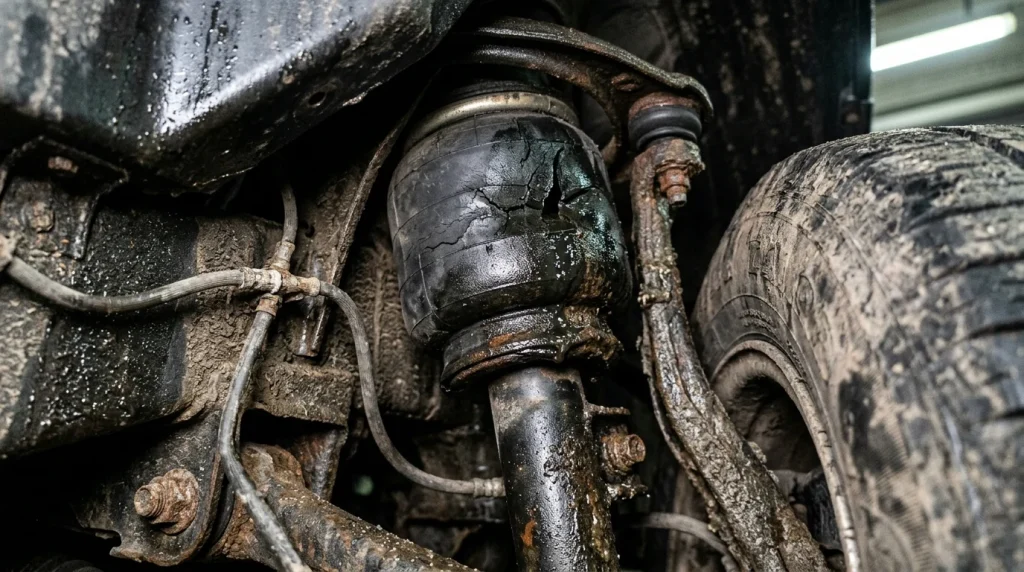
Buyers should avoid the 2007 Audi Q7, as it suffered from first-year production flaws including severe electrical malfunctions and transmission failures. The late first-generation 2015 model should also be approached with caution due to frequent, extremely expensive air suspension failures.
The 2007 Audi Q7 was the brand’s inaugural full-size SUV, built on the heavy MLB platform shared with the Porsche Cayenne and Volkswagen Touareg. Unfortunately, early models were rushed to market with significant unresolved electrical issues. Data gathered from owner complaints shows that 2007 owners frequently experienced sudden Electronic Stability Program (ESP) malfunctions that compromised braking and handling. Additionally, starting issues were common, often leaving drivers stranded due to parasitic battery drains and faulty starter motors. The 6-speed automatic transmission was also prone to harsh shifting and premature failure, a repair that can cost up to $7,000. If you want to see how these issues compare to other models, check the Audi A4 years to avoid for a broader look at Audi’s older fleet reliability.
Fast forward to 2015, the final year of the first generation. While many mechanical kinks had been ironed out, the 2015 Q7 is plagued by the inevitable degradation of its complex adaptive air suspension. The rubber air bladders on the 2015 models begin to leak as they age, causing the vehicle to sag dramatically overnight. Replacing the struts and the overworked air compressor is notoriously expensive, often ranging from $2,000 to $4,000 per corner. The 2015 model also suffers from a bizarre electrical glitch where the doors automatically lock with the key fob inside the vehicle, necessitating expensive locksmith services.
Second-Generation Issues: 2018-2019 Models
While the 2018 and 2019 Audi Q7 models improved upon the disastrous 2017 engine issues, they still experienced their share of growing pains. Owners report premature water pump failures, coolant leaks, and software glitches within the MMI infotainment system.
Audi addressed the fatal oil-burning flaw of the 2017 engine, making the 2018 and 2019 models mechanically superior. However, they are far from perfect. The water pump on the 3.0T engine is a known weak point, constructed with a plastic housing that becomes brittle and cracks due to extreme engine bay temperatures. When the water pump fails, it causes rapid coolant loss and potential engine overheating. Repairing this issue requires removing the supercharger, pushing the labor bill upwards of $1,500.
Owners also widely report frustrating software glitches. The MMI infotainment screens are prone to freezing, and the backup camera frequently fails to engage when shifting into reverse, a critical safety issue for a vehicle of this size. Furthermore, models manufactured between September and December 2019 were flagged for gearbox oil leaks that require immediate resealing. While not as catastrophic as total engine failure, these persistent problems significantly increase the annual cost of ownership, making routine electrical checks and knowing how long it takes to replace a car battery critical for used car buyers.
NHTSA Safety Recalls: The Recall-Heavy 2021 Model
Despite being a newer model, the 2021 Audi Q7 accumulated a disproportionately high number of safety recalls from the NHTSA. Major recalls included defective fuel pumps that could cause engine stalling, and improper rear axle alignments resulting in rapid tire wear.
The 2021 model year introduced several advanced features, but it also brought a slew of manufacturing defects. According to official recall documentation, the most severe issue involves a component inside the high-pressure fuel pump that can fracture. If this occurs, fuel delivery is immediately cut off, causing the engine to stall without warning while driving, significantly increasing the risk of a crash.
Another major recall for the 2021 Q7 involved the digital instrument cluster (Virtual Cockpit). A software bug could cause the entire display to go blank, depriving the driver of vital information such as speed, fuel level, and warning lights. Finally, some 2021 models were shipped from the factory with misaligned rear axles due to a broken lock nut, causing severe handling instability and destroying a set of premium tires in just a few thousand miles. Ensuring the vehicle has the best tires for Audi vehicles is only half the battle; buyers must thoroughly check the VIN of any 2021 Q7 to ensure all these recalls have been performed by a certified dealer.
Common Audi Q7 Problems Across All Generations
Regardless of the model year, the Audi Q7 is a heavy, complex luxury SUV that burns through consumable parts quickly. Fast tire and brake wear is a universal complaint, as is carbon buildup on the intake valves of the direct-injected TFSI engines.
The Audi Q7 is a massive vehicle, often weighing close to 5,000 pounds. This substantial curb weight, combined with the brand’s performance-oriented Quattro all-wheel-drive system, puts immense stress on the brakes and tires. Owners routinely report needing new brake pads and rotors every 25,000 to 30,000 miles, which is considerably more frequent than a standard commuter vehicle. Tires also wear out rapidly, and replacement sets often cost over $1,200.
Another universal problem for Audi’s direct-injected engines is carbon accumulation on the intake valves. Because fuel is sprayed directly into the cylinder rather than washing over the valves, carbon deposits slowly bake onto the intake tracts. By 60,000 miles, this buildup restricts airflow, causing rough idling, misfires, and reduced fuel economy. A manual carbon cleaning (often called walnut blasting) is required every 60,000 to 80,000 miles to restore proper engine performance.
Finally, clogged panoramic sunroof drains are a persistent issue across all generations. This allows rainwater to flood the footwells, destroying sensitive electrical control modules hidden beneath the carpet. Such leaks can mimic broader electrical failures, making it difficult to diagnose why systems are failing, similar to how one might diagnose a car AC blowing hot air when electrical relays or sensors get damaged by moisture.
Which Audi Q7 Years Are Safe to Buy?
For buyers seeking a reliable used Audi Q7, the safest choices are the 2011 and 2014 models (for the first generation) and the 2020 or 2022-2023 models (for the second generation). These models feature updated infotainment systems and have largely resolved the engine and fuel pump defects of prior years.
The 2020 facelift model is a particularly strong choice. Audi introduced a much more reliable turbocharged 3.0L V6 (engine code EA839) to replace the supercharged engine that suffered from severe oil consumption and water pump failures. However, buyers should note that early 2020 models have been monitored for cylinder-wall scoring, prompting Audi to extend the engine warranty to 8 years or 80,000 miles in some markets. The 2020 interior was also overhauled with a dual-touchscreen MMI system that resolved the freezing issues of the 2018-2019 models.
If your budget is tighter, the 2016 model (often sold in international markets) or late-production 2014 models are the sweet spots for the first generation. However, targeting a 2022 or 2023 Q7 ensures you bypass the heavy recalls of the 2021 model year while still enjoying modern safety technology. If you decide the Q7 is too large or unreliable for your needs, you can explore other options in the best Audi cars on the market to find a better fit.
Analysis: Steve Huntingford, editor of What Car?, notes the overall standing of the vehicle in long-term reliability: “In the luxury SUV class, the Audi Q7 has unfortunately struggled with long-term reliability. Our surveys show that it ranks near the bottom of its class for reliability, with owners frequently facing issues that cost significant sums to resolve.” According to the What Car? reliability report, the Q7 scored 80.8%, making it one of the lowest-performing luxury SUVs in terms of dependability.
Frequently Asked Questions About the Audi Q7
Is the Audi Q7 a reliable car?
The Audi Q7 has a mixed reliability record that depends entirely on the model year. The 2017 model is notoriously unreliable due to engine defects, while the 2020 and newer models offer average reliability for a three-row German luxury SUV when properly maintained.
What is the most common Audi Q7 problem?
The most common severe problem is excessive oil consumption and subsequent engine failure in the 2017 3.0T models. Across all years, premature wear of brakes and tires, along with air suspension leaks, are the most frequently reported maintenance issues.
Is the Audi Q7 expensive to maintain?
Yes, the Audi Q7 is an expensive vehicle to maintain. Routine maintenance costs are high, and major repairs (such as replacing the air suspension or a water pump) can easily exceed $3,000. Buyers should budget at least $1,500 to $2,000 annually for upkeep.
Should I buy an Audi Q7 with over 100,000 miles?
Buying an Audi Q7 with over 100,000 miles is highly risky unless the vehicle has a meticulous, fully documented service history. High-mileage examples, especially from the 2007-2017 era, are prone to catastrophic engine and suspension failures that often exceed the value of the car.
Which generation of Audi Q7 is the best?
The post-facelift second generation (2020-present) is currently considered the best overall. It combines a more reliable 3.0L turbocharged V6 engine (replacing the problematic supercharged version), a modernized interior with dual touchscreens, and significantly fewer NHTSA complaints than early second-generation models.

