

Last updated: July 19, 2026
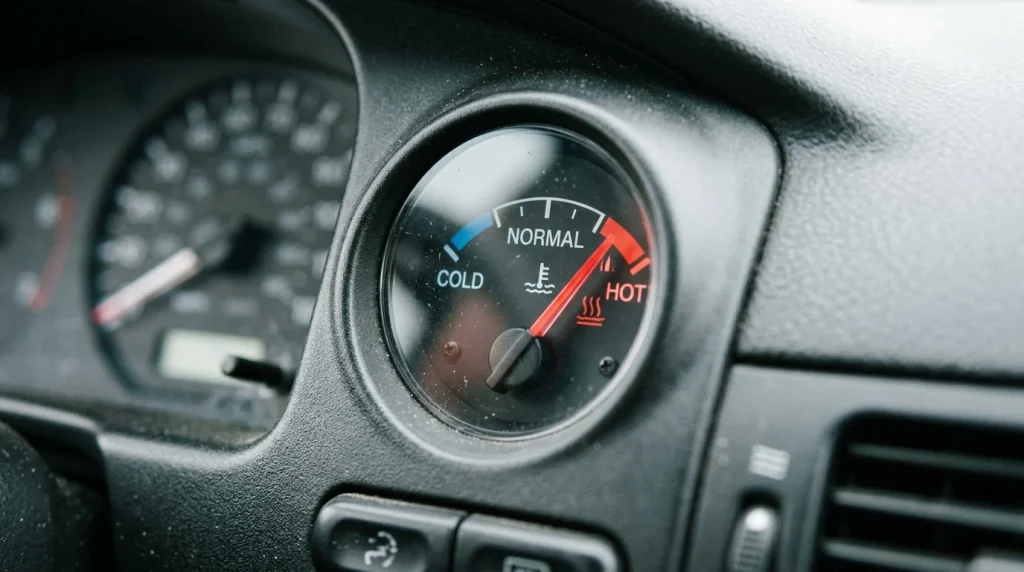
Quick answer: If you want to know how can you tell if your car is overheating, the most immediate indicator is the dashboard temperature gauge needle climbing into the red zone or pointing to “H”. Other common signs include white steam rising from the hood, a sweet maple-syrup odor of vaporizing coolant, an illuminated red dashboard thermometer warning light, and a sudden drop in engine power.
Key takeaways:
- An illuminated red thermometer icon on the dashboard signals that the engine temperature has exceeded safe thresholds and requires immediate shutdown.
- Turning the climate control heater to maximum vents engine heat into the cabin, temporarily reducing cooling system pressure.
- Never open the hood or remove the radiator cap immediately after pulling over; pressurized boiling coolant can explode outward and cause severe third-degree burns.
- Continuing to operate an overheating engine can lead to permanent component warping, head gasket failure, or a cracked engine block.
The Temperature Gauge Spikes into the Red Zone
The temperature gauge on the dashboard is the primary instrument for monitoring engine heat levels. Under normal operating conditions, a vehicle’s engine operates within a range of 195 to 220 degrees Fahrenheit. The temperature needle typically settles in the center of the gauge between the “C” (Cold) and “H” (Hot) markings.
According to Cliff Nacol, an automotive expert cited by AAA, the temperature gauge provides immediate feedback on the vehicle’s cooling status, and drivers should never see the needle spike to the three-quarter mark or higher, as this indicates active overheating. Temporary spikes may occur under heavy loads, such as towing uphill on hot days, but a constant rise into the red zone or to the “H” indicates a systemic failure in coolant circulation.
White Steam Billowing from the Hood
Visible vapor rising from the engine compartment is a clear indication that coolant has reached its boiling point and is venting from the pressurized system. This symptom is often mistaken for an electrical fire, but drivers can identify the source by examining the characteristics of the vapor.
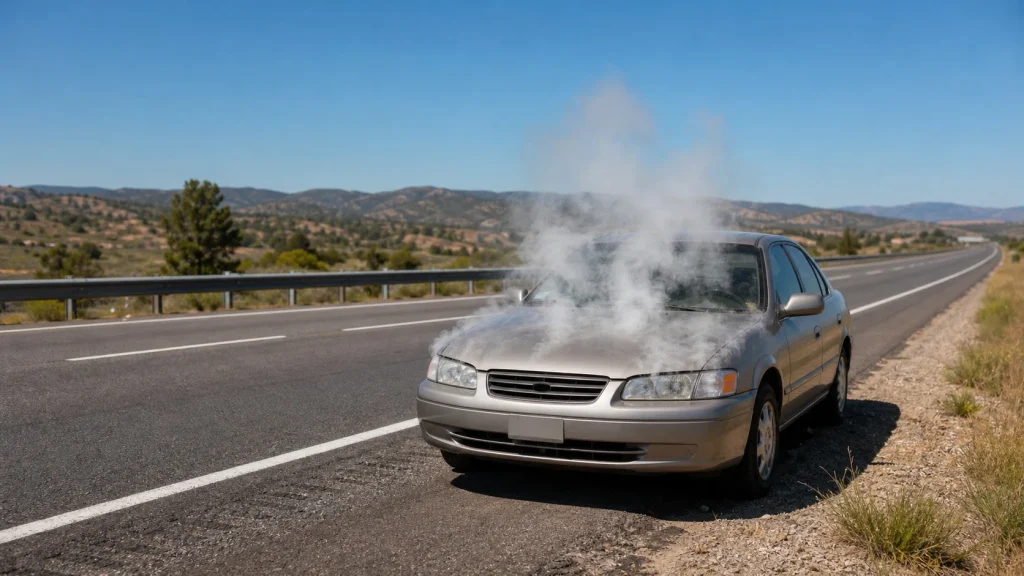
According to safety resources from Firestone Complete Auto Care, steam dissipates quickly and indicates boiling coolant, whereas dark smoke suggests an active fire and requires occupants to exit the vehicle immediately. If steam is venting from the grille or hood edges, the cooling system’s pressure release threshold has been exceeded.
A Sweet, Syrupy Smell (Burning Coolant)
Engine coolant contains ethylene glycol or propylene glycol, chemicals that produce a sweet odor when heated. When a leak occurs in the cooling system, fluid drips onto hot engine blocks or exhaust manifolds and vaporizes.
According to diagnostic guidelines from GEICO, leaking coolant is one of the primary catalysts for engine overheating. If this distinct aroma is drawn through the cabin vents while driving, it indicates that coolant is actively escaping the pressurized cooling loop.
The Dashboard Temperature Warning Light
Vehicles without an analog gauge rely on a dedicated dashboard warning light to communicate thermal limits. This light displays a red thermometer symbol partially submerged in waves.
A blue version of this icon indicates that the engine has not yet reached optimal operating temperature. However, a red warning light indicates that the engine has surpassed safe thermal limits. The computer activates this warning only when damage is imminent. Drivers must pull over immediately when this light illuminates.
Sudden Loss of Engine Power (Limp Mode)
Modern vehicles employ an Engine Control Unit (ECU) to monitor internal temperatures. When sensors detect extreme heat, the ECU alters fuel delivery and ignition timing to reduce the load on internal components.
This protective state is commonly referred to as limp mode. The driver will experience a sudden loss of acceleration and power. Internal metal components, particularly pistons, expand under extreme heat and create friction against the cylinder walls. If you experience a loss of power alongside knocking sounds, the engine is close to seizing.
While a loss of power is a direct symptom of active overheating, a vehicle that refuses to crank or start at all usually points to other fuel delivery failures. If your engine isn’t running hot but still fails to start, you may need to troubleshoot other components, such as learning how to start a car with a bad fuel pump in emergency situations.
What to Do If Your Car Is Overheating (Emergency Steps)
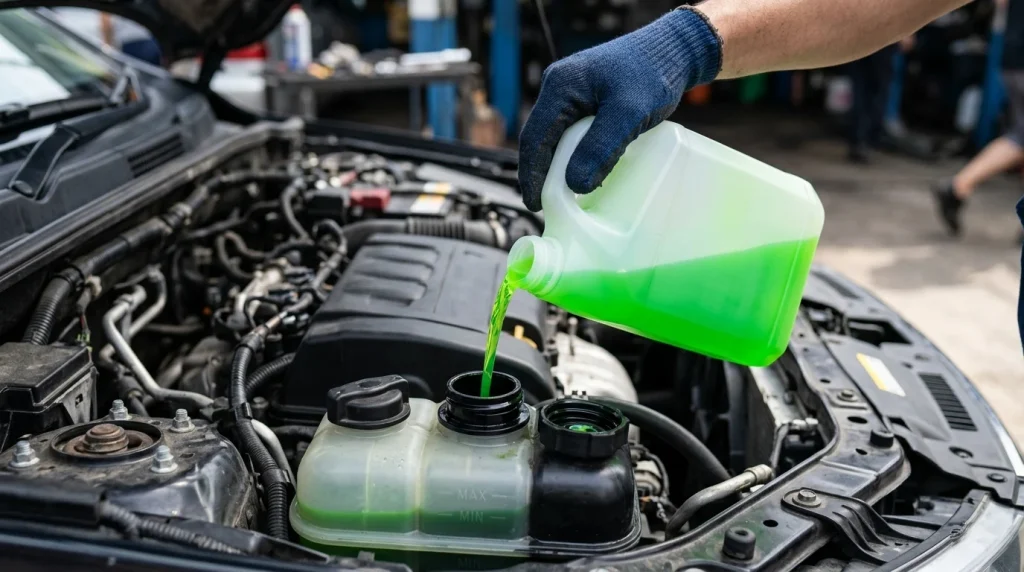
If you notice symptoms of a car engine overheating, you must execute a series of safety steps to protect both the mechanical parts and yourself:
- Deactivate the Air Conditioning: Turn off the A/C system to reduce the mechanical load on the engine block.
- Blast the Heater: Turn the cabin heater and fan to their maximum settings.
- Pull Over Safely: Navigate to the shoulder of the road and park in a safe area.
- Shut Down the Engine: Turn off the ignition to stop combustion heat generation.
- Wait for Cooling: Allow the vehicle to rest for at least 30 to 45 minutes before inspecting the engine bay.
Analysis: Running the passenger cabin heater utilizes the heater core, which acts as a secondary radiator to draw excess heat from the coolant. While uncomfortable on hot days, this transfer of thermal energy away from the block can prevent immediate head gasket blowout before finding a safe area to pull over.
According to Peter Conde, a representative for AAA, turning on the heat pulls heat away from the engine block, which can help drivers reach a safer stopping point. If you suspect your A/C system is already malfunctioning, you may want to learn how to check if your car AC compressor is working to diagnose the issue.
Note: Modern aluminum engines can warp in as little as 30 to 60 seconds of severe overheating, meaning you must pull over immediately rather than trying to reach the next service exit.
Frequently Asked Questions
Can I drive my car if it is slightly overheating?
No, you should not drive a vehicle that is running hotter than normal. Aluminum cylinder heads warp easily under thermal stress, which destroys the cylinder seal and blows the head gasket. Driving even a short distance with a spiking temperature gauge can result in catastrophic engine failure.
Why is my car overheating but the coolant is full?
An engine can overheat even when the reservoir is full if the coolant cannot circulate. Common causes include a thermostat stuck in the closed position, a failed water pump impeller, a collapsed radiator hose, or air pockets trapped inside the cooling passages.
How long should I wait before opening the hood?
You must wait at least 30 to 45 minutes before attempting to touch the hood latch or open the cooling system. Pressurized coolant remains at boiling temperatures long after the engine is shut down. Opening the system prematurely can release steam and hot liquid, causing severe injury.
Note: This article is for educational purposes only. Always consult a certified professional mechanic or roadside assistance service if your vehicle is actively overheating to avoid severe personal injury or engine damage.
For more maintenance tips and guides, visit the auto news section.

