

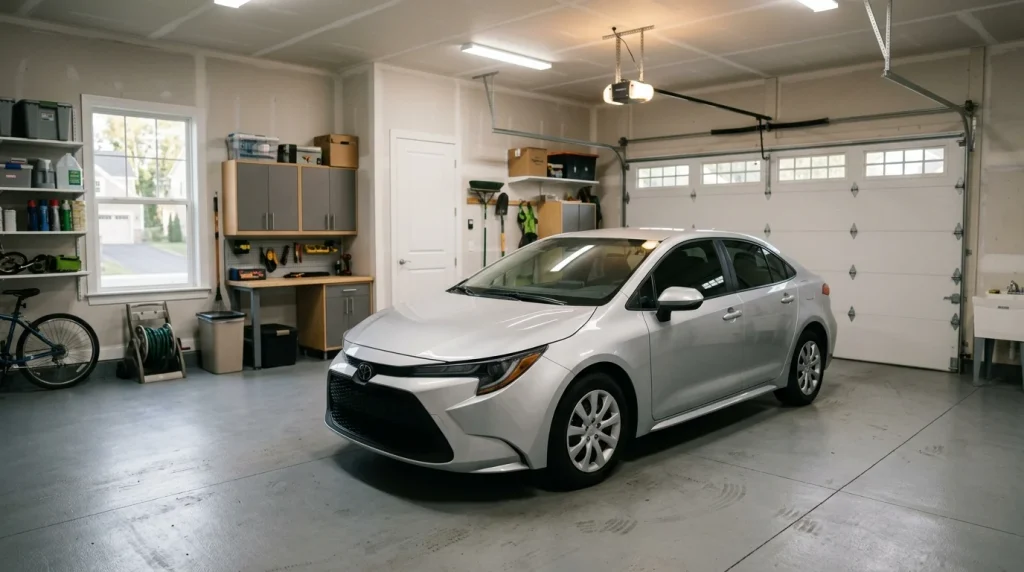
Quick answer: If you are wondering how long can a car sit without being driven, a passenger vehicle can safely sit for about two weeks before battery drain and mechanical issues start to develop. Driving your vehicle for at least 15 to 30 minutes every two weeks keeps the battery charged, circulates essential fluids, and prevents tire flat-spotting. Beyond one month of inactivity, standard gasoline begins to degrade, seals dry out, and pests may nest in the engine bay, potentially leading to costly repairs.
Key takeaways:
- Drive your vehicle for 15 to 30 minutes at highway speeds every two weeks rather than letting it idle in the driveway.
- Parasitic drain from onboard electronics can fully discharge a healthy car battery in four to eight weeks of inactivity.
- Standard E10 gasoline begins oxidizing and absorbing moisture within 30 days, causing fuel system corrosion.
- Tires can develop flat spots in as little as 30 days of inactivity, leading to vibration and rough handling.
- Inspect the battery, fluid levels, tires, and brakes before driving a vehicle that has been parked for months.
What Happens When a Car Sits Too Long?
Vehicles are mechanical systems built for regular motion. When a car is left idle, multiple components degrade due to gravity, environmental exposure, and chemistry. Understanding these physical changes helps you take appropriate preventative steps.
Battery Drain and Parasitic Power Loss
Your car battery is often the first component to fail during extended parking. Modern vehicles are equipped with computers, security alarms, clocks, and keyless entry systems that draw a tiny, continuous electrical current even when the ignition is turned off. This constant demand is known as parasitic drain.
A healthy battery can typically maintain enough charge to start the engine after sitting for two to four weeks. However, older batteries or those exposed to extreme hot or cold climates may lose charge much faster. To maintain battery voltage, driving is far superior to idling.
Analysis: According to John Ibbotson, Chief Mechanic at Consumer Reports, driving your car for at least 20 minutes roughly every two weeks is the best way to keep the battery functional. This drive allows the alternator to spin fast enough and long enough to fully recharge the battery.
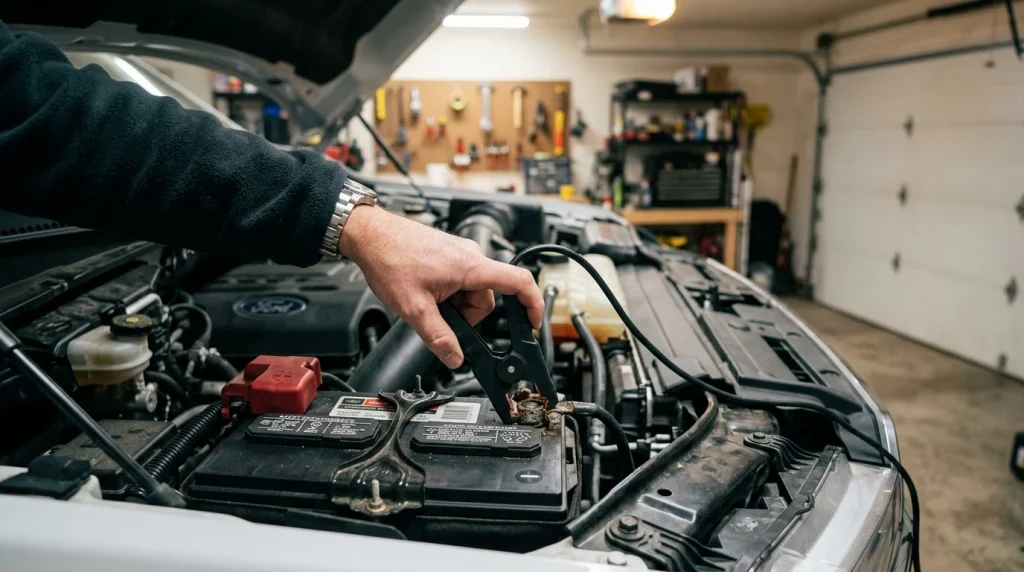
If your vehicle must sit for more than a few weeks without being driven, you should connect a battery maintainer, also known as a trickle charger. These units monitor the battery voltage and deliver a small charge only when needed, avoiding overcharging. In the event of a dead battery, you can read our guide on how to jump start a car in the rain to safely restore power under wet conditions.
Tire Flat-Spotting and Pressure Loss
Tires naturally lose about 1 to 2 PSI of air pressure per month. When a car sits parked in one position for weeks, the constant weight of the vehicle pushes down on the same section of the tire tread against the pavement. This pressure, combined with temperature changes, causes the rubber to flatten out in that specific spot.
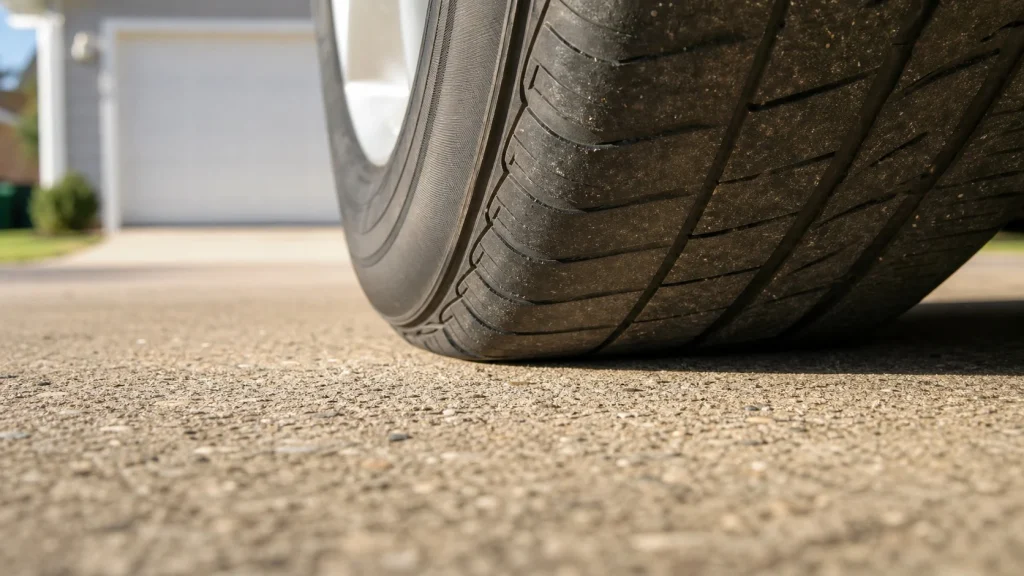
This condition is called flat-spotting. It can occur in as little as 30 days. High-performance or low-profile tires are particularly susceptible and can develop minor flat spots in just one to two weeks of cold weather. When you drive the car again, these flat spots cause a noticeable vibration in the steering wheel and a rough ride.
Note: While minor flat spots usually disappear after driving for a few miles as the tires heat up, severe flat-spotting from months of storage can be permanent and require tire replacement.
To prevent flat spots on vehicles parked for less than 45 days, AAA recommends adding an additional 10 PSI of air pressure to each tire (ensuring you do not exceed the maximum limit embossed on the tire sidewall). For longer storage periods, placing the vehicle on jack stands is the most reliable way to relieve all pressure from the suspension and tires.
Fuel Contamination and Oxidation
Gasoline does not remain stable indefinitely. The standard E10 gasoline found at most gas stations contains up to 10% ethanol. Ethanol is hygroscopic, meaning it actively absorbs moisture from the surrounding air. When a vehicle sits, air inside the fuel tank condenses, introducing water into the fuel.
This water absorption leads to phase separation, where the water-ethanol mix sinks to the bottom of the tank. Over time, the gasoline oxidizes, turning into a sticky, varnish-like substance that can clog the fuel pump, lines, and fuel injectors.
Standard E10 gasoline begins to degrade in about 30 to 60 days. Using degraded fuel can lead to hard starts, engine misfires, or complete fuel system failure. Fuel system repairs from stale gas can cost between $500 and $2,500 depending on the damage.
If you are preparing a car for extended storage, fill the gas tank completely. A full tank minimizes the empty airspace, reducing the amount of moisture that can condense inside. Adding a high-quality fuel stabilizer before parking can preserve the fuel for 12 to 24 months.
Fluid Separation and Moisture Accumulation
Motor oil, transmission fluid, coolant, and brake fluid all rely on heat and circulation to perform correctly. When a vehicle sits idle, gravity pulls motor oil down into the oil pan, leaving upper engine components dry and unprotected. The first start after a long period of sitting occurs with minimal lubrication, increasing engine wear.
Furthermore, brake fluid is glycol-based and absorbs moisture over time. When the vehicle is not driven, this moisture can cause internal corrosion in the calipers, master cylinder, and brake lines.
Before restarting a vehicle that has been parked for a long period, check all fluid levels. If you are checking the power steering system, you can consult our resource on how much power steering fluid does a car need to ensure it is topped off correctly.
Brake Rotor Corrosion and Seizing
Brake rotors are made of cast iron and are exposed to the elements. Without regular use to scrub the surface clean, moisture in the air will cause a thin layer of surface rust to form on the rotors within just a few days.
If the car sits for a few weeks, this rust is harmless and will be scrubbed off during your first few stops. However, if a vehicle is parked for months in a damp environment with the parking brake engaged, the brake pads can actually corrode and fuse to the rotors or drums. This can cause the brakes to seize completely when you attempt to drive.
To prevent this bonding, AAA recommends leaving the parking brake disengaged during long-term storage, using wheel chocks instead to keep the vehicle secure. If you find your vehicle has sustained minor scrapes or structural damage while parked outdoors, you can estimate body repair costs using our guide on how much is it to fix a car bumper.
Pest Infestations and Wire Damage
A stationary vehicle is an attractive nesting site for rodents, including mice, rats, and squirrels. The engine bay offers warmth, shelter, and protection from predators.
Rodents can cause severe damage by chewing through electrical wires, vacuum lines, and hoses. Many modern car manufacturers use soy-based wire insulation, which rodents find highly appealing. A chewed wiring harness can cause complex electrical failures that are difficult and expensive to diagnose.
To protect a parked vehicle from pests, remove all food and trash from the interior. Place peppermint oil packets or mothballs in the engine bay and under the car, as the strong scent deters rodents.
Parked Car Timeline: When Do Problems Begin?
The severity of inactivity-related issues increases the longer a vehicle sits. The following schedule outlines what occurs over time under average conditions.
| Duration Parked | Expected Vehicle Changes | Action Required |
|---|---|---|
| 1 to 2 Weeks | Minimal issues; slight surface rust on brake rotors. | Normal driving; no special prep needed. |
| 2 to 4 Weeks | Battery charge drops; minor tire pressure loss. | Drive the vehicle for 15-30 minutes. |
| 1 to 2 Months | Battery may discharge completely; fuel oxidation begins. | Use a trickle charger; add fuel stabilizer. |
| 3 to 6 Months | Flat spots on tires; dried seals; rusty brakes. | Perform a full safety inspection before starting. |
| 6+ Months | Degraded oil; seized brakes; potential pest damage. | Professional inspection and fluid service required. |
How to Maintain Your Car During Inactivity
Keeping a vehicle healthy during periods of disuse depends on whether you have the opportunity to drive it occasionally or must store it completely.
The Ideal Scenario: Driving Every 1 to 2 Weeks
The most effective way to prevent all mechanical issues related to sitting is to drive the vehicle every one to two weeks.
-
Lately, many drivers ask: Can I just start my car weekly instead of driving it?
Starting your car and letting it idle in the driveway is not sufficient. While idling for 10 minutes can warm the engine blocks, it does not generate enough alternator output to charge the battery. Furthermore, idling does not circulate fluids through the transmission or steering system, nor does it rotate the tires to prevent flat spots.
-
The correct approach: Drive the vehicle for at least 15 to 30 minutes. Include some highway speeds if possible to ensure the engine reaches full operating temperature, which burns off moisture in the oil and exhaust system.
Preparing a Vehicle for Long-Term Storage
If you must store your vehicle indefinitely or for several months without driving, take these steps:
- Wash and Wax: Clean the exterior to protect the paint from bird droppings, sap, and moisture. Storing your car inside a clean, dry space is ideal. If you are planning or sizing a garage, refer to our sizing guide on how many square feet is a two-car garage for layout ideas.
- Change the Oil: Old motor oil contains acids and contaminants that can corrode internal engine parts if left sitting.
- Stabilize the Fuel: Fill the gas tank to 95% capacity and add a fuel stabilizer. Drive the car for 5 to 10 miles to distribute the stabilized fuel through the system.
- Protect the Battery: Connect a smart battery maintainer or disconnect the negative battery cable entirely.
- Set Tire Pressures: Inflate the tires to the maximum recommended pressure shown on the sidewall to reduce flat-spotting.
Inspecting Your Vehicle After Extended Parking
Before starting a vehicle that has been sitting for months, perform a thorough inspection:
- Check underneath the car for fluid leaks or chewed wires.
- Inspect the engine bay for rodent nests or chewed hoses.
- Verify that all fluid levels (oil, coolant, brake fluid) are correct.
- Check tire pressures and inspect the tires for deep cracking or flat spots.
- Start the vehicle and test the brakes at low speeds in a safe area.
If you start the engine and notice dashboard warnings, you can check our analysis of what the exclamation point means in a car to identify potential issues immediately. For vehicles stored for more than six months, a professional mechanic should inspect the vehicle. Michael Crossen, an ASE-certified master technician at Consumer Reports, notes that having a professional evaluate a long-parked vehicle can prevent catastrophic failures down the road.
Electric Vehicle Storage: EV Charging and Battery Care
Electric vehicles (EVs) do not have combustion engine oil, spark plugs, or fuel lines, meaning they avoid issues like fuel degradation or dry engine starts. However, they face distinct challenges during inactive periods.
- High-Voltage Battery Drain: Unlike traditional cars, EVs use power to monitor battery temperature and run cellular connections. An EV can lose approximately 1% of its battery charge per day while parked.
- Storage Charge Levels: Storing an EV with a 100% full battery or letting it drain to 0% can permanently damage the battery chemistry. J.D. Power guides state that manufacturers generally recommend storing EVs at a state of charge (SoC) between 50% and 80%.
- The 12-Volt Battery: Just like gasoline vehicles, EVs rely on a standard 12-volt auxiliary battery to power onboard electronics and start the high-voltage system. If the 12-volt battery dies, the EV will not start, even if the main battery is fully charged.
Safe Inactivity Timeline by Component
| Component | Safe Duration (No Prep) | Problem Threshold | Protective Action |
|---|---|---|---|
| 12V Battery | 2 Weeks | 4 Weeks | Trickle Charger / Disconnect |
| Tires | 4 Weeks | 30 Days | Overinflate by 10 PSI / Jack Stands |
| Gasoline (E10) | 30 Days | 60 Days | Fuel Stabilizer + Full Tank |
| Brake Rotors | 3-5 Days (Surface Rust) | 1 Month (Corrosion) | Park without parking brake |
| Engine Oil | 3 Months | 6 Months | Fresh oil change before storage |
For more guides on vehicle dimensions, including high-end SUVs, you can check our reference on what is the length of a BMW X5.
Frequently Asked Questions
Can I leave my car parked for 3 months?
Yes, but you must take precautions. Standard E10 gasoline will degrade, and your battery will likely die. Fill the tank, add a stabilizer, connect a trickle charger, and inflate tires to maximum pressure to prevent flat spots.
Is it better to store a car with a full or empty gas tank?
Always store a car with a full gas tank. A full tank leaves no room for air, which prevents moisture from condensing on the inside walls of the tank and contaminating the fuel.
How often should you start a car that is not being driven?
You should drive the car once every two weeks for 15 to 30 minutes. Starting the car and letting it idle in the driveway does not generate enough electrical power to recharge the battery and can cause moisture buildup in the exhaust.
Will tires get flat spots from sitting for a month?
Yes, flat spots can begin to form after 30 days of inactivity. Performance tires or low-profile tires may develop flat spots even sooner, especially in cold weather.
What should I check before driving a car that has sat for a year?
Before starting the car, check the engine bay for rodent damage, check all fluid levels, inspect the tires for cracks or dry rot, and test the battery. It is highly recommended to change the oil and have the vehicle towed to a professional shop if you suspect mechanical issues.
For additional automotive maintenance advice and updates, you can explore our main News section.

