

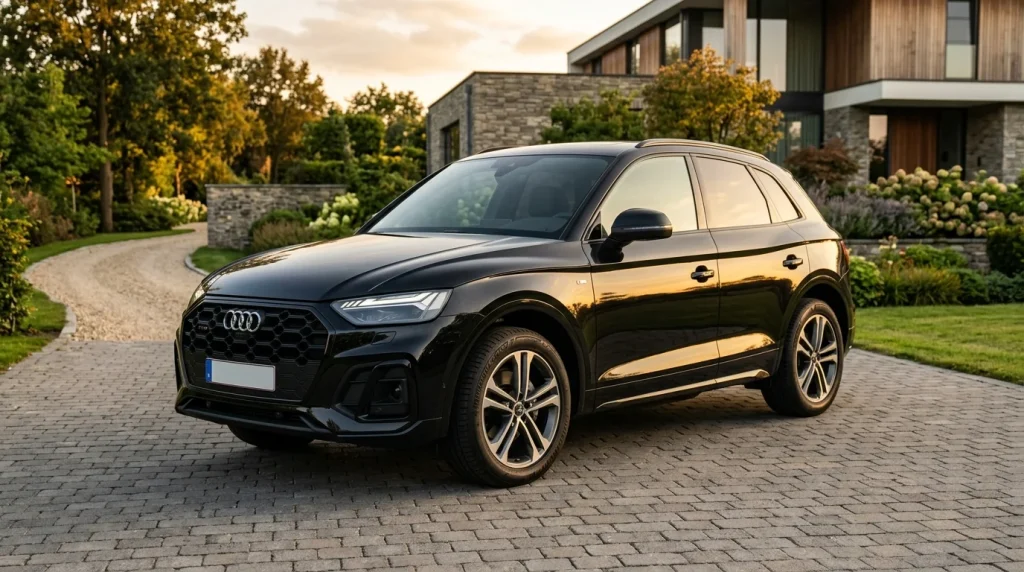
The current generation Audi Q5 measures 185.7 inches (4,717 mm) in length, positioning it squarely in the luxury compact SUV segment. In terms of ownership longevity, independent reliability data and owner reports indicate an Audi Q5 typically lasts between 150,000 and 200,000 miles when serviced according to factory maintenance schedules.
Key takeaways:
- Overall exterior length ranges from 182.2 inches (4,629 mm) on first generation models to 185.7 inches (4,717 mm) on current models, while the extended Q5L reaches 187.1 inches (4,753 mm).
- RepairPal ranks the Audi Q5 11th out of 14 luxury midsize/compact SUVs with a 3.0 out of 5.0 reliability score and an average annual repair cost of $928.
- Statistical models from iSeeCars indicate an average lifespan of 130,000 miles (approx 11 years), but diligent preventive maintenance allows well-kept examples to surpass 200,000 miles.
- NHTSA awards recent Audi Q5 models a 5-star overall safety rating, complemented by IIHS Top Safety Pick+ accolades for crashworthiness.
- Gasoline powered Q5 models demonstrate higher reliability scores (95.6%) than diesel variants (87.1%) in long-term owner surveys.
How Long Is an Audi Q5?
The length of an Audi Q5 varies depending on the production generation, body styling, and regional wheelbase specifications. Understanding these exterior dimensions helps drivers evaluate garage fitment and parking convenience.
How Long Is an Audi Q5 by Generation?
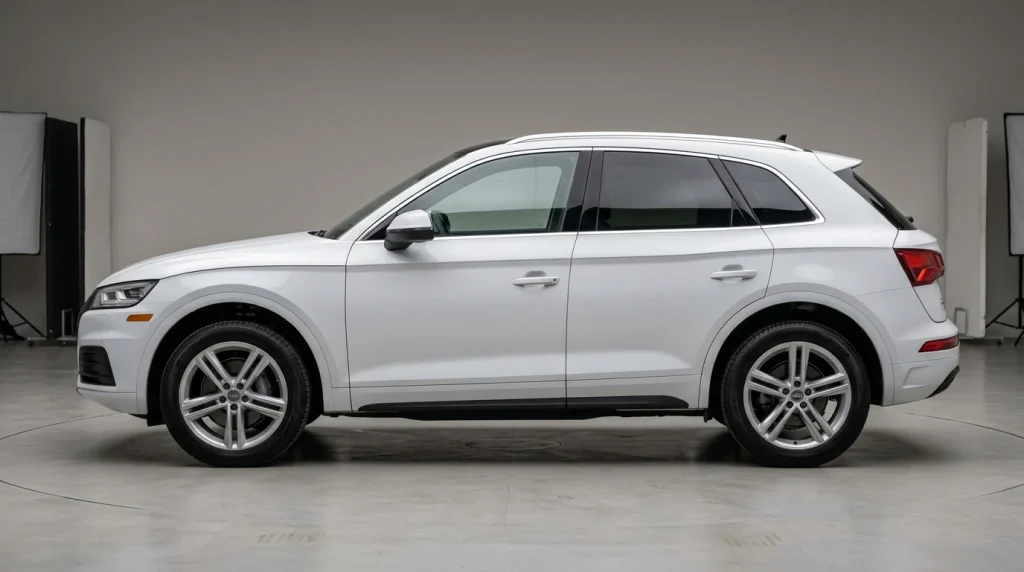
Audi has produced three distinct generations of the Q5 since its global debut. Across these model cycles, the vehicle has grown slightly in overall length to accommodate expanded interior cabin room and updated safety structures.
| Generation | Production Years | Overall Length (mm) | Overall Length (Inches) |
|---|---|---|---|
| Q5 First Generation (8R) | 2008-2012 | 4,629-4,639 mm | 182.2-182.6 in |
| Q5 First Generation Facelift (8R) | 2012-2017 | 4,639 mm | 182.6 in |
| Q5 Second Generation (FY) | 2016-2020 | 4,671-4,689 mm | 183.9-184.6 in |
| Q5L (Long Wheelbase, China) | 2018-2020 | 4,753 mm | 187.1 in |
| Q5 Second Generation Facelift | 2020-2024 | 4,682-4,689 mm | 184.3-184.6 in |
| Q5 Third Generation (Current) | 2024-Present | 4,717 mm (Sportback: 4,751 mm) | 185.7 in (Sportback: 187.0 in) |
According to official specification sheets compiled by Car and Driver, the third generation Q5 SUV measures 185.7 inches from bumper to bumper, providing a balanced footprint for both highway stability and urban maneuvering.
How Does the Audi Q5 Length Compare to Competitors?
At 185.7 inches long, the Audi Q5 sits directly alongside key German and luxury rivals in the premium crossover class. For context, the Q5 is approximately 1.5 inches shorter than the BMW X3 (187.2 inches) while sharing a similar overall width of roughly 74.5 to 74.8 inches without mirrors.
Buyers weighing different luxury options can explore our detailed Audi Q5 vs. BMW X3 comparison or evaluate Japanese and American luxury alternatives in our Audi Q5 vs. Lexus RX 350 comparison to see how interior passenger dimensions compare.
Is the Audi Q5 a Good Car?
Evaluating whether the Audi Q5 is a good vehicle requires examining crash test ratings, build quality, utility, and recurring ownership costs.
How Safe Is the Audi Q5?
Safety remains a strong selling point for the Audi Q5. The National Highway Traffic Safety Administration (NHTSA) awarded recent model year Audi Q5 SUVs a 5-star overall crash safety rating. Furthermore, the Insurance Institute for Highway Safety (IIHS) designated the Q5 as a Top Safety Pick+, recording “Good” ratings across driver side small overlap, passenger side small overlap, and moderate overlap front crash evaluations.
What Are the Pros and Cons of the Audi Q5?
J.D. Power vehicle dependability studies award the Audi Q5 an overall score of 76 out of 100, reflecting solid build materials and responsive handling. Shoppers balancing interior dimensions against luxury rivals can also compare key specs in our Audi Q5 vs. Genesis GV70 comparison.
- Pros: Premium interior craftsmanship, standard Audi quattro all-wheel drive system, quiet cabin insulation, and advanced driver assistance technology.
- Cons: Higher than average annual maintenance expenses, specialized European diagnostic requirements, and historical oil consumption issues on early 2.0T engines.
The Audi Q5 excels as a daily driver for buyers seeking refined road manners and top tier safety ratings, though prospective owners must budget for premium synthetic fluids and specialized component service.
Note: Features and safety equipment packages vary by trim level and model year. Always verify vehicle history reports before purchasing a used example.
How Long Does an Audi Q5 Last?
Determining how long an Audi Q5 lasts involves analyzing both large scale statistical averages and real world owner longevity experiences.
What Is the Average Lifespan of an Audi Q5 in Years and Miles?
Automotive data analytics firm iSeeCars analyzed over 300 million vehicle records and established an average statistical lifespan for the Audi Q5 of approximately 130,000 miles, or roughly 11 years of normal driving. Their data indicates that 4.5% of Audi Q5 vehicles reach or exceed the 200,000 mile mark.
How Does Maintenance Impact Audi Q5 Lifespan?
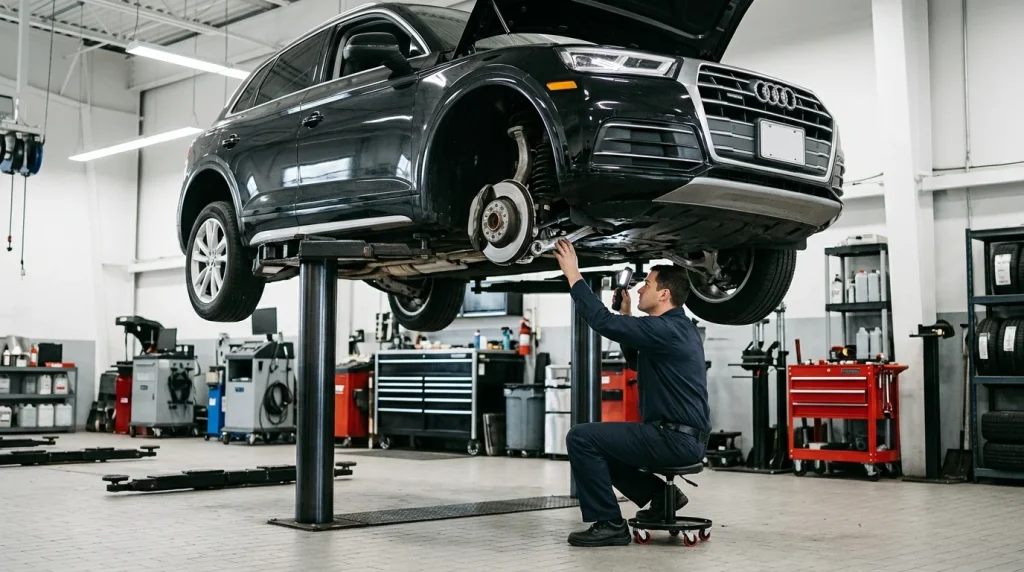
While 130,000 miles represents a statistical average for all traded and retired vehicles, automotive industry reports show that disciplined preventive maintenance allows an Audi Q5 to reach 150,000 to 200,000+ miles. Drivers interested in brand wide engineering expectations can check how many miles an Audi can last overall across different sedan and SUV platforms. High assembly precision across European production facilities – detailed in our guide on where Audi cars are made – helps maintain structural integrity over 150,000+ miles.
Key factors that prolong Q5 engine and transmission life include:
- Adhering strictly to 10,000-mile or 12-month synthetic oil change intervals using VW/Audi 502 00 or 504 00 approved fluids.
- Servicing the dual clutch S tronic or Tiptronic automatic transmission fluid every 40,000 to 60,000 miles.
- Inspecting timing chain tensioners and PCV valves on pre-2020 2.0T engines to prevent oil consumption and internal wear.
Are Audi Q5s Reliable Cars?
Reliability metrics evaluate the frequency, severity, and repair cost of mechanical breakdowns over time.
What Reliability Scores Does the Audi Q5 Receive?
RepairPal awards the Audi Q5 a reliability rating of 3.0 out of 5.0, ranking it 11th out of 14 luxury midsize SUVs. The average annual repair cost for a Q5 is $928, compared to an average of $807 for luxury midsize crossovers and $652 for all vehicle models.
Data from the long-running UK What Car? Reliability Survey reveals notable differences based on engine type:
- Gasoline Q5 models: Achieved a 95.6% reliability score (ranking 8th out of 24 luxury SUVs).
- Diesel Q5 models: Achieved an 87.1% reliability score (ranking 21st out of 24 luxury SUVs).
How Does the Q5 Compare to Audi Brand Averages?
As a brand, Audi ranks 28th out of 32 car manufacturers on RepairPal’s index, with an overall brand average repair cost of $987 per year. The Q5 demonstrates slightly better reliability and lower annual repair costs than the brand average, making it one of the more dependable choices within the top-rated Audi vehicle lineup. Shared platform components and engine architecture under parent entity Volkswagen Group – explained in our background guide on who makes Audi cars – ensure robust replacement part availability nationwide.
How Reliable Is the Audi Q5 by Year?
Reliability varies significantly across different production years as Audi introduced revised engine components, updated electronics, and improved thermal management systems.
Which Audi Q5 Years Are the Most and Least Reliable?
Aggregated historical owner complaint data and official technical service bulletins highlight clear patterns across Q5 model years:
- Most Reliable Model Years (2020-2026): Recent facelifted models score 72 to 76 out of 100 on dependability indices. Upgraded timing chain tensioners, revised piston rings, and refined infotainment software resolved earlier mechanical vulnerabilities.
- Least Reliable Model Years (2012-2018): Early second generation models recorded notable mechanical and electrical failures documented in official safety campaigns and class action litigation:
- Gateway Control Module Water Ingress (NHTSA Recall 21V947 / Safety Recall 90S9): On 2018-2022 Q5 and SQ5 models, liquid spilled on the rear seat or moisture penetrating an unsealed underbody seam can short-circuit the gateway control module, triggering an emergency mode that causes a sudden loss of engine power. Audi dealers resolve this by installing a protective module cover and sealing the underbody seam.
- 2.0T Water Pump and Thermostat Housing Leaks: Widespread premature failure of plastic water pump housings on 2.0T engines resulted in a nationwide class action settlement providing extended warranty coverage up to 8 years or 80,000 miles for qualifying coolant pump repairs.
- Pre-2015 2.0T Timing Chain Tensioners: Early 8R models experienced premature timing chain tensioner wear, leading to timing chain slippage and severe engine damage, which led to class action litigation (Opheim v. Volkswagen Group) and updated tensioner designs. Software updates and infotainment stability improved significantly in 2020+ models, resolving early electrical glitches such as those discussed in our review of Audi Apple CarPlay connectivity features.
How Many Miles Can an Audi Q5 Last?
Understanding high mileage thresholds helps second hand buyers set proper budget expectations for upcoming service items.
What Is Considered High Mileage for an Audi Q5?
In the used vehicle market, an Audi Q5 is generally considered “high mileage” once it passes 85,000 to 100,000 miles. Beyond this threshold, components such as control arm bushings, engine mounts, water pumps, and oxygen sensors often require replacement. However, crossing 100,000 miles does not mean the vehicle is near the end of its functional life if major wear items have been addressed.
What Annual Mileage Assumptions Are Used in Lifespan Estimates?
Standard automotive longevity calculations assume an average annual driving distance of 10,000 to 12,000 miles. At 12,000 miles per year:
- Reaching 150,000 miles takes approximately 12.5 years.
- Reaching 200,000 miles takes approximately 16.6 years.
Drivers who utilize advanced tech features like Audi navigation subscription costs for long highway commutes can easily reach these mileage milestones well within 10 to 15 years of ownership.
Frequently Asked Questions About Audi Q5 Dimensions and Reliability
Is an Audi Q5 gasoline or diesel model more reliable?
Survey data indicates that gasoline powered Audi Q5 models achieve higher reliability scores (95.6%) compared to diesel variants (87.1%). Gasoline models experienced fewer complex emissions control failures and required shorter repair times at independent shops.
Does Audi Q5 length differ between SUV and Sportback models?
Yes. The current Audi Q5 SUV measures 185.7 inches (4,717 mm) in overall length, whereas the sloped-roof Audi Q5 Sportback variant measures slightly longer at 187.0 inches (4,751 mm).

