

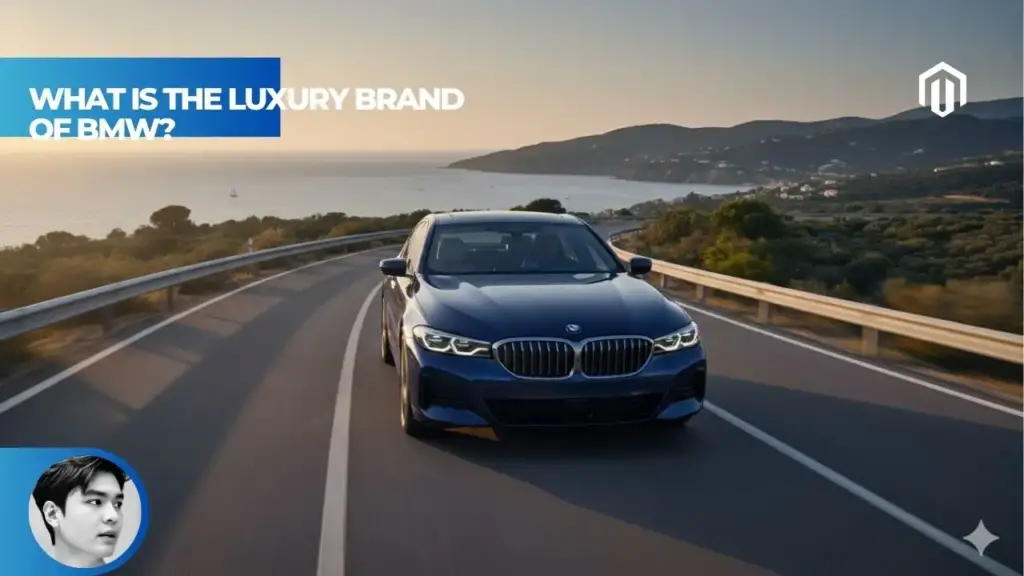
To understand what is the luxury brand of BMW, it helps to distinguish between the core automotive marque and its corporate parent. While the Bavarian manufacturer itself is a world-renowned luxury automaker, the dedicated ultra-luxury brand owned and operated by the parent company BMW Group is Rolls-Royce Motor Cars. Under the parent corporation’s umbrella, passenger vehicles span three distinct marques: the core badge for performance and executive luxury, Mini for premium compact cars, and Rolls-Royce for bespoke ultra-luxury mobility, alongside Motorrad for motorcycles.
Key takeaways:
- The parent corporation oversees three distinct automobile brands: the core marque, Mini, and Rolls-Royce, alongside its Motorrad motorcycle division.
- Rolls-Royce represents the pinnacle ultra-luxury tier within the wider corporate portfolio.
- Within the flagship passenger lineup, the highest tier of luxury is defined by model numbers 7 and 8, including the 7 Series, 8 Series, X7, and i8.
- The German automaker holds top-tier rankings among luxury brands for vehicle performance, engineering quality, and owner satisfaction.
Understanding the Luxury Brand Structure of the BMW Group
Clarifying the corporate brand structure requires looking at two distinct levels: the parent corporation and the vehicle badges themselves. The parent entity, BMW Group, functions as a multinational automotive conglomerate that oversees multiple specialized vehicle divisions. Within this corporate family, Rolls-Royce Motor Cars serves as the dedicated ultra-luxury crown jewel, while the namesake marque operates as the volume luxury and performance benchmark.
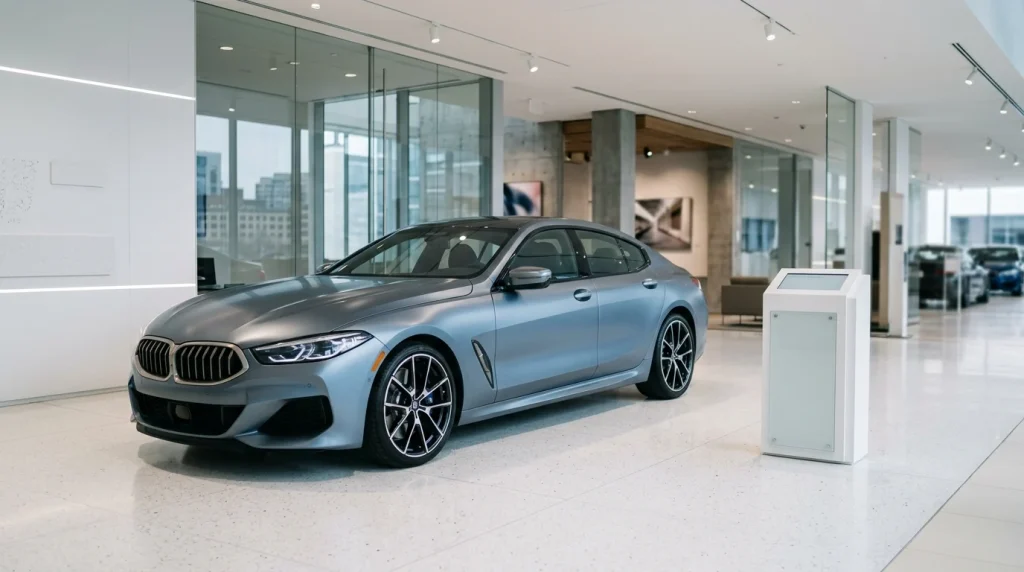
Tracing back to its aircraft engine manufacturing origins in 1916, the company has evolved into a multi-brand powerhouse. Rather than diluting a single badge across every market segment, the group separates its passenger cars into three clear brand pillars, ensuring that each vehicle line caters to a specific buyer demographic and price tier. Furthermore, independent BMW vs Mercedes reliability comparisons highlight how this structured multi-brand focus helps maintain competitive build standards across different vehicle categories.
| Brand | Market Tier | Manufacturing Focus | Core Positioning |
|---|---|---|---|
| Rolls-Royce | Ultra-Luxury | Hand-built bespoke craftsmanship in Goodwood, England | Absolute exclusivity, coachbuilt heritage, pinnacle status |
| Core Marque | Core Luxury | High-precision automated assembly in Germany and global plants | Dynamic performance, executive luxury, driver engagement |
| Mini | Premium Compact | Specialized production in the United Kingdom and Europe | Distinctive styling, urban agility, premium small car feel |
| Motorrad | Premium Motorcycle | Dedicated two-wheeler facilities in Berlin, Germany | High-performance touring, adventure, and sport motorcycles |
Rolls-Royce: The Ultra-Luxury Crown Jewel of the Group
The acquisition of Rolls-Royce by the parent group in 1998 reshaped the top echelon of the automotive industry. Following a transitional period that concluded in 2003, the company established a dedicated headquarters and state-of-the-art manufacturing plant in Goodwood, West Sussex, England. This move ensured that Rolls-Royce retained its storied British heritage while gaining access to advanced corporate engineering resources and powertrain technology.
Unlike standard luxury cars that roll off automated assembly lines by the hundreds of thousands each year, Rolls-Royce vehicles are tailored individually. Artisans craft bespoke wood veneers, hand-stitch pristine leather interiors, and hand-apply exterior coachlines. Through nameplates such as the Phantom, Ghost, Cullinan, and Spectre, Rolls-Royce delivers a level of personalization that sits well above traditional executive luxury sedans.
The Core Marque: Premium Luxury Performance
Standing alongside its ultra-luxury sibling, the core brand occupies the premium luxury sector. Built around the world-famous philosophy of creating the ultimate driving machine, the Bavarian automaker combines sharp handling, advanced digital cockpits, and sophisticated interior appointments.
This dedication to balanced dynamics and refinement has earned the marque widespread critical acclaim. According to independent testing published in Consumer Reports automotive evaluations, BMW consistently ranks among the top luxury automakers for road-test performance, mechanical reliability, and owner satisfaction scores.
The Elite Luxury Lineup: BMW 7 Series, 8 Series, and X7
For drivers seeking the pinnacle of luxury under the blue-and-white roundel itself, the Munich manufacturer developed a specialized luxury class. This upper tier distinguishes itself from mainstream models through larger vehicle footprints, bespoke cabin materials, and cutting-edge chassis systems. Separating flagship vehicles into an elevated luxury category allows the automaker to introduce experimental styling and flagship technologies before cascading them down to higher-volume models. This strategy protects the exclusive character of top-tier badges while elevating brand perception across the entire portfolio.
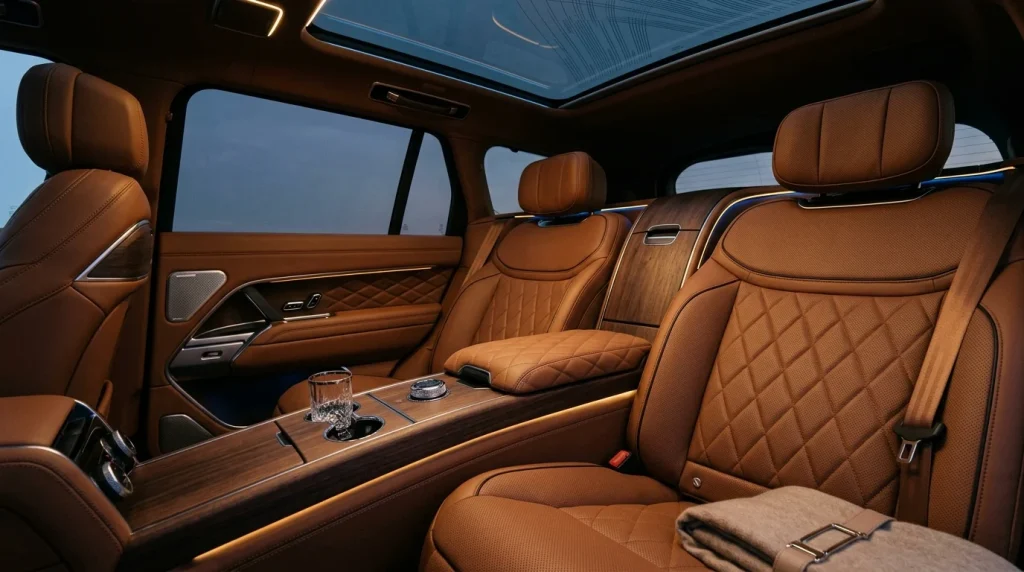
Within this product strategy, vehicle capabilities range from executive rear seating with panoramic theater displays to BMW i8 plug-in hybrid powertrain specs that pioneered lightweight carbon-fiber construction. Buyers looking to tailor these vehicles can also choose specialized BMW premium option packages that bundle adaptive air suspension, active steering, and executive interior comforts.
Four Decades of Flagship Heritage: The 7 Series
For over 40 years, the 7 Series full-size sedan has stood as the technological beacon of the brand. Each generation introduces groundbreaking safety features, digital infotainment upgrades, and acoustic glass engineering designed to isolate passengers from road noise. Modern 7 Series sedans offer executive lounge seating, rear-door touchscreens, and automatic opening and closing doors that directly rival entry-level ultra-luxury vehicles.
Expanding the Upper Luxury Segment: 8 Series, X7, and i8
To expand beyond traditional sedans, the company launched the largest luxury-segment model offensive in its corporate history. This expansion introduced the 8 Series Coupe, Convertible, and Gran Coupe, delivering grand touring performance with an imposing road stance. Simultaneously, the X7 arrived as a three-row Sports Activity Vehicle (SAV) offering opulent passenger space without sacrificing highway agility.
According to official announcements from BMW Group, the automaker significantly expanded its presence in the luxury segment by creating a distinct product category defined by the numbers 7 and 8. This offensive unified the 7 Series, 8 Series, X7, and the electrified i8 and i8 Roadster under a shared philosophy of progressive luxury.
Brand Identity and Recognition: Bayerische Motoren Werke
To visually signal this elite tier of automobiles, the Bavarian manufacturer established a distinctive aesthetic identity for its upper-tier lineup. For flagship vehicles encompassing the 7 Series, 8 Series, X7, and i8, the company pairs a classic black-and-white interpretation of the roundel with the full historical company name: Bayerische Motoren Werke.
This historical badge pays tribute to more than a century of German engineering excellence. It provides an understated visual signature for buyers who value heritage alongside high-end appointments. From the track-proven capabilities seen across the fastest BMW M Series models to the practical realities of managing long-term BMW ownership maintenance costs, the brand balances enthusiast driving dynamics with executive prestige.
Note: While the Bayerische Motoren Werke designation identifies the manufacturer’s most exclusive production cars, it remains part of the core marque. It does not replace Rolls-Royce as the group’s standalone ultra-luxury entity.
Frequently Asked Questions About BMW and Its Luxury Brands
Is BMW considered a luxury car brand?
Yes, BMW is recognized globally as a premier luxury automaker. The German brand produces executive sedans, coupes, and Sports Activity Vehicles known for premium materials, advanced driver-assistance systems, and engaging road dynamics.
Does BMW own Rolls-Royce?
Yes, the parent corporation BMW Group owns Rolls-Royce Motor Cars. The German automotive group acquired the automotive naming rights and brand trademarks in 1998, establishing modern production at the Goodwood estate in West Sussex, England.
What are the main vehicle brands owned by the BMW Group?
The parent corporation produces passenger vehicles under three primary automobile brands: the core namesake brand, Mini, and Rolls-Royce. In addition, the group manufactures premium motorcycles and maxi-scooters through its Motorrad division.
What are the automaker’s most luxurious models?
The manufacturer’s most luxurious models belong to the 7 and 8 series product family. Key flagship nameplates include the 7 Series sedan, the 8 Series grand tourers, the three-row X7 Sports Activity Vehicle, and the groundbreaking i8 plug-in hybrid sports car.

