


Quick answer:
When shopping for a used luxury coupe, knowing the exact Audi A5 years to avoid is critical to preventing expensive repairs. The most critical Audi A5 years to avoid are 2010 to 2012 due to widespread 2.0L TFSI engine problems, including excessive oil consumption and catastrophic timing chain tensioner failures. The 2011 model year is particularly problematic with numerous safety recalls. For a reliable used Audi A5, buyers in 2026 should target the B8.5 generation (2015-2016) or the facelifted B9.5 generation (2020 and newer) which resolved these fatal flaws.
Key takeaways:
- Avoid 2010-2012 A5 models due to catastrophic piston ring defects and premature timing chain failures.
- The 2011 Audi A5 is the single worst model year with the highest volume of owner complaints.
- Early B9 generation models (2018-2019) suffer from mechanical water pump leaks and plastic thermostat housing cracks.
- Avoid the fragile Multitronic CVT transmission found in front-wheel-drive models in favor of the sturdier Quattro S-Tronic DSG.
- Reliable alternatives include late first-generation (2015-2016) and post-facelift second-generation (2020-2025) models.
Audi A5 Years to Avoid: 2010-2012 Model Years
The 2010 to 2012 Audi A5 models represent the highest ownership risk, primarily due to the 2.0L EA888 Gen 2 engine’s defective piston rings that cause excessive oil consumption. In these model years, the engine burns oil at an alarming rate, sometimes consuming up to one quart per 1,000 miles.
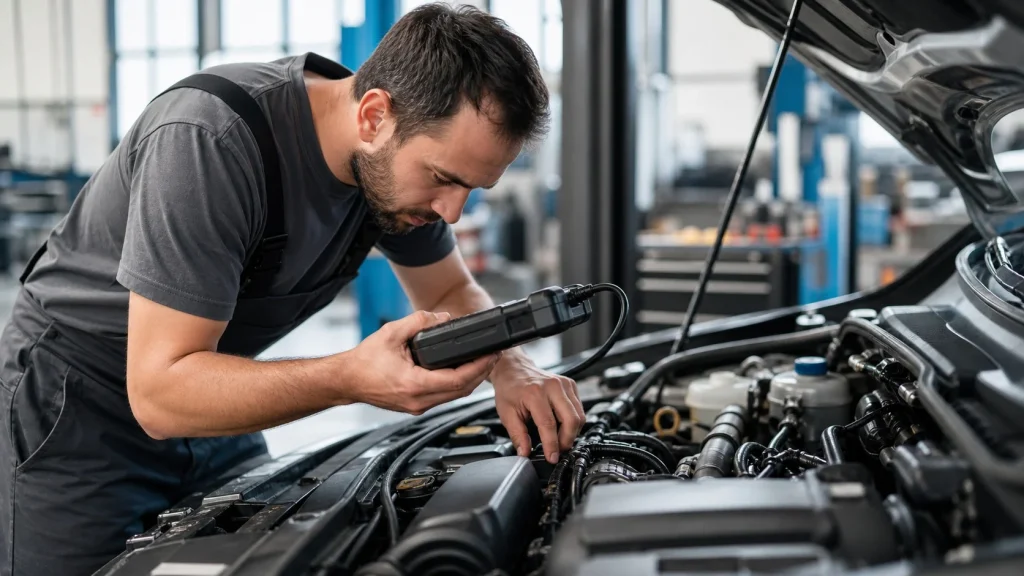
According to federal court records from the Asghari v. Volkswagen Group of America class-action lawsuit, the oil consumption defect was linked to faulty crankcase pressure regulating valves and crankshaft seals. The issue became so widespread that Audi issued a technical service bulletin in October 2013 titled “Engine oil consumption too high” to guide dealers. During the litigation, the federal judge noted that Audi raised several formal defenses:
“All engines consume some oil, and any consumption was disclosed in the owner’s manuals.”
While this was the manufacturer’s stance, owners often faced engine rebuild bills exceeding $10,000 when the defective piston rings failed. The subsequent Rieger v. Volkswagen Group of America class-action lawsuit targeted later 2012-2014 vehicles, alleging that the piston rings and piston heads could not handle the combustion heat and pressure, leading to cracked pistons.
If you are researching the Audi A4 years to avoid, you will notice a striking similarity, as both vehicles share the exact same CAEB 2.0T powerplant during this era. Before purchasing any vehicle from this generation, it is crucial to inspect the piston rings and check the lubrication levels. Knowing do you check oil when car is hot or cold is essential for monitoring these oil-hungry engines.
Analysis: The 2.0L TFSI engine in 2010-2012 models has an inherent design defect in its oil control rings. These rings allow oil to leak past the pistons into the combustion chamber, where it burns off. This clogs the catalytic converter and starves the engine of lubrication, causing total failure.
Note: The Rieger class-action settlement provided up to $12,000 in piston repair reimbursements, but the claim deadline passed on April 15, 2024. Second-hand buyers today must bear the full financial risk.
In addition to oil consumption, the 2010-2012 engines utilize a defective plastic timing chain tensioner. Over time, the plastic teeth on the tensioner wear down or break. If the tensioner fails, the timing chain slips, causing the pistons to strike the valves. This interference design results in catastrophic engine damage, requiring a full engine replacement.
While Volkswagen Group of America extended the timing chain warranty to 10 years or 100,000 miles, many used A5s have now aged out of this coverage. For instance, a documented case of a 2012 A5 Cabriolet with 106,000 miles showed that Audi refused to fully cover the $8,000 timing chain failure because the vehicle had exceeded the 100,000-mile lawsuit threshold.
2011 Audi A5: The Single Worst Model Year
The 2011 Audi A5 stands out as the single worst model year to buy. It accumulated the highest volume of owner complaints for engine failure, piston damage, and airbag defects. CarGurus automotive data highlights that the 2011 model has an unusually high incidence of complete engine failure before reaching the 100,000-mile mark.
Safety recalls also plague this model year. The 2011 A5 was heavily affected by the infamous Takata airbag recall. Under high humidity, the chemical propellant in the Takata inflator degraded. Upon deployment, the inflator could rupture, sending sharp metal fragments into the cabin. When buying a used 2011 model that has been sitting on a dealer lot, you should also check the battery condition; understanding how long does it take to replace a car battery can help you plan immediate maintenance costs.
2018-2019 Audi A5: First-Year B9 Generation Glitches
The redesigned B9 generation introduced for the 2018 model year solved the severe piston ring and timing chain tensioner failures of the older B8 platform. However, the 2018 and 2019 Audi A5 models suffer from first-year production glitches, primarily centered around the cooling system and vehicle electronics.
The most common mechanical issue is a coolant leak originating from the plastic thermostat housing and the mechanical water pump. The plastic housing is prone to warping and cracking under engine heat, causing a slow coolant leak.
According to Audi’s Technical Service Bulletin MC-10166730, the manufacturer issued strict guidelines to dealers:
“The water pump should only be replaced if there is a leak from the control/weep hole. All other replacements are unauthorized.”
If you experience coolant leaks, independent shop repairs for this integrated module cost between 800 and 1,500 Euros.
Analysis: The mechanical water pump and thermostat housing are joined together in a single module. While Audi advises dealers not to replace both at the same time unless both leaks are documented, many independent specialists recommend replacing the entire assembly to prevent repeat labor costs.
Note: Standard 2018-2019 A5 models utilize the EA888 2.0T engine. However, S5 variants with the EA839 V6 engine are subject to the Larr v. Volkswagen Group of America class-action lawsuit filed in May 2026. The lawsuit alleges that internal coolant leaks contaminate the vacuum system, causing engine damage.
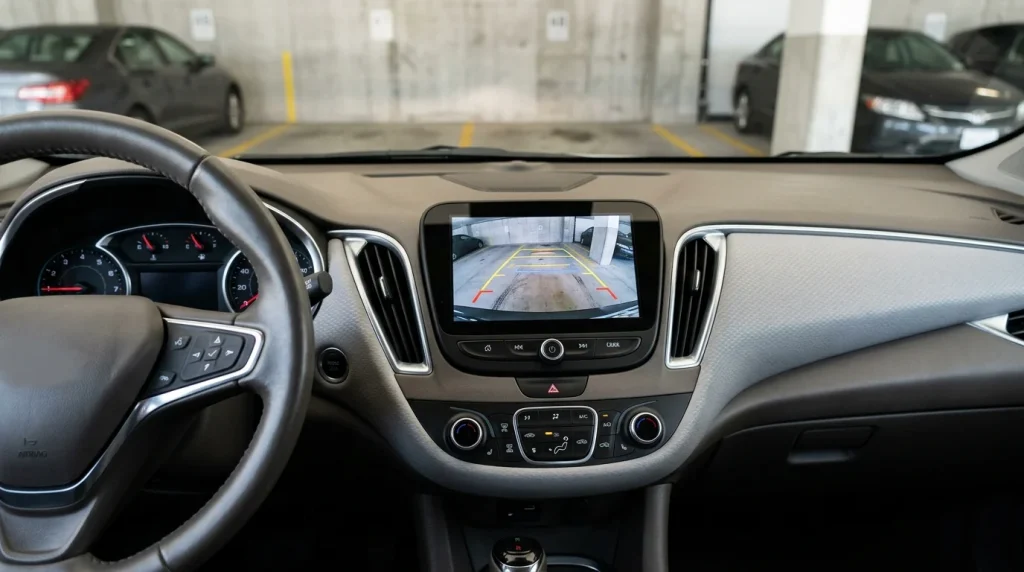
On the electrical side, the 2019 Audi A5 is subject to a safety recall announced in January 2026 (NHTSA Campaign 25V900 / Audi code 90TV). A software error in the infotainment control unit can prevent the rearview camera image from displaying when reversing. This safety non-compliance increases the risk of backup accidents. Dealers provide a free software update to resolve the signal noise between the camera and the control unit.
Common Audi A5 Problems Across All Model Years
Beyond year-specific engine flaws, certain mechanical problems affect the Audi A5 across multiple generations. Used buyers must inspect these components before making a purchase.
Fragile Multitronic CVT in Front-Wheel-Drive Models
Front-wheel-drive A5 models produced before 2016 utilize the Multitronic continuously variable transmission (CVT). This transmission is notoriously fragile. It frequently exhibits severe shuddering at low speeds, delayed acceleration, and complete electronic control unit failure. Replacing a failed CVT exceeds $5,000.
For a reliable drivetrain, buyers should choose models equipped with the Quattro all-wheel-drive system. These models utilize the sturdier S-Tronic dual-clutch (DSG) or Tiptronic automatic transmissions. Additionally, proper tire maintenance is critical for all-wheel-drive models, so make sure to check the best tires for Audi to understand the Quattro tread depth rules.
Intake Valve Carbon Buildup in TFSI Engines
Because the Audi A5 uses direct-injected TFSI engines, fuel is sprayed directly into the cylinder rather than washing over the intake valves. As a result, oil vapors bake onto the hot intake valves, forming carbon deposits. Over 60,000 miles, this buildup restricts airflow, leading to rough idling, engine misfires, and decreased fuel economy. A manual carbon cleaning service (walnut blasting) is required every 60,000 to 80,000 miles to restore engine performance.
Reliable Audi A5 Model Years to Buy Used
If you want to buy a used Audi A5, focusing on the right model years will save you thousands of dollars in repairs.
2015-2016 Audi A5 (Late B8.5 Generation)
The 2015 and 2016 model years represent the pinnacle of the B8.5 generation. By 2015, Audi had redesigned the piston rings and updated the timing chain tensioner, effectively resolving the catastrophic defects of the 2010-2012 models. These late B8.5 models offer classic styling and balanced reliability at an affordable price point. If you are also open to utility vehicles, note that the compare audi q5 vs genesis gv70 analysis shows similar reliability improvements for Audi SUVs around this timeframe.
2020-2025 Audi A5 (Facelifted B9.5 Generation)
For buyers with a larger budget, the 2020 to 2025 model years are the safest overall choice. The B9.5 facelift introduced a touchscreen MMI interface and resolved the early electrical glitches of the 2018-2019 models. These models feature a 12-volt mild-hybrid system that improves start-stop smoothness. They are ranked among the best audi cars for daily driving comfort and modern tech.
Frequently Asked Questions About the Audi A5
Is the Audi A5 a reliable car?
The reliability of the Audi A5 depends entirely on the model year. The B8.5 (2015-2016) and B9.5 (2020+) generations are highly reliable when maintained properly. However, early B8 models (2010-2012) are very unreliable and carry high risk of engine failure.
What is the most common Audi A5 problem?
The most common and severe problem is excessive oil consumption in the 2010-2012 model years due to defective piston rings. This is followed by timing chain tensioner failures in the B8 generation and water pump leaks in the B9 generation.
Are Audi A5s expensive to maintain?
Yes, the Audi A5 carries premium maintenance costs typical of German luxury vehicles. Routine services like DSG fluid flushes, carbon cleaning, and brake replacements are expensive, and out-of-warranty repairs can quickly cost thousands of dollars.
Should I buy an Audi A5 with over 100,000 miles?
Buying an Audi A5 with over 100,000 miles is risky, especially for 2010-2014 models. If you purchase a high-mileage A5, target a 2015 or newer model, ensure it has a documented oil change history, and obtain a pre-purchase inspection by an Audi specialist.
Is the Audi S5 more reliable than the A5?
The Audi S5 equipped with the 3.0L V6 engine does not suffer from the piston ring oil consumption defects of the early 2.0L A5. However, it has higher overall maintenance costs due to performance brakes, sport suspension, and expensive replacement parts.

