You may also like:
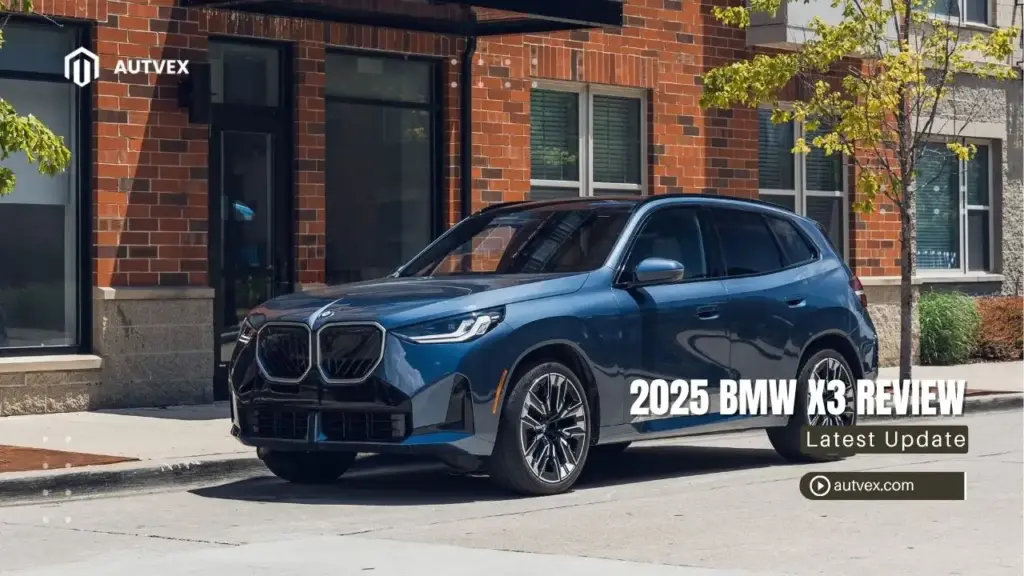
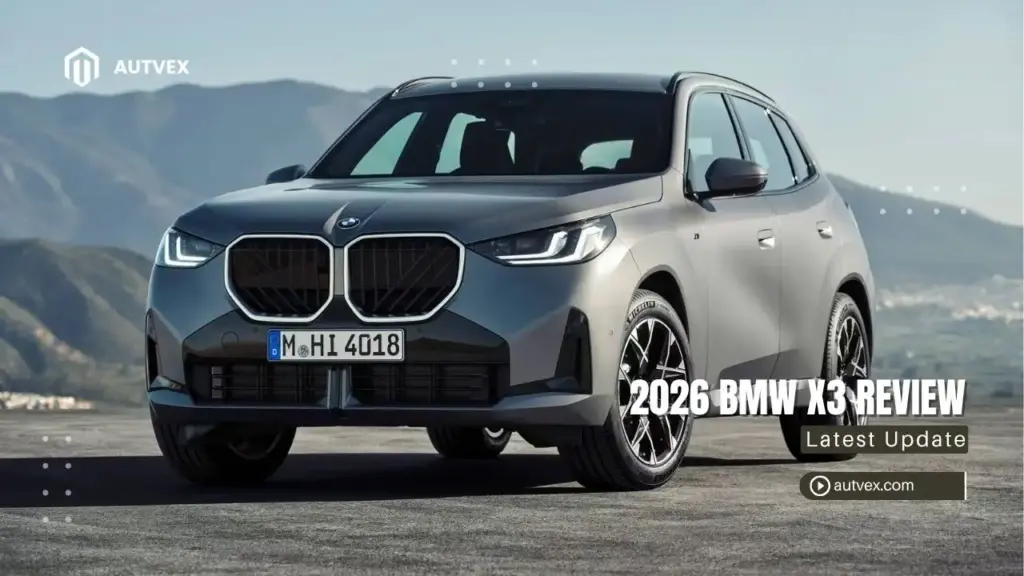
The 2026 BMW X3 carries over largely unchanged from the significant 2025 redesign, adding only minor updates like an available tire sealant kit and YouTube app integration[1]. Starting at $52,075 for the 30 xDrive, BMW’s bestselling SUV continues to deliver a balanced driving experience that Car and Driver says “supersedes its sometimes-puzzling styling elements”[2]. After spending time with this fourth-generation X3, the combination of fuel efficiency, spacious interior, and sporty handling makes it easy to overlook the cabin’s less-than-luxurious materials[1].
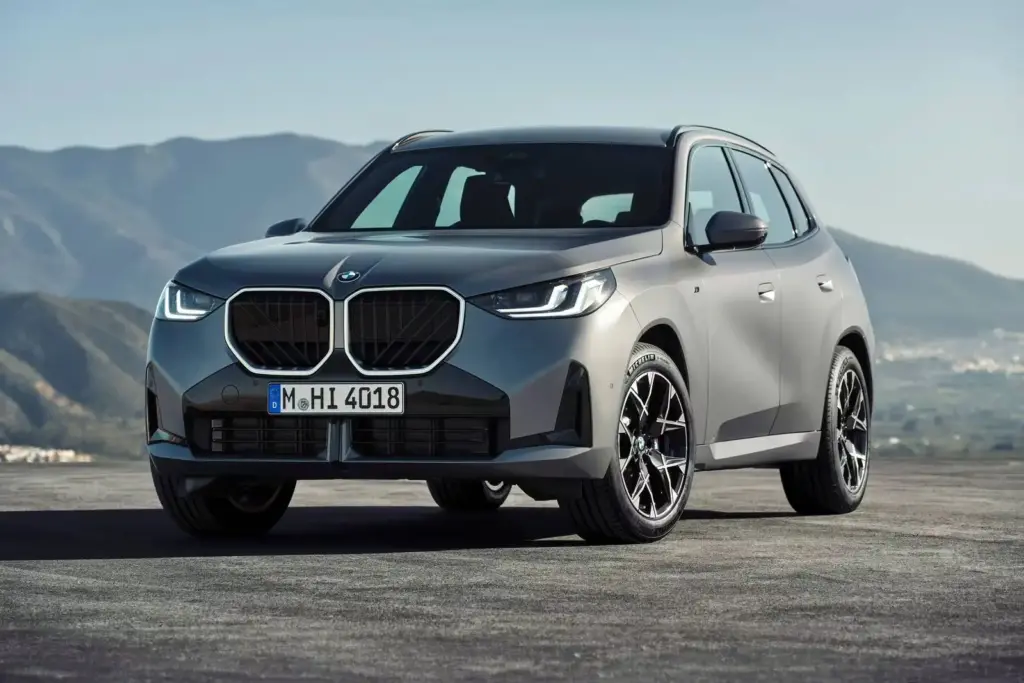
Why This Review Matters
The compact luxury SUV segment demands excellence across performance, practicality, technology, and safety. Buyers cross-shopping the X3 will encounter formidable competition from the Mercedes-Benz GLC ($50,700), Genesis GV70 ($50,480), Audi Q5 ($52,000), and Volvo XC60 ($50,995)[2]. Car and Driver ranks the X3 fourth among Best Compact Luxury SUVs, trailing only the Porsche Macan, Genesis GV70, and Mercedes GLC[2]. Understanding where this German SUV excels and where it still falls short helps narrow down a decision in this crowded field.
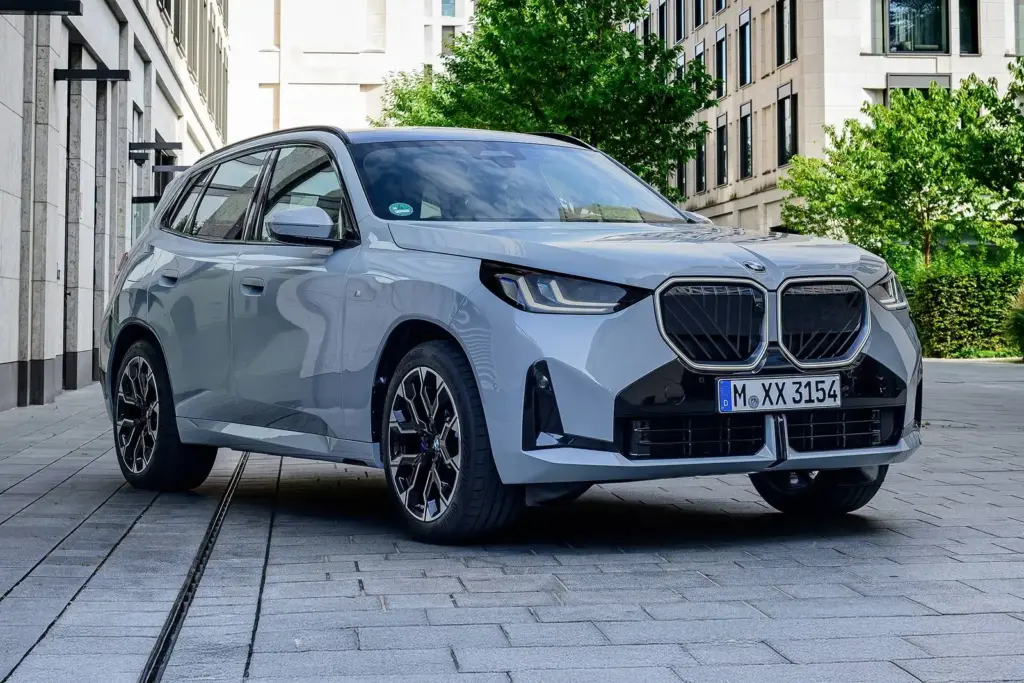
Specifications Overview
| Category | X3 30 xDrive | X3 M50 xDrive |
|---|---|---|
| Engine | 2.0L Turbo 4-cyl + 48V Mild Hybrid[2] | 3.0L Turbo 6-cyl + 48V Mild Hybrid[2] |
| Horsepower | 255 hp @ 6,500 rpm[2] | 393 hp @ 5,200 rpm[3] |
| Torque | 295 lb-ft @ 1,600 rpm[2] | 428 lb-ft @ 5,200 rpm[3] |
| 0-60 mph (tested) | 6.2 sec[2] | 4.0 sec[2] |
| Drivetrain | AWD | AWD |
| Fuel Economy (City/Hwy/Comb) | 27/33/29 mpg[2] | 25/30/27 mpg[2] |
| Starting MSRP | $52,075[3] | $67,075[3] |
| Towing Capacity | 4,000 lbs[1] | 4,850 lbs[1] |
| Cargo Volume | 32 cu ft (seats up) / 67 cu ft (seats down)[2] | 32 cu ft (seats up) / 67 cu ft (seats down)[3] |
Both engines feature the 48-volt mild-hybrid system introduced with the 2025 redesign. The M50’s 4,850-pound towing capacity ranks among the highest in the compact luxury SUV class[1].
Design and Practicality
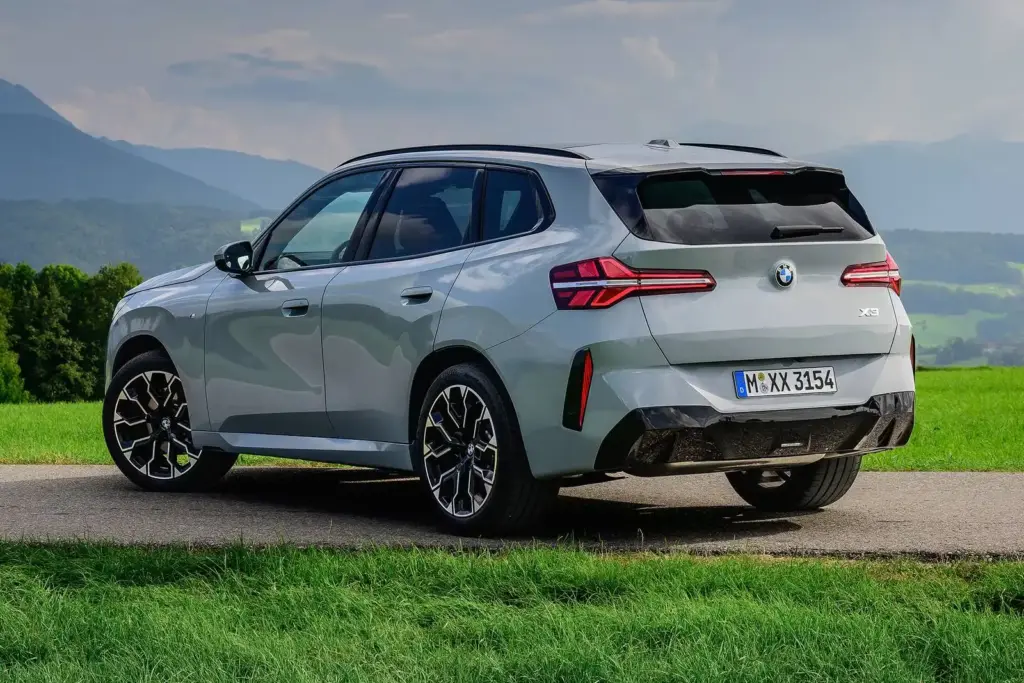
BMW positions the X3 between the subcompact X1 and larger X5 in its SUV lineup[1]. The fourth-generation design features angular body creases and a prominent grille that Car and Driver describes as “clunky styling elements front and rear”[2]. Visibility is excellent overall, and the optional surround-view camera system provides added clarity in tight spots[1].
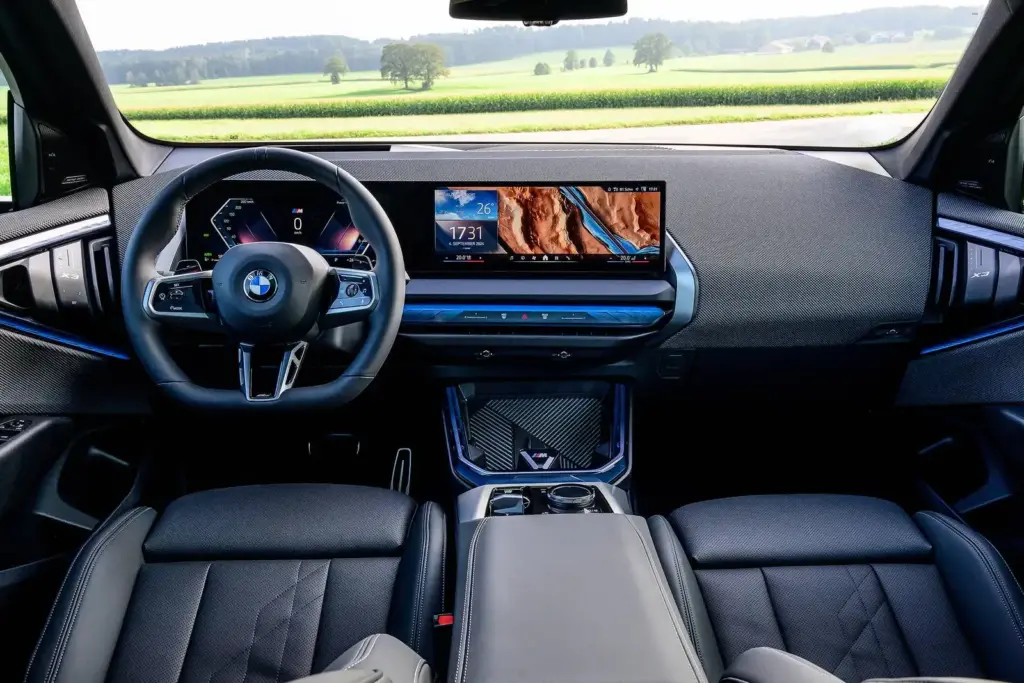
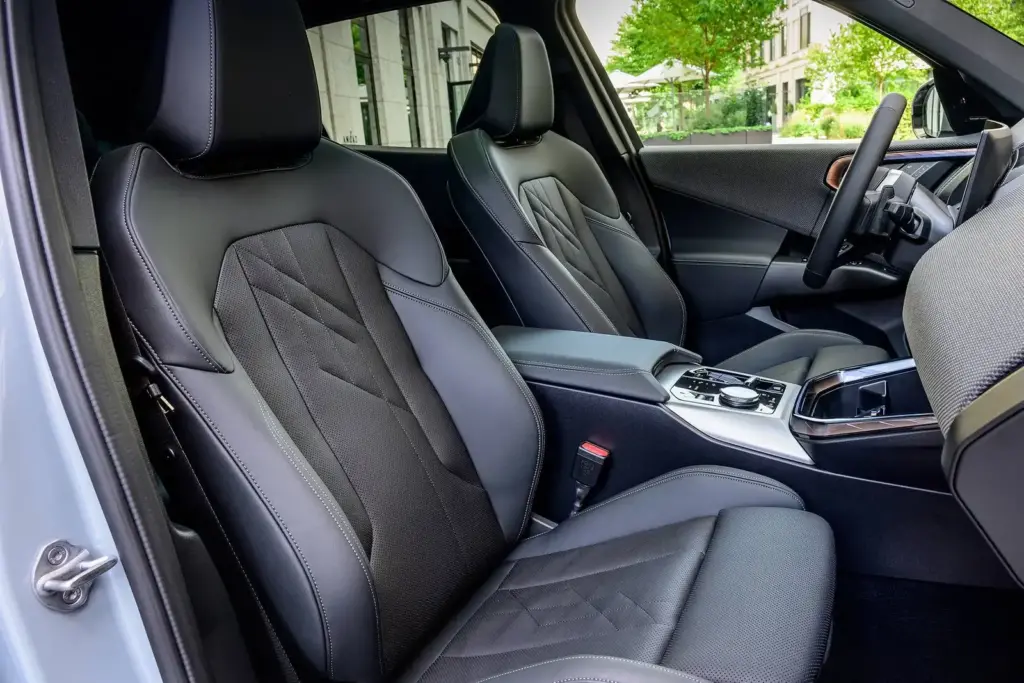
Where the X3 falls short is interior materials. Edmunds specifically notes that interior materials “aren’t as luxurious as they should be” for a vehicle in this price range[1]. Standard equipment includes heated and ventilated power-adjustable sport seats with three color choices for the faux-leather upholstery[2]. Genuine leather remains optional, as does a woven fabric instrument panel made from recycled polyester—marking its first use on any BMW product[2].
Cargo space improved 10 percent over the outgoing model, with 32 cubic feet available behind the rear seats[2]. Car and Driver fit 8 carry-on suitcases in the cargo area with the rear seats up and 24 cases with the seats folded[2]. Rear passengers benefit from air vents but lack independent fan and temperature controls[1].
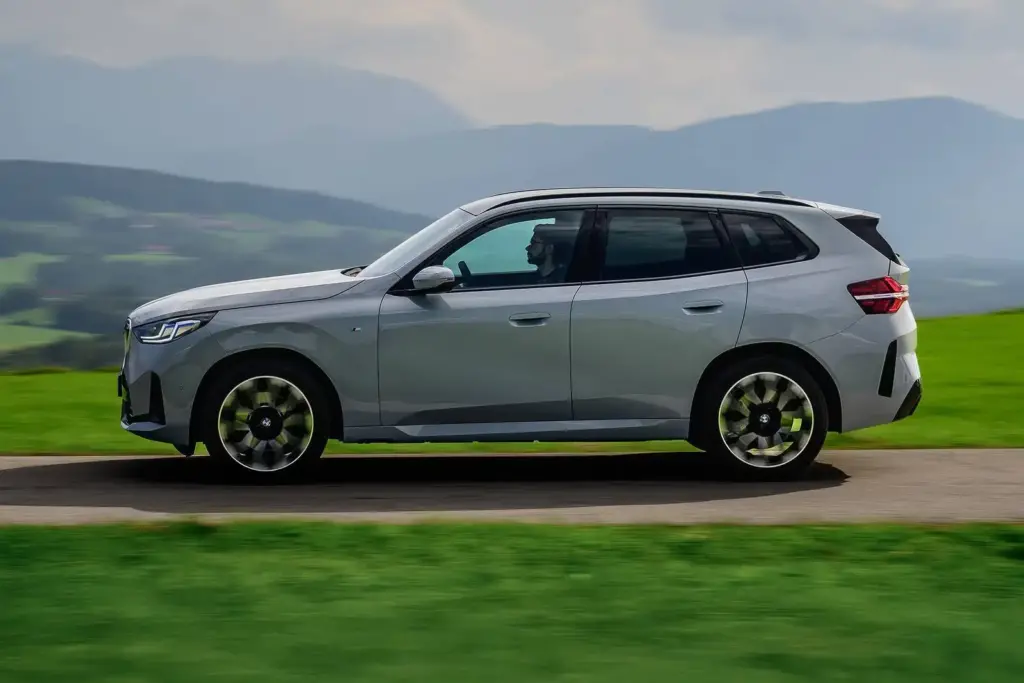
Performance and Efficiency
The turbocharged 2.0-liter four-cylinder in the 30 xDrive produces 255 horsepower boosted by the 48-volt hybrid system[2]. Car and Driver tested the four-cylinder model to 60 mph in 6.2 seconds—respectable for a family SUV weighing 4,246 pounds[2]. Edmunds finds the 30 xDrive “fun to drive, offering a satisfying blend of acceleration, ride quality, responsive handling and fuel efficiency”[1].
The M50 delivers a more genuine BMW experience. Its turbocharged 3.0-liter inline-six produces 393 horsepower and rocketed to 60 mph in just 4.0 seconds during Car and Driver testing[2]. Three drive modes—Personal, Efficient, and Sport—tailor responses to the driver’s needs, and an adaptive suspension is standard on the M50 (optional on 30 xDrive)[2].
Real-world fuel economy impressed. The M50 returned 29 mpg on Car and Driver’s 75-mph highway loop—2 mpg better than its EPA highway rating[2]. The 30 xDrive observed 25 mpg in mixed driving[2]. Premium fuel is required for all variants.
On the downside, the mild hybrid system has room for improvement. Edmunds found the auto stop-start feature intrusive when coasting to a stop, momentarily cutting the air conditioning on warmer days[1]. Car and Driver also notes the “faux engine-noise soundtrack can be annoying”[2].
Technology and Features
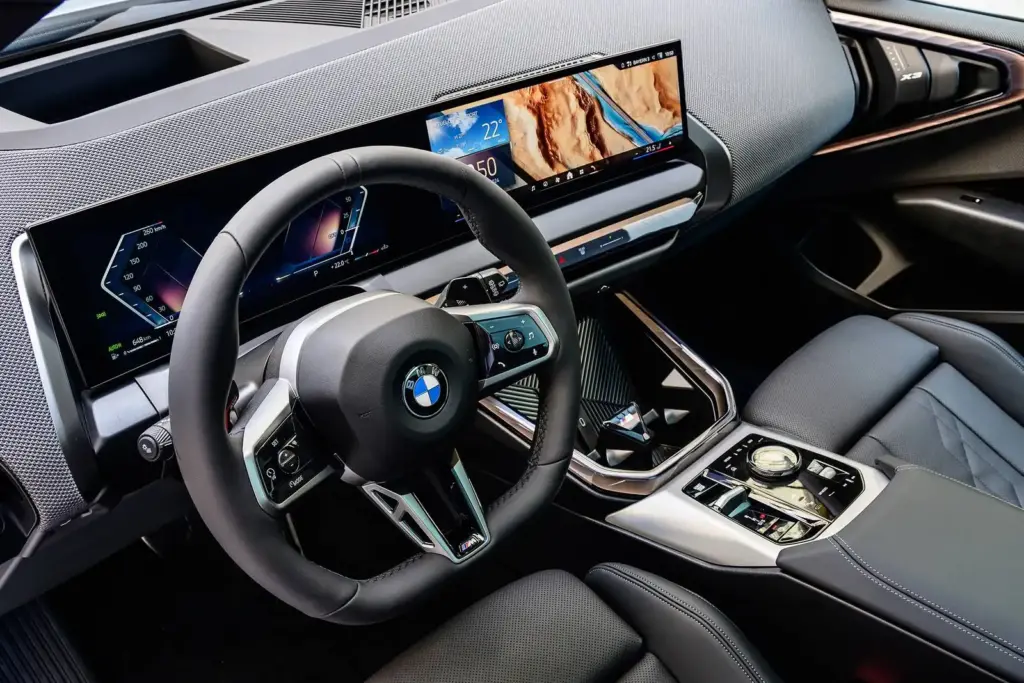
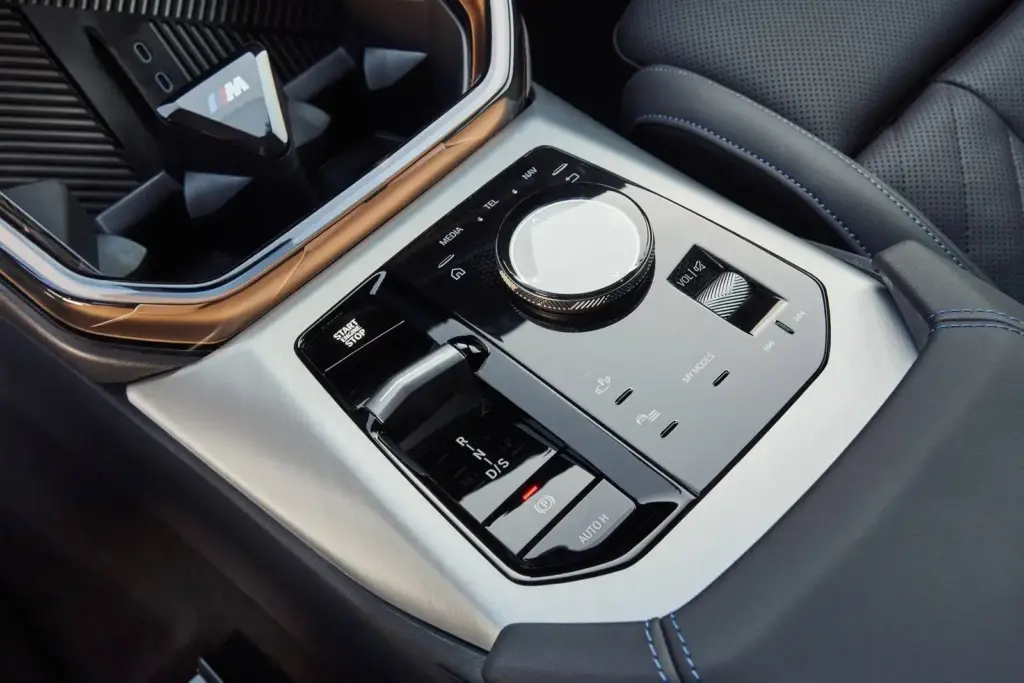
BMW Operating System 9 powers the X3’s digital displays and infotainment system[1]. The iDrive rotary knob remains in place—a welcome surprise considering BMW removed it from the recently refreshed X1 and X2 models[2]. The system also accepts inputs via the touchscreen, steering wheel controls, and voice commands[2].
| Feature | 30 xDrive | M50 xDrive |
|---|---|---|
| Blind-Spot Alert | Standard[3] | Standard[3] |
| Collision Warning System | Standard[3] | Standard[3] |
| Adaptive Cruise Control | Optional[3] | Optional[3] |
| Surround View Camera | Optional[3] | Optional[3] |
| Premium Audio | Optional[3] | Optional[3] |
| Heated Steering Wheel | Optional[3] | Standard[3] |
| Panoramic Moonroof | Optional[3] | Standard[3] |
| Remote Engine Start | Optional[3] | Standard[3] |
BMW Digital Premium subscription unlocks video streaming and gaming options when the vehicle is stopped[2]. Spotify, Amazon Music, and now YouTube join the X3’s list of streaming services for 2026[1]. Connectivity remains strong with two USB-C ports in each row and a wireless charging pad with vertical design[1].
Climate controls integrated into the touchscreen require additional steps to make adjustments, which Edmunds found less intuitive[1]. Car and Driver agrees that “infotainment controls could be streamlined”[2].
Ownership Costs
Starting at $52,075, the BMW X3 is pricier than the Genesis GV70 and Acura RDX but cheaper than the Mercedes GLC[1]. Edmunds finds the X3 still offers solid value, even when adding optional features[1]. Buyers generally pay 4.8% below MSRP on the 30 xDrive—approximately $2,454 in savings—while M50 buyers save around 3.2% or $2,090[1].
Special APR rates start at 0.9% for 36, 48, or 60 months[1]. Military members and recent college graduates qualify for a $1,000 discount[1]. Lease options start around $741 per month with $5,741 due at signing[1].
BMW’s warranties are standard for luxury vehicles—4 years/50,000 miles basic and drivetrain coverage—but less generous than those from Genesis (5 years/60,000 miles) and some Japanese brands[2]. The three years of complimentary scheduled maintenance matches what Genesis and Volvo offer[2]. BMW maintenance costs typically run higher than mainstream brands after the complimentary period expires.
Pros and Cons
Strengths:
- Well-developed ride and handling balance delivers a satisfying driving experience that Car and Driver ranks among the best in the compact luxury SUV segment[2]
- Fuel economy of 29 mpg combined for the 30 xDrive represents a substantial improvement over the previous generation’s 24 mpg rating[2]
- M50’s towing capacity of 4,850 pounds ranks among the highest in its class, outperforming most direct competitors[1]
- Cargo space increased 10 percent over the outgoing model, fitting 8 carry-on suitcases behind the rear seats[2]
- Market pricing approximately 4.8% below MSRP provides immediate savings of around $2,454 on the 30 xDrive[1]
Weaknesses:
- Interior materials fall short of expectations for the price—Edmunds notes the cabin lacks the luxury feel buyers expect at $52,000+[1]
- Clunky styling elements front and rear divide opinion, with Car and Driver calling the design “sometimes-puzzling”[2]
- Adaptive cruise control and surround-view camera remain optional despite being standard on some competitors at similar price points[1][3]
- Auto stop-start system is intrusive when coasting to a stop, momentarily cutting air conditioning on warm days[1]
- Faux engine-noise soundtrack can be annoying according to Car and Driver, particularly on the M50[2]
Final Verdict
The 2026 BMW X3 maintains its position as a compelling choice in the compact luxury SUV segment, delivering the balanced driving experience BMW has refined over two decades of building sporty crossovers[2]. Edmunds summarizes it well: “The X3 is the rare luxury vehicle that looks, feels and drives like it should cost more than it does”—except for the interior materials[1].
Car and Driver recommends the 30 xDrive for most buyers: “Considering the $15k gap, we think the xDrive30 represents the best value”[2]. Adding the Convenience package and M Sport package still saves thousands compared to the M50.
- Choose the X3 if: You prioritize driving dynamics and fuel efficiency over interior opulence, and can take advantage of current discounts averaging nearly 5% below MSRP.
- Consider alternatives if: You want more luxurious interior materials, prefer adaptive cruise control as standard equipment, or value a longer warranty (Genesis offers 5 years/60,000 miles basic coverage).
FAQs
Is the 2026 BMW X3 reliable?
BMW covers the first 3 years or 36,000 miles of scheduled maintenance at no charge, which helps offset ownership costs during the warranty period[2]. Edmunds does not yet have a reliability score for this fourth-generation X3 since it was introduced just last year. Previous X3 generations showed average reliability for the luxury segment.
Which 2026 X3 trim is best?
Car and Driver recommends the X3 30 xDrive, noting the M50’s $15,000 price premium “isn’t worth it unless you place a big priority on performance”[2]. Edmunds agrees that “most people will find the less expensive X3 30 xDrive more than satisfying” and that it’s easy to keep the price under $60,000 even with options[1].
What’s new for the 2026 BMW X3?
How does the 2026 X3 compare to the 2025 BMW X3?
What is the fuel economy of the 2026 X3?
References
- Edmunds. (2026). 2026 BMW X3 Prices, Reviews, and Pictures. https://www.edmunds.com/bmw/x3/2026/
- Car and Driver. (2026). 2026 BMW X3 Review, Pricing, and Specs. https://www.caranddriver.com/bmw/x3
- Kelley Blue Book. (2026). 2026 BMW X3 Specs, Features & Options. https://www.kbb.com/bmw/x3/2026/specs/

I am a senior automotive analyst at Autvex. Expert vehicle evaluations, in-depth reviews, and objective analysis helping readers make informed automotive decisions with years of industry experience.