

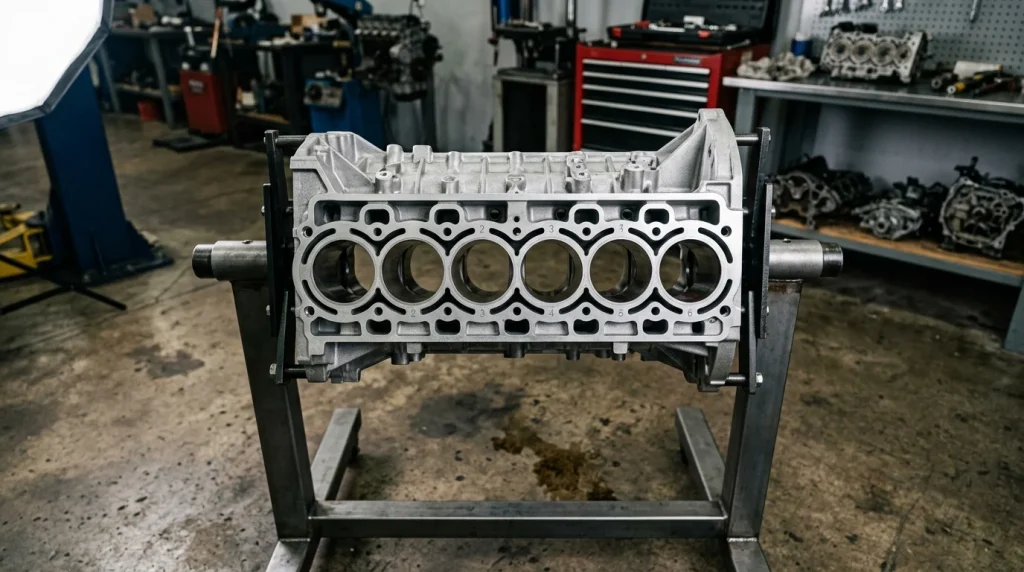
Quick answer: If you want to know what engine does a bmw 328i have, the answer depends on its model year. The E36 generation (1995-1998) features a 2.8-liter M52B28 inline-6 producing 190 horsepower. The E46 generation (1998-2000) features an updated 2.8-liter M52TUB28 inline-6 producing 193 horsepower. The E90 generation (2007-2013) uses a 3.0-liter N52B30 inline-6 producing 230 horsepower, or the SULEV-compliant N51 inline-6. The F30 generation (2012-2016) shifts to a 2.0-liter turbocharged four-cylinder N20B20 engine producing 240 horsepower, or the SULEV-compliant N26 engine. The 328i nameplate was retired after 2016 and replaced by the 330i.
Key takeaways:
- The E36 and E46 generations use 2.8-liter inline-6 engines with single or double VANOS technology.
- The E90 328i features the naturally aspirated N52B30 engine, widely praised for its magnesium-aluminum block.
- SULEV models sold in California-emissions states use the N51 (E90) or N26 (F30) engines with specialized emissions hardware.
- The F30 328i transitioned to a turbocharged N20 four-cylinder, boosting low-end torque but introducing timing chain guide risks.
- The BMW 328i was succeeded by the 330i in 2017, which adopted the more reliable modular B48 engine.
BMW 328i Engine Specifications by Generation
The BMW 328i is one of the most recognizable nameplates in the history of the 3 Series. While it consistently represented a mid-tier performance option positioned above the entry-level 325i or 320i and below the high-output 335i or M3, the mechanical layout under the hood changed dramatically over two decades.
When the model first launched in the mid-1990s, the original manufacturer suggested retail price (MSRP) reflected its premium positioning as a straight-six sports sedan. Buyers researching old window stickers or looking at What Is MSRP? to understand historical market values will find that the 328i consistently occupied the sweet spot of luxury and performance.
The table below outlines the core engine specifications across the four distinct generations of the BMW 328i sold in the North American market:
| Generation | Model Years | Engine Code | Engine Type | Displacement | Power Output | Peak Torque |
|---|---|---|---|---|---|---|
| E36 | 1995-1998 | M52B28 | Naturally Aspirated Inline-6 | 2.8L (2,793 cc) | 190 hp @ 5,300 rpm | 206 lb-ft @ 3,950 rpm |
| E46 | 1998-2000 | M52TUB28 | Naturally Aspirated Inline-6 | 2.8L (2,793 cc) | 193 hp @ 5,500 rpm | 207 lb-ft @ 3,500 rpm |
| E90 | 2007-2013 | N52B30 / N51 | Naturally Aspirated Inline-6 | 3.0L (2,996 cc) | 230 hp @ 6,500 rpm | 200 lb-ft @ 2,750 rpm |
| F30 | 2012-2016 | N20B20 / N26 | Twin-Scroll Turbocharged Inline-4 | 2.0L (1,997 cc) | 240 hp @ 5,000 rpm | 258 lb-ft @ 1,250-4,800 rpm |
E36 Generation (1995-1998): The M52B28 Straight-Six
The E36 328i arrived in late 1995 as a replacement for the older 325i. Under the hood was the M52B28 engine, which brought a substantial torque increase over its predecessor while maintaining the traditional inline-6 layout that defined the brand.
For the North American market, BMW utilized a cast iron cylinder block for the M52B28 to withstand high-sulfur fuel, whereas European models received a lighter aluminum block. The engine features double overhead camshafts (DOHC), 24 valves, and a 10.2:1 compression ratio.
The primary technological advancement for this engine was single VANOS, which is BMW’s proprietary variable valve timing system. In this early implementation, single VANOS only adjusted the timing of the intake camshaft, shifting it based on engine speed to broaden the powerband. The result was a smooth, linear acceleration curve that delivered 190 horsepower and 206 lb-ft of torque.
E46 Generation (1998-2000): The M52TUB28 Technical Update
For the launch of the E46 generation 3 Series, BMW updated the 2.8-liter engine to the M52TUB28 (Technical Update). This engine had a short production run in the E46 328i before BMW replaced the model with the 3.0-liter 330i in 2001.
The critical upgrade in the M52TU was the introduction of Double-VANOS. Unlike the single system in the E36, Double-VANOS dynamically adjusts the timing of both the intake and exhaust camshafts. This engineering change optimized gas exchange throughout the entire rev range.
While peak horsepower only increased slightly to 193 hp, the Double-VANOS system allowed the engine to hit its peak torque of 207 lb-ft at a lower 3,500 rpm compared to the older M52’s 3,950 rpm. This adjustment gave the E46 328i a much more responsive feel when accelerating from a standstill, smoothing out the power delivery for daily commuting.
E90 Generation (2007-2013): Naturally Aspirated N52 vs. N51 SULEV
The E90 generation 328i marked the pinnacle of naturally aspirated inline-6 development for BMW. To comply with changing US emissions standards, BMW split production into two separate engine options for the 328i: the standard N52B30 and the SULEV-certified N51.
N52B30 Engine Specifications
The standard E90 328i is powered by the N52B30 engine, which represents one of the lightest 3.0-liter straight-six engines ever mass-produced. To achieve this, BMW engineered a revolutionary magnesium-aluminum composite cylinder block, reducing overall engine weight to just 354 pounds.
The N52 features Valvetronic variable valve lift, which completely eliminates the need for a traditional throttle butterfly by using the intake valves to control the air volume entering the cylinders. Working alongside Double-VANOS, this Valvetronic system allowed the N52B30 to produce 230 horsepower at 6,500 rpm and 200 lb-ft of torque at 2,750 rpm.
What Is the N51 SULEV Engine?
In states that adopted strict California Air Resources Board (CARB) emissions rules, buyers received the N51 engine instead of the N52. The N51 is a Super Ultra Low Emission Vehicle (SULEV) variant of the 3.0-liter inline-6.
To offset the power loss caused by more restrictive catalytic converters and sealed fuel systems, BMW made major mechanical alterations to the N51:
- Lowered the compression ratio from 10.7:1 to 10.0:1.
- Added a three-stage DISA variable intake manifold (the standard N52 in the 328i uses a single-stage manifold).
- Installed a specialized cylinder head design.
Thanks to the three-stage DISA manifold, which optimizes air velocity into the combustion chambers at varying engine speeds, the N51 SULEV managed to match the standard N52’s output of 230 horsepower and 200 lb-ft of torque.
Common Issues and Maintenance
While the N52 and N51 are highly durable engines capable of exceeding high mileage limits, they require diligent maintenance. Common issues include oil leaks from the valve cover gasket, oil filter housing gasket, and oil pan gasket.
Additionally, these engines utilize an electric water pump rather than a traditional belt-driven pump. The electric water pump and its matching thermostat typically wear out between 60,000 and 80,000 miles, leading to sudden cooling system failures if not replaced preventatively.
F30 Generation (2012-2016): Turbocharged N20 vs. N26 SULEV
With the launch of the F30 generation in 2012, BMW abandoned the naturally aspirated six-cylinder layout for the 328i, adopting a smaller, turbocharged four-cylinder. This shift allowed BMW to meet tougher fuel economy standards while increasing low-end torque.
N20B20 TwinPower Turbo Specifications
The standard F30 328i engine is the N20B20, a 2.0-liter inline-4 utilizing a single twin-scroll turbocharger, direct injection, Valvetronic, and Double-VANOS. The N20 engine produces 240 horsepower at 5,000 rpm and a robust 258 lb-ft of torque starting at a low 1,250 rpm. The flat torque curve provides instant acceleration, making the F30 328i feel significantly faster in stop-and-go city driving compared to the older E90.
What Is the N26 SULEV Engine?
Similar to the previous generation, BMW produced a SULEV version for CARB-compliant states, designated as the N26. The N26 matches the N20’s 240 horsepower and 258 lb-ft of torque but incorporates eco-friendly modifications:
- A stainless steel, leak-proof metal fuel tank.
- Low-permeation fuel lines to prevent fuel vapor escape.
- A specialized radiator coating that converts ground-level ozone into oxygen.
- Revised electronic wastegate settings on the turbocharger.
Timing Chain Warnings and Reliability
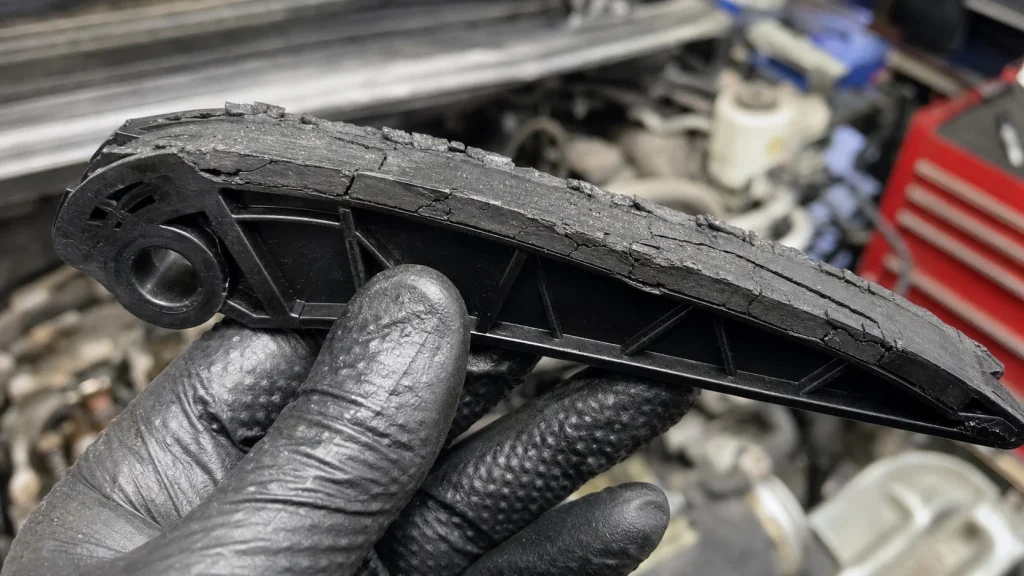
The early model years of the F30 328i (specifically 2012 to 2015) are associated with a major mechanical risk. The plastic timing chain guides used in the N20 and N26 engines are prone to premature wear and brittleness.
When these guides break, the timing chain slacks, slips teeth, and causes catastrophic internal engine damage because the pistons strike the valves. Owners should listen for a high-pitched whining noise from the engine bay that rises with engine speed, which is a key symptom of a failing guide.
This issue led to a class-action lawsuit and a subsequent extended warranty program from BMW. For buyers considering a used F30 328i, consulting a guide like What Mileage Do BMWs Start to Break Down? highlights why inspecting or replacing the timing chain guides around 80,000 to 100,000 miles is highly recommended to protect the vehicle’s longevity.
Engine Comparison: E90 N52 vs. F30 N20
Enthusiasts continue to debate whether the older naturally aspirated N52 inline-6 or the newer turbocharged N20 four-cylinder is the better powerplant. The choice depends on your driving preferences:
| Comparison Category | N52B30 Inline-6 (E90) | N20B20 Turbocharged Inline-4 (F30) |
|---|---|---|
| Power Delivery | Linear, rewarding high-RPM sweep | Punchy, immediate low-end torque |
| Exhaust Sound | Classic, smooth straight-six rasp | Metallic, buzzy four-cylinder note |
| Fuel Efficiency | EPA rated 22-23 combined mpg | EPA rated 26-27 combined mpg |
| Reliability Reputation | High (known gasket leaks, stable internals) | Moderate (critical timing chain guide risk) |
| Tuning Capability | Very low (naturally aspirated limits) | High (simple software maps add easy boost) |
What Replaced the BMW 328i?
The 328i nameplate was retired at the end of the 2016 model year. To replace it, BMW introduced the 330i for the 2017 model year, which adopted the newer B48 modular 2.0-liter turbocharged four-cylinder engine.
The B48 engine represents a major structural redesign. It features a closed-deck block design for added strength, repositioned timing chains at the rear of the engine, and revised oil passages. In standard trim, the B48 bumped power to 248-255 horsepower and torque to 258-295 lb-ft depending on the specific model year.
Most importantly, the B48 resolved the timing chain guide vulnerabilities that plagued the N20, making the newer 330i a much safer long-term investment for used car buyers.
FAQs about the BMW 328i Engine
Is the BMW 328i a 4-cylinder or 6-cylinder?
The engine layout of the BMW 328i is determined by its model year. The E36 (1995-1998), E46 (1998-2000), and E90 (2007-2013) generations feature naturally aspirated 6-cylinder inline engines. The F30 generation (2012-2016) transitioned exclusively to a turbocharged 4-cylinder engine.
How long does a BMW 328i engine last?
Both the naturally aspirated N52 inline-6 and the turbocharged N20 four-cylinder can exceed 200,000 miles if properly maintained. The N52 is widely considered one of BMW’s most reliable modern engines, rarely suffering from internal mechanical failures. The N20 can reach similar longevity, but pre-2015 models must have their timing chain guides checked and replaced preventatively to avoid catastrophic damage.
What gas does a BMW 328i take?
Both the naturally aspirated and turbocharged engines in the BMW 328i require premium unleaded fuel with a minimum octane rating of 91 AKI (95 RON). The high-compression ratio of the N52 (10.7:1) and the high boost pressure of the N20 turbo require premium fuel to prevent engine knock and maintain full performance. For a broader look at fuel requirements across other German models, you can read Can Audi Run on Regular Gas? or view the standard what type of gas BMW models take.
How much oil does a BMW 328i engine take?
The oil capacity of a BMW 328i depends on the engine code. The 3.0-liter N52/N51 inline-6 engine requires 6.9 quarts (6.5 liters) of engine oil. The 2.0-liter N20/N26 turbocharged four-cylinder engine requires 5.3 quarts (5.0 liters). For reference on oil capacities of other passenger vehicles, check our guide on how many quarts of oil a car takes.
What coolant should I use in a BMW 328i?
Every BMW 328i generation requires a silicate-free, ethylene glycol-based coolant that meets BMW’s Lifeguard/G48 specifications (typically blue in color). The coolant must be mixed in a 50/50 ratio with distilled water to prevent mineral buildup and maintain correct heat transfer. For more details on choosing the correct coolant type, refer to the What Coolant Can I Use for BMW? guide.
For more guides on European vehicle maintenance, specifications, and buying tips, visit our latest automotive news hub.

