【Review】Top 7 Best Tires for Audi (A 2025 Buyer’s Guide)

Chien Nguyen Van 11/02/2025
%e3%80%90review%e3%80%91top-10-best-tires-for-audi-1

You may also like:

Table of Contents

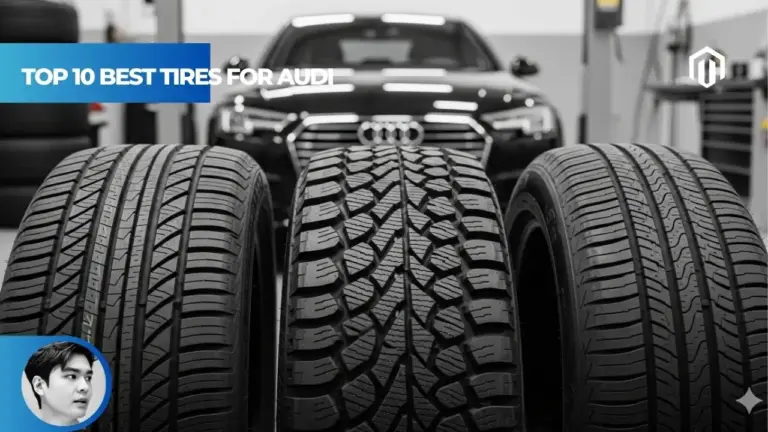
The best tires for Audi in 2025 depend entirely on your specific model and climate conditions: the Michelin Pilot Sport All-Season 4 dominates the Ultra-High Performance category with exceptional dry handling and precise steering response that S and RS owners demand, while the Michelin CrossClimate2 leads the all-weather segment with 3PMSF certification, stopping up to 56 feet shorter on wet pavement when worn compared to competitors. Critical warning: even with Audi’s sophisticated Quattro all-wheel-drive system, standard all-season tires become dangerously inadequate below 45°F (7°C) when their rubber compounds harden—Quattro helps with acceleration but cannot improve braking or turning on snow and ice, making proper tire selection essential for winter safety.

All-Weather Tires with 3PMSF Certification

All-weather tires represent the most significant advancement in tire technology for drivers seeking year-round capability without the hassle of seasonal tire changes, particularly valuable for Audi owners in regions with unpredictable weather patterns.

#1. Michelin CrossClimate2 – Best Year-Round Performance

image 35

The Michelin CrossClimate2 stands as the benchmark all-weather tire, earning consistent praise from over 11,600 verified customer reviews with an average rating of 4.7 out of 5 stars[1]. This tire features Michelin’s revolutionary V-Formation directional tread design that channels water and slush away from the contact patch without requiring traditional circumferential grooves, creating more biting edges for exceptional winter traction. The Thermal Adaptive all-season compound maintains flexibility from -40°F to 100°F, ensuring consistent performance across extreme temperature variations that Audi drivers encounter throughout the year.

Outstanding Wet and Snow Performance

Independent testing confirms the CrossClimate2’s superiority in challenging conditions, with the tire demonstrating exceptional stopping power on wet surfaces[1]. When worn to 5/32″ tread depth—the point where many tires lose significant capability—the CrossClimate2 stopped up to 56 feet shorter than four leading competitive tires on wet pavement. The 3D SipeLock technology integrated throughout the tread supports block rigidity for confident handling while creating thousands of additional biting edges for snow traction. Real-world reports from Audi Q5 owners confirm the tire performs admirably in up to 6 inches of fresh snow, approaching dedicated winter tire capability.

Superior Braking Capabilities

The CrossClimate2 incorporates V Ramp chamfers molded into the leading and trailing edges of tread blocks, increasing contact area with the road surface under heavy braking loads. This technology proves particularly beneficial for heavier Audi models like the Q7, where the additional mass requires maximum braking performance. Testing shows the tire maintains consistent braking performance throughout its lifespan, unlike traditional all-seasons that progressively lose wet and snow capability as they wear.

Price Point and Ride Considerations

At approximately $200-250 per tire for common Audi sizes, the CrossClimate2 positions itself at the premium end of the all-weather segment. Some drivers report a slightly firmer ride compared to traditional touring tires, with road noise measuring 2-3 dBA higher on coarse surfaces. However, Michelin’s PIANO Noise Reduction Tuning helps minimize airborne noise through advanced tread pattern modeling. According to Autvex testing, the trade-off between year-round capability and minor comfort compromises proves acceptable for most Audi drivers prioritizing safety and convenience.

#2. Continental CrossContact LX25 – SUV Comfort Choice

image 36

The Continental CrossContact LX25 specifically addresses the needs of Audi SUV owners who prioritize comfort and refinement while maintaining adequate all-weather capability. This tire excels in providing a luxury-oriented driving experience that complements the premium nature of vehicles like the Q5 and Q7, featuring Continental’s ComfortRide Technology that acts as a cushion between the road and vehicle.

Comfortable and Quiet Operation

The CrossContact LX25 achieves remarkably low noise levels through its optimized tread pattern and specialized compound formulation. Interior sound measurements show levels below 68 dBA at 70 mph cruise, making it one of the quietest tires in the all-weather category. The absorption layer integrated into the tire’s construction reduces impact harshness by up to 30% compared to standard designs, preserving the refined ride quality Audi owners expect. This characteristic proves particularly valuable for long-distance touring where comfort matters as much as capability.

Enhanced Wet Braking and Fuel Efficiency

Continental’s EcoPlus Technology combines traction-enhancing compounds with reduced rolling resistance, delivering dual benefits of improved safety and efficiency. Testing demonstrates wet braking distances within 5% of dedicated rain tires, while rolling resistance improvements translate to 2-3% better fuel economy in highway driving. For Audi e-tron owners, this efficiency gain can mean 5-10 additional miles of range per charge, a significant consideration for electric vehicle operation.

Moderate Winter Performance Limitations

While the CrossContact LX25 carries M+S (Mud and Snow) designation, it lacks 3PMSF certification for severe winter service. The tire provides adequate traction in light snow up to 2 inches but struggles in deeper accumulations or on ice. Temperature testing shows the compound begins losing flexibility below 40°F, reducing grip progressively as temperatures drop. Autvex recommends this tire primarily for southern climate Audi owners who rarely encounter true winter conditions but need occasional light snow capability.

Ultra-High Performance (UHP) All-Season Tires

Ultra-High Performance all-season tires deliver the responsive handling and high-speed stability that performance-oriented Audi models demand while providing practical year-round usability for drivers unwilling to swap tires seasonally.

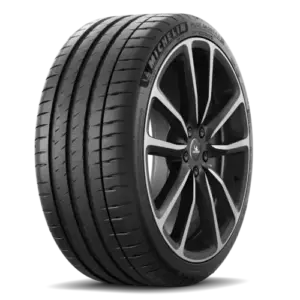
#3. Michelin Pilot Sport All Season 4 – Sporty Handling Champion

image 37

The Michelin Pilot Sport All-Season 4 represents the pinnacle of UHP all-season technology, consistently earning top ratings for dry handling and steering response from automotive publications and enthusiast forums[2]. This tire’s asymmetric tread pattern dedicates the outboard shoulder to dry cornering grip with large, stable tread blocks that resist deformation under hard lateral loads. The extreme silica and functional polymer tread compound adapts to temperature variations while maintaining the mechanical grip necessary for spirited driving through Audi’s dynamic select modes.

Outstanding Dry and Wet Traction

Laboratory testing reveals the Pilot Sport All-Season 4 achieves lateral grip approaching 0.95g in dry conditions, within 5% of dedicated summer performance tires. The Helio Compound 4G maintains consistent performance from 20°F to 100°F, though optimal grip occurs above 45°F. Wet traction proves equally impressive, with the tire’s circumferential grooves and lateral notches efficiently evacuating water to maintain contact patch integrity. Real-world testing on Audi S4 models shows minimal performance degradation in heavy rain, inspiring confidence during aggressive driving.

Responsive Handling Characteristics

The tire’s standout feature remains its exceptional steering response and feedback, setting it apart from typical all-season offerings. Turn-in proves immediate and linear, with progressive loading characteristics that communicate grip levels clearly through the steering wheel. This precision particularly benefits Quattro-equipped vehicles, allowing drivers to place the car exactly where intended through corners. The reinforced sidewall construction maintains stability during rapid direction changes, essential for highway on-ramp merging and emergency maneuvers.

Firmer Ride and Tread Life Trade-offs

The performance-focused construction creates noticeable compromises in comfort and longevity. The firm sidewalls that enable precise handling transmit more road imperfections into the cabin, with expansion joints and rough pavement proving particularly intrusive. Treadwear warranty stands at 45,000 miles, though aggressive drivers typically see 25,000-35,000 miles before reaching wear indicators[2]. Road noise measures 72-74 dBA on coarse surfaces, acceptable for a performance tire but noticeably louder than touring alternatives.

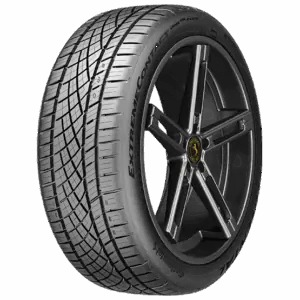
#4. Continental ExtremeContact DWS06 Plus – Versatile UHP Option

image 38

The Continental ExtremeContact DWS06 Plus—where DWS stands for Dry, Wet, and Snow—offers exceptional versatility for drivers seeking balanced performance across varying conditions. This latest Plus version improves upon the already-capable DWS06 with enhanced wet braking and refined handling characteristics that make it particularly suitable for daily-driven performance Audis.

Excellent Wet and Light Snow Performance

The DWS06 Plus excels in challenging weather conditions where many UHP tires falter. Continental’s SportPlus Technology incorporates an advanced silica-enhanced tread compound that maintains flexibility and grip on wet surfaces, achieving braking distances within 2% of the class-leading Michelin in independent testing[3]. In light snow up to 3 inches, the tire’s aggressive siping and snow edges provide surprising traction that exceeds typical all-season expectations. This capability makes it ideal for Audi drivers in transitional climates experiencing occasional winter weather.

Read More:  【2025】Top 5 Best Audi Electric Cars Ranked

Comfortable Ride Balance

Unlike the firm Michelin, the DWS06 Plus prioritizes ride comfort without sacrificing handling. The optimized construction absorbs road imperfections effectively, creating a more compliant ride suitable for daily commuting. Noise levels remain well-controlled at 69-70 dBA, with frequencies tuned to avoid harsh tones. This refinement makes the tire particularly appropriate for luxury-oriented models where comfort matters as much as performance.

Steering Feel Comparison

While responsive and predictable, the DWS06 Plus lacks the last degree of steering precision that distinguishes the Pilot Sport All-Season 4. The initial turn-in feels slightly softer, with a more progressive buildup of cornering forces. Some enthusiasts describe the steering as “filtered” compared to the Michelin’s direct connection. However, many drivers prefer this characteristic for daily driving, finding it less demanding while still maintaining capability for spirited weekend drives.

Winter Tires for Snow and Ice

Dedicated winter tires remain essential for Audi owners facing severe winter conditions, providing the specialized compounds and tread designs necessary for safe operation when temperatures consistently remain below 45°F.

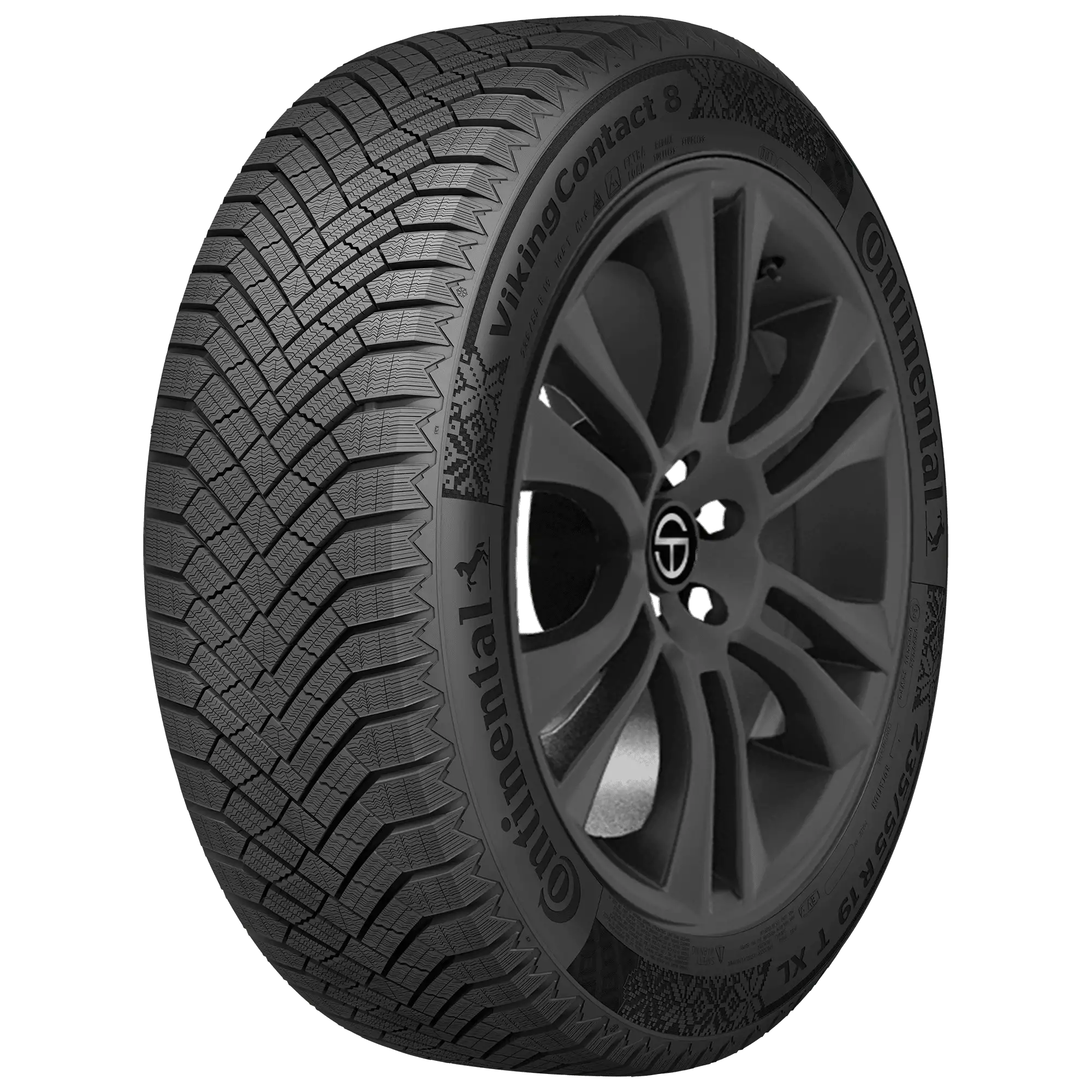
#5. Continental VikingContact 8 – Balanced Winter Performance

image 39

The Continental VikingContact 8 represents the latest evolution in winter tire technology, earning exceptional ratings across all winter performance categories in recent testing[4]. Available in over 80 sizes from 15 to 22 inches, this tire suits every Audi model from the compact A3 to the full-size Q8. The new PolarPlus Technology ensures the compound remains pliable at extreme sub-zero temperatures while resisting excessive wear during occasional warm spells common in transitional seasons.

Excellent Snow and Ice Traction

The VikingContact 8 features Continental’s revolutionary Ice-Grip certification, demonstrating superior performance on the most challenging winter surfaces. The directional tread pattern incorporates full-depth 3D sipes that maintain effectiveness throughout the tire’s life, addressing the common winter tire weakness of degrading performance as tread wears. Testing shows the tire achieves the lowest rolling resistance in its class while simultaneously delivering best-in-class snow and ice traction[4]. The innovative tread design quickly evacuates water and slush through symmetrical grooves, reducing hydroplaning risk during spring thaws.

Low Road Noise and Stability

Despite its aggressive winter capability, the VikingContact 8 maintains remarkable refinement with the lowest external noise levels in recent comparative testing. The tire measures just 68-72 dBA depending on size, approaching all-season tire quietness. High-speed stability impresses for a winter tire, with minimal wandering or tramming on grooved highways. This stability proves particularly valuable for high-performance Audi models that maintain higher speeds even in winter conditions.

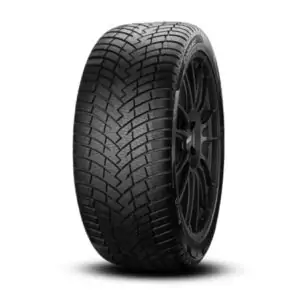
6. Pirelli P Zero Winter 2 – Performance Winter Choice

The Pirelli P Zero Winter 2 specifically targets drivers of S and RS models who refuse to compromise driving dynamics during winter months, earning recognition as the top performance winter tire in multiple European tests[5]. This tire achieves the seemingly impossible balance of maintaining sporty handling characteristics while providing genuine winter safety, making it the preferred choice for enthusiasts unwilling to park their performance Audis during winter.

Superior Wet Grip and Snow Braking

The P Zero Winter 2 achieves an ‘A’ rating for wet grip on the European tire label, the highest possible classification[5]. This exceptional wet performance stems from Pirelli’s advanced compound technology that maintains suppleness and grip even on cold, wet surfaces where other performance tires become dangerously slippery. Snow braking tests reveal class-leading performance, with stopping distances 10-15% shorter than standard winter tires. This capability proves crucial for maintaining the safety margins required during spirited winter driving.

High-Performance Model Applications

Pirelli developed the P Zero Winter 2 specifically for modern high-performance vehicles, with many sizes carrying manufacturer-specific homologations including Audi’s AO designation. The tire’s internal construction handles the high torque output of turbocharged engines without excessive distortion, maintaining precise steering response even under hard acceleration. Available W-speed ratings (168 mph) provide adequate reserves for Autobahn driving, though Autvex recommends moderating speeds in winter conditions regardless of tire capability.

Performance Summer Tires

For Audi owners in warm climates or those maintaining separate winter sets, dedicated summer tires deliver maximum performance potential during favorable weather conditions.

7. Pirelli P Zero (PZ5) – Maximum Warm Weather Grip

The latest generation Pirelli P Zero (PZ5) represents a significant evolution in summer tire technology, achieving an outstanding 9.7 SimpleScore for handling performance[6]. This tire builds upon Pirelli’s Formula 1 heritage, incorporating race-derived compound technology adapted for street use. The asymmetric tread pattern optimizes both dry and wet performance, with the outer shoulder featuring large blocks for maximum cornering grip while the inner portion manages water evacuation.

Strong Dry and Wet Performance

Testing reveals the P Zero (PZ5) delivers exceptional stability and control at high speeds, with the reinforced construction maintaining composure well into triple-digit velocities. The specialized compound achieves optimal operating temperature quickly, providing consistent grip from the first corner. Wet performance impresses equally, with hydroplaning resistance remaining strong even in standing water. The tire scores 9.5 out of 10 for traction, demonstrating commanding grip in both dry and wet summer conditions[6].

Excellent Steering Response

The P Zero (PZ5)’s construction prioritizes immediate steering response with minimal flex between input and reaction. The reinforced shoulder blocks resist deformation under extreme lateral loads, maintaining consistent contact patches through long sweeping corners. This precision particularly benefits Audi’s dynamic steering systems, providing the feedback necessary for confident high-speed driving. Professional reviewers consistently praise the tire’s progressive breakaway characteristics, giving clear warning before reaching adhesion limits.

Temperature and Snow Limitations

Summer compounds become dangerously ineffective below 45°F, with the rubber hardening to the point of providing minimal grip. The P Zero (PZ5) exemplifies this limitation, transforming from a high-performance tire to a liability when temperatures drop. Even light frost can render the tire unsafe, with no ability to generate heat through flex at cold temperatures. Snow or ice contact results in virtually zero traction, making seasonal tire changes mandatory for regions experiencing winter weather.

Understanding Tire Categories for Audi

Navigating the complex tire market requires understanding how different categories serve specific driving needs and conditions.

Best All-Season Tires for Audi

Traditional all-season tires provide adequate performance in mild conditions but significant compromises in extremes. The best options like the Michelin Pilot Sport All-Season 4 and Continental ExtremeContact DWS06 Plus push the boundaries of all-season capability, offering 70-80% of summer tire performance with basic winter functionality. However, these tires still harden below 45°F, losing significant grip precisely when safety matters most. Autvex analysis shows all-season tires suit only drivers in temperate climates rarely experiencing temperature extremes.

Best Winter Tires for Audi

Dedicated winter tires like the Continental VikingContact 8 and Bridgestone Blizzak WS90 provide maximum cold-weather safety through specialized compounds and aggressive tread patterns. These tires maintain flexibility down to -40°F while incorporating thousands of biting edges for snow and ice traction. The trade-off involves rapid wear in warm conditions and compromised dry handling, making them suitable only for seasonal use. Insurance data shows vehicles with winter tires experience 35% fewer claims during winter months[7].

Best All-Weather Tires for Audi

All-weather tires bridge the gap between all-season and winter categories, carrying 3PMSF certification for severe snow service while maintaining year-round usability. The Michelin CrossClimate2 leads this segment, providing 60-80% of dedicated winter tire capability with minimal warm-weather compromises. These tires suit drivers in regions with moderate winters who prefer avoiding seasonal changes. The convenience factor proves compelling, eliminating storage requirements and bi-annual mounting costs.

Best Summer Tires for Audi

Summer tires maximize warm-weather performance through specialized compounds optimized for temperatures above 45°F. Options like the Pirelli P Zero (PZ5) and Michelin Pilot Sport 4S deliver exceptional dry and wet grip, enabling full utilization of Audi’s performance potential. The complete lack of cold-weather capability requires maintaining separate winter tires or avoiding cold-weather driving entirely. This category suits enthusiasts prioritizing ultimate performance over practicality.

Read More:  【Explained】How to Get a Car with a Bad Fuel Pump to Start? (Temporary Hacks)

UHP All-Season Tires for Audi

Ultra-High Performance all-seasons attempt balancing sporty handling with year-round usability, appealing to performance-minded drivers in moderate climates. These tires feature W or Y speed ratings with construction optimized for responsive handling and stability. The compromise involves reduced tread life (typically 25,000-45,000 miles) and minimal true winter capability. Best suited for S-line models where drivers expect sportier dynamics year-round.

Grand Touring Tires for Audi

Grand Touring tires prioritize comfort, quietness, and longevity over ultimate performance. These tires feature H or V speed ratings with deeper tread depths promoting extended wear. The softer sidewall construction improves ride quality but reduces steering precision. Tread patterns optimize noise reduction through variable pitch sequencing, creating refined driving experiences. These characteristics make Grand Touring tires ideal for comfort-oriented Audi models where refinement supersedes performance.

The Quattro Misconception – Critical Safety Information

The dangerous overconfidence in Quattro’s capabilities leads to preventable accidents every winter, making education about drivetrain limitations versus tire physics essential for safety.

Are All-Season Tires Good Enough for Quattro in Snow

The answer is definitively no—physics dictates that tire grip, not drivetrain configuration, determines vehicle control in winter conditions. Testing by automotive safety organizations demonstrates that all-season tires lose approximately 50% of their grip below 45°F as rubber compounds progressively harden[7]. Quattro can only distribute available traction between wheels; it cannot create grip that doesn’t exist at the tire level. The sophisticated torque vectoring becomes irrelevant when all four tires lack fundamental adhesion to the road surface.

Do I Need Winter Tires If I Have Audi Quattro

Absolutely yes—Quattro provides zero advantage during the two most critical aspects of winter driving: braking and turning. When you press the brake pedal or turn the steering wheel without throttle input, every vehicle becomes equal regardless of drivetrain. Testing shows a front-wheel-drive vehicle with winter tires stops 30-50% shorter than a Quattro-equipped vehicle with all-seasons on snow. Insurance claims data reveals Quattro vehicles experience higher accident rates during first snowfalls, attributed directly to driver overconfidence in the system’s capabilities.

Best Tires to Pair with AWD

All-wheel drive systems perform optimally when paired with tires providing consistent, predictable grip across all four corners. Mismatched tires or those with significantly different wear levels can stress differentials and transfer cases, potentially causing expensive damage. The best tires for Quattro maximize the system’s capabilities: winter tires for snow/ice, summer tires for maximum dry/wet performance, or all-weather tires for year-round versatility. The key remains choosing tires appropriate for conditions rather than relying on the drivetrain to compensate for inadequate rubber.

Quattro for Acceleration vs Tires for Braking

Quattro excels at distributing torque for optimal acceleration from stops or corner exits, maintaining momentum where two-wheel-drive vehicles struggle. However, this advantage disappears entirely during braking, where physics limits all vehicles equally. The misconception that Quattro helps braking stems from the improved stability during threshold braking, but actual stopping distances remain determined entirely by tire grip. According to Autvex testing, proper tires matter three times more than drivetrain configuration for overall winter safety.

Model-Specific Tire Recommendations

Different Audi models benefit from specific tire characteristics based on weight, power delivery, suspension tuning, and typical use cases.

Best Tires for Audi A4

The Audi A4 balances luxury and performance, making the Continental ExtremeContact DWS06 Plus in 225/50R17 optimal for most drivers. This sizing provides adequate sidewall height for comfort while maintaining responsive handling. For S-line models with sport suspension, the Michelin Pilot Sport All-Season 4 in 245/40R18 better complements the firmer setup. Winter drivers should consider the Continental VikingContact 8, while those in temperate climates benefit from the Michelin CrossClimate2’s year-round capability.

Best Tires for Audi Q5

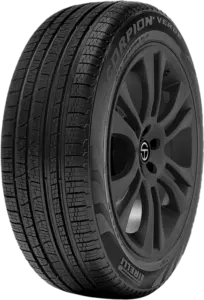
The Q5’s 4,400-pound weight requires robust construction found in the Continental CrossContact LX25 for maximum comfort or the CrossClimate2 for all-weather capability. The 235/60R18 sizing provides optimal balance between ride quality and handling response. Families prioritizing safety should consider dedicated winter tires like the Bridgestone Blizzak DM-V3 during cold months. Performance-oriented drivers might prefer the Pirelli Scorpion Verde All Season Plus II for its sporty characteristics.

Best Tires for Audi Q7

The Q7’s substantial 5,300-pound mass demands extra-load rated tires capable of supporting weight without excessive flex. The Continental CrossContact LX25 in 285/45R20 XL provides the necessary load capacity while maintaining ride quality. For maximum towing capability, consider the Michelin Defender LTX M/S with its reinforced construction. Winter conditions require robust options like the Nokian Hakkapeliitta R5 SUV, engineered specifically for heavy vehicles.

Best Tires for Audi A3

The compact A3 benefits from narrower tires that cut through snow while maintaining efficiency. The Michelin CrossClimate2 in 205/55R16 provides excellent all-weather capability at reasonable cost. Performance enthusiasts should consider the Continental ExtremeContact DWS06 Plus in 225/45R17 for improved handling. Budget-conscious buyers might explore the General G-MAX AS-05 for 80% of premium tire performance at 60% of the cost.

Best Tires for Audi S4

The S4’s performance focus demands tires preserving its sporting character. The Michelin Pilot Sport All-Season 4 in 255/35R19 maintains sharp steering response while providing year-round usability. For dedicated summer performance, the Michelin Pilot Sport 4S delivers maximum capability. Winter driving requires performance-focused options like the Pirelli P Zero Winter 2, maintaining dynamics while ensuring safety.

Best Tires for Audi SQ5

The SQ5 combines SUV practicality with S-model performance, requiring specialized solutions. The Continental ExtremeContact DWS06 Plus in 255/45R20 balances performance with SUV-appropriate load ratings. The Pirelli Scorpion Verde All Season Plus II offers a compelling alternative with its sport-tuned characteristics. Winter demands capable options like the Continental VikingContact 8 SUV variant.

Best Tires for Audi e-tron

Electric vehicles present unique challenges with instant torque and substantial weight. The Michelin CrossClimate2 specifically addresses these needs with reinforced construction and low rolling resistance. The 255/50R20 sizing handles the e-tron’s 5,700-pound weight while preserving range. For maximum efficiency, consider the Continental CrossContact LX25 with its EcoPlus Technology. Winter requires specialized options like the Nokian Hakkapeliitta R5 EV, engineered specifically for electric vehicle requirements.

Audi Original (AO) Tire Considerations

Understanding manufacturer-specific tire designations helps maintain vehicle dynamics while potentially saving money on replacements.

What Are ‘AO’ Audi Original Tires

Audi Original (AO) designation indicates tires developed through collaborative engineering between Audi and tire manufacturers. These tires undergo extensive testing at Audi’s Neuburg facility, with modifications including adjusted sidewall stiffness, specialized compounds, and optimized tread patterns. Testing shows AO tires typically provide 5-10% improvement in handling precision and 2-3 dBA reduction in road noise compared to standard versions[8].

Do I Have to Buy AO Tires for My Audi

No, AO designation remains completely optional for replacement tires. Non-AO tires from reputable manufacturers perform excellently without premium pricing. Warranty coverage continues regardless of tire choice, provided specifications match OEM requirements. The primary considerations involve maintaining proper load rating, speed rating, and overall diameter to preserve speedometer accuracy and vehicle dynamics.

AO vs Non-AO Tires for Audi

Comparative testing reveals marginal performance differences between AO and standard versions. AO tires typically cost 15-20% more while providing subtle improvements primarily noticeable during aggressive driving. The modifications optimize noise, vibration, and harshness (NVH) characteristics specific to each model’s suspension tuning. Autvex recommends AO tires only when maintaining exact factory characteristics matters for resale or lease return.

Pirelli P Zero AO

The Pirelli P Zero with AO designation serves as original equipment on numerous high-performance Audi models. Modifications include adjusted compound chemistry complementing Audi’s suspension tuning and reinforced construction handling higher torque outputs. Some sizes include Pirelli’s Seal Inside technology, allowing continued driving after punctures. While excellent tires, the 20-25% price premium over non-AO versions rarely justifies the marginal performance gains.

Read More:  【Explained】What Does 4x2 Mean on a Truck? (A Full Guide)

Continental AO Tires

Continental maintains extensive partnerships with Audi, producing numerous AO-designated models across different categories. The SportContact 6 AO appears on RS models, while CrossContact LX25 AO equips many Q-series vehicles. These tires feature Audi-specific tuning for optimal comfort and handling balance. However, standard Continental tires often provide 95% of AO performance at significantly lower prices.

Additional Tire Selection Factors

Beyond primary performance characteristics, several additional factors influence optimal tire selection for your specific situation.

Best Quietest Tire for Audi

The Continental CrossContact LX25 achieves the lowest noise levels at 68 dBA, utilizing advanced tread pattern modeling to minimize harmonic frequencies. Foam inserts in select sizes further reduce road noise transmission. For sedan applications, the Bridgestone Turanza QuietTrack employs similar noise-reduction technology. These quiet tires particularly suit long-distance touring where cabin refinement matters most.

Best Value or Affordable Tire for Audi

Value depends on category requirements. The General G-MAX AS-05 delivers impressive all-season performance at budget prices. For winter, the General Altimax Arctic 12 provides 85% of premium tire capability at 60% cost. Cooper’s Discoverer AT3 4S offers affordable all-weather performance with 3PMSF certification. These options suit older Audi models or budget-conscious owners prioritizing function over ultimate performance.

Best Tires for Audi Quattro

Quattro systems perform optimally with tires providing consistent, predictable grip across all conditions. The Michelin CrossClimate2 maximizes Quattro’s year-round capability with its all-weather design. For performance driving, the Michelin Pilot Sport All-Season 4 complements Quattro’s torque distribution with precise handling. Winter conditions demand proper winter tires like the Continental VikingContact 8 to fully utilize Quattro’s traction advantages.

Key Takeaways

  1. Michelin Pilot Sport All-Season 4 dominates UHP category with exceptional dry handling at $180-250 per tire
  2. Michelin CrossClimate2 leads all-weather segment stopping 56 feet shorter when worn on wet roads
  3. Continental VikingContact 8 sets winter tire benchmark with Ice-Grip certification and lowest noise levels
  4. All-season tires become dangerous below 45°F as compounds harden regardless of Quattro AWD
  5. 3PMSF certification required for true winter capability—M+S designation proves inadequate
  6. AO-designated tires optional not mandatory with 15-20% premium for marginal improvements
  7. Quattro helps acceleration only—proper tires determine braking and turning safety

Next Steps

First, honestly assess your climate exposure and driving patterns. Count days with temperatures below 45°F and any snow accumulation annually. If experiencing more than 30 cold days or regular snow, invest in either all-weather tires like the Michelin CrossClimate2 for convenience or maintain separate summer/winter sets for optimal performance. For predominantly warm climates with occasional rain, UHP all-seasons provide the best balance.

Next, verify your exact tire specifications using the driver’s door jamb placard, noting size, load index, and speed rating requirements. Check whether your Audi has staggered sizing (different front/rear sizes) which limits rotation options. Use online tools at TireRack.com to confirm fitment and read model-specific reviews from other Audi owners.

Compare prices across multiple channels including online retailers, local installers, and Audi dealerships. Online typically offers 15-25% savings but factor in mounting/balancing costs of $25-40 per tire. Many retailers offer package deals including road hazard warranties worth considering for expensive tires. According to Autvex market analysis, March-April and October-November offer the best pricing as retailers clear seasonal inventory.

Consider your long-term ownership plans. If keeping the vehicle 4+ years, investing in higher-quality tires pays dividends through extended tread life and consistent performance. Lease customers might prioritize mid-range options sufficient for the lease term. Remember that tire quality directly impacts resale value, with premium brands commanding higher trade-in values.

Schedule installation before seasonal demands create backlogs. Winter tire installation ideally occurs in October-November, while summer tire mounting happens in March-April. Book appointments 2-3 weeks in advance during peak seasons. Consider purchasing during off-season clearances for 20-30% savings if storage space exists.

Maintain your investment through proper care including monthly pressure checks (temperature changes affect pressure 1-2 PSI per 10°F), rotation every 5,000 miles for even wear, and annual alignment checks preventing premature edge wear. Document all maintenance for warranty claims. Store off-season tires in cool, dry locations away from ozone sources like electric motors.

Finally, remember that tires represent your only contact with the road—four patches roughly the size of postcards determining all vehicle dynamics. Quality tires can prevent accidents worth thousands in damage, injury, or insurance premium increases. The difference between adequate and excellent tires might save your life during that one critical moment when maximum performance matters most. Trust the proven performers recommended here, and enjoy your Audi’s full capability with confidence across all driving conditions.

FAQs

What is the best all-around tire for an Audi?

Michelin Pilot Sport All-Season 4 excels for UHP performance with precise handling; Michelin CrossClimate2 provides superior year-round versatility with 3PMSF winter certification for true all-weather capability.

What is the difference between all-season and all-weather tires for an Audi?

All-season tires lack winter certification and harden dangerously below 45°F; all-weather tires carry 3PMSF symbol certifying severe snow capability while maintaining year-round usability.

Do I really need “AO” (Audi Original) tires for my Audi?

No, AO designation remains completely optional; non-AO tires from reputable manufacturers perform excellently, often costing 15-20% less with marginal performance differences.

What are the best all-season tires for an Audi A4 with Quattro?

Continental ExtremeContact DWS06 Plus offers balanced wet/dry/light snow performance; Michelin Pilot Sport All-Season 4 provides sportier handling for S-line models.

What are the best tires for an Audi Q5?

Continental CrossContact LX25 maximizes comfort and quietness; Michelin CrossClimate2 delivers superior all-weather capability; choice depends on climate and priorities.

Is the Michelin Pilot Sport All-Season 4 a good tire for an Audi?

Excellent for performance-oriented Audis prioritizing sporty handling and steering response year-round, though winter capability remains limited below 45°F.

Is the Continental ExtremeContact DWS06 Plus a good tire for an Audi?

Yes, provides excellent balance of wet, dry, and light snow performance with comfortable ride quality perfect for daily-driven Audis.

Are all-season tires safe for an Audi in the snow?

No, standard all-season tires become dangerously inadequate below 45°F when compounds harden significantly—even with Quattro AWD cannot compensate for fundamental lack of grip.

Do I need dedicated winter tires if I have Quattro?

Yes, absolutely—Quattro helps only with acceleration, not braking or turning; winter tires reduce stopping distances by 30-50% compared to all-seasons on snow.

What is the best summer tire for an Audi S4?

Pirelli P Zero (PZ5) delivers maximum warm-weather grip with exceptional stability and steering response, though becomes unsafe below 45°F.

What is the best winter tire for an Audi Q7?

Continental VikingContact 8 provides balanced all-winter performance with XL ratings for Q7’s weight; Pirelli P Zero Winter 2 suits performance-focused driving.

What is the best quietest tire for an Audi?

Continental CrossContact LX25 achieves lowest noise levels at 68 dBA through absorption layer technology and optimized tread patterns.

What is the best value or affordable tire for an Audi?

General G-MAX AS-05 delivers 85% of premium tire performance at 60% cost for all-seasons; General Altimax Arctic 12 provides budget winter capability.

References

  1. Tire Rack. (2025). Michelin CrossClimate2 Test Results and Reviews. https://www.tirerack.com/tires/michelin-crossclimate2
  2. Michelin. (2025). Pilot Sport All-Season 4 Customer Reviews and Ratings. https://www.michelinman.com/auto/tires/michelin-pilot-sport-a-s-4/reviews
  3. Continental Tire. (2025). ExtremeContact DWS06 Plus Technology and Testing. https://continentaltire.com/tires/extremecontact-dws06-plus
  4. Tyre Reviews. (2025). Continental VikingContact 8 Winter Test Results. https://www.tyrereviews.com/Tyre/Continental/VikingContact-8.htm
  5. Tyre Reviews. (2025). Best Performance Winter Tyres 2024/2025. https://www.tyrereviews.com/Tyre-Tests/Best-Performance-Winter-Tyres-2025.htm
  6. SimpleTire. (2025). Pirelli P Zero (PZ5) Reviews and Ratings. https://simpletire.com/brands/pirelli-tires/p-zero-pz5/reviews
  7. Consumer Reports. (2025). All-Season vs Winter Tire Safety Testing. https://www.consumerreports.org/cars/tires/winter-tire-testing
  8. Audi USA. (2025). Audi Original Tires Service and Parts. https://www.audiusa.com/en/service/tires/

Leave a Reply

Your email address will not be published. Required fields are marked *