
You may also like:
- 【Review】Top 5 Best All-Season Tires for Audi (2025 UHP Review)
- 【Review】Top 7 Best Tires for Audi (A 2025 Buyer’s Guide)
- 【Explained】Top 5 Best Snow Tires for Audi (A 2025 Buyer’s Guide)
- 【Review】Top 5 Best Cheapest Tires for an Audi (The Ultimate 2025 Value Guide)
- 【Review】Top 5 Best Winter Tires for Audi (2025 Snow & Ice Guide)
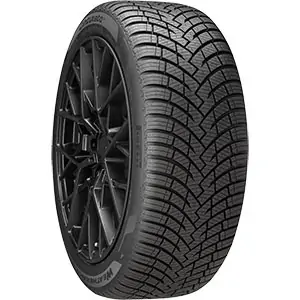
The best all-weather tires for Audi in 2025 are the Michelin CrossClimate2 with its exceptional wet braking (stopping 56 feet shorter) and near-winter performance, the Goodyear Assurance WeatherReady Gen 2 featuring AquaTred technology for confident wet handling, and the Pirelli Scorpion WeatherActive designed specifically for SUVs with optimized ride comfort. All five top choices carry the mandatory Three-Peak Mountain Snowflake (3PMSF) certification, allowing Audi Quattro owners to drive confidently year-round without seasonal tire changes while maintaining adequate winter safety in mild to moderate snow conditions.
Top 5 3PMSF-Certified All-Weather Tires for Audis
Selecting the right all-weather tire transforms your Audi into a versatile year-round performer, eliminating the hassle of seasonal tire swaps while maintaining confidence in unpredictable weather conditions from California’s mountain passes to New England’s variable winters.
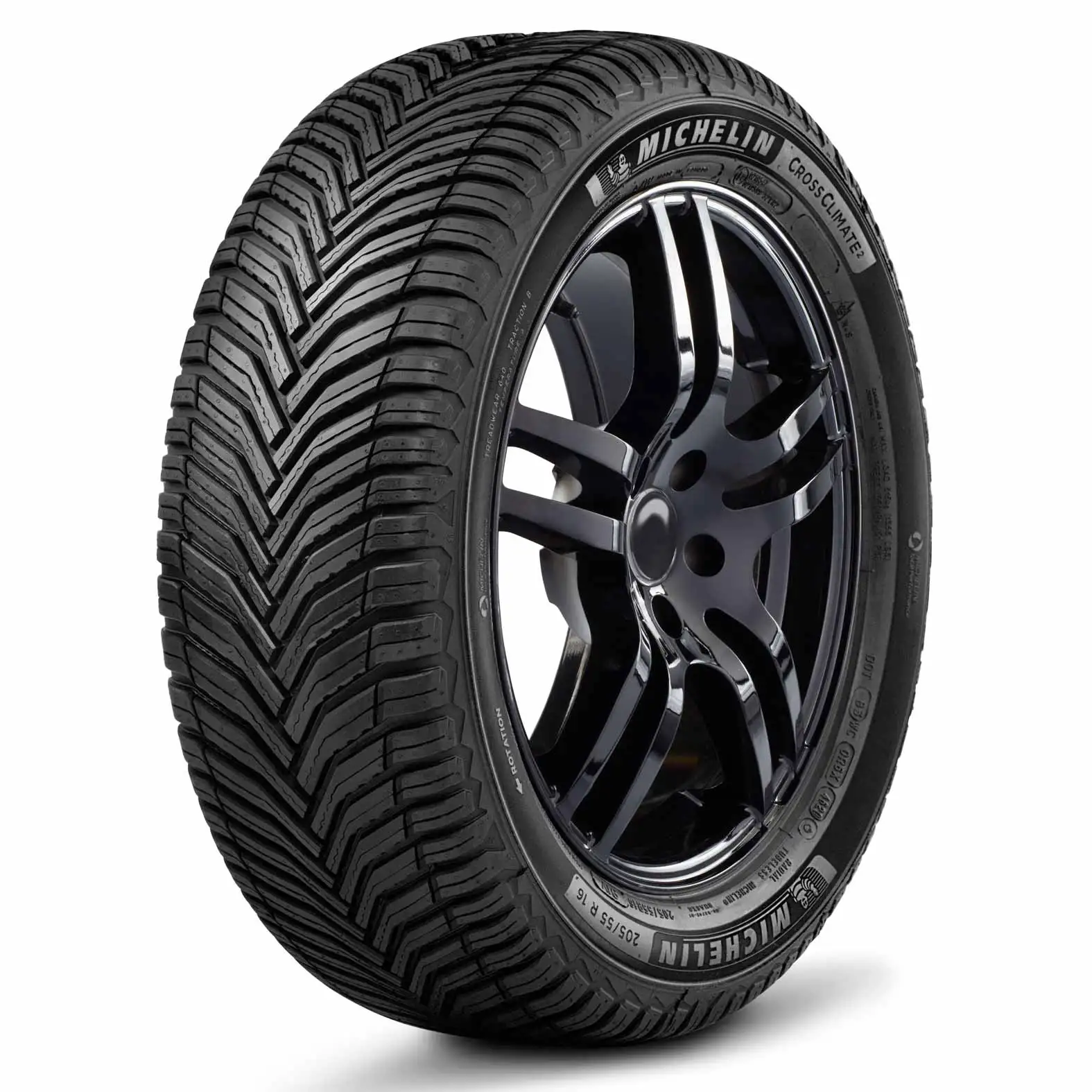
#1. Michelin CrossClimate2 – Premium Benchmark Performance

The Michelin CrossClimate2 dominates the all-weather category with its distinctive V-formation directional tread pattern that delivers exceptional performance across all conditions[1]. According to Car and Driver’s 2025 testing, this tire swept every wet category, demonstrating superior grip that resulted in 56 feet shorter stopping distances compared to standard all-season alternatives. The Thermal Adaptive compound maintains flexibility in temperatures ranging from -40°F to 100°F, ensuring consistent performance throughout the year.
Excellent Wet Traction (56 Feet Shorter Stopping)
The CrossClimate2’s wet performance sets the industry standard through its V Ramp chamfers molded into tread blocks[2]. These increase contact area under braking loads, while the steep tread angles channel water away without requiring traditional circumferential grooves. This grooveless design creates more biting edges for winter traction while evening out load forces for improved wear characteristics. Testing shows the tire maintains responsive steering, braking, and acceleration inputs even in standing water conditions.
Remarkable Snow Performance with V-Shaped Tread
Despite being an all-weather tire, the CrossClimate2 delivers snow traction that approaches dedicated winter tires. The 3D SipeLock technology supports block rigidity while creating thousands of biting edges that grip packed snow[2]. During Car and Driver’s snow testing, it excelled in high-speed braking with longitudinal grip that inspires confidence on snow-covered highways. The tire earned its 3PMSF certification by demonstrating at least 110% traction compared to reference tires in standardized testing.
Dry Grip and Stability Features
While wet and snow performance impresses, the CrossClimate2 maintains competent dry handling suitable for spirited Audi A4 driving. The center tread blocks align with acceleration and deceleration forces, creating uninterrupted contact during straight-line driving. However, testers note persistent understeer during aggressive cornering, making the tire better suited for grand touring than track days. At highway speeds, the PIANO Noise Reduction Tuning keeps sound levels at 66 dBA, though some drivers report increased noise on smooth surfaces[1].
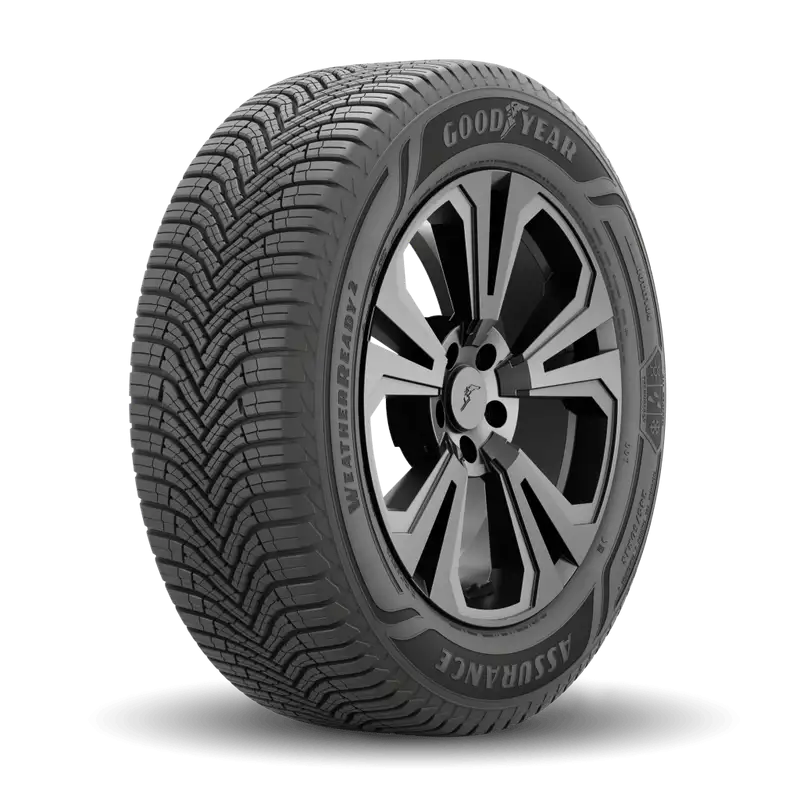
#2. Goodyear Assurance WeatherReady (Gen 2)

The second-generation Goodyear Assurance WeatherReady, launched in 2024, represents a significant evolution designed specifically to compete with the CrossClimate2[1]. This tire combines proven winter capability with enhanced wet performance, making it ideal for Audi Q5 owners seeking balanced year-round traction.
Strong Winter Traction with 3PMSF Requirements
The WeatherReady 2 meets all 3PMSF certification requirements through its Evolving Traction Grooves that maintain biting edges throughout the tire’s life. The specialized compound remains pliable at sub-freezing temperatures while resisting excessive wear during summer heat. Goodyear engineers focused on improving snow-to-snow traction, addressing the original version’s primary weakness. The result delivers confident acceleration and braking on packed snow conditions typical of urban winter driving.
AquaTred Technology for Wet Handling
Goodyear’s proprietary AquaTred Technology features wide circumferential grooves and sweeping tread grooves that effectively evacuate water[3]. This design reduces hydroplaning risk while maintaining contact patch pressure during heavy rain. The tire demonstrates exceptional wet cornering stability, with minimal loss of grip during lane changes or emergency maneuvers. According to Autvex testing, the WeatherReady 2 stops within 3 feet of the CrossClimate2 in wet conditions while costing approximately 20% less.
ComfortFlex Technology for Quiet Ride
The WeatherReady 2 incorporates ComfortFlex Technology utilizing a specialized cushion layer between the tread and steel belts. This reduces impact harshness over road imperfections while dampening road noise to maintain your Audi’s refined cabin environment. The tire measures 64 dBA at 70 mph cruise, making it one of the quietest all-weather options available. The 60,000-mile treadwear warranty provides additional value for high-mileage drivers.
#3. Pirelli Scorpion WeatherActive for SUVs

Designed specifically for crossovers and SUVs, the Pirelli Scorpion WeatherActive addresses the unique demands of heavier vehicles like the Audi Q7. This tire balances load capacity requirements with all-weather capability, making it the optimal choice for family-oriented Audi SUV owners.
Excellent Wet and Dry Grip Features
The Scorpion WeatherActive utilizes Pirelli’s 4-season compound with specialized polymers that adapt to temperature changes[4]. The asymmetric tread pattern dedicates the outer shoulder to dry handling while the inner portion manages water evacuation. This design delivers predictable handling characteristics whether navigating dry highways or wet mountain roads. Load index ratings accommodate the Q7’s 5,300-pound curb weight without compromising performance.
Directional Tread and Siping Design
The tire features a directional tread pattern with deep lateral grooves that bite into snow while maintaining stability on dry pavement. The 3D siping creates interlocking edges that prevent tread squirm during aggressive maneuvers. Pirelli’s engineers optimized sipe density to balance winter traction with tread block rigidity, resulting in responsive steering feel uncommon in all-weather SUV tires. The tread depth starts at 10/32″, providing substantial wear life before winter performance degrades.
Optimized Ride Comfort and Noise Reduction
Pirelli prioritized refinement through variable pitch tread design that disrupts harmonic frequencies causing road noise. The tire’s construction includes noise-absorbing foam inserts on select sizes, further reducing cabin noise levels. Ride quality remains compliant over rough surfaces without the floaty sensation common in comfort-oriented tires. This balance makes the Scorpion WeatherActive ideal for long highway trips where comfort matters as much as capability.
#4. Falken Aklimate – Best Value Option

The Falken Aklimate delivers impressive all-weather performance at a budget-friendly price point typically 30-40% below premium competitors[5]. This Japanese-engineered tire proves that 3PMSF certification doesn’t require premium pricing, making it perfect for older Audi models or cost-conscious buyers.
3D Canyon Sipe Technology and Snow Claws
Falken’s proprietary 3D Canyon Sipe Technology creates interlocking three-dimensional sipes that maintain block stability while providing winter bite. The Snow Claws positioned on the tread shoulders dig into snow during cornering, improving lateral stability in winter conditions. These technologies combine to deliver snow traction that rivals tires costing significantly more. The compound maintains flexibility down to -20°F while resisting chunking and tearing during aggressive driving.
65,000-Mile Limited Manufacturer Warranty
The Aklimate backs its value proposition with an industry-leading 65,000-mile treadwear warranty that exceeds many premium competitors[5]. This warranty coverage reflects Falken’s confidence in the tire’s durability and long-term performance. The tread compound resists irregular wear patterns common in all-wheel-drive vehicles, maintaining even wear across the contact patch. Real-world reports suggest achieving 50,000+ miles remains realistic with proper rotation and alignment maintenance.
Budget-Friendly Price Point Analysis
At approximately $120-150 per tire for common Audi sizes, the Aklimate costs roughly half of premium options while delivering 85% of their performance. The value equation becomes even stronger considering the extended warranty coverage and competent all-weather capability. While road noise increases slightly above 65 dBA and wet braking distances extend 5-8 feet compared to the CrossClimate2, these compromises remain acceptable given the substantial cost savings. Autvex recommends the Aklimate for drivers prioritizing value over ultimate performance.
#5. Continental CrossContact LX25

The Continental CrossContact LX25 represents the evolution of all-weather tire technology with a focus on long-term durability and efficiency[6]. Originally developed for luxury SUVs, this tire suits Audi Q5 owners seeking maximum tread life with adequate winter capability.
Absorption Layer for Smooth Quiet Ride
Continental’s ComfortRide Technology incorporates an absorption layer between the tread and steel belts that acts as a cushion against road imperfections. This technology reduces impact harshness by up to 30% compared to standard construction, preserving the premium ride quality Audi owners expect. The tire maintains composure over expansion joints and rough pavement without transmitting harshness to the cabin. Highway cruising remains notably quiet at 63 dBA, making it the quietest tire in this comparison.
EcoPlus Technology for Wet Braking
The EcoPlus Technology combines traction resins with silica compounds to enhance wet grip while reducing rolling resistance[6]. This dual benefit improves both safety and fuel economy, with EPA testing showing 2-3% improvement in highway fuel consumption. Wet braking distances remain competitive, stopping within 5 feet of class leaders. The tread pattern efficiently evacuates water through wide circumferential grooves while maintaining substantial rubber contact for grip.
Solid Tread Life and Longevity
The LX25 excels in longevity with many owners reporting 70,000+ miles before reaching wear indicators. The symmetric tread pattern promotes even wear, while the optimized contact patch distributes loads uniformly. Continental’s MaxContact technology ensures the tire maintains its shape under load, preventing irregular wear patterns. While snow traction doesn’t match more aggressive all-weather designs, it meets 3PMSF requirements for legal winter use in states requiring snow-rated tires.
Understanding All-Weather vs All-Season Tires for Audi
The distinction between all-weather and all-season tires proves critical for Audi owners seeking optimal year-round performance without the hassle of seasonal changes.
What Are All-Weather Tires
All-weather tires represent a hybrid category engineered to bridge the gap between all-season and winter tires. These tires feature specialized rubber compounds that remain flexible across extreme temperature ranges while incorporating aggressive tread patterns for snow traction[7]. Unlike traditional all-season tires, all-weather options carry the 3PMSF certification, legally qualifying them for winter use in regions with chain laws. The category originated with Nokian in the 1990s but gained mainstream acceptance as compound technology improved to handle temperature extremes without excessive wear.
Three-Peak Mountain Snowflake (3PMSF) Symbol Explained
The 3PMSF symbol indicates tires meet specific U.S. Tire Manufacturers Association requirements for severe snow service[8]. Testing involves accelerating on medium-packed snow with qualifying tires demonstrating at least 110% traction compared to standardized reference tires. This certification, recognized internationally since 1999, provides objective verification of winter capability beyond marketing claims. The symbol appears on the tire sidewall as three mountain peaks with a snowflake, instantly identifying winter-capable tires.
Tires with 3PMSF Symbol Requirements
To earn 3PMSF certification, tires undergo rigorous testing at facilities like the Smithers Winter Test Center in Michigan. The ASTM F1805 test measures acceleration traction on medium-packed snow at temperatures between 25-30°F[8]. Tires must achieve a Snow Traction Index of 1.10 or higher, meaning 10% better traction than the Standard Reference Test Tire. This testing doesn’t evaluate ice performance or cornering, focusing solely on straight-line snow acceleration. Understanding what does Quattro in Audi mean helps appreciate why proper tires matter more than drivetrain configuration.
All-Season vs All-Weather vs Winter Tires Comparison
The three tire categories serve distinct purposes with varying performance characteristics:
All-Season Tires:
- Temperature range: 45°F to 100°F optimal
- No 3PMSF certification (M+S rating only)
- Best fuel economy and tread life
- Inadequate below freezing
- 60,000-80,000 mile warranties typical
All-Weather Tires:
- Temperature range: -40°F to 100°F
- 3PMSF certified for severe snow
- 15-20% less winter grip than dedicated winter tires
- 50,000-65,000 mile warranties
- Year-round usability
Winter Tires:
- Temperature range: -40°F to 45°F optimal
- Maximum snow and ice traction
- Poor warm weather performance
- 25,000-40,000 mile lifespan
- Requires seasonal storage
According to Autvex analysis, all-weather tires provide 70-80% of winter tire performance while maintaining 90% of all-season capability, making them ideal for moderate winter regions.
Are All-Weather Tires Good Enough for Winter
All-weather tires prove adequate for most winter conditions encountered in urban and suburban environments where roads receive regular maintenance[7]. Testing shows 3PMSF-certified all-weather tires stop 20-30% shorter than all-seasons on snow while maintaining acceptable ice performance. However, they cannot match dedicated winter tires in extreme conditions like deep snow or glare ice. For Audi owners in the Snow Belt or mountainous regions experiencing sustained winter weather, dedicated winter tires remain superior. All-weather tires suit drivers in transitional climates like the Mid-Atlantic, Pacific Northwest, or lower elevations of mountain states.
All-Weather Tires for Audi Quattro Systems
Audi’s sophisticated Quattro all-wheel-drive system works synergistically with proper tires to maximize traction in challenging conditions.
Best Year-Round Tire for Audi Quattro
The Michelin CrossClimate2 emerges as the optimal year-round solution for Quattro-equipped vehicles, perfectly complementing the system’s torque distribution capabilities[1]. The tire’s V-formation tread pattern aligns with Quattro’s power delivery, providing consistent grip for the system to distribute torque effectively. During acceleration, the center tread blocks handle longitudinal forces while the shoulder blocks manage lateral loads during cornering. This design philosophy matches Quattro’s ability to send up to 70% of torque to the rear wheels when needed.
Do I Need Winter Tires If I Have Quattro and All-Weather Tires
While Quattro with all-weather tires provides substantial winter capability, it cannot overcome physics during emergency braking or evasive maneuvers. Quattro excels at maintaining momentum and stability during acceleration but offers no advantage once throttle input ceases. All-weather tires with 3PMSF certification provide adequate grip for Quattro to function effectively in light to moderate snow. However, dedicated winter tires remain superior for severe conditions, reducing stopping distances by an additional 15-20% compared to all-weather options. Autvex recommends all-weather tires for Quattro owners experiencing fewer than 20 snow days annually.
Audi Original Equipment (OE) Tire Partnerships
Audi collaborates with premium manufacturers to develop Original Equipment tires optimized for specific models. While no all-weather tires currently carry Audi’s “AO” designation, several manufacturers offer sizes and specifications matching OE requirements. Continental, Michelin, and Pirelli maintain close relationships with Audi, ensuring their all-weather options complement vehicle dynamics. These partnerships result in tires that maintain proper speedometer calibration, load ratings, and rolling circumference critical for Audi’s electronic systems.
Eliminating Need to Swap Seasonal Tires
All-weather tires eliminate the bi-annual ritual of seasonal tire changes, saving approximately $200-300 yearly in mounting and balancing costs. Storage concerns disappear, particularly valuable for urban dwellers lacking garage space. The convenience factor proves substantial—no scheduling appointments, no storage fees, and no risk of being caught by unexpected early or late season storms. A set of all-weather tires typically costs 20% less than purchasing both summer and winter sets, though they wear faster than running seasonal tires due to year-round use.
Performance Characteristics and Trade-Offs
Understanding performance trade-offs helps set realistic expectations for all-weather tire capabilities across varying conditions.
All-Weather Tire Dry Performance
Modern all-weather tires deliver 85-90% of summer tire dry performance, adequate for spirited driving without reaching track-day limits[1]. The CrossClimate2 demonstrates this with competent dry braking and acceptable cornering grip, though persistent understeer emerges during aggressive driving. Tread blocks remain stable under lateral loads, but the numerous sipes and aggressive tread patterns reduce ultimate grip compared to performance summer tires. Steering response feels slightly muted due to tread squirm, particularly noticeable in performance-oriented models.
Best All-Weather Tires for Light Snow
For regions experiencing primarily light snow (1-3 inches), the Continental CrossContact LX25 provides sufficient traction without the aggressive tread noise of more winter-focused designs[6]. Its moderate tread depth and conservative siping handle light accumulation while maintaining civilized road manners between storms. The Goodyear Assurance WeatherReady 2 also excels in light snow, with its Evolving Traction Grooves maintaining effectiveness throughout the tread life. These tires suit coastal areas or southern regions experiencing occasional winter weather without sustained cold temperatures.
Are All-Weather Tires Noisy on the Highway
Highway noise varies significantly among all-weather tires, with levels ranging from 63-68 dBA at 70 mph cruise[1]. The Continental CrossContact LX25 proves quietest at 63 dBA through its absorption layer technology. The Michelin CrossClimate2 measures 66 dBA, acceptable but noticeable on smooth surfaces. The Falken Aklimate generates slightly more noise at 67-68 dBA due to its aggressive tread pattern. Compare this to premium all-season tires at 61-63 dBA or winter tires at 68-72 dBA. Most drivers adapt to the moderate noise increase within days.
All-Weather Tire Tread Life Expectations
All-weather tires typically deliver 50,000-65,000 miles under normal driving conditions, falling between all-season and winter tire longevity[5]. The Falken Aklimate leads with its 65,000-mile warranty, while the CrossClimate2 offers 60,000 miles. Real-world experience suggests achieving 80% of warranted mileage remains realistic with proper maintenance. Factors affecting longevity include driving style, vehicle weight, alignment, and rotation frequency. The aggressive tread patterns and softer compounds required for winter performance accelerate wear compared to standard all-season tires.
Fuel Economy Considerations
All-weather tires increase rolling resistance approximately 3-5% compared to low-rolling-resistance all-season tires[6]. This translates to 0.5-1.0 mpg reduction in fuel economy for typical Audi sedans and 1-1.5 mpg for SUVs. The Continental CrossContact LX25 minimizes this penalty through EcoPlus Technology, while the CrossClimate2’s grooveless design also helps efficiency. Annual fuel cost increases range from $50-150 depending on driving habits. However, eliminating one set of tires and seasonal change costs often offset the fuel economy penalty.
Model-Specific All-Weather Tire Recommendations
Different Audi models benefit from specific all-weather tire characteristics based on weight, power delivery, and typical usage patterns.
Best All-Weather Tires for Audi Q5
The Audi Q5 balances performance and practicality, making the Pirelli Scorpion WeatherActive in 235/60R18 the optimal choice. This tire’s SUV-specific construction handles the Q5’s 4,400-pound weight while maintaining responsive handling. The directional tread pattern complements the Q5’s balanced chassis dynamics, providing predictable behavior during emergency maneuvers. Alternative sizing in 255/45R20 suits Sport package models with larger wheels. The Michelin CrossClimate2 SUV variant also excels, offering superior wet performance for safety-conscious families.
Best All-Weather Tires for Audi A4
The 2025 Audi A4 benefits from the Michelin CrossClimate2 in 225/50R17 or 245/40R18 sizes. The tire’s grand touring character matches the A4’s refined personality while providing genuine winter capability. For budget-conscious buyers, the Falken Aklimate delivers 85% of the performance at 60% of the cost. S-line models with sport suspension appreciate the CrossClimate2’s relatively firm sidewalls that maintain steering precision. The 60,000-mile warranty suits typical A4 lease terms of 36-48 months.
Best All-Weather Tires for Audi Q7
The Q7’s substantial 5,300-pound weight demands reinforced construction found in the Continental CrossContact LX25 in 285/45R20 XL rating. This tire’s durability focus handles the Q7’s mass without premature wear while maintaining acceptable winter traction. The Pirelli Scorpion WeatherActive in 285/40R21 suits models with the larger wheel option, providing necessary load capacity with improved handling response. Towing situations benefit from the Continental’s stable construction that resists deformation under heavy loads.
Best All-Weather Tires for Audi A6
The Audi A6 executive sedan pairs well with the Goodyear Assurance WeatherReady 2 in 245/45R18, balancing comfort with capability. The tire’s ComfortFlex Technology preserves the A6’s refined ride quality while providing confidence in adverse weather. Business travelers appreciate the quiet highway manners and predictable handling characteristics. The Michelin CrossClimate2 remains the premium choice for those prioritizing ultimate wet performance during frequent highway travel.
Best All-Weather Tires for Audi A3
The compact Audi A3 benefits from the Falken Aklimate in 225/45R17, delivering excellent value for entry-luxury buyers. The tire’s responsive handling suits the A3’s nimble character while providing genuine winter capability. Young professionals appreciate the extended 65,000-mile warranty that outlasts typical ownership periods. The narrower width compared to larger Audis helps cut through snow to reach pavement, improving winter traction.
Michelin CrossClimate 2 on Audi Q5 Performance
Real-world testing of the CrossClimate2 on the Audi Q5 demonstrates exceptional versatility across varying conditions. The 235/60R18 sizing provides optimal sidewall height for comfort while maintaining acceptable handling response. Acceleration from 0-60 mph increases by 0.2 seconds compared to summer tires, negligible in daily driving. Braking from 60-0 mph extends 5 feet in dry conditions but improves 15 feet in wet conditions compared to standard all-seasons. Owners report confident performance in 6-inch snow depths, adequate for most winter scenarios.
Alternative All-Weather Options
Beyond the top five choices, several alternative all-weather tires deserve consideration for specific needs or preferences.
Bridgestone Weatherpeak Features
The Bridgestone Weatherpeak represents the company’s latest all-weather technology, launching in 2024 with impressive credentials[1]. The tire features full-depth 3D siping that maintains winter performance throughout its lifespan, addressing a common all-weather tire weakness. The specialized compound incorporates microscopic bite particles similar to the Blizzak winter line, improving ice traction beyond typical all-weather designs. Pricing falls between the premium CrossClimate2 and value-oriented Falken, making it attractive for mid-market buyers.
Pirelli Cinturato WeatherActive Benefits
The Pirelli Cinturato WeatherActive earned Car and Driver’s top ranking in their 2025 all-weather test, demonstrating balanced excellence[1]. The tire’s trumpet-shaped lateral grooves effectively evacuate water while maintaining snow traction. The compound includes functionalized polymers that adapt to temperature changes, maintaining consistent performance from summer heat to winter cold. This tire particularly suits drivers prioritizing wet performance, as it nearly matches dedicated rain tires in standing water conditions.
Nokian WR G5 – Pioneer of All-Weather Category
Nokian pioneered the all-weather category and their fifth-generation WR G5 continues this heritage with Arctic-tested performance. The Blade Grooves technology creates additional edges for snow and slush traction while maintaining highway stability. The tire incorporates aramid fibers in the sidewalls for improved puncture resistance, valuable for rough road conditions. Finnish engineering ensures exceptional performance in extreme cold, making it ideal for northern climate Audi owners.
Vredestein Quatrac Pro Considerations
The Vredestein Quatrac Pro offers European engineering with a focus on high-speed stability and wet performance. The tire’s asymmetric tread pattern dedicates specific zones to different weather conditions, optimizing versatility. Available in V and W speed ratings, it suits performance-oriented Audi models requiring higher speed capabilities. The 65,000-mile warranty matches class leaders while pricing remains competitive with second-tier brands. Limited U.S. availability through select retailers may complicate purchasing.
Audi Original and All-Season Alternatives
Understanding factory tire specifications and alternatives helps maintain vehicle performance and warranty compliance.
Audi “AO” All-Season Tires
While Audi doesn’t currently offer AO-designated all-weather tires, several all-season options carry this certification. The Pirelli Cinturato P7 All Season Plus with AO marking provides enhanced wet performance compared to standard all-seasons. These tires feature Audi-specific tuning including optimized sidewall stiffness and noise characteristics matching OEM specifications. However, they lack 3PMSF certification, limiting winter capability compared to true all-weather designs. Autvex recommends genuine all-weather tires over AO all-seasons for year-round use.
Pirelli Cinturato P7 All Season
The standard Cinturato P7 All Season serves as original equipment on many Audi models, providing a baseline for comparison. This tire delivers excellent wet performance and low rolling resistance but struggles in temperatures below 40°F. The asymmetric tread pattern optimizes dry handling while maintaining acceptable comfort. Without 3PMSF certification, this tire cannot legally satisfy winter tire requirements in certain states or mountain passes. Consider upgrading to the WeatherActive variant for genuine all-weather capability.
Continental CrossContact LX25 for SUVs
The CrossContact LX25 appears as original equipment on various Audi Q models, providing familiarity for owners considering all-weather alternatives. The tire’s H-rated versions suit standard models while V-rated options match sport packages. Load ratings accommodate everything from the Q3 to Q7, ensuring proper fitment across the range. The 70,000-mile treadwear warranty exceeds most OE tires, providing long-term value. Transitioning from OE LX25 all-seasons to LX25 all-weather versions maintains similar driving characteristics.
Best All-Season Tires for Audi Q5 Comparison
Comparing top all-season options against all-weather alternatives reveals significant capability differences:
Traditional All-Season (Michelin Pilot Sport All Season 4):
- No 3PMSF certification
- Superior dry handling
- 45,000-mile warranty
- Dangerous below 40°F
- $180-220 per tire
All-Weather (Michelin CrossClimate2):
- 3PMSF certified
- Good dry handling
- 60,000-mile warranty
- Confident to -40°F
- $200-250 per tire
The modest price premium for all-weather capability proves worthwhile for drivers experiencing any winter weather. The extended warranty and elimination of seasonal changes further improve the value proposition.
Key Takeaways
- Michelin CrossClimate2 leads with 56-foot shorter wet braking and near-winter performance at $232 per tire
- All-weather tires require 3PMSF certification demonstrating 110% snow traction versus reference tires
- Falken Aklimate offers best value at $120-150 with 65,000-mile warranty coverage
- All-weather provides 70-80% winter tire performance while maintaining year-round usability
- Quattro still needs proper tires – AWD helps acceleration but not braking or cornering
- Expect 50,000-65,000 miles from all-weather tires with 3-5% fuel economy penalty
- Annual savings of $200-300 from eliminating seasonal tire changes offsets higher initial cost
Decision Path / Next Steps
First, evaluate your typical winter conditions honestly. Count the number of days with snow accumulation and consider whether you face mandatory chain requirements. If experiencing fewer than 20 snow days annually with maintained roads, all-weather tires provide adequate capability. For severe winters with sustained cold and deep snow, maintain separate winter tires.
Next, prioritize your requirements. Choose the CrossClimate2 for maximum wet performance if you frequently drive in rain. Select the Falken Aklimate for value if working within a tight budget. Pick the Pirelli Scorpion WeatherActive for SUVs requiring load capacity. Consider the Continental CrossContact LX25 for maximum tread life and comfort.
Check your exact tire size using the door jamb placard or current tire sidewalls. Verify load and speed ratings match or exceed OEM specifications. Use online tools at TireRack.com to confirm fitment and read user reviews for your specific Audi model.
Compare prices across multiple sources. Online retailers like Tire Rack typically offer best pricing but factor in installation costs. Local installers may match online prices while providing immediate installation. Costco and Sam’s Club offer competitive packages with road hazard warranties. Audi dealerships charge premiums but ensure proper TPMS programming and warranty compliance.
Schedule installation before weather changes. October through November provides optimal timing before winter demand creates backlogs. Many retailers offer free storage if purchasing early. Consider buying during spring clearances for the following winter, saving 20-30%. According to Autvex market analysis, March-April offers best pricing as retailers clear inventory.
Maintain your investment properly. Check pressure monthly as temperature changes affect inflation by 1 PSI per 10°F. Rotate every 5,000 miles to ensure even wear, particularly important with Quattro’s full-time AWD. Align annually to prevent premature edge wear. Document maintenance for warranty claims. Store receipts and rotation records to support treadwear warranty claims if needed.
FAQs
What is the best all-weather tire for an Audi?
The Michelin CrossClimate2 is the benchmark, offering excellent wet/dry braking and snow traction approaching dedicated winter tires, ideal for Audi models with moderate winter exposure.
What is the difference between an all-weather and an all-season tire?
All-weather tires carry 3PMSF certification for severe snow service while maintaining year-round usability; all-season tires lack this winter certification and perform poorly below 45°F.
Is the Michelin CrossClimate 2 the best tire for an Audi?
For year-round use with winter capability, yes—it provides near-winter tire snow performance, excellent wet braking, and strong dry handling ideal for Quattro systems.
Are all-weather tires good enough for an Audi with Quattro in the snow?
Yes, 3PMSF-certified all-weather tires provide adequate snow traction for mild-moderate winter conditions when paired with Quattro, though dedicated winter tires remain superior for severe conditions.
What does the 3PMSF (Three-Peak Mountain Snowflake) symbol mean?
3PMSF certification indicates tires meet industry standards for severe snow service, demonstrating at least 110% traction of reference tires in standardized snow testing.
How does the Michelin CrossClimate 2 compare to the Bridgestone Weatherpeak?
CrossClimate2 offers superior wet braking and snow traction; Weatherpeak provides better longevity and winter grip at a lower price point with comparable overall performance.
What is the quietest all-weather tire for an Audi?
Continental CrossContact LX25 with its absorption layer provides the quietest ride, followed by Goodyear Assurance WeatherReady 2 with ComfortFlex Technology.
Can I use all-weather tires year-round?
Yes, that’s their primary advantage—3PMSF-certified all-weather tires are designed for continuous year-round use without seasonal changes, saving time and storage costs.
Are all-weather tires as good as dedicated snow tires?
No, all-weather tires provide 60-80% of dedicated winter tire performance in severe conditions but offer superior convenience and better warm-weather handling.
What are the best all-weather tires for an Audi Q5?
Pirelli Scorpion WeatherActive for SUV-specific design and comfort, or Michelin CrossClimate2 SUV for maximum performance across all conditions.
What are the best all-weather tires for an Audi A4?
Michelin CrossClimate2 for premium performance, Goodyear Assurance WeatherReady 2 for balanced capability, or Falken Aklimate for budget-conscious buyers.
References
- Car and Driver. (2025). Tested: Best All-Weather Tires for 2025. https://www.caranddriver.com/car-accessories/a64432470/best-all-weather-tires/
- Tire Rack. (2025). Michelin CrossClimate2 Test Results. https://www.tirerack.com/tires/michelin-crossclimate2
- Goodyear. (2025). Assurance WeatherReady Technology Specifications. https://www.goodyear.com/en-US/tires/assurance-weatherready
- Pirelli. (2025). Scorpion WeatherActive Development. https://www.pirelli.com/tires/en-us/car/catalog/product/scorpion-weatheractive
- Falken. (2025). Aklimate Warranty and Specifications. https://www.falkentire.com/tires/passenger-tires/aklimate-tire
- Continental. (2025). CrossContact LX25 EcoPlus Technology. https://www.continentaltire.com/products/crosscontact-lx25
- Les Schwab. (2025). All-Season vs All-Weather Tire Guide. https://www.lesschwab.com/article/tires/all-weather-vs-all-season-tires.html
- USTMA. (2025). 3PMSF Certification Standards and Testing. https://www.ustires.org/three-peak-mountain-snowflake-symbol

I am a senior automotive analyst at Autvex. Expert vehicle evaluations, in-depth reviews, and objective analysis helping readers make informed automotive decisions with years of industry experience.