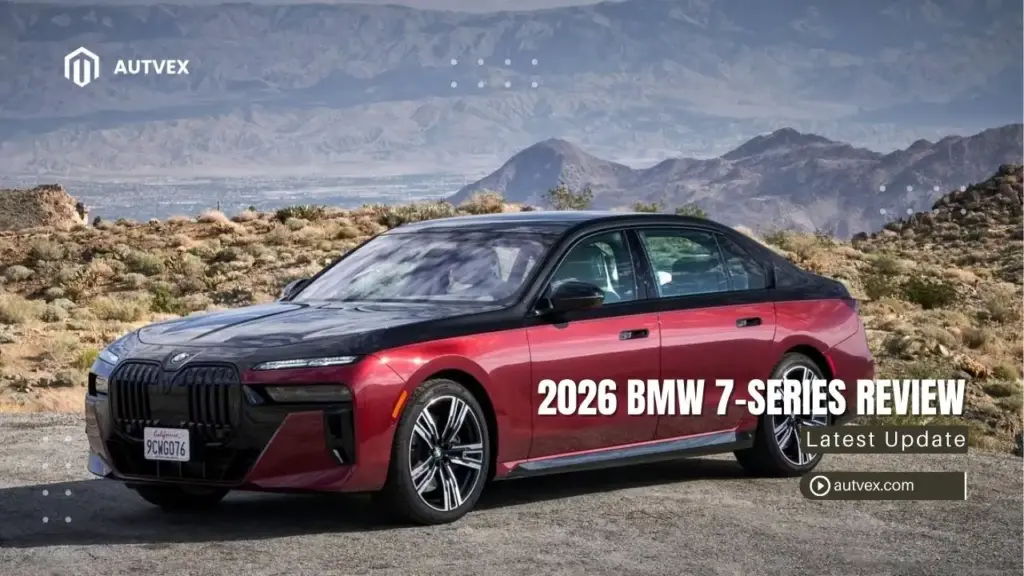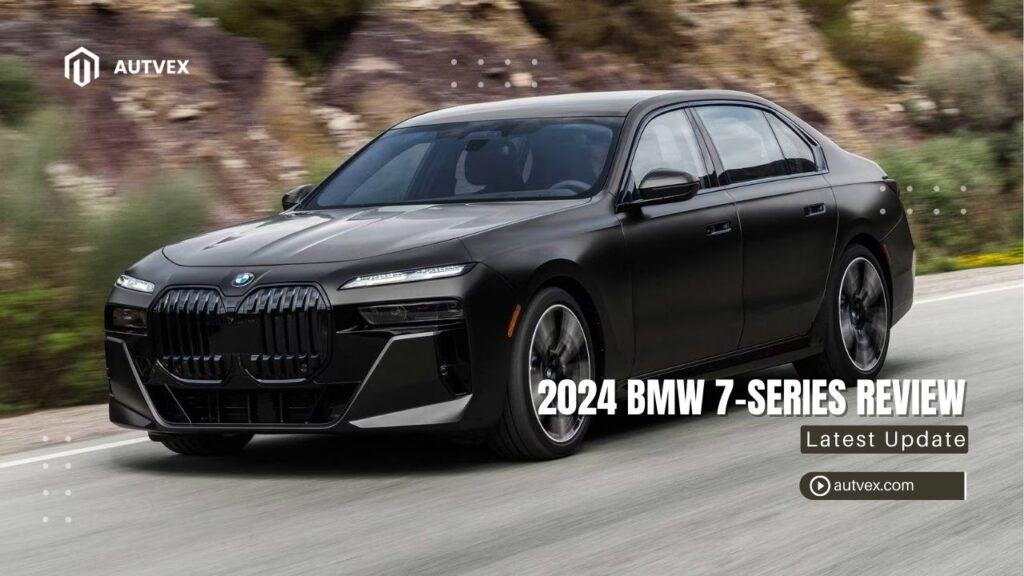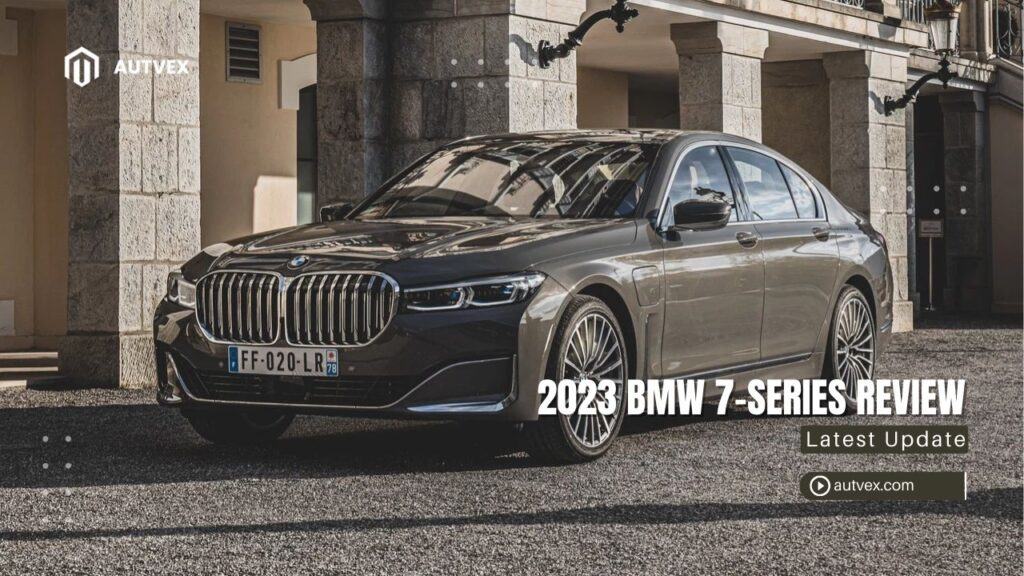
You may also like:
The 2025 BMW 7-Series earns its place on Car and Driver’s Editors’ Choice list by blending opulent accommodations with genuinely useful tech upgrades—including hands-free lane change capability and improved Siri integration[1]. For buyers who want a tech-forward flagship that doesn’t sacrifice driving dynamics, this is the German sedan to beat. That said, the touchscreen-heavy interior frustrates some owners, and the Mercedes S-Class still rides a bit smoother[2]. Choose the 740i unless you absolutely need V8 thrust—it’s $24,000 cheaper and plenty quick.
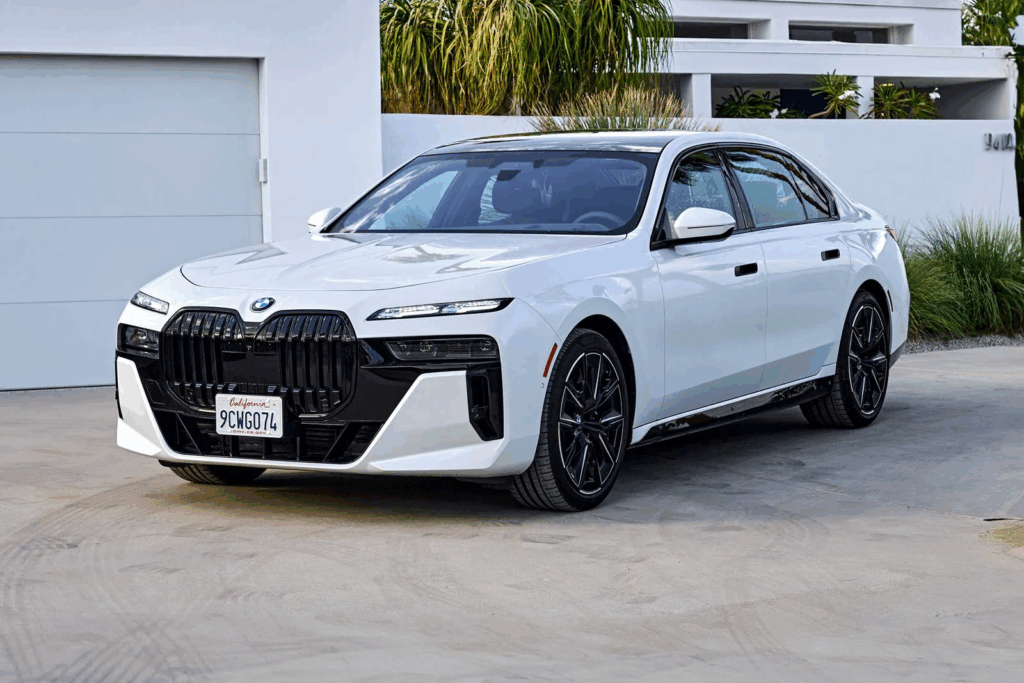
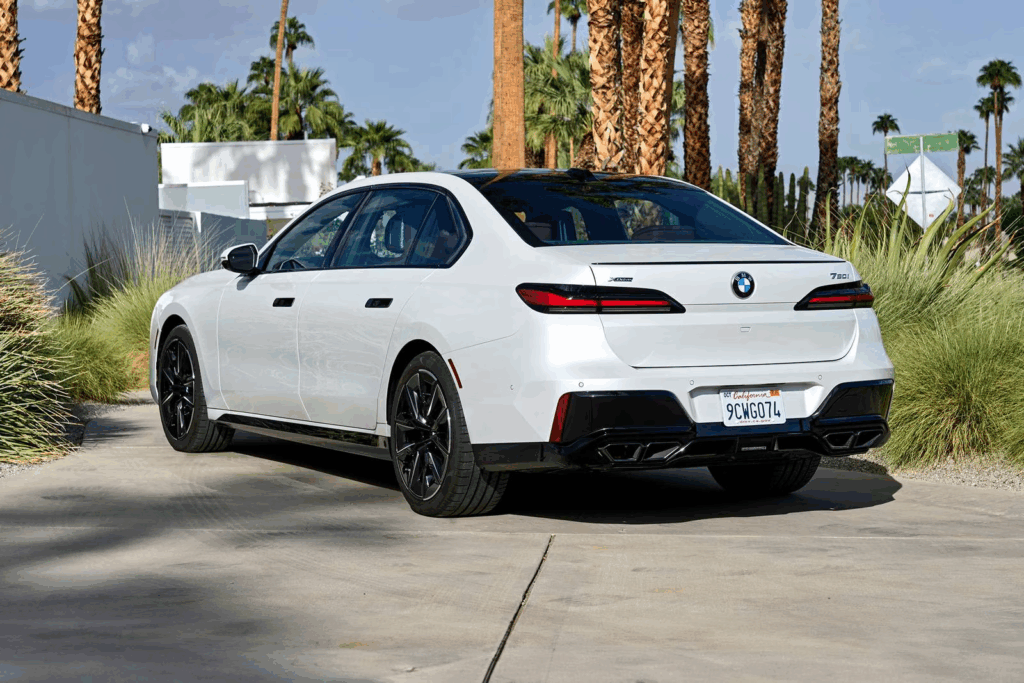
2025 BMW 7-Series Specifications
| Spec | 740i | 740i xDrive | 750e xDrive | 760i xDrive |
|---|---|---|---|---|
| Starting MSRP | $97,200 | $100,300 | $108,000 | $122,000 |
| Engine | 3.0L Turbo I6 + 48V Mild Hybrid | 3.0L Turbo I6 + 48V Mild Hybrid | 3.0L Turbo I6 + PHEV | 4.4L Twin-Turbo V8 + 48V Mild Hybrid |
| Horsepower | 375 hp | 375 hp | 483 hp | 536 hp |
| Torque | 398 lb-ft | 398 lb-ft | N/A | 553 lb-ft |
| 0-60 mph | 4.9 sec (est.) | 4.9 sec (est.) | N/A | 3.5 sec (tested) |
| EPA Combined MPG | 28 mpg | 27 mpg | N/A | 20 mpg |
| Electric Range | — | — | 35+ miles | — |
| Cargo Space | 19 cu ft | 19 cu ft | 19 cu ft | 19 cu ft |
Data from Car and Driver[1] and Edmunds[3]
The 2025 model year brings focused improvements rather than a redesign. BMW upgraded the iDrive system for easier Siri access—just say “Hey Siri” without touching anything. The real headline: Highway Assistant now suggests lane changes, and you confirm by simply looking at the side mirror[1]. That’s genuinely useful tech that makes highway cruising noticeably less tedious.
Design and Practicality
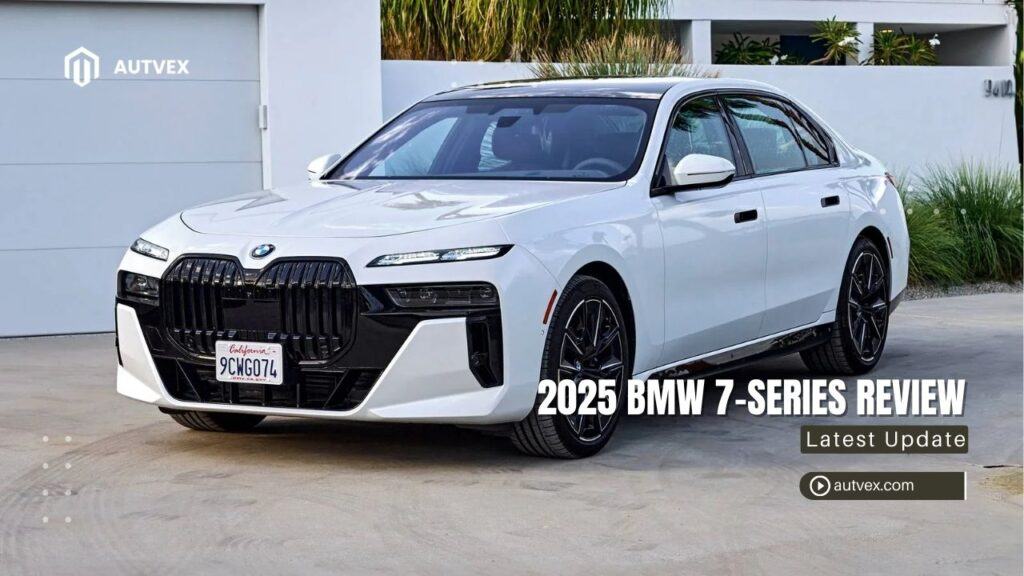
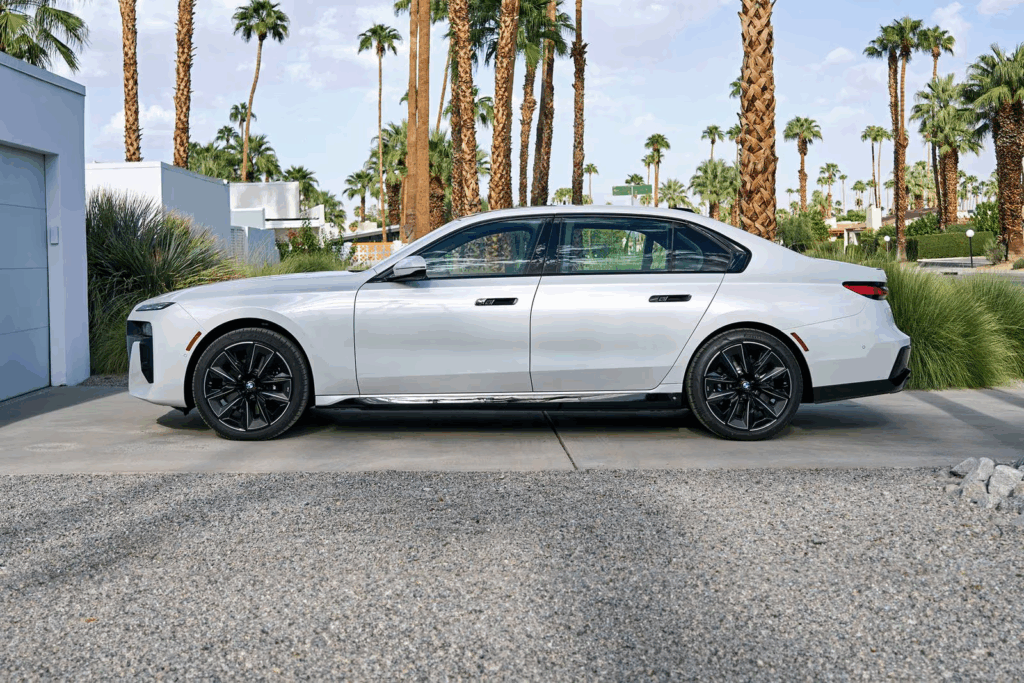
Three years in, the split headlight design still divides opinion. Love it or hate it—there’s no middle ground.
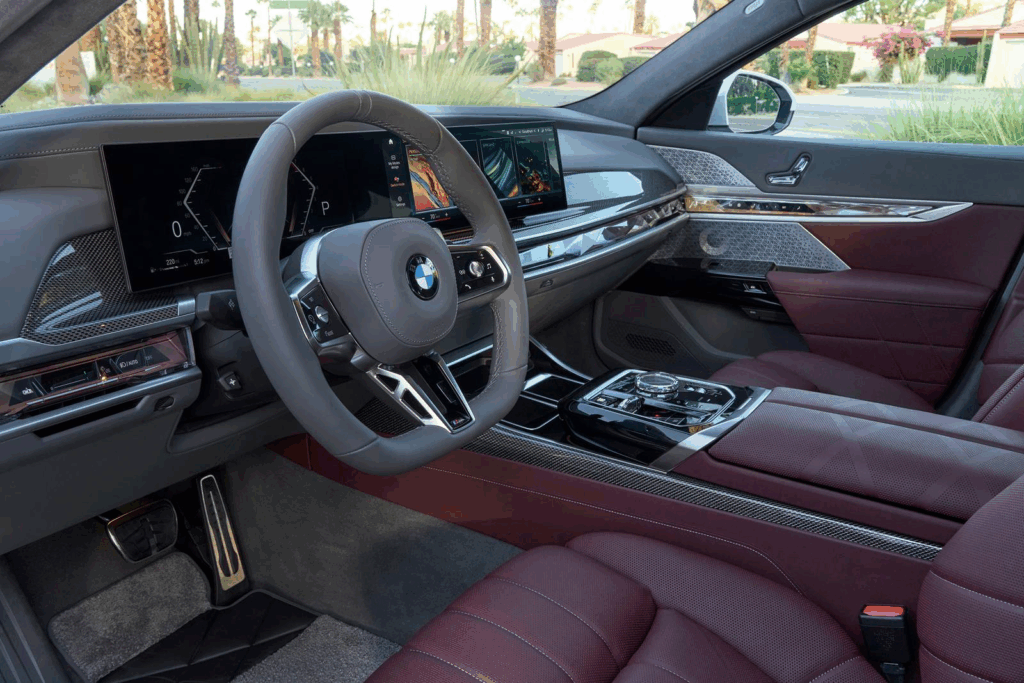
Inside is where skeptics become believers. Rich-smelling leathers, stainless steel accents, and optional cashmere upholstery create a cabin that finally challenges the Audi A8 and Mercedes S-Class for sheer opulence[1]. BMW also lets you choose from BMW Individual’s custom paint program with nearly unlimited color options—a personalization perk Mercedes doesn’t match at this price point[2].
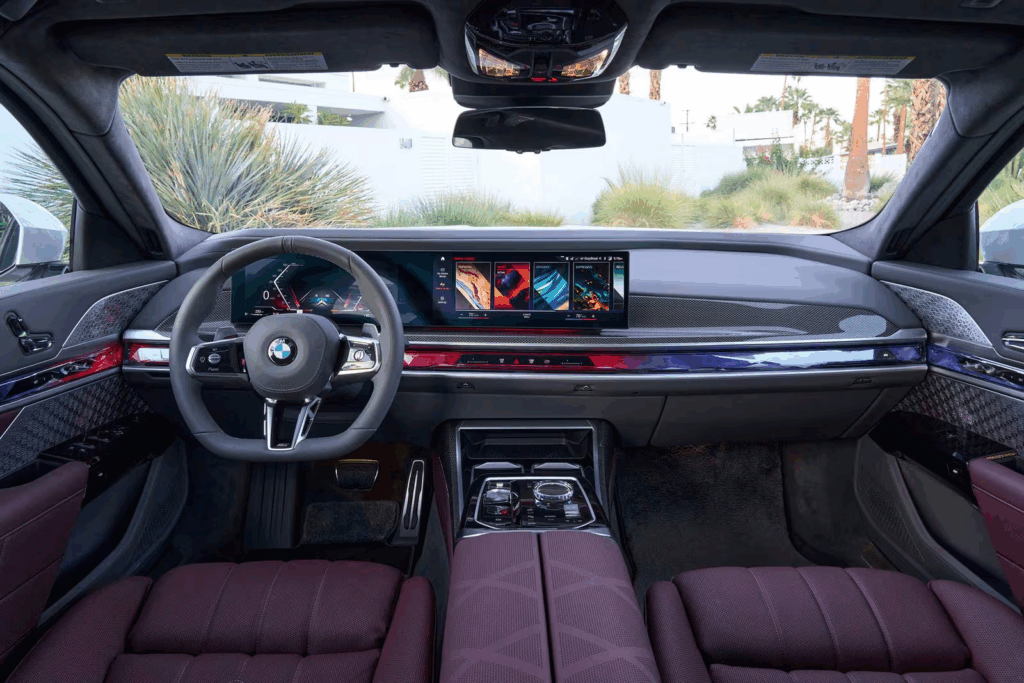
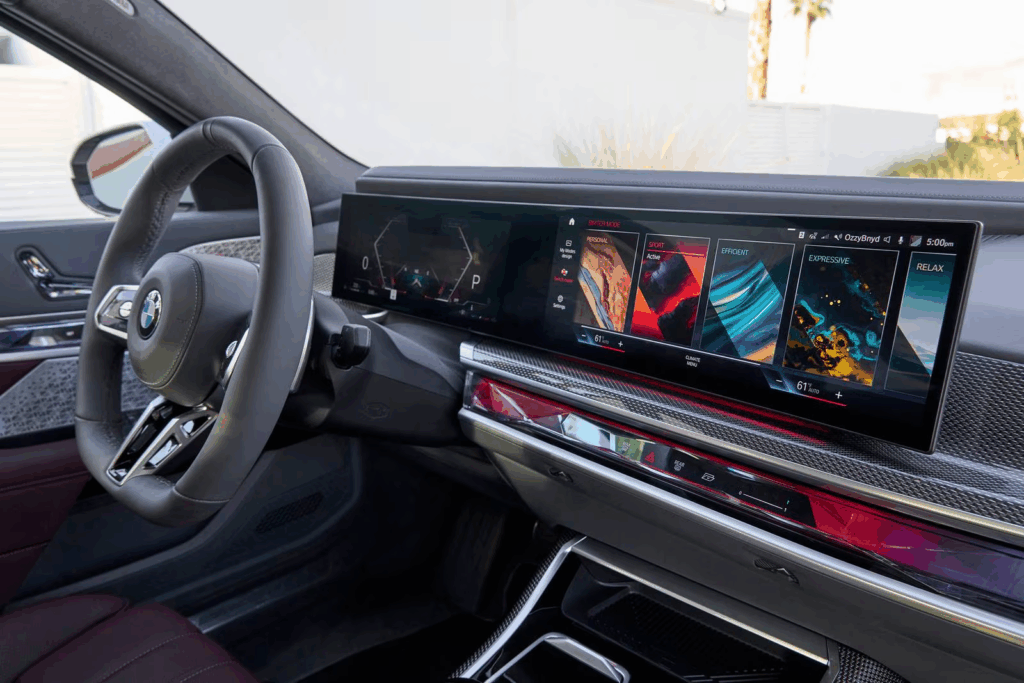
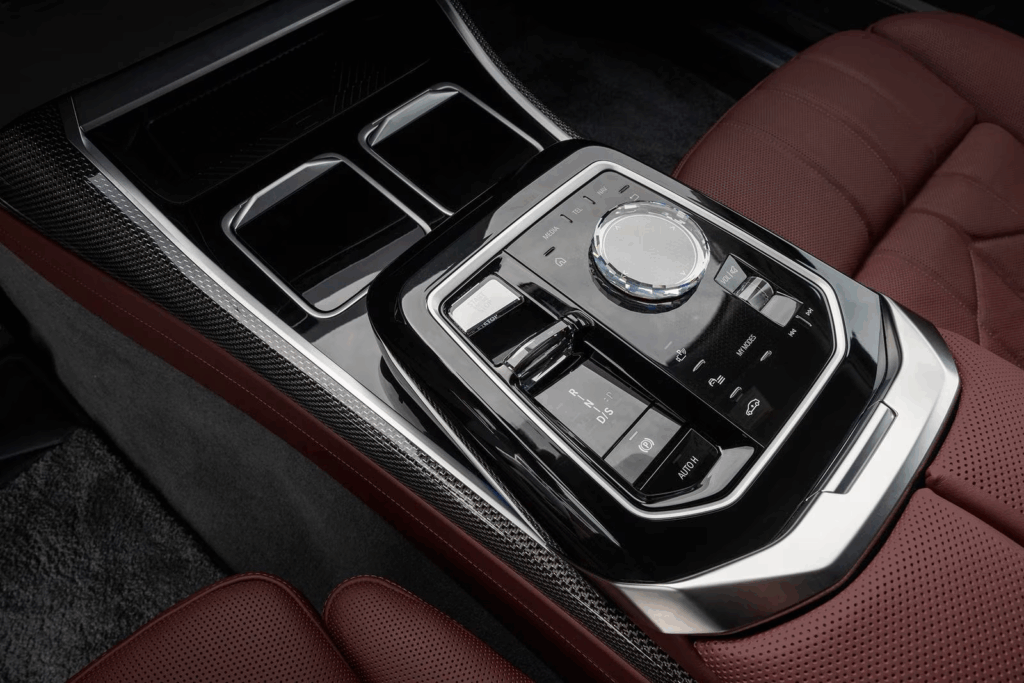
The cabin layout mirrors the 2025 BMW iX, with a large curved glass panel housing both the 12.3-inch digital gauge cluster and the 14.9-inch infotainment touchscreen[1]. Here’s the catch: BMW eliminated most physical buttons. Climate control, drive modes, and many other functions live exclusively in the touchscreen. Some owners love the clean aesthetic. Others—like one reviewer who wrote “the technology was written by a techie who had no idea how to make a car for a driver”—find it maddening[2].
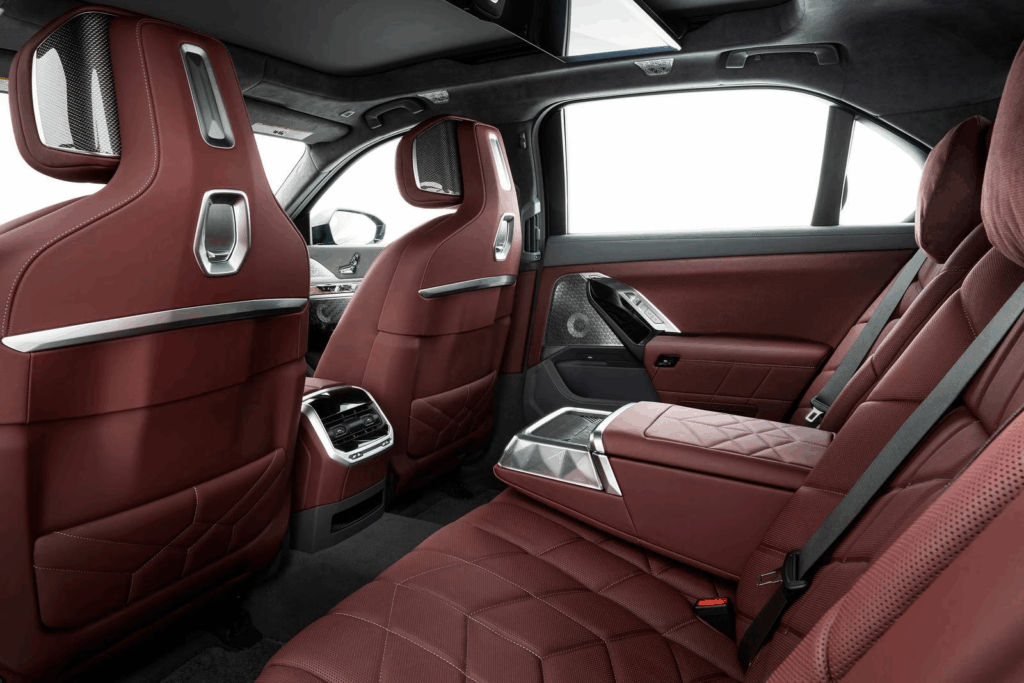
Passenger space runs generous front and rear. But the real magic happens with the Executive Lounge package ($7,250), which adds power-adjustable reclining rear seats with massage, footrests, and that 31.3-inch Theater Screen that drops from the ceiling[1]. During a recent test, I streamed a full episode during a traffic jam. Completely unnecessary? Absolutely. But that’s exactly the point of a $150,000 sedan.
Performance and Driving Experience
Three powertrain flavors. Each satisfying in different ways.
The 740i runs BMW’s turbocharged 3.0-liter inline-six making 375 hp, assisted by a 48-volt mild hybrid system[1]. BMW estimates 4.9 seconds to 60 mph—quick enough that you’ll never feel underpowered. Edmunds recommends this variant, and I’d agree: it costs roughly $24,000 less than the V8, and the inline-six’s silky power delivery suits this car’s character better anyway[2]. Put those savings toward the Executive package or Driving Assistance Professional.
The 750e xDrive plug-in hybrid pairs the inline-six with an electric motor for 483 combined horsepower and 35+ miles of all-electric range[1]. For buyers with short commutes and home charging, this makes sense. For everyone else, the added weight and complexity probably don’t justify the $10,000 premium over the 740i xDrive.
Then there’s the 760i xDrive. The twin-turbocharged 4.4-liter V8 makes 536 hp and 553 lb-ft of torque. Car and Driver hit 60 mph in a frankly ridiculous 3.5 seconds—faster than BMW’s own 4.2-second claim[1]. On their 75-mph highway fuel economy test, it returned 30 mpg, beating the EPA’s 26 mpg highway estimate[1]. What surprised me: despite the power, the V8 doesn’t feel like a muscle car. It’s more refined steamroller—immense thrust delivered without drama.
Standard air suspension with adaptive dampers and rear-wheel steering makes this 5,000-pound sedan more agile than physics suggests[1]. But here’s what the spec sheet doesn’t tell you: the suspension tilts back too far under hard acceleration, creating a swaying motion until things rebalance[2]. The ride smooths out beautifully at speed, though the S-Class—and even BMW’s own electric 2025 i7—feel a bit more isolated[2].
Technology and Features
This is where BMW flexed hardest. Some hits, some misses.
The iDrive 8.5 infotainment responds quickly and looks sharp on that 14.9-inch center screen[1]. Wireless Apple CarPlay and Android Auto come standard—no subscription required. Over-the-air updates mean the software improves without dealer visits.
Highway Assistant now works up to 85 mph on mapped highways[2]. Edmunds found it keeps the car centered and accelerates smoothly. The new twist for 2025: when the system detects a slower vehicle ahead, it can suggest a lane change. Look at the corresponding side mirror, and the car executes the maneuver[1]. After using this for highway trips, going back to traditional adaptive cruise feels primitive. This is genuinely useful tech, not a gimmick.
That optional Theater Screen ($7,250 bundled with Executive Lounge Seating) brings 31.3 inches of 8K resolution, Amazon Fire TV integration, and 5G connectivity[1]. There’s even an HDMI port for a game console. But fair warning: when deployed, it obstructs rearward visibility[2]. The camera systems compensate, but some drivers will find this unsettling.
Standard safety equipment includes automated emergency braking with pedestrian detection and lane-departure warning with lane-keeping assist[1]. The Driving Assistance Professional package ($2,500) adds Highway Assistant and enhanced parking capabilities that let you exit the car and park via smartphone[3].
Ownership Costs and Reliability
BMW includes three years or 36,000 miles of complimentary scheduled maintenance—a perk that Mercedes-Benz and Audi don’t match[1]. Given BMW’s maintenance costs, that’s meaningful savings. The Genesis G90 matches BMW’s complimentary maintenance but includes longer warranty terms[1].
Warranty coverage runs four years or 50,000 miles for basic and powertrain—standard for the segment. Edmunds suggests used prices start around $85,000 with roughly 17 vehicles available nationally[2]. The 750e xDrive tends to sit on dealer lots longer (92+ days median), which means more negotiation room on that variant.
Owner reviews on Edmunds average 3.9 out of 5 stars[2]. The complaints center on the tech interface—multiple owners describe the learning curve as steep. Those who embrace the touchscreen-heavy approach tend to love the car. Those who prefer physical controls… don’t.
Pros and Cons
Strengths
- Engines deliver smooth, powerful acceleration across all three powertrains—the inline-six is genuinely quick while the V8 is borderline supercar fast with its 3.5-second 0-60 time[1]
- Interior combines futuristic tech with high-quality materials, finally matching Mercedes S-Class levels of luxury and exceeding it on personalization options[1]
- Highway Assistant with lane-change suggestions makes long highway drives genuinely less tiring—this is useful tech, not a gimmick[1]
- Three-year complimentary maintenance saves real money versus Mercedes and Audi competitors that charge for scheduled service from day one[1]
- Standard air suspension with rear-wheel steering makes parking this 212-inch sedan easier than expected in tight city spaces[1]
Weaknesses
- Touchscreen-heavy interface eliminates most physical buttons, frustrating owners who prefer tactile controls for climate and common functions[2]
- Suspension tilts back noticeably under acceleration, creating a swaying motion that feels less composed than the Mercedes S-Class benchmark[2]
- Optional Theater Screen obstructs rearward visibility when deployed, forcing reliance on camera systems some drivers find unsettling[2]
- Polarizing exterior styling with split headlights and oversized grille continues to divide opinion even three years after the redesign[4]
- Few driver-assistance features come standard—you need the $2,500 Driving Assistance Professional package for hands-free Highway Assistant[2]
Final Verdict
The 2025 BMW 7-Series isn’t trying to be everything to everyone. It’s a tech showcase wrapped in a luxury sedan, and it executes that vision with conviction. The Highway Assistant improvements alone make this feel like genuinely new technology rather than warmed-over features from last year. And when equipped with the Executive Lounge package, rear-seat passengers get a flying-first-class experience on wheels.
But this car demands you meet it on its terms. If touchscreens frustrate you, if you prefer understated styling, or if ride quality matters more than gadgetry—look elsewhere. The 2025 BMW 5-Series delivers similar tech in a more manageable package, and the Mercedes S-Class remains the isolation champion.
- Choose the 2025 BMW 7-Series if: You embrace touchscreen interfaces, want the most advanced hands-free driving tech available, and appreciate bold design that announces your arrival.
- Consider the Mercedes-Benz S-Class if: Ride quality and sound isolation matter most, you prefer physical controls, or understated elegance better matches your style.
- Look at the Genesis G90 if: You want similar luxury and technology at roughly $6,000 less with longer warranty coverage and a more conservative design.
FAQs
Is the 2025 BMW 7-Series reliable?
Reliability data for the 2025 model year is still limited, but owner reviews on Edmunds average 3.9 out of 5 stars[2]. Most complaints center on the tech interface’s learning curve rather than mechanical issues. BMW’s three-year complimentary maintenance offsets service costs during warranty, and the four-year/50,000-mile warranty matches segment standards.
Which 2025 BMW 7-Series trim should I buy?
The 740i delivers the best value. Its turbocharged inline-six is smooth and quick enough for real-world driving, and you pocket roughly $24,000 versus the V8[2]. Spend that savings on the Driving Assistance Professional package ($2,500) for hands-free highway driving and the Executive package ($4,650 for 2025) for ventilated and massaging seats with automatic doors.
How much does a fully-loaded 2025 BMW 760i xDrive cost?
A loaded 760i xDrive easily exceeds $150,000[1]. Key options include Rear Executive Lounge Seating with Theater Screen ($7,250), BMW Individual Composition ($5,450), Bowers & Wilkins sound system ($4,800), Executive package ($4,650), Autobahn package ($3,600), and Luxury Rear Seating package ($3,000). Most buyers skip some of these—the base 760i is already extremely well-equipped.
What’s new for the 2025 BMW 7-Series?
Updates focus on the tech side. The iDrive operating system now supports hands-free Siri activation—just say “Hey Siri” without touching anything[1]. Highway Assistant adds lane-change suggestions: look at the corresponding side mirror, and the car executes the maneuver automatically. Additionally, the Panoramic Sky Lounge LED Roof is now standard on 740i and 750e xDrive models[4].
References
- Car and Driver. (2025). 2025 BMW 7-series Review, Pricing, and Specs. https://www.caranddriver.com/bmw/7-series-2025
- Edmunds. (2025). 2025 BMW 7 Series Prices, Reviews, and Pictures. https://www.edmunds.com/bmw/7-series/2025/
- Edmunds. (2025). 2025 BMW 7 Series 740i xDrive Specs & Features. https://www.edmunds.com/bmw/7-series/2025/st-402058575/features-specs/
- BMW Blog. (2025). 2025 BMW 7 Series: Pricing, Specs, and What’s New. https://www.bmwblog.com/2025/02/06/2025-bmw-7-series-review-performance-luxury-features/

I am a senior automotive analyst at Autvex. Expert vehicle evaluations, in-depth reviews, and objective analysis helping readers make informed automotive decisions with years of industry experience.