

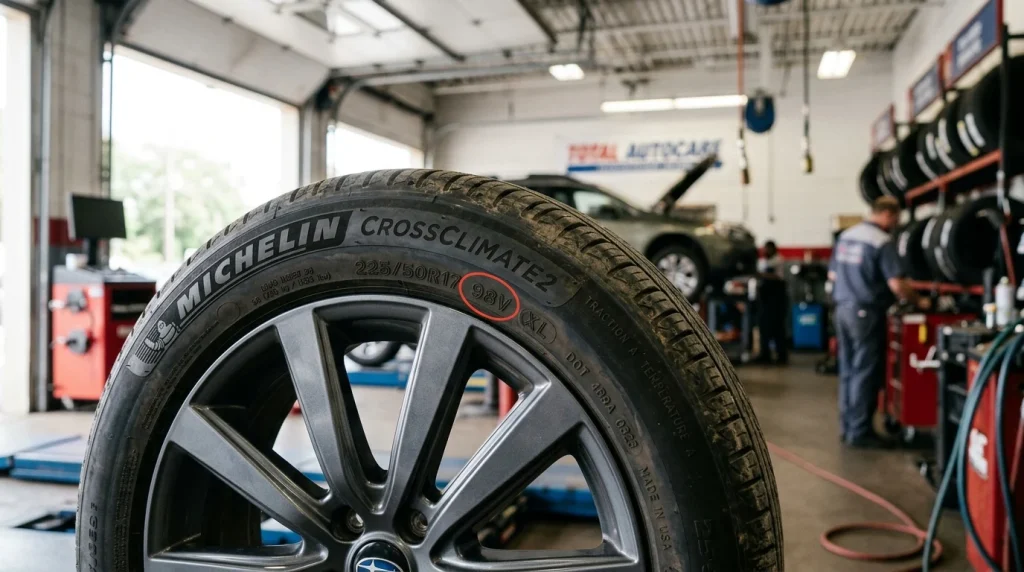
To understand what does XL mean on a tire, the designation stands for Extra Load. It identifies a reinforced passenger model engineered to support heavier loads at higher inflation pressures than a Standard Load (SL) version of identical size. Under international industry standards, XL variants achieve their maximum load capacity at 41 PSI (Tire and Rim Association) or 42 PSI (European Tyre and Rim Technical Organisation), compared to 35 or 36 PSI for standard versions.
Key takeaways:
- XL stands for Extra Load, designating models with reinforced internal construction to carry heavier vehicle weights.
- Standard Load models reach peak capacity at 35 or 36 PSI, while Extra Load variants scale to peak capacity at 41 or 42 PSI.
- External physical dimensions of an XL casing remain identical to an SL unit of the same numerical size specification.
- Replacing factory-specified XL fitments with standard load models is unsafe and compromises vehicle stability, braking, and load carrying capacity.
XL on Tires: What It Stands For
On modern vehicles, the XL marking stands for Extra Load, also branded as Reinforced (RE, RF, or REINF) by select manufacturers. An Extra Load build uses reinforced internal architecture, including heavier carcass plies, stronger steel belts, and stiffened bead apexes, to withstand higher internal pneumatic pressures without structural deformation.
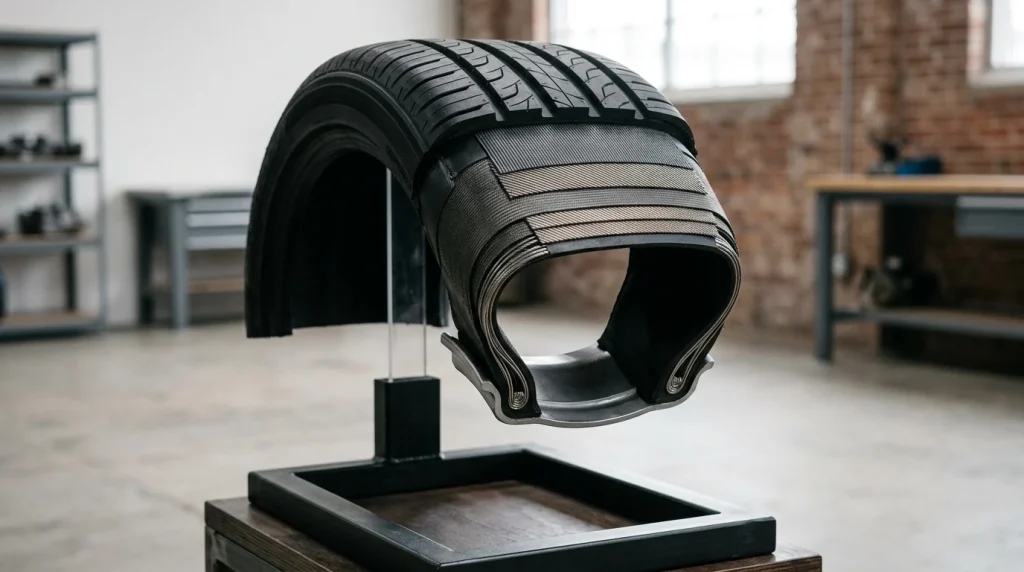
Sidewall size markings indicate external geometry rather than internal strength. For instance, a 225/45R18 Standard Load specification and a 225/45R18 Extra Load build share the exact same width, aspect ratio, and rim diameter. Both mount onto identical wheels and occupy identical wheel-well clearances. The distinction lies within internal carcass architecture, allowing the XL variant to operate safely under increased pneumatic load. When diagnosing dashboard warnings such as what does the exclamation point mean in a car display, understanding proper load ratings helps determine whether pressure monitoring alerts stem from incorrect inflation or structural overload.
According to technical engineering documentation from Tire Rack, load capacity is directly governed by internal air volume and operating pressure. Standard casings reach a structural threshold where adding air beyond baseline thresholds stiffens the sidewall without adding carrying capacity. In contrast, Extra Load engineering permits elevated operating pressure to safely carry increased mass. Maintaining proper casing integrity works hand in hand with core vehicle safety architecture, ensuring secondary safety equipment like what is an active restraint in a car operates within expected deceleration limits during sudden stops.
How XL Alters Load Capacity and Inflation
Load capacity across any pneumatic wheel assembly depends on the pressurized air chamber established between the rim and the casing. International standards established by the European Tyre and Rim Technical Organisation (ETRTO) and the Tire and Rim Association (TRA) define precise load-to-inflation schedules across all certified wheel sizes.
According to technical documentation from Goodyear, a load index specifies the maximum weight supported at rated inflation. Under TRA guidelines, Standard Load models reach their maximum rated weight capacity at 35 PSI, whereas ETRTO standards rate them at 36 PSI (2.5 bar). Extra Load designs require 41 PSI (TRA) or 42 PSI (2.9 bar, ETRTO) to achieve full rated capacity. At lower baseline pressures, such as 30 to 32 PSI, an XL variant supports virtually the same weight as an equivalent SL build. The structural benefit of the reinforced rating materializes as inflation increases toward the 41 to 42 PSI range. Monitoring internal pneumatic pressure is as fundamental to vehicle health as ensuring steady airflow through what is a car blower motor for cabin comfort.
| Specification Parameter | Standard Load (SL) | Extra Load (XL / Reinforced) |
|---|---|---|
| TRA Maximum Load Rated Pressure | 35 PSI | 41 PSI |
| ETRTO Maximum Load Rated Pressure | 36 PSI (2.5 bar) | 42 PSI (2.9 bar) |
| Typical Maximum Sidewall Pressure | 44 to 50 PSI | 50 to 51 PSI |
| Typical Load Index Difference | Baseline (e.g., 91) | +3 to +4 Index Points (e.g., 95) |
| Common Sidewall Markings | SL or None | XL, Extra Load, RF, REINF |
| Primary Structural Target | Compact Sedans, Light Cars | Heavy Sedans, SUVs, Crossovers, EVs |
Practical Example
To illustrate the technical difference, consider size 215/60R16 commonly fitted to midsize sedans and crossovers.
A Standard Load 215/60R16 casing typically carries a load index of 95, rated to support 1,521 pounds (690 kg) per wheel at 35 PSI. In contrast, a 215/60R16 XL variant features a load index of 99, certified to support 1,709 pounds (775 kg) at 41 PSI. Across a four-wheel axle layout, four XL units provide an additional 752 pounds of gross vehicle weight capacity. Routine maintenance checks, similar to inspecting what does the air filter do on a car during scheduled service intervals, should always verify that replacement fitments meet or exceed the original load index.
XL vs Other Markings (e.g., XL vs P-metric, LT)
Automotive sidewalls carry several distinct category markings that indicate intended application and internal construction:
- P-metric vs Euro-metric: P-metric fitments carry a “P” prefix (such as P215/65R16) and follow TRA standards. Euro-metric options omit the prefix (such as 215/65R16) and follow ETRTO standards, featuring slightly higher maximum load ratings. Both sizing systems offer SL and XL options.
- Light Truck (LT) Markings: LT designations (such as LT245/75R16) are engineered for commercial vans, heavy pickup trucks, and commercial towing. LT designs use ply rating load ranges (Load Range C, D, or E) and operate at 50 to 80 PSI. XL casings are passenger-class units and cannot substitute for commercial LT specifications.
- High Load (HL) Markings: Introduced by ETRTO for heavy electric vehicles, HL casings support approximately 20 to 25 percent more load than standard units at 42 to 44 PSI, sitting above XL in load capacity.
- Run-Flat Markings: Codes such as RFT, SSR, or ZP designate self-supporting sidewalls capable of temporary zero-pressure operation. A run-flat casing may be rated SL or XL, but run-flat capability is an independent structural feature.
While maintaining optimal powertrain performance through correct fluids like what type of gas do BMW take is essential, pairing the engine with appropriate load ratings protects the chassis from irregular wheel deflection during rapid acceleration. Extra Load construction provides a structural safety margin against road hazards, such as potholes and curb strikes, due to reinforced bead fillers and sidewall apexes. However, stiffer plies increase unsprung mass and transmit more road vibration into the passenger cabin. Drivers of lightweight commuter vehicles who do not haul cargo or tow trailers will experience a noticeably firmer ride on XL models without realizing significant payload benefits.
How to Verify Compatibility with Your Vehicle
Selecting between SL and XL casings requires reviewing vehicle-specific documentation rather than guessing based on brand names. Every production vehicle includes a Federal Tire Information Placard located on the driver-side door jamb, B-pillar, or inside the glove compartment.

The door placard specifies original wheel size, minimum required load index, speed rating, and recommended cold inflation pressure for front and rear axles. If the placard specifies an XL fitment (for example, 225/45R18 95V XL), vehicle owners must install replacements with a load index of 95 or higher. Downgrading to an SL version with a 91 load index creates an unsafe operating condition because the rubber cannot support the vehicle gross axle weight rating (GAWR). When budgeting long-term vehicle costs like what is the average BMW maintenance cost or evaluating overall platform durability in what is more reliable BMW or Mercedes, fitting correct load-rated units prevents premature suspension wear and irregular tread cupping.
To verify vehicle compatibility:
- Inspect the Driver Door Placard: Locate the factory dimension string, load index number, and recommended cold inflation PSI.
- Check Current Sidewalls: Confirm whether existing rubber carries the XL or Reinforced designation after the size string.
- Match or Exceed Factory Load Index: Never install a replacement with a lower load index than specified on the vehicle placard.
- Set Inflation to Vehicle Specifications: Adjust cold inflation pressure to match the placard recommendation, not the maximum pressure stamped on the sidewall.
Real-World Scenarios and Cautions
Specific operating conditions and vehicle architectures dictate whether XL fitments are mandatory or optional:
- Electric Vehicles and Plug-in Hybrids: Battery packs add 500 to 1,500 pounds of curb weight compared to internal combustion equivalents. Specialized powertrains such as what engine does the BMW i8 have or modern full-electric SUVs generate instant motor torque that strains wheel assemblies. Most EVs require XL or HL ratings from the factory to manage heavy chassis weight and high torque transfer.
- Towing and Heavy Cargo: Crossovers and wagons used for towing small trailers, mounting hitch bike racks, or carrying heavy family cargo benefit from the extra load margin of XL builds when inflated to recommended high-load pressures.
- Avoiding Dynamic Malfunctions: Fitting under-rated rubber on performance vehicles can trigger electronic stability warnings or mechanical stress resembling what does drivetrain malfunction mean on a BMW due to excessive sidewall rollover during aggressive cornering.
- Performance Handling and Daily Commuting: Drivers seeking crisper steering response under spirited cornering often choose XL models for their stiffer carcass plies, though fuel economy may decrease marginally due to higher rolling resistance.
Note: When upgrading from Standard Load to Extra Load fitments on a vehicle where SL was factory-specified, always maintain cold inflation pressures at or slightly above the placard specification. Never inflate to the maximum pressure printed on the sidewall for daily commuting, as excessive pressure causes center tread wear, reduced wet traction, and harsh ride quality.
Frequently Asked Questions About What XL Means on a Tire
What does XL stand for on tires?
On automotive sidewalls, XL stands for Extra Load. It indicates that the casing has reinforced internal construction designed to carry heavier loads at higher inflation pressures than a Standard Load (SL) version of the same size. Some manufacturers use the markings RF, RE, or Reinforced to indicate the same specification.
How does XL affect load capacity?
An XL build increases maximum load capacity by allowing the casing to operate at higher inflation pressures. While a standard passenger design achieves maximum load capacity at 35 or 36 PSI, an Extra Load variant scales its carrying capacity up to 41 or 42 PSI, supporting approximately 10 to 15 percent more weight at its rated peak pressure.
Can I use XL tires on a standard car?
Yes, you can safely install XL models on a vehicle that originally came with Standard Load fitments, provided the size, load index, and speed rating match or exceed factory requirements. The vehicle will gain improved sidewall puncture resistance and crisper steering response, though ride stiffness may increase slightly over rough roads.
Are XL tires more expensive?
XL models typically cost 10 to 20 percent more than standard load options of the same dimension and product line. The higher price reflects additional manufacturing materials, including reinforced carcass plies, heavier steel belts, and specialized bead chafer strips.

