

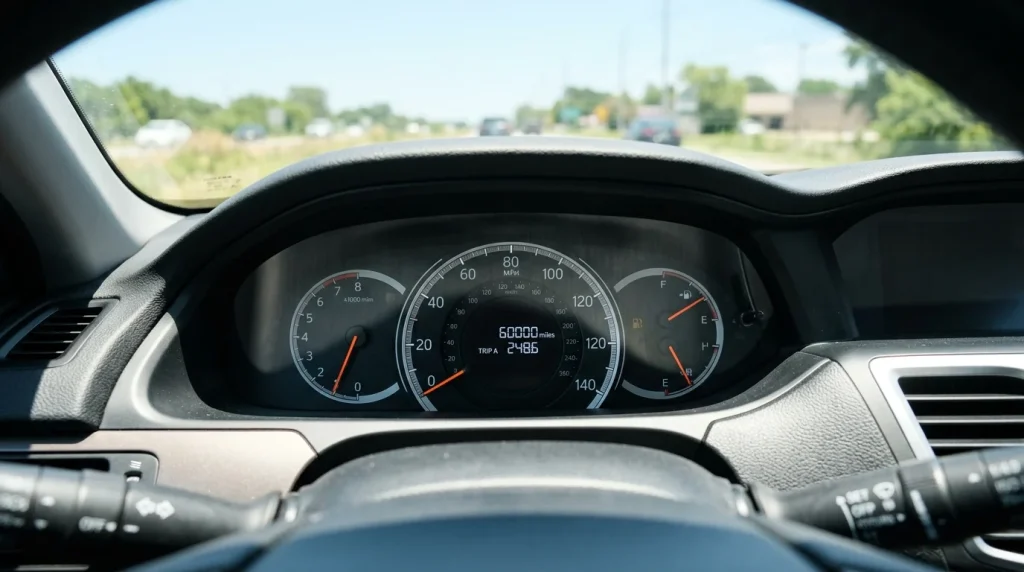
When determining how many miles is good for a used car, a reliable benchmark is roughly 12,000 to 14,000 miles per year of ownership. Under this standard, a 3-year-old vehicle with 36,000 to 42,000 miles or a 5-year-old vehicle with 60,000 to 70,000 miles represents normal, balanced usage. However, documented maintenance history, driving conditions, and overall mechanical condition carry significantly more weight than the raw odometer number alone.
Key takeaways:
- The traditional baseline is 12,000 miles per year, while Federal Highway Administration data records an annual average of 13,476 miles per driver.
- A well-maintained vehicle with complete service records is often a better purchase than an idle car with missing history.
- Powertrain engineering heavily dictates longevity, with proven Japanese engines routinely surpassing 200,000 distance benchmarks.
- Unusually low usage on an older vehicle can cause dry rot, hardened gaskets, and internal moisture accumulation.
Why mileage matters for used cars
The odometer reading serves as a primary reference point when valuing pre-owned vehicles. Every trip introduces physical friction to internal engine components, places load on the transmission, and stresses suspension bushings. As usage accumulates, mechanical parts experience natural fatigue, requiring scheduled fluid changes, component replacements, and comprehensive inspections. According to data from the Federal Highway Administration, American motorists drive an average of 13,476 miles per year across all driver age groups, compared to the traditional 12,000 benchmark.

However, total distance traveled is not a stand-alone measure of mechanical health. A vehicle driven primarily on open highways accumulates distance with minimal brake wear and steady engine temperatures. In contrast, stop-and-go urban commuting creates intense heat cycles, frequent gear shifts, and accelerated brake degradation. For this reason, assessing a car requires understanding operating conditions rather than evaluating the odometer in isolation.
Age vs. mileage: which matters more?
Buyers often face a choice between an older car with low usage and a newer model with higher odometer numbers. Both metrics provide distinct insights into vehicle condition:
-
Odometer readings indicate physical wear: Rotational parts such as wheel bearings, alternator bearings, steering racks, and transmission clutch packs wear down directly through road use.
-
Age indicates environmental degradation: Rubber seals, vacuum hoses, suspension bushings, and fluid additives deteriorate over time regardless of whether the vehicle moves.
A ten-year-old vehicle showing only 25,000 on the clock may appear attractive, but extended storage often leads to dry seals that leak once regular driving resumes. Understanding how long can a car sit without being driven helps clarify the risks of buying neglected low-usage vehicles. Sheltering vehicles in a clean, climate-protected space helps slow down environmental corrosion, and prospective owners frequently calculate epoxy coating costs for a two-car garage when upgrading home vehicle storage. Conversely, a four-year-old car with 65,000 highway miles that received timely oil flushes usually has supple rubber components and minimal internal carbon buildup.
Maintenance history as the equalizer
Service documentation is the single most reliable predictor of future dependability. Modern internal combustion engines rely on tight tolerances and complex valvetrain systems that demand clean lubricants. Skipping regular oil intervals accelerates camshaft wear and causes sludge buildup, shortening engine life regardless of how low the number on the odometer remains.
When evaluating service records, look for routine fluid changes, coolant flushes, and brake servicing. Buyers inspecting fluid condition on-site should verify do you check oil when car is hot or cold before assessing the dipstick level. A complete stack of repair invoices demonstrates that the previous owner addressed minor issues before they escalated into catastrophic powertrain failures.
Mileage benchmarks by age (typical ranges)
Calculating expected distance based on vehicle age gives you an immediate baseline for negotiations. The following categories outline standard expectations across common ownership phases.
| Vehicle Age Bracket | Low Range (Miles) | Typical Range | High Threshold |
|---|---|---|---|
| 0 to 3 Years | Under 20,000 | 24,000 to 42,000 | Over 50,000 |
| 4 to 6 Years | Under 40,000 | 48,000 to 78,000 | Over 90,000 |
| 7 to 10 Years | Under 70,000 | 84,000 to 130,000 | Over 150,000 |
| 10+ Years | Under 90,000 | 120,000 to 180,000 | Over 200,000 |
0-3 years
Vehicles in this group are often coming off 36-month leases or trade-ins. A reading between 24,000 and 36,000 miles is ideal. These cars frequently qualify for manufacturer Certified Pre-Owned (CPO) programs, which extend original warranty coverage and require rigorous multi-point inspections. Check for routine oil services and verify whether original brake pads and tires still have useful life remaining.
4-6 years
Cars between four and six years old represent a strong balance between affordability and reliability. Initial steep depreciation has already occurred, yet the powertrain remains well within its design life. Expected readings range from 48,000 to 75,000 miles. At this stage, major wear items like spark plugs, accessory drive belts, and transmission fluids approach their first scheduled service intervals. During the test drive, verify climate control operation and follow how to check if your car AC compressor is working to catch cooling system faults before purchase.
7-10 years
In the seven to ten-year bracket, typical odometer readings sit between 80,000 and 125,000 miles. Suspension components, shock absorbers, engine mounts, and cooling system hoses often show age-related wear. If the air conditioning blows warm or cycles erratically, factoring in typical car AC compressor cost helps you negotiate repair allowances into the purchase price. Budgeting for preventative replacements is necessary, but a well-cared-for vehicle in this range offers low annual depreciation.
10+ years
Vehicles over ten years old commonly display 120,000 to 180,000 miles or more. At this threshold, overall mechanical condition and corrosion resistance matter far more than exact numbers on the odometer. Review whether expensive scheduled services, such as timing belt and water pump replacements, have already been completed by previous owners. Benchmark thresholds serve as bargaining tools rather than rigid rules. A car with 110,000 miles priced $2,500 below market average easily leaves enough savings to cover preventative suspension and fluid maintenance.
Special cases and caveats
Different vehicle architectures and duty cycles alter how accumulated distance affects long-term reliability. Certain powertrains tolerate heavy operation with minimal fuss, whereas others require vigilant maintenance.
Vehicle type effects
Body-on-frame trucks and full-size SUVs often feature large-displacement naturally aspirated engines and heavy-duty gearboxes built for towing. Longevity research from the iSeeCars Longevity Study demonstrates that while the average passenger vehicle has approximately a 4.8 percent chance of reaching 250,000 miles, leading full-size SUVs and trucks exceed a 30 percent threshold, with durable Japanese manufacturers consistently leading high-mileage survivor rankings. Conversely, compact cars equipped with small-displacement turbocharged engines and continuously variable transmissions (CVTs) operate under higher thermal stress and require strict adherence to fluid change schedules.
Fuel type and technology
- Naturally aspirated gasoline engines: Simple mechanical design with fewer auxiliary failure points, providing predictable ownership costs well beyond 150,000 miles.
- Turbocharged gasoline engines: Deliver superior fuel economy and torque, but demand frequent synthetic oil changes to protect turbocharger bearings and direct-injection intake valves.
- Hybrid powertrains: Regenerative braking reduces brake pad wear, while electric motors reduce load on the internal combustion engine. Battery pack health should be tested before purchase on models over ten years old.
- Diesel engines: Heavy-duty construction and high thermal efficiency allow diesel blocks to run 300,000 miles, though emissions equipment like diesel particulate filters (DPFs) requires regular highway regeneration.
When evaluating luxury brands, technology integration and assembly location influence ownership satisfaction. Buyers shopping European sedans often reference what year did BMW get Apple CarPlay to secure wireless smartphone integration on older models. Sourcing replacement parts and specialized labor can also vary by assembly plant, making where are Audi cars made a relevant factor for import maintenance budgets.
Ownership history and usage pattern
A single-owner vehicle accompanied by a folder of dealer service receipts carries a significant premium for good reason. Fleet vehicles, rental units, and commercial delivery cars often experience aggressive driving and irregular maintenance schedules. Always cross-reference the number of previous owners on title history reports with the recorded odometer reading.
How to assess a used car beyond miles
A physical inspection reveals crucial condition cues that an odometer cannot display. Use a systematic evaluation process before finalizing any transaction.
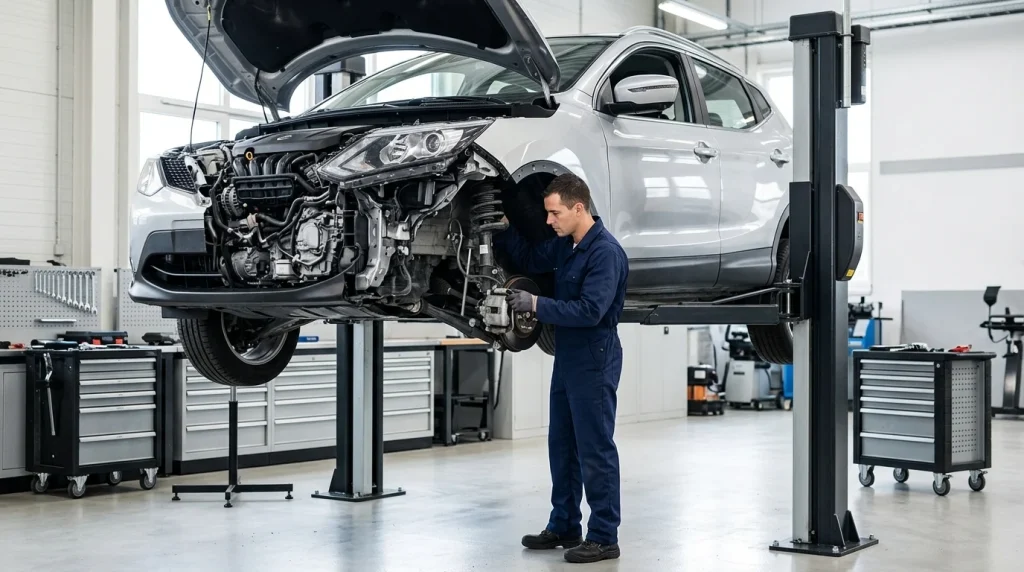
Key checks checklist
- Fluid quality and levels: Pull the oil dipstick and inspect the transmission fluid if accessible. Milky engine oil suggests a blown head gasket, while dark, burnt transmission fluid signals severe gearbox overheating.
- Cabin ventilation and electronics: Run the heater and air conditioning across all fan speeds. If the airflow feels weak or makes squealing noises, review what is a car blower motor to pinpoint whether the fan resistor or motor is failing.
- Exhaust emissions and odors: Observe tailpipe emissions on startup. Blue smoke points to burning oil from worn valve seals, white smoke indicates coolant leakage, and a sulfur odor relates directly to why does my car smell like a rotten egg when catalytic converters overheat or fail.
- Undercarriage and rust: Inspect rocker panels, subframes, and suspension mounting points for structural corrosion, especially on vehicles sourced from northern rust-belt regions.
- Tire tread and wear patterns: Uneven wear across the tire tread indicates misalignment, worn ball joints, or bent control arms.
Inspection data to request
Never purchase a pre-owned vehicle without ordering a Carfax or AutoCheck vehicle history report. Verify that odometer progression increases logically across consecutive safety inspections and registrations. An unexplained drop in reported numbers indicates potential odometer rollback or title fraud.
Note: A pre-purchase inspection conducted by an independent certified mechanic costs between $120 and $200. This single step routinely identifies hidden mechanical flaws that save buyers thousands in unexpected repairs.
Real-world guidance and decision framework
Translating odometer data into a practical buying decision requires balancing purchase price against anticipated maintenance expenditures.
Decision matrix
- Daily long-distance commuter (18,000+ miles annually): Target a 3 to 4-year-old vehicle with 30,000 to 45,000 miles. Starting with low accumulation ensures the car remains dependable over several years of intensive driving.
- Moderate local driver (8,000 to 12,000 miles annually): The sweet spot is a 5 to 7-year-old vehicle with 60,000 to 80,000 miles. You save substantially on purchase price while adding distance at a manageable pace.
- Secondary runabout or teen driver (under 6,000 miles annually): A 10-year-old car with 110,000 to 130,000 miles from a reliable manufacturer offers maximum value with low insurance costs.
During the test drive, pay attention to steering response and unusual noises. Clicking or whining during tight maneuvers connects directly to why does my car make a noise when I turn, often pointing to worn constant-velocity (CV) joints or failing power steering pumps. If buying from a dealership in specific jurisdictions, review local consumer protection statutes such as what is the lemon law in Texas for used cars to understand return rights and dealer warranty obligations.
When to walk away
Certain mechanical red flags should prompt you to decline the purchase regardless of price:
- Inconsistent odometer entries across vehicle history databases.
- Active check engine lights paired with pending transmission or catalytic converter trouble codes.
- Severe structural rust perforating frame rails or suspension mountings.
- Fresh oil residue coating the engine block with no clear service origin.
- Hesitation, slipping, or shuddering during transmission gear changes.
Frequently asked questions about used car mileage
Is 100,000 miles too much for a used car?
No, 100,000 miles is no longer the automatic expiration point it was decades ago. Modern fuel injection, synthetic lubricants, and precision engine manufacturing allow properly maintained vehicles to reach 200,000 miles with ease. The primary requirement is verifying that major service intervals, such as timing belt, water pump, and transmission fluid services, were completed on schedule.
How many miles per year is considered high usage?
Vehicles driven more than 15,000 miles per year fall into the high-usage category. While high annual distance is not an immediate disqualifier, it warrants closer inspection of suspension bushings, wheel bearings, and brake hardware. Conversely, steady highway driving often subjects a car to less mechanical strain than low-distance city driving.
What mileage is considered suspiciously low for an older car?
An annual average below 3,000 to 4,000 miles on a car older than seven years should raise questions. Long periods of sitting cause rubber gaskets to dry out, brake calipers to seize, and condensation to pool in the exhaust and crankcase. Always verify that fluids were replaced on a time-based schedule rather than elapsed distance alone.
Do highway miles matter less than city miles?
Yes, highway driving causes substantially less wear than city driving. Driving at constant speeds on smooth asphalt keeps engine oil at optimal operating temperature, minimizes transmission shifts, and puts negligible strain on brakes and starter motors. City driving involves constant gear hunting, idling, and severe thermal cycles that accelerate wear.
Which car brands last longest past 200,000 miles?
Statistical vehicle longevity studies from automotive research firms consistently place Toyota, Lexus, and Honda at the top of high-distance survivor rankings. Models like the Toyota 4Runner, Toyota Camry, Honda Accord, and Honda Civic routinely exceed 200,000 to 250,000 miles when owners follow recommended oil change and preventative maintenance schedules.

