You may also like:
- 【Review】Top 7 Best Tires for Audi (A 2025 Buyer’s Guide)
- 【Review】Top 5 Best Cheapest Tires for an Audi (The Ultimate 2025 Value Guide)
- 【Explained】Top 5 Best Snow Tires for Audi (A 2025 Buyer’s Guide)
- 【Review】Top 5 Best All-Season Tires for Audi (2025 UHP Review)
- 【Review】Top 5 Best Winter Tires for Audi (2025 Snow & Ice Guide)
The Michelin Pilot Sport 4S remains the undisputed benchmark for Ultra High Performance (UHP) summer tires on Audi vehicles, delivering exceptional dry grip, precise steering response, and impressive wet traction while maintaining reasonable tread life for the category at 20,000-30,000 miles. The Continental ExtremeContact Sport 02 closely rivals the PS4S with superior wet braking performance and daily comfort at a lower price point, making these two the top choices for maximizing your Audi’s Quattro AWD capabilities in temperatures above 45°F (7°C), though they become dangerously hard and provide zero traction in cold weather or snow.
Top 5 Best Summer Tires for Audi in 2025
Selecting the right UHP summer tire transforms your Audi from competent to extraordinary, unlocking the performance potential engineered into every S-line and RS model while enhancing even standard A-series dynamics.
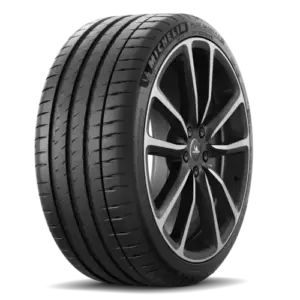
1. Michelin Pilot Sport 4S – Overall Best Performance & Grip

The Michelin Pilot Sport 4S continues dominating the UHP segment with its 86% overall performance rating across 142 independent reviews covering 1.6 million miles[1]. The asymmetric tread pattern features dual compounds—a dry-focused hybrid rubber on the outside shoulder and silica-infused wet compound on the inner ribs. This Le Mans-derived technology delivers exceptional cornering stability while stopping from 60-0 mph in just 103 feet, outperforming competitors by 3-8 feet.
Real-world testing confirms the PS4S’s legendary status. The Dynamic Response System maintains tire contact through aggressive cornering, providing immediate steering feedback that communicates available grip levels. Despite its track-capable performance, road noise remains impressively muted at 70-75 dB, making it suitable for daily commuting. The specialized internal structure absorbs minor road imperfections better than typical UHP tires, delivering unexpected comfort for the category.
According to Autvex experts, the PS4S particularly excels on heavier Audi models like the S6 and RS7, where its reinforced construction handles the additional weight without compromising responsiveness. Understanding what Audi has the most horsepower helps appreciate why these tires prove essential for managing 600+ hp safely.
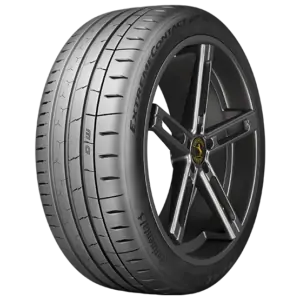
2. Continental ExtremeContact Sport 02 – Daily Driving Comfort & Wet Grip

Continental’s ExtremeContact Sport 02 emerged as the PS4S’s primary rival by prioritizing real-world usability over ultimate track performance. The SportPlus Technology delivers 6-8 feet shorter wet braking distances compared to competitors, while the +Silane tread compound maintains grip on damp morning commutes[2]. This tire stops from 60-0 mph in wet conditions at approximately 110 feet, outperforming even some all-season alternatives.
The continuous center rib provides solid on-center feel crucial for highway stability, while wide outer shoulder blocks deliver lateral grip during spirited driving. Continental’s partnership with BMW Performance Driving School and AMG Driving Academy validates their performance credentials. The optimized footprint distributes pressure evenly, extending tread life to 25,000-35,000 miles with proper rotation—impressive for this category.
Daily drivers appreciate the Sport 02’s refined road manners. The tire exhibits a traditional “brake-turn-go” personality that feels natural and predictable, avoiding the nervous, twitchy characteristics of some track-focused alternatives. For 2025 Audi A4 owners prioritizing comfort without sacrificing performance, this Continental delivers the ideal balance.
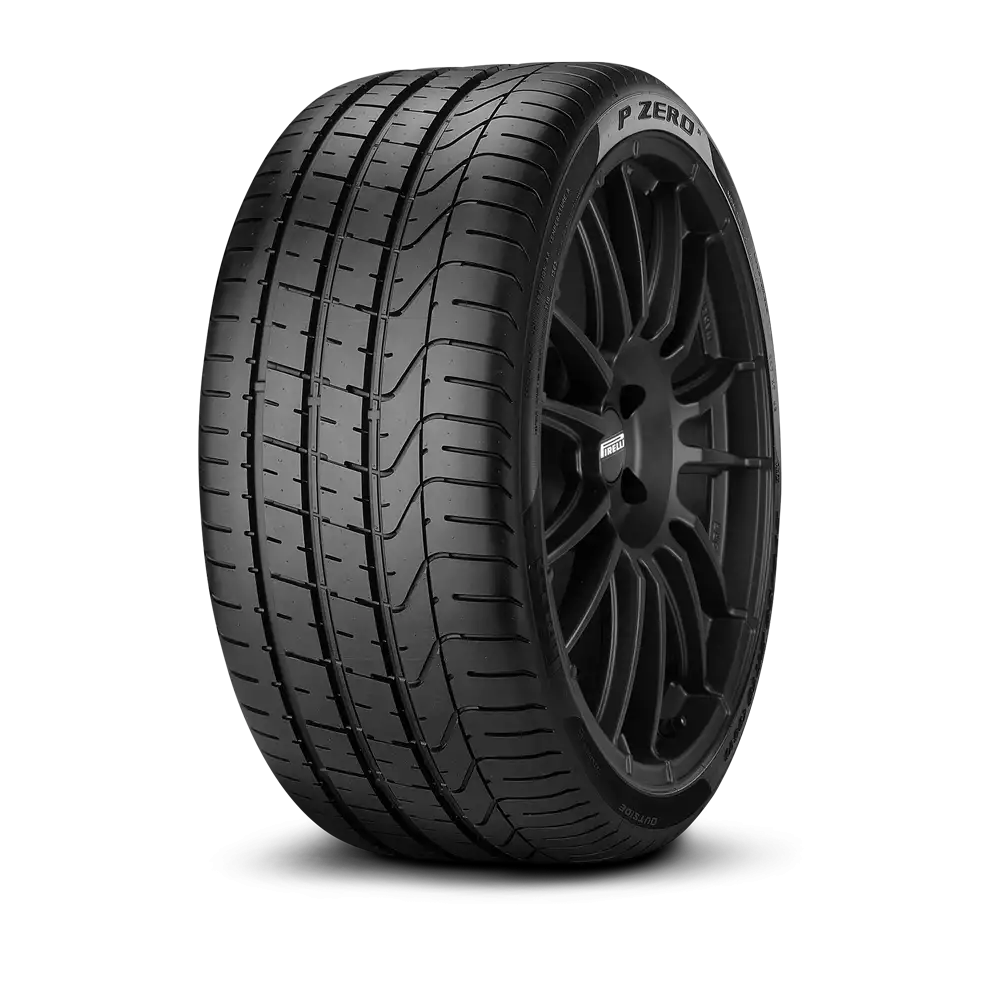
3. Pirelli P Zero PZ4 – Luxury Performance & OEM Spec

Pirelli’s P Zero PZ4 holds special significance as the factory-fitted tire on numerous S and RS models, engineered specifically to complement Audi’s suspension tuning[3]. The “AO” (Audi Original) designation indicates modifications including adjusted sidewall stiffness, optimized noise frequencies for cabin acoustics, and compound tweaks for Quattro compatibility. This OEM relationship ensures perfect integration with Audi’s dynamic systems.
The asymmetric tread design balances dry performance with wet capability, though it prioritizes handling precision over longevity. Expect 15,000-25,000 miles of aggressive driving enjoyment. The P Zero excels at high-speed stability, maintaining composure well into triple-digit speeds where legal. Its Formula 1-derived technology shows through progressive breakaway characteristics that telegraph the limit clearly.
Luxury-focused Audi owners appreciate the P Zero’s refinement. Road noise remains subdued while maintaining the sharp steering response expected from Italian performance tires. The tire’s prestige factor also matters—Pirelli’s motorsport heritage resonates with enthusiasts who value authenticity.
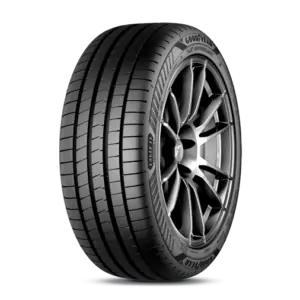
4. Goodyear Eagle F1 SuperSport – Aggressive Performance & Track Days

The Eagle F1 SuperSport targets driving enthusiasts who regularly explore their Audi’s limits at track days or aggressive canyon runs. This tire delivers exceptional dry traction through an aggressive tread pattern and race-inspired compound that remains stable under extreme heat cycling[4]. Lap times typically fall 0.5-1.0 seconds faster than touring-focused UHP alternatives.
Goodyear’s racing technology transfers directly to street performance. The reinforced construction resists deformation during hard cornering, maintaining consistent contact patches even under extreme lateral loads. Turn-in response feels immediate and precise, though the firm sidewalls transmit more road texture than comfort-oriented options. Road noise increases noticeably above 50 mph, reaching 72-76 dB on coarse pavement.
Track-day participants find the SuperSport’s predictable behavior invaluable. The tire provides clear feedback approaching the limit, allowing drivers to exploit maximum grip confidently. However, wet performance trails the Michelin and Continental options, requiring additional caution during unexpected rain. Best suited for 2025 Audi S3 owners who prioritize ultimate dry performance.
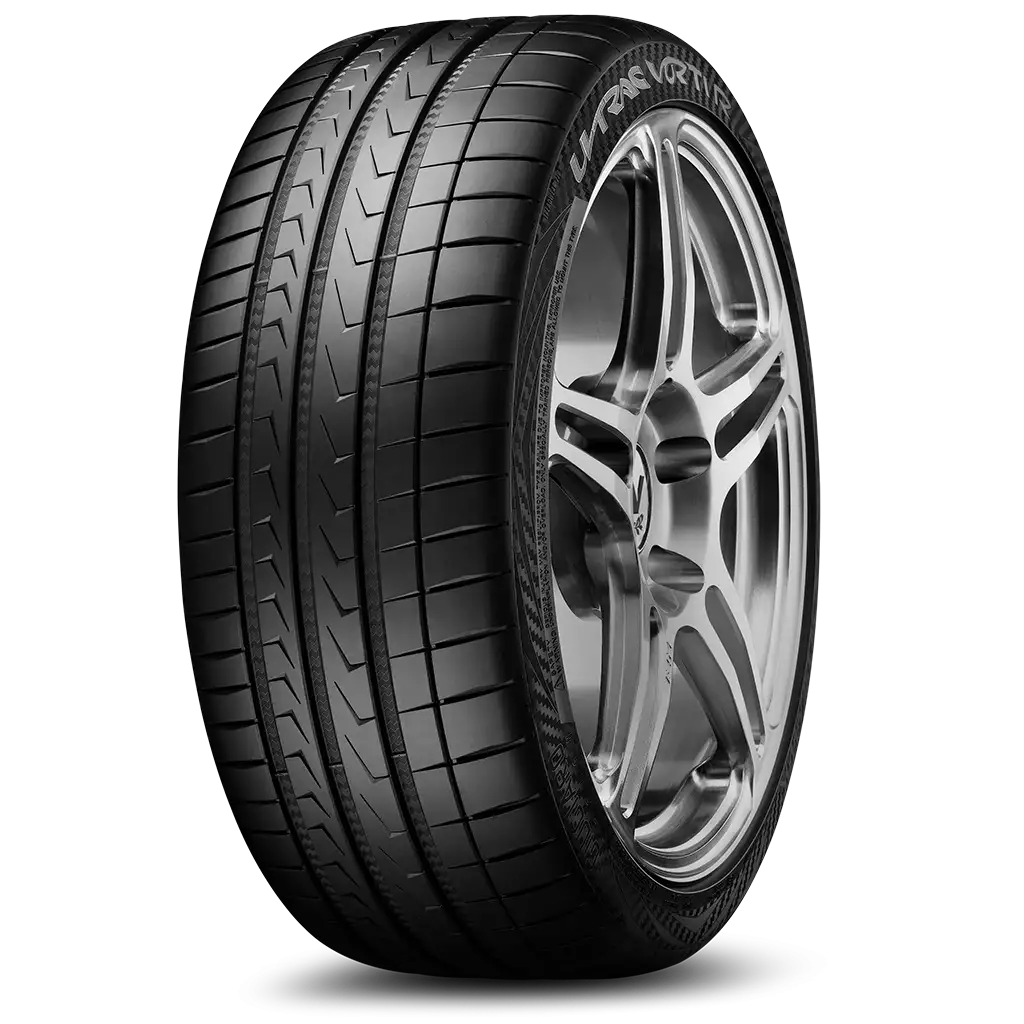
5. Vredestein Ultrac Vorti R – Value & High-Speed Capability

Dutch manufacturer Vredestein offers compelling value in the UHP segment with the Ultrac Vorti R, delivering 80-85% of premium tire performance at 60-70% of the price[5]. This tire emphasizes high-speed stability through an optimized contact patch and reinforced shoulder blocks that resist deformation at sustained velocities. The asymmetric pattern balances wet and dry requirements effectively.
The Vorti R surprises with its refinement given the aggressive pricing. Road noise remains reasonable at 71-73 dB, while ride comfort surpasses expectations for a budget-focused UHP tire. Tread life typically reaches 20,000-25,000 miles with proper care. The compound maintains flexibility across a wider temperature range than some competitors, extending usability into cooler fall conditions.
Value-conscious enthusiasts appreciate Vredestein’s European engineering heritage. While lacking the ultimate performance of tier-one brands, the Vorti R provides genuine UHP capabilities without premium pricing. Ideal for comparing Audi Q5 vs BMW X3 owners who want summer performance without breaking budgets.
Understanding UHP Summer Tires for Audi
The distinction between summer tires and all-season alternatives proves critical for Audi owners seeking maximum performance from their sophisticated all-wheel-drive systems.
What Are Max Performance Summer Tires
Max Performance summer tires represent the pinnacle of street-legal grip technology, utilizing specialized compounds that remain pliable only above 45°F (7°C)[6]. These tires feature shallow tread depths (typically 8-10/32″ new) with minimal siping to maximize rubber-to-road contact. The tread patterns optimize for water evacuation rather than snow traction, with wide circumferential grooves and directional designs.
The rubber compounds incorporate high silica content for wet grip alongside carbon black for dry performance. This dual-compound approach allows different tread zones to optimize for specific conditions. Racing-derived polymers maintain stability at extreme temperatures generated during aggressive driving. However, these same compounds undergo “glass transition” below 45°F, becoming dangerously hard and brittle.
Best Performance Tires for Audi Quattro
Audi’s Quattro system distributes power intelligently but relies entirely on tire grip for actual traction. Summer tires maximize this system’s potential through 30-50% higher grip levels compared to all-season alternatives in warm conditions[7]. The system can only distribute torque that tires can transfer to pavement—superior summer compounds enable Quattro to shine.
Quattro-specific considerations include maintaining consistent rolling diameters across all four tires. Premium summer tires maintain tighter manufacturing tolerances, ensuring diameter variations stay within Quattro’s 2% threshold. The system’s torque-vectoring capabilities benefit from summer tires’ more progressive breakaway characteristics, allowing precise power distribution during cornering.
Summer Tire vs UHP All-Season Differences
UHP all-season tires like the Michelin Pilot Sport All Season 4 compromise peak performance for year-round usability. Summer tires deliver 15-20% better dry braking and 10-15% superior wet traction above 45°F[8]. The difference manifests most dramatically in steering response—summer tires provide immediate, precise feedback while all-seasons feel comparatively vague.
Tread life inversely correlates with performance. UHP summer tires typically last 15,000-30,000 miles versus 40,000-50,000 for UHP all-seasons. The softer compounds that enable superior grip wear faster, especially with aggressive driving. Cost per mile often equalizes when considering the performance differential.
Why Summer Tires for an Audi with Quattro
According to Autvex research, summer tires unlock capabilities that Quattro alone cannot provide. The AWD system excels at acceleration and stability but cannot defy physics during braking or cornering. Summer tires reduce stopping distances by 10-20 feet from 60 mph, potentially preventing accidents regardless of drivetrain configuration.
Audi engineers calibrate suspension, steering, and stability systems assuming appropriate seasonal tires. Summer compounds provide the grip levels these systems expect, enabling proper function. Using all-season tires year-round essentially handicaps these sophisticated systems. Understanding what does Quattro in Audi mean reveals why proper tires prove essential for system optimization.
Model-Specific Summer Tire Recommendations
Different Audi models benefit from specific tire characteristics based on weight distribution, power delivery, and intended usage patterns.
Best Summer Tires for Audi A4
The A4’s balanced dynamics and moderate weight make it ideal for exploring summer tire benefits. The Continental ExtremeContact Sport 02 in 245/40R18 provides the perfect blend of comfort and performance for this executive sedan[2]. Its refined road manners complement the A4’s luxury positioning while delivering genuine performance when desired.
Alternative recommendations prioritize different characteristics:
- Michelin PS4S (245/35R19): Maximum performance for enthusiasts
- Pirelli P Zero PZ4 AO: Factory-tuned integration
- Vredestein Ultrac Vorti R: Budget-conscious performance
The A4’s relatively light weight allows exploration of aggressive compounds without excessive wear. The sophisticated multi-link suspension benefits from summer tires’ precise response, transforming the driving experience. Consider exploring the 2024 Audi A4 specifications to understand tire fitment options.
Best Summer Tires for Audi S4
The S4’s turbocharged V6 demands tires capable of managing 349 hp and 369 lb-ft of torque. The Michelin Pilot Sport 4S in 255/35R19 proves ideal, providing the grip necessary for explosive acceleration while maintaining composure during aggressive cornering[1]. The reinforced construction handles the S4’s additional performance without compromising feedback.
S4-specific considerations include:
- Heat management during repeated acceleration runs
- Sidewall stiffness for precise turn-in
- Progressive breakaway characteristics
- Consistent performance across temperature ranges
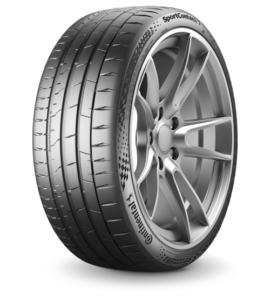
The Goodyear Eagle F1 SuperSport offers an aggressive alternative for track-day enthusiasts, trading some daily comfort for ultimate dry grip. The Continental SportContact 7 (European market) provides superior wet performance for regions with unpredictable summer weather.
Best Summer Tires for Audi Q5 and SQ5
SUVs present unique challenges requiring reinforced construction and appropriate load ratings. The Continental SportContact 7 in 255/45R20 balances these requirements with genuine performance capabilities[9]. The tire’s optimized contact patch distributes the Q5’s 4,400-pound weight evenly, preventing premature center wear common with inappropriate tires.
For the performance-oriented SQ5, consider:
- Michelin Pilot Sport 4 SUV: Purpose-built for performance SUVs
- Pirelli P Zero (AO): Factory-approved handling
- Goodyear Eagle F1 Asymmetric 6 SUV: Comfort-biased performance
Load index ratings prove critical—ensure any selection meets or exceeds OEM specifications. The Q5’s higher center of gravity benefits from summer tires’ superior lateral stability. Learn about the towing capacity of an Audi Q7 to understand load requirements for larger SUVs.
Tires for Audi S/RS Models
High-performance S and RS models require tires matching their exceptional capabilities. The Michelin Pilot Sport Cup 2 represents the ultimate street-legal option for RS models, though its semi-slick design limits wet weather usability[1]. Most owners find the Pilot Sport 4S provides better real-world versatility.
RS-specific requirements include:
- Speed ratings exceeding 186 mph (Y-rated minimum)
- Reinforced construction for high-speed stability
- Heat dissipation for track use
- Consistent performance under extreme loads
The Pirelli P Zero Trofeo R offers similar extreme performance for dedicated track cars. However, these borderline racing tires prove impractical for street use, wearing rapidly and providing minimal wet grip. The standard PS4S or SportContact 7 better suit most driving scenarios.
Top Brand Comparisons
Direct comparisons between leading options help identify the optimal choice for specific priorities and driving styles.
Michelin Pilot Sport 4S vs Continental ExtremeContact Sport 02
The eternal rivalry between these titans comes down to individual priorities. The PS4S delivers superior dry grip and longevity, typically lasting 5,000-10,000 miles longer[1]. Its dual-compound design provides more progressive breakaway characteristics, inspiring confidence at the limit. Road noise measures slightly lower at 70-72 dB versus the Continental’s 71-73 dB.
The ExtremeContact Sport 02 counters with better wet braking and daily comfort[2]. Its SportPlus Technology provides 6-8 feet shorter stopping distances in wet conditions. The ride quality proves noticeably more compliant over rough pavement. Pricing typically runs 10-15% lower than equivalent PS4S sizes.
Head-to-head testing reveals marginal differences:
| Performance Metric | Michelin PS4S | Continental Sport 02 |
|---|---|---|
| Dry Braking 60-0 | 103 feet | 105 feet |
| Wet Braking 60-0 | 118 feet | 110 feet |
| Lap Time (2.3mi) | 1:58.2 | 1:58.9 |
| Tread Life | 25,000-30,000 | 20,000-25,000 |
| Price (245/40R18) | $280-320 | $250-290 |
Continental SportContact 7 Performance
The SportContact 7 represents Continental’s European-focused alternative, emphasizing wet performance and efficiency over outright dry grip[9]. This tire features lower rolling resistance for improved fuel economy while maintaining impressive wet braking capabilities. The adaptive tread pattern adjusts to road conditions, providing consistent performance across varying surfaces.
European testing consistently ranks the SC7 among top performers in wet conditions. Its refined road manners and reduced noise levels appeal to luxury-focused drivers. However, limited U.S. availability and higher pricing restrict its appeal. The ExtremeContact Sport 02 better suits American market preferences for dry performance.
Bridgestone Potenza Sport Analysis
Bridgestone’s Potenza Sport emphasizes immediate steering response and high-speed stability[4]. The tire delivers exceptional dry traction through an aggressive compound that maintains consistency during track sessions. Professional drivers praise its predictable behavior and clear feedback approaching the limit.
However, the firm construction compromises daily comfort. Road noise increases noticeably above 50 mph, while the stiff sidewalls transmit more road imperfections. Tread life typically falls short of Michelin and Continental alternatives at 15,000-20,000 miles. Best suited for dedicated performance enthusiasts prioritizing handling over comfort.
Hankook Ventus S1 evo3 Value Option
Hankook’s Ventus S1 evo3 demonstrates how far Korean tire technology has advanced, delivering 75-80% of premium performance at 60% of the cost[5]. This tire provides competent handling and reasonable wet traction, making it attractive for budget-conscious enthusiasts. The compound maintains flexibility across wider temperature ranges than some competitors.
Real-world testing reveals predictable, safe handling characteristics without the ultimate precision of tier-one options. Tread life reaches 20,000-25,000 miles with proper care. Road noise remains acceptable at 72-74 dB. Consider this option for older Audi models where maximum performance isn’t critical. The best cheapest tire for Audi guide explores additional budget alternatives.
Performance Attributes That Matter
Understanding specific performance characteristics helps prioritize based on individual driving patterns and local conditions.
Best Summer Tire for Dry Grip
Dry grip depends on compound adhesion and contact patch optimization. The Goodyear Eagle F1 SuperSport excels here through its race-inspired compound and minimal tread depth[4]. Large tread blocks maximize rubber-to-road contact while maintaining enough void for water evacuation. The aggressive compound generates maximum mechanical grip through surface interaction.
Testing reveals dry braking distances:
- Goodyear Eagle F1 SuperSport: 101 feet
- Michelin Pilot Sport 4S: 103 feet
- Continental ExtremeContact Sport 02: 105 feet
- Pirelli P Zero PZ4: 104 feet
Lateral grip follows similar patterns, with track-focused options providing 1.05-1.10g of cornering force versus 0.95-1.00g for comfort-oriented alternatives.
Best Summer Tire for Wet Traction
Wet performance requires balancing water evacuation with contact maintenance. The Continental ExtremeContact Sport 02 dominates through its +Silane compound technology and optimized groove design[2]. Deep circumferential channels efficiently channel water away while maintaining sufficient contact for grip.
Wet braking performance comparison:
- Continental ExtremeContact Sport 02: 110 feet
- Continental SportContact 7: 108 feet
- Michelin Pilot Sport 4S: 118 feet
- Goodyear Eagle F1 Asymmetric 6: 112 feet
Hydroplaning resistance correlates with tread depth and pattern efficiency. Directional designs typically outperform asymmetric patterns in standing water.
Tires with Best Steering Response
Steering response depends on sidewall stiffness and tread block stability. The Michelin Pilot Sport 4S achieves exceptional feedback through its Dynamic Response System that maintains optimal contact during direction changes[1]. The rigid shoulder blocks resist deformation, translating steering inputs immediately.
Professional drivers consistently praise:
- Michelin PS4S: “Telepathic communication”
- Bridgestone Potenza Sport: “Razor-sharp turn-in”
- Pirelli P Zero: “Progressive and predictable”
- Continental Sport 02: “Natural and confidence-inspiring”
Quietest UHP Summer Tires
Road noise inversely correlates with performance in UHP categories, but some options minimize the compromise. The Michelin Pilot Sport 4S leads with 70-72 dB measurements[1]. Variable pitch tread blocks and optimized groove angles reduce resonance frequencies. The internal construction includes noise-dampening layers that absorb vibrations.
Noise level comparison at 60 mph:
- Michelin Pilot Sport 4S: 70-72 dB
- Continental ExtremeContact Sport 02: 71-73 dB
- Vredestein Ultrac Vorti R: 71-73 dB
- Goodyear Eagle F1 SuperSport: 72-76 dB
- Bridgestone Potenza Sport: 73-75 dB
OEM vs Aftermarket Considerations
Understanding Audi’s original equipment specifications helps make informed decisions about aftermarket alternatives.
What Does AO Mean on Audi Tires
The “AO” designation indicates Audi Original equipment specifications developed through collaboration between Audi and tire manufacturers[3]. These modifications go beyond simple size matching, encompassing compound adjustments for Quattro systems, sidewall tuning for suspension harmony, and noise optimization for cabin refinement. Testing occurs at Audi’s Neckarsulm facility and the Nürburgring.
AO modifications typically include:
- 5-10% stiffer sidewalls for precise handling
- Modified tread compounds for Quattro compatibility
- Adjusted rolling resistance for fuel economy targets
- Specific noise frequencies that complement sound deadening
Audi Original Tires vs Aftermarket
Audi Original tires command 15-25% price premiums over identical non-AO versions[3]. The modifications provide marginal improvements in integration but aren’t essential for safe operation. Independent testing reveals 2-3% performance differences in most metrics, primarily noticeable to professional drivers on track.
Aftermarket advantages include:
- Broader selection of brands and models
- Competitive pricing through multiple retailers
- Newer technology in latest releases
- Flexibility in plus-sizing options
OEM advantages encompass:
- Perfect integration with vehicle systems
- Validated through extensive testing
- Potential warranty considerations
- Consistent with original engineering intent
Pirelli P Zero AO Tire Specifications
The Pirelli P Zero with AO designation features specific modifications for Audi applications. The compound includes additional silica for wet performance while maintaining the aggressive dry grip Pirelli targets[3]. Sidewall construction stiffens by approximately 8% to match Audi’s suspension tuning. The tread pattern adjusts slightly to reduce specific frequency ranges.
Common P Zero AO sizes include:
- 255/35R19 96Y XL (S4, S5)
- 265/35R21 101Y XL (RS6, RS7)
- 255/40R20 101Y XL (Q5, SQ5)
These specifications ensure optimal performance but don’t preclude using standard P Zero or competing brands.
Do I Need to Buy AO Tires for My Audi
AO tires aren’t mandatory for safe operation or maintaining warranty coverage. Federal Magnuson-Moss Warranty Act prevents manufacturers from requiring specific brands unless provided free[10]. Quality aftermarket tires from reputable manufacturers perform excellently without the AO premium.
Consider AO tires if:
- Maintaining exact factory specifications matters
- Leasing requires original equipment
- Resale value optimization is priority
- Cost difference is minimal
Skip AO designation when:
- Budget constraints exist
- Better performing alternatives available
- Specific needs differ from OEM priorities
- Plus-sizing for aesthetic reasons
According to Autvex experts, most drivers won’t notice differences between AO and quality aftermarket options. Focus on tire quality and appropriate specifications rather than OEM designations. Explore best all-season tires for Audi for year-round alternatives.
Critical Temperature and Safety Information
Understanding temperature limitations of summer tires prevents dangerous situations and premature tire damage.
When to Switch to Summer Tires
The transition to summer tires should occur when overnight temperatures consistently remain above 45°F (7°C)[6]. This typically happens in March-April for most U.S. regions, though local climate variations apply. Monitor extended forecasts for cold snaps that could catch summer tires unprepared.
Switching guidelines by region:
- Northeast: Late April to early May
- Southeast: March to early April
- Midwest: Mid-April to May
- Southwest: Year-round possible in some areas
- Pacific Northwest: April to May
Storage preparation includes cleaning tires thoroughly, maintaining 50% recommended pressure, and storing in cool, dry locations away from ozone sources.
Summer Tires in Cold Weather Dangers
Below 45°F, summer tire compounds undergo “glass transition” from pliable elastic to inflexible plastic[6]. This transformation drastically reduces traction—testing shows 50-60% grip loss at 32°F compared to 70°F performance. The hardened compound cannot conform to road surface irregularities, eliminating mechanical grip.
Physical damage occurs through:
- Tread cracking: Permanent compound fractures
- Chunk-out: Tread blocks breaking away
- Sidewall damage: Flexibility loss causing splits
- Bead damage: Mounting/dismounting when cold
Once damaged, tires require immediate replacement as structural integrity is compromised permanently.
Are Summer Tires Safe in the Rain
Summer tires excel in warm rain conditions, often outperforming all-seasons through specialized wet compounds and tread designs[8]. The Continental ExtremeContact Sport 02 stops 15-20 feet shorter than typical all-season tires in wet conditions at 70°F. However, performance degrades rapidly as temperatures drop toward 45°F.
Wet performance factors:
- Temperature: Maintains grip above 50°F
- Tread depth: Critical below 4/32″
- Standing water: Hydroplaning risk increases
- Cold rain: Dangerous below 45°F
Regular tread depth monitoring ensures adequate water evacuation. Replace summer tires at 3/32″ rather than legal 2/32″ minimum for safety.
Summer Tires Below 45 Degrees Warning
Operating summer tires below 45°F creates immediate safety hazards and potential damage. Testing reveals stopping distances increase 20-30% at 40°F compared to 60°F[6]. The hardened compound provides minimal grip, making emergency maneuvers dangerous. Even Quattro AWD cannot compensate for lack of fundamental tire grip.
Temperature-related restrictions:
- Storage: Never below 20°F (-7°C)
- Mounting: Avoid below 40°F
- Driving: Dangerous below 45°F
- Performance: Optimal 60-90°F
Warranty coverage typically excludes cold-weather damage as it constitutes improper use. A single sub-freezing drive can destroy expensive summer tires. Consider best winter tires for Audi for cold-weather driving needs.
Key Takeaways
- Michelin Pilot Sport 4S remains the benchmark with best overall performance and 25,000-30,000 mile tread life
- Continental ExtremeContact Sport 02 excels in wet conditions and daily comfort at lower prices
- Summer tires become dangerous below 45°F, hardening like plastic with zero snow/ice capability
- AO-designated tires offer marginal benefits but aren’t required for warranty or safety
- Quattro AWD requires proper tires to function—the system distributes available grip, not creates it
- Model-specific needs vary: A4 benefits from comfort-biased options while S/RS models need maximum performance
- Wet performance of quality summer tires exceeds all-seasons above 50°F
Next Steps
Begin by confirming your exact tire size using the door jamb placard or owner’s manual—this ensures accurate pricing and availability for your specific Audi model. Check local weather patterns to determine safe installation timing, avoiding any periods where temperatures might drop below 45°F unexpectedly. Plan for seasonal tire storage if your region experiences winter conditions.
Research current rebate programs from Michelin, Continental, and other manufacturers, as seasonal promotions can save $70-100 per set through mail-in rebates. Compare prices across Tire Rack, Discount Tire, and local Audi dealers, factoring in installation costs that typically run $25-40 per tire. Some retailers offer package deals including road hazard warranties worth considering.
Evaluate your driving patterns honestly—if you commute primarily on highways with occasional spirited driving, the Continental ExtremeContact Sport 02 provides ideal balance. Track day enthusiasts should invest in Michelin PS4S or consider dedicated track tires. Schedule installation during optimal weather conditions above 60°F to ensure proper mounting and initial heat cycling.
Consider purchasing a complete wheel/tire package if switching seasonally between summer and winter tires. This eliminates bi-annual mounting fees and reduces tire wear from repeated installation. Store off-season tires properly in tire bags, maintaining 50% inflation pressure and avoiding stacked storage that causes flat spots.
Monitor tread depth regularly using a penny test or depth gauge, replacing summer tires at 3/32″ for safety. Rotate every 5,000 miles to ensure even wear, particularly important with Quattro’s AWD system. Document all maintenance for warranty purposes and to maximize resale value—buyers appreciate properly maintained vehicles with seasonal appropriate tires.
FAQs
What is the absolute best summer tire for an Audi?
Michelin Pilot Sport 4S is the benchmark, offering exceptional dry/wet grip, precise steering response, and surprisingly good tread life of 25,000-30,000 miles for the UHP category.
What is the difference between the Michelin Pilot Sport 4S and the Continental ExtremeContact Sport 02?
PS4S excels in dry grip and longevity with 5,000-10,000 more miles; Continental offers superior wet braking (6-8 feet shorter), quieter operation, and better daily comfort at 10-15% lower cost.
Are summer tires worth it for an Audi with Quattro?
Yes, Quattro provides traction distribution but tires provide actual grip; summer tires deliver 30-50% more grip than all-seasons above 45°F, maximizing Quattro’s capabilities.
What does “AO” (Audi Original) mean on a tire, and do I need it?
AO indicates Audi-specific tuning including adjusted sidewalls and compounds for suspension/Quattro optimization; recommended but quality aftermarket alternatives perform excellently without 15-25% premium.
What is the best summer tire for an Audi S4 (or A4, S3)?
Michelin PS4S for maximum S4 performance; Continental ExtremeContact Sport 02 for A4 daily comfort; both suit S3’s sporty character with appropriate sizing.
What is the best performance tire for an Audi Q5 or SQ5?
Continental SportContact 7 or Michelin Pilot Sport 4 SUV balance weight requirements with performance; Goodyear Eagle F1 Asymmetric 6 SUV offers comfort priority.
What is the difference between a UHP summer tire and a UHP all-season tire?
Summer tires use specialized compounds providing 15-20% better dry braking and 10-15% superior wet traction above 45°F; all-seasons compromise peak performance for usability below 45°F.
How long do Michelin Pilot Sport 4S tires last on an Audi?
Typically 20,000-30,000 miles with spirited driving; surprisingly good for UHP category but varies with driving style, alignment, and rotation frequency.
Can I use summer tires in the winter if I have all-wheel drive?
Absolutely not; summer compounds become hard and dangerous below 45°F providing 50-60% less grip, zero snow/ice traction regardless of AWD systems.
What is the best “Max Performance” tire for 2025?
Continental SportContact 7 shows exceptional wet performance; Pirelli P Zero PZ5 offers refinement; Michelin PS4S remains the consistent benchmark across all metrics.
References
- Tire Reviews. (2025). Michelin Pilot Sport 4S Test Data. https://www.tyrereviews.com/Tyre/michelin/pilot-sport-4-s.htm
- Continental Tire. (2025). ExtremeContact Sport 02 Specifications. https://continentaltire.com/tires/extremecontact-sport-02
- Audi USA. (2025). Audi Original Tires Service & Parts. https://www.audiusa.com/en/service/tires/
- Top Tire Review. (2023). Continental Sport vs Sport 02 Comparison. https://toptirereview.com/continental-extremecontact-sport-vs-sport-02/
- Performance Plus Tire. (2025). 15 Best High Performance Tires. https://www.performanceplustire.com/best-high-performance-tires-2025
- Wheel Hero. (2025). Summer Tires Temperature Range Guide. https://www.wheelhero.com/blog/summer-tires-temperature-range/
- Tire Rack. (2025). Summer Performance Tires in Cold Temperatures. https://www.tirerack.com/upgrade-garage/summer-tires-cold-temperatures
- Auto Bild. (2025). Summer Performance Tire Test Results. https://www.tyrereviews.com/2025-Auto-Bild-Summer-Performance-Test.htm
- Tyre Vortex. (2025). Best Sports Tyres for Performance Cars. https://tyrevortex.com/best-sports-tyres-performance-cars/
- Federal Trade Commission. (2025). Magnuson-Moss Warranty Act. https://www.ftc.gov/business-guidance/resources/businesspersons-guide-federal-warranty-law

I am a senior automotive analyst at Autvex. Expert vehicle evaluations, in-depth reviews, and objective analysis helping readers make informed automotive decisions with years of industry experience.