You may also like:
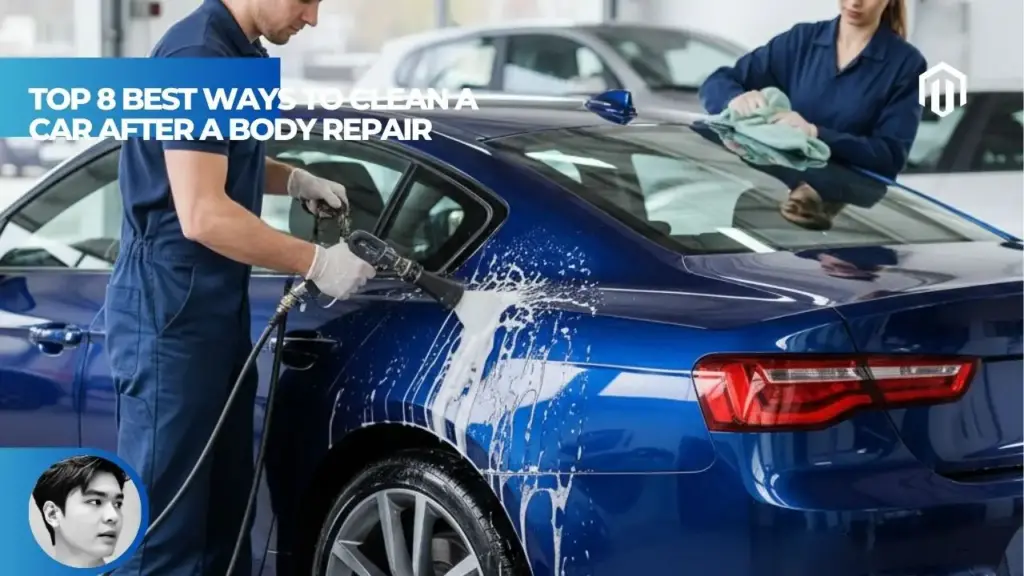
Wait at least two weeks before hand washing your car after body repair, and avoid automatic car washes for 30-90 days to protect fresh paint[1]. When washing, use cool water, pH-balanced automotive soap, and microfiber towels exclusively—never dish soap or abrasive brushes[2]. The paint curing process takes approximately 30-90 days, during which aggressive washing or waxing can permanently damage the finish[3].
Why Post-Body Repair Cleaning Requires Special Care
Fresh automotive paint undergoes a curing process that continues long after the vehicle leaves the body shop. While the paint may feel dry within 24 hours, the chemical bonds that create durability and shine require weeks to fully develop[4]. During this period, the paint remains vulnerable to:
- Chemical damage from harsh cleaners
- Physical damage from brushes and abrasive materials
- Heat damage from hot water or direct sunlight
- Water spotting from mineral deposits
Understanding this curing timeline protects your investment and ensures the repaired areas maintain their factory-matching appearance for years. Body shop work typically costs $500-$3,000 or more, making proper aftercare essential for preserving value.
1. Wait the Recommended Time Before Washing
The most critical step in cleaning a car after body repair is patience[1]. Different repair types require different waiting periods:
| Repair Type | Hand Wash Wait | Automatic Car Wash Wait | Wax/Polish Wait |
|---|---|---|---|
| Small touch-ups | 1 week[1] | 2 weeks | 30 days |
| Panel repairs | 2 weeks[1] | 60-90 days | 30-90 days[3] |
| Full paint job | 2+ weeks[4] | 90 days | 90 days |
Always confirm specific waiting times with your body shop, as different paint systems and environmental conditions affect curing speed[2]. Most professional shops provide written aftercare instructions—follow them precisely.
2. Use Cool Water and Low Pressure
When the waiting period ends, the initial rinse sets the foundation for safe cleaning[3]. Hot or warm water softens fresh paint, making repaired areas more vulnerable to damage. Cool water protects the finish while effectively removing loose contaminants.
Best practices for initial rinse:
- Use a standard garden hose, not a pressure washer
- Keep water pressure moderate—high pressure can lift paint edges
- Work from top to bottom to prevent dirty water runoff on clean areas
- Focus on wheel wells and trim lines where grime accumulates[3]
Avoid direct high-pressure streams on repaired panels for at least the first month. The edges where new paint meets existing paint remain particularly vulnerable.
3. Remove Loose Debris Before Contact Washing
Loose dirt and debris act like sandpaper when rubbed against fresh paint[3]. Before any wash mitt touches the surface, thoroughly rinse the vehicle to float away particles that could cause scratches.
Pay special attention to:
- Roof areas where pollen and dust settle
- Hood and trunk lid surfaces
- Door handles and mirrors
- Areas around badges and emblems
Skipping this pre-rinse step can result in fine scratches that are difficult to remove and may require professional correction, adding unnecessary expense to already completed repair work[3].
4. Use pH-Balanced Automotive Soap Only
Choosing the correct soap is crucial when cleaning after body repair[2]. pH-balanced automotive soap removes dirt effectively without stripping protective coatings or attacking fresh paint.
Products to use:
- Dedicated car wash shampoo (pH-neutral formula)
- Foam or wax-based car wash products[3]
- Products labeled safe for clear coats
Products to avoid:
- Dish soap (strips wax and attacks clear coat)[2]
- Household cleaners (too harsh for automotive finishes)
- All-purpose degreasers (can dull fresh paint)
- Any product containing ammonia or bleach
Dish soap in particular seems harmless but can strip protective coatings and dull the finish on newly painted panels[2]. The money saved using household cleaners is not worth the potential damage to expensive body work.
5. Apply the Two-Bucket Wash Method
Professional detailers rely on the two-bucket method as a staple technique for preventing wash-induced scratches[5]. This approach keeps dirty water separate from clean soap solution.
How to execute the two-bucket method:
- Fill one bucket with soapy water (car wash shampoo mixed properly)
- Fill second bucket with plain rinse water
- Dip wash mitt in soapy water, wash one section of car
- Rinse mitt thoroughly in plain water bucket before re-soaping
- Repeat for each section of the vehicle
This prevents grit and contaminants picked up during washing from being reapplied to the paint surface. On freshly repaired panels, even microscopic particles can cause visible damage that compromises the body shop’s work.
6. Use Microfiber Towels and Mitts Exclusively
The tools touching your paint matter as much as the products[2]. Microfiber materials are specifically designed for automotive surfaces and provide the gentlest cleaning action.
Recommended materials:
- Microfiber wash mitt (preferred over sponges)[6]
- Clean microfiber drying towels
- Separate towels for different areas (wheels, body, glass)
Materials to avoid:
- Terry cloth towels (cause micro-scratches)[7]
- Old t-shirts or rags (uneven texture damages paint)
- Chamois (can drag particles across surface)
- Stiff brushes of any kind
Nine out of ten car detailing experts recommend microfiber wash mitts for gentle cleaning[6]. Inspect towels before each use—even slightly dirty or rough towels can scratch paint and ruin careful cleaning efforts[3].
7. Dry Immediately and Thoroughly
Water spots form when mineral-laden water evaporates on the paint surface, leaving deposits that can etch into fresh clear coat[3]. Immediate drying prevents this damage.
Proper drying technique:
- Use clean microfiber towels that absorb water quickly
- Dry immediately after rinsing—don’t let water sit
- Blot rather than drag to minimize friction
- Check water-trapping areas including:
- Door handles
- Side mirrors
- Window seals
- Badges and emblems[3]
Water trapped in crevices can seep out later and cause spotting or even lift fresh paint edges. A dedicated drying towel—never the same one used for washing—ensures no contaminants transfer during the final step.
8. Clean the Interior and Remove Repair Dust
Body repair often generates dust and debris that settles throughout the vehicle interior during the work process[3]. Sanding dust, in particular, can infiltrate through seals and vents.
Interior cleaning checklist:
- Vacuum all carpet, seats, and floor mats thoroughly
- Use attachments to reach narrow spaces and crevices
- Wipe dashboard, console, and door panels with interior-safe cleaner
- Clean HVAC vents where sanding dust accumulates
- Inspect trunk or cargo area for overspray or dust
A portable vacuum with various attachments proves especially useful for reaching areas where repair dust settles[3]. Professional detailing after major collision repair can address contamination throughout the vehicle interior that DIY cleaning might miss.
9. Wait 30-90 Days Before Waxing
While washing becomes safe after two weeks, waxing and polishing require much longer waiting periods[3]. Applying wax to uncured paint traps solvents beneath the protective layer, preventing proper curing and potentially causing long-term damage.
Waxing timeline after body repair:
- 30 days minimum: Small touch-ups and minor repairs
- 60 days recommended: Panel repairs and blends
- 90 days safest: Full paint jobs or multiple panels[1]
When the waiting period ends, follow these waxing guidelines[6]:
- Use circular motions with a clean microfiber cloth for application
- Allow wax to dry for 5-10 minutes before buffing
- Buff with a clean, dry microfiber cloth using straight-line motions
- Start with a spray wax before graduating to paste wax
10. Avoid Automatic Car Washes for 90 Days
Automatic car washes pose significant risks to fresh body work[2]. The stiff brushes and high-pressure water jets can damage uncured paint or loosen delicate trim pieces that were adjusted during repairs.
Why automatic washes are risky:
- Brushes cause micro-abrasions that dull paint over time[1]
- High-pressure water can lift paint edges on blended areas
- Recycled water may contain contaminants that scratch fresh surfaces
- Harsh detergents strip protective coatings applied by the body shop
Even touchless automatic washes use chemical concentrations and pressure levels too aggressive for recently repaired vehicles. Hand washing remains the safest method for at least 90 days after significant body work[1].
Signs Your Car Is Ready for Normal Washing
Your vehicle is ready for regular washing once the paint has properly cured. Indicators of fully cured paint include[7]:
- Smooth feel to the touch across all repaired surfaces
- Consistent sheen matching adjacent panels
- No soft spots when pressing gently
- No sticky areas on repaired panels
- Uniform color without fading or hazing
If you notice irregularities such as soft spots, sticky areas, or color differences after the expected curing period, contact the body shop before washing[7]. These symptoms indicate the paint may not have cured properly and requires professional attention.
Professional Detailing After Major Repairs
For significant collision repairs, professional detailing offers advantages beyond DIY cleaning[5]. Detailing shops provide:
- Clay bar treatment to remove tar, tree sap, and embedded contaminants
- Dual-action polishing to remove swirl marks and minor imperfections
- Ceramic coating application for long-lasting protection
- Wheel and undercarriage cleaning using specialized products
Professional detailers understand the specific needs of freshly repaired vehicles and can identify issues that may not be apparent to vehicle owners[5].
Key Takeaways
- Wait at least two weeks before hand washing and 60-90 days before automatic car washes or waxing[1]
- Use only cool water, pH-balanced automotive soap, and microfiber materials[2][3]
- Apply the two-bucket wash method to prevent scratches from contaminated wash water[5]
- Dry immediately after washing to prevent water spots on fresh paint[3]
- Contact your body shop if you notice soft spots, sticky areas, or color inconsistencies before washing[7]
Frequently Asked Questions
How long should I wait to wash my car after body repair?
Wait at least two weeks before hand washing and 60-90 days before using automatic car washes[1]. Small touch-ups may be safe to wash after one week. Always confirm specific timing with your body shop, as different paint systems require different curing periods. Washing too soon can damage uncured paint permanently.
Can I use dish soap to wash my car after body work?
No, dish soap should never be used on recently repaired vehicles[2]. While it removes dirt effectively, dish soap strips protective coatings and can damage fresh clear coat. Always use pH-balanced automotive soap specifically designed for car finishes to protect your body shop investment.
When can I wax my car after a paint job?
Wait 30-90 days before applying wax to newly painted surfaces[3]. The paint needs time to fully cure and release solvents. Waxing too early traps these solvents beneath the protective layer, preventing proper curing and potentially causing discoloration or soft spots in the finish.
What products should I avoid after body repair?
References
- JTAPE. (2025). Washing a Car After a Paint Job: Advice for Your Customers.
Washing a Car After a Paint Job: Advice for Your Customers
- B & K Collision. (2025). How to Wash Your Car After a Repair Without Damaging the Paint. https://www.bkrepair.com/blog/how-to-wash-your-car-after-a-repair-without-damaging-the-paint
- VEVOR. (2025). How to Clean a Car After Body Repair. https://www.vevor.com/diy-ideas/how-to-clean-a-car-after-body-repair/
- Dallas Auto Paint. (2024). How Soon Can You Wash Your Car After a New Paint Job?
How soon can you wash your car after a new paint job?
- Sun Collision. (2025). The Finishing Touch: Detailing Tips for Your Collision Repair Shop. https://suncollision.com/finishing-touches-that-impress-tips-for-professional-detailing-after-repairs/
- Ken Rocha Collision. (2024). Post-Collision Repair: Tips to Maintain Your Car’s Appearance and Shine. https://www.kenrochacollision.com/blog/collision-repair/post-collision-repair-tips-to-maintain-your-cars-appearance-and-shine
- River North Collision Repair. (2025). Quick Guide to Safely Cleaning a Car After Body Repair Work. https://www.rivernorthcollisionrepair.com/quick-guide-to-safely-cleaning-a-car-after-body-repair-work

I am a senior automotive analyst at Autvex. Expert vehicle evaluations, in-depth reviews, and objective analysis helping readers make informed automotive decisions with years of industry experience.