You may also like:
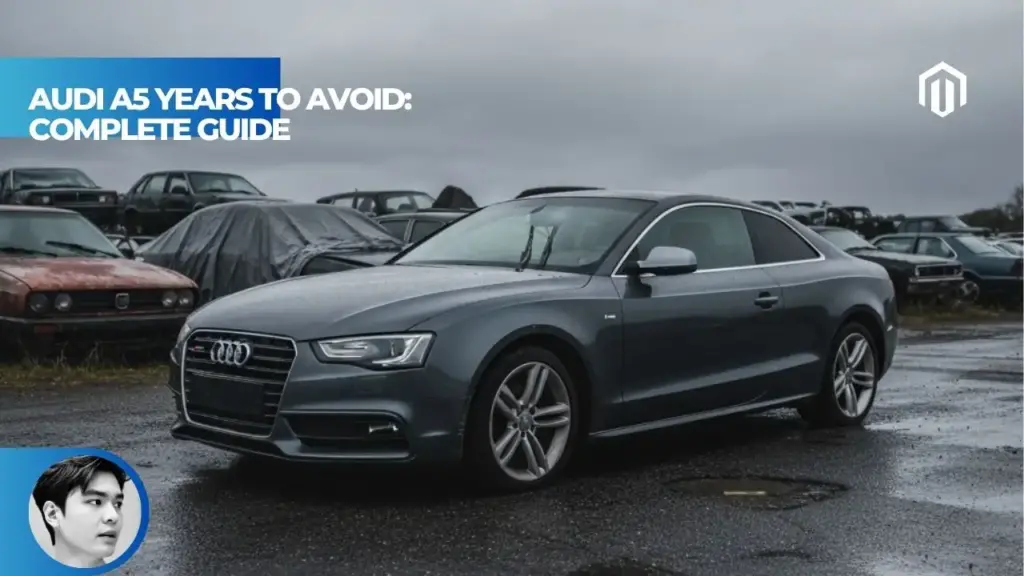
Avoid the 2010-2014 and 2018-2019 Audi A5 model years due to documented reliability issues including excessive oil consumption, timing chain failures, and airbag recalls[1]. The 2011 A5 is the most problematic year, with engines consuming up to one quart of oil every 1,000 miles and experiencing premature timing chain wear that can cause catastrophic engine damage[2]. For a reliable used A5, target the 2015-2016 models (first generation) or 2020 and newer (second generation)[1].
Audi A5 Generations Overview
The Audi A5 has been produced in two generations since its 2008 US debut. Understanding each generation helps identify which years experienced the most significant problems.
First Generation (B8/B8.5): 2008-2017
The original A5 established the nameplate with its elegant coupe styling and quattro all-wheel drive. The platform received a facelift (B8.5) in 2012 with revised styling and updated engines[3]. However, early models suffered from widespread engine problems, particularly with the 2.0T four-cylinder, which experienced excessive oil consumption and timing chain issues[2].
Second Generation (B9): 2018-Present
The complete redesign introduced a lighter platform, new infotainment system, and revised powertrains. While generally more reliable, early 2018-2019 models experienced electrical issues and build quality concerns typical of first-year production[4].
Audi A5 Years to Avoid
2010-2012: The Most Problematic Years
The 2010-2012 A5 models represent the highest-risk purchases due to multiple serious issues:
| Problem | Impact | Repair Cost |
|---|---|---|
| Excessive oil consumption | Engine damage, oil starvation | $5,000-$10,000+[1] |
| Timing chain tensioner failure | Catastrophic engine damage | $3,000-$7,000[2] |
| Takata airbag recall | Safety hazard | Covered by recall[5] |
| Piston ring defects | Complete engine replacement | $10,000-$15,000[1] |
Oil Consumption Issues: The 2.0T engines in these years burned oil at alarming rates—up to one quart every 600-1,000 miles[2]. This excessive consumption resulted from defective piston rings that failed to properly seal the combustion chamber. When oil levels drop too low, engine internals suffer damage from inadequate lubrication, leading to premature wear and eventual failure.
During a pre-purchase inspection of a 2011 A5 for a client, the compression test revealed significant issues in two cylinders—the direct result of years of oil consumption damage. The repair estimate exceeded $12,000.
Timing Chain Problems: The EA888 engine’s timing chain tensioner was prone to premature failure[2]. When the tensioner fails, the timing chain can skip or break, causing pistons to contact valves and resulting in catastrophic engine damage. This issue triggered class-action lawsuits and settlements against Audi[5].
Takata Airbag Recall: The 2010-2012 models were affected by the widespread Takata airbag recall, where defective inflators could rupture during deployment and send metal fragments into the cabin[5]. NHTSA records show 50 complaints for the 2010 A5 alone, with 29 specifically related to airbag issues[2].
2011: The Worst A5 Year
The 2011 A5 earned distinction as the single worst model year with the highest complaint volume and most severe issues[1]:
- Oil consumption rates: 1.08 quarts per 1,000 miles average[1]
- Drivetrain issues: Unsettling wheel rubbing during morning starts, suggesting bearing or transmission problems[2]
- Airbag malfunctions: Deployment failures in crash situations[2]
The combination of these issues makes the 2011 A5 a vehicle to strictly avoid regardless of price or condition.
2013-2014: Post-Facelift Problems
While the B8.5 facelift addressed some issues, the 2013-2014 models still experienced problems[5]:
- Turbocharger issues: Shaft play and oil leakage requiring replacement[5]
- Continued timing chain concerns: Though improved, not fully resolved[6]
- Settlement-related repairs: Many vehicles required warranty work under the Rieger oil consumption settlement[5]
These years are less problematic than 2010-2012 but still present elevated risk compared to later models.
2018-2019: Early Second Generation Issues
The redesigned 2018 A5 introduced new problems typical of first-year production[4]:
| Issue | Description |
|---|---|
| Electronic trunk malfunctions | Trunk failing to stop when encountering resistance, causing injuries[3] |
| Rapid tire wear | Tires becoming unsafe at 13,000 miles[3] |
| Infotainment glitches | MMI screen freezing, phone connectivity issues[7] |
| Electrical system failures | Module failures causing SOS alarms while driving[4] |
Sun visor breakage was reported while driving, creating safety hazards[3]. Additionally, some owners experienced backup camera malfunctions where cameras randomly switched to graphic mode[4].
Despite Audi issuing Technical Service Bulletins for some issues, warranty extensions or recalls were not offered for many problems[3].
Common Problems Across All A5 Years
Certain issues affect multiple A5 generations, regardless of model year[8]:
Transmission Issues
The Multitronic CVT gearbox (2007-2016) has earned a reputation for problems including[8]:
- Transmission failure
- Shuddering and jerking during acceleration
- Overheating during demanding driving or towing
- Complete loss of power or mobility
The S-Tronic dual-clutch transmission in later models performs poorly at low speeds, causing hesitation and rough shifts in city driving[8].
Infotainment System Problems
The MMI system has been problematic across generations[7]:
- Screen going blank or freezing
- System failing to power on or off
- CD/DVD recognition failures
- Phone Bluetooth connectivity issues
Audi software updates can resolve some infotainment issues, so verifying that service records show the latest updates is important when purchasing.
Coolant Pump Failures
Premature coolant pump failure has been reported across multiple model years, leading to engine overheating if not addressed promptly[7]. This isn’t confined to specific years but warrants inspection during pre-purchase evaluation.
For more information on engine temperature-related concerns, see our guide on how to tell if your car is overheating.
Best Audi A5 Years to Buy
Based on reliability data and owner feedback, these model years offer the best balance of value and dependability[1][5]:
| Year Range | Generation | Why Recommended |
|---|---|---|
| 2015-2016 | First (B8.5) | Most issues resolved, proven reliability[5] |
| 2020-2024 | Second (B9) | Mature platform, latest tech, safest choice[1] |
- 2015 A5: This year achieved 84% 5-star ratings from owners, representing the most refined version of the first generation[1]. By this point, Audi had addressed the major oil consumption and timing chain issues through revised components.
- 2020+ A5: The second-generation platform matured by 2020, with most electrical bugs resolved and build quality improved[1]. These years benefit from the latest safety features and infotainment technology.
- Owner insight: Forum members consistently report that post-2014 models—particularly with the 4-cylinder engine—have shown dramatically improved reliability[5]. Many recommend the S5 with its more robust V6 for buyers who can afford the higher purchase and maintenance costs.
What to Inspect Before Buying
When shopping for a used A5, these checks help identify potential problems[5]:
- Oil Consumption Test: If possible, check the oil level before and after a test drive. Any significant drop indicates consumption issues.
- Timing Chain Inspection: Listen for rattling during cold starts, which may indicate tensioner wear. Have a mechanic perform a visual inspection if the vehicle has over 60,000 miles.
- Wheel Bearing Test: On 2011+ models, test for rumble or grinding sounds that indicate bearing wear[5].
- Turbo Check: For 2012+ models, check for shaft play and oil leakage around the turbocharger[5].
- Recall Verification: Use the VIN to verify all recalls have been completed, particularly Takata airbag recalls and oil consumption settlements[5].
- Service Records: Request complete service history showing regular oil changes and any warranty work performed.
For other maintenance considerations, our guide on how many quarts of oil a car takes provides useful context for A5 owners.
Key Takeaways
- Avoid the 2010-2014 and 2018-2019 Audi A5 model years due to documented engine, electrical, and safety issues[1]
- The 2011 A5 is the most problematic year with excessive oil consumption (1+ quart per 1,000 miles) and timing chain failures[2]
- Target the 2015-2016 or 2020+ model years for the best reliability[1][5]
- Always verify Takata airbag recall completion and oil consumption settlement coverage via VIN before purchasing[5]
- Have an independent Audi specialist inspect any used A5 before purchase, focusing on oil consumption, timing chain condition, and transmission operation
Frequently Asked Questions
Is the Audi A5 a reliable car?
The A5’s reliability depends heavily on the model year[1]. Early years (2010-2014) and initial second-generation models (2018-2019) have documented problems. However, the 2015-2016 and 2020+ model years demonstrate good reliability when properly maintained. Overall, the A5 is average for the luxury segment—not as dependable as Lexus equivalents but comparable to BMW and Mercedes competitors.
What is the most common Audi A5 problem?
Excessive oil consumption is the most widespread issue, particularly in 2010-2014 models with the 2.0T engine[1]. These engines can consume up to one quart per 1,000 miles due to defective piston rings. Transmission problems—especially with the Multitronic CVT—are the second most common complaint[8].
Are Audi A5s expensive to maintain?
Yes, the A5 carries higher maintenance costs than non-luxury vehicles. Annual maintenance averages $739-$1,200 depending on age and mileage[3]. Major repairs—timing chain replacement ($3,000-$7,000), transmission work ($4,000-$8,000), or engine replacement ($10,000-$15,000)—can significantly increase ownership costs on problematic years[1].
Should I buy an Audi A5 with over 100,000 miles?
High-mileage A5 purchases carry significant risk, especially for 2010-2014 models[1]. If considering a high-mileage A5, choose a 2015+ model year, verify complete service records, and have a pre-purchase inspection performed by an Audi specialist. Budget for potential timing chain, water pump, and other maintenance items that commonly need attention around this mileage.
Is the S5 more reliable than the A5?
The S5 with its V6 engine (3.0T) is generally considered more reliable than the 4-cylinder A5 from the same period[5]. The V6 doesn’t suffer from the same oil consumption issues that plague the 2.0T. However, the S5 has higher purchase prices, fuel costs, and maintenance expenses.
References
-
Autvex. (2025). Audi A5 Years to Avoid: Complete 2025 Guide.
Audi A5 Years to Avoid: Complete Buyer’s Guide (2025)
- Simple Mechanic Advice. (2025). Audi A5 Years To Avoid: Which Model Years Are Least Reliable [Video]. YouTube.
- CoPilot. (2024). The Audi A5 Years To Avoid. https://www.copilotsearch.com/posts/audi-a5-years-to-avoid/
- CoPilot. (2024). The Audi A5 Sportback Years To Avoid. https://www.copilotsearch.com/posts/audi-a5-sportback-years-to-avoid/
-
Years to Avoid Now. (2025). Audi A5 Years to Avoid: Your Essential Buyer’s Guide.
Audi A5 Years to Avoid: Your Essential Buyer’s Guide
- Auto Gefühl. (2025). Audi A5 Years to Avoid – Least Reliable Model Years & Known Problems [Video]. YouTube.
- What Car?. (2024). Used Audi A5 (2016–2024): Reliability & Common Problems. https://www.whatcar.com/audi/a5/coupe/used-review/n897/reliability
-
Motor and Wheels. (2023). Audi A5 Problems: 6 Most-Known Issues (Explained).
Audi A5 Problems: 6 Most-Known Issues (Explained)

I am a senior automotive analyst at Autvex. Expert vehicle evaluations, in-depth reviews, and objective analysis helping readers make informed automotive decisions with years of industry experience.