You may also like:
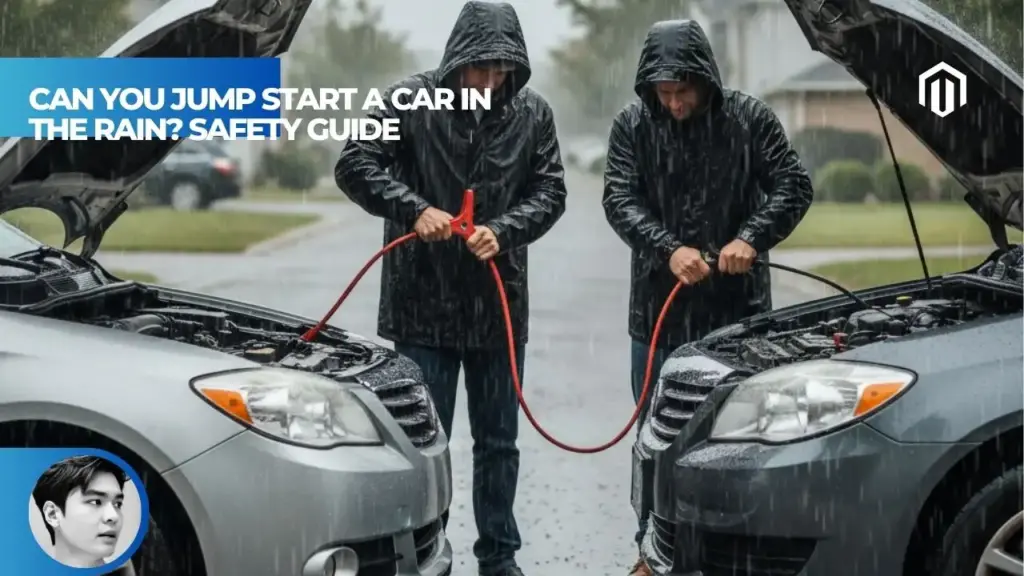
Yes, you can safely jump start a car in the rain—with the right precautions[1]. Most car batteries run on 12 volts, which is far too low to electrocute you through skin contact[2]. The real risks involve short circuits, sparks near hydrogen gas, and handling slippery equipment. Follow proper procedures and you’ll be back on the road without incident.
Why Rain Doesn’t Make Jump Starting Dangerous
The fear of electrocution while jump starting in rain is a common misconception. A standard 12-volt car battery cannot push enough current through your body to cause serious harm—your skin’s resistance is simply too high[3]. Pure water doesn’t conduct electricity well, though rainwater contains impurities that can conduct small amounts of current[4].
That said, wet conditions do create some complications worth understanding. Moisture can create paths for electrical current to travel where it shouldn’t, potentially causing short circuits[1]. Wet jumper cable clamps become slippery and harder to grip securely. And if your battery has been producing hydrogen gas (which happens during charging), a spark near the battery could ignite it.
The danger isn’t the rain touching you—it’s the increased chance of making a mistake. With careful attention to procedure, those risks stay minimal.
The Real Risks of Wet Weather Jump Starts
Short Circuits and Sparks
Water on battery terminals or cable connections can cause electrical shorts[4]. If an exposed wire on your positive cable touches the engine block or frame, you’ll see dangerous sparks. Same goes if both cables have damaged insulation and touch each other. These sparks won’t electrocute you, but they can damage your car’s electrical system or—in rare cases—ignite hydrogen gas near the battery.
Hydrogen Gas Explosion
This is the primary hazard with any jump start, rain or not. Car batteries release flammable hydrogen gas, especially when charging[5]. If a spark ignites this gas, the battery can explode, spraying sulfuric acid everywhere. The good news? Following the correct cable connection sequence minimizes spark risk near the battery.
Slippery Equipment
Wet hands and slippery cables increase the chance of accidentally touching clamps together or making poor connections[1]. A dropped clamp hitting the wrong metal surface creates sparks. Working carefully in rain requires extra attention to grip and placement.
When You Should NOT Jump Start in the Rain
Not all rainy conditions are equal. Light drizzle? Generally fine. But certain situations call for waiting or seeking professional help:
- Thunderstorms: Lightning strikes can cause severe injury or vehicle damage[6]. Wait for the storm to pass.
- Heavy downpours: Reduced visibility and rapid water accumulation create unsafe working conditions.
- Standing water: Never jump start if either vehicle sits in a puddle or flood water[6]. Water can conduct electricity and damage components.
- Frozen or leaking battery: If your battery shows cracks, leaks acid, or appears frozen, attempting a jump start risks explosion[2]. Call roadside assistance.
- Damaged cables: Frayed insulation or exposed copper wires become especially dangerous when wet. Don’t use them.
If you’re dealing with a car that won’t start in cold weather, the battery condition becomes even more critical to inspect before attempting a jump.
Step-by-Step: Jump Starting Safely in the Rain
Before You Begin
- Inspect your cables — Check for exposed wires, damaged insulation, or corrosion on the clamps. If you spot damage, don’t use them[2].
- Position vehicles safely — Park on higher ground away from puddles. Both cars should be close but not touching.
- Dry the battery area — Use a cloth or towel to wipe moisture from battery terminals before connecting[7].
- Gather protective gear — Wear rubber-soled shoes and insulated gloves if available. Safety glasses protect against acid splashes[1].
Connection Order (Critical)
The sequence matters. Connecting cables in the wrong order increases spark risk near the battery—exactly where hydrogen gas accumulates[8].
Connect in this order:
- Red clamp → dead battery’s positive (+) terminal
- Red clamp → donor battery’s positive (+) terminal
- Black clamp → donor battery’s negative (−) terminal
- Black clamp → unpainted metal surface on the dead car (not the battery)
That final connection goes to a ground point—like an unpainted engine bolt—away from the battery. This way, any spark occurs far from hydrogen gas.
Starting the Vehicles
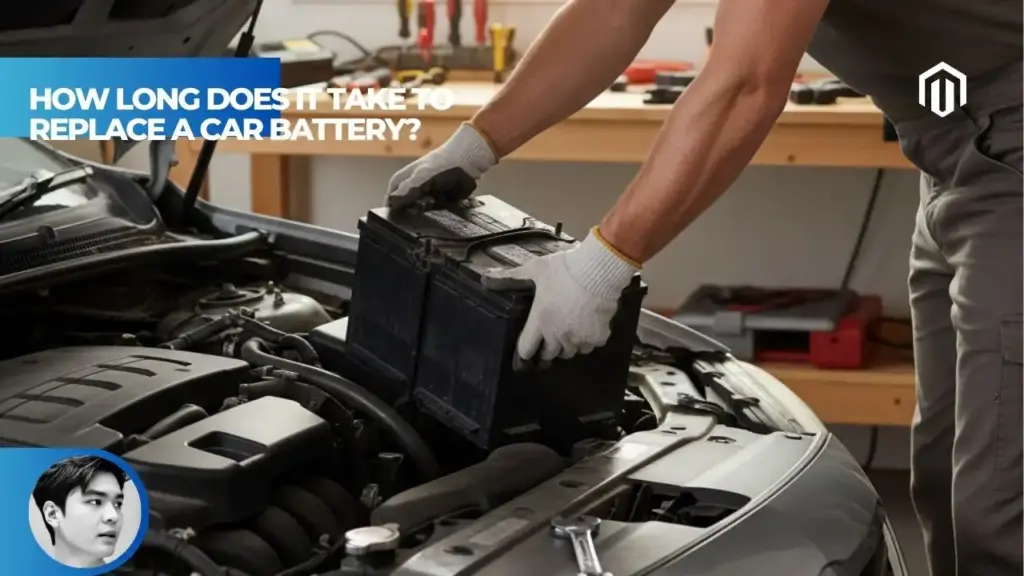
Let the donor car run for 2-3 minutes to charge the dead battery[8]. Then try starting the dead vehicle. If it doesn’t turn over after a few attempts, the battery may need replacement rather than a jump. Understanding how long it takes to replace a car battery helps you plan if a jump won’t work.
Disconnection Order
Remove cables in reverse order:
- Black clamp from ground point (dead car)
- Black clamp from donor battery negative
- Red clamp from donor battery positive
- Red clamp from previously dead battery positive
Keep clamps from touching each other or any metal surfaces during removal.
Essential Safety Precautions
Work Efficiently
Minimize exposure time for yourself and the equipment[7]. Have everything ready before you start—know your connection points, have cables laid out properly, and move with purpose. The faster you work (without rushing dangerously), the less time moisture has to cause problems.
Keep Connections Dry
If rain intensifies while you’re working, use an umbrella or have someone shield the battery area. Wipe cable clamps dry before each connection. Wet metal-to-metal contact increases short circuit risk[4].
Stand on Dry Surfaces
If possible, stand on concrete, asphalt, or a rubber mat rather than wet grass or puddles[1]. Rubber-soled shoes provide an additional layer of insulation between you and the ground.
Never Touch Both Terminals Simultaneously
Even with dry hands, avoid touching both battery terminals at once. With wet hands, the risk increases slightly because moisture reduces skin resistance[3]. The 12V still won’t electrocute you, but why take unnecessary chances?
Check for Battery Damage
Before connecting anything, inspect both batteries for cracks, leaks, bulging, or corrosion[2]. A damaged battery can explode when you attempt to charge it. If you see sulfuric acid leaking, step away and call a professional.
Alternatives to Jump Starting in Rain
Don’t want to deal with wet cables and slippery conditions? You have options:
Portable Jump Starters
These eliminate the need for a second vehicle entirely. Quality portable jump starters with IP65 ratings are designed for wet conditions[7]. You connect directly to your battery, press a button, and start the car. No fumbling with long cables in the rain.
Prices range from $50-150 for reliable units. They’re worth keeping in your trunk year-round.
Roadside Assistance
If conditions feel unsafe or you’re uncomfortable working around batteries, call for help. AAA, your insurance company’s roadside service, or apps like Honk can dispatch someone with proper equipment. The wait might be longer in bad weather, but it beats risking injury. If you’ve dealt with alternator issues before, you know sometimes professional help is the smarter move.
Push Starting (Manual Transmission Only)
If you drive a stick shift, push starting bypasses the battery entirely. You’ll need a slight downhill slope or a few people willing to push in the rain. Not ideal, but it works when other options aren’t available.
Key Takeaways
- Jump starting a car in the rain is safe when you follow proper procedures—12V batteries cannot electrocute you through normal skin contact
- The real risks are sparks igniting hydrogen gas near the battery, short circuits from moisture, and handling slippery equipment
- Never attempt jump starts during thunderstorms, in standing water, or if either battery appears damaged, frozen, or leaking
- Connect cables in the correct order: positive to dead, positive to donor, negative to donor, then ground on dead car away from battery
- Dry battery terminals before connecting, wear rubber-soled shoes, and work efficiently to minimize moisture exposure
- Portable jump starters with IP65+ ratings offer a safer alternative for wet weather emergencies
FAQs
Will I get electrocuted if I jump start a car in the rain?
No. A 12-volt car battery cannot generate enough voltage to push dangerous current through your skin[3]. Even in wet conditions, the risk of electrocution from a car battery is essentially zero. The actual dangers are short circuits, sparks, and potential battery explosion from hydrogen gas ignition—not electric shock to your body.
Can wet jumper cables cause damage?
Wet cables themselves aren’t inherently dangerous if the insulation is intact[4]. The problem is slippery grip and potential moisture at connection points. Wet clamps may not make solid contact, and water on terminals can cause minor shorts. Dry the clamps and terminals before connecting to avoid issues.
What’s the biggest risk when jump starting in rain?
The biggest risk is creating a spark near the battery that ignites accumulated hydrogen gas[5]. This risk exists in any jump start situation, but wet conditions increase the chance of fumbling cables or making poor connections that spark. Following proper connection sequence and grounding the final clamp away from the battery minimizes this danger.
Should I wait for the rain to stop before jump starting?
For light rain, waiting isn’t necessary—proper precautions make the process safe[2]. For heavy downpours, thunderstorms, or flooding, yes—wait for safer conditions. Lightning during a thunderstorm presents genuine danger, and standing water around vehicles creates electrical hazards. Use your judgment based on severity.
Can I use a portable jump starter in the rain?
Yes, especially models with IP65 or higher water resistance ratings[7]. Portable jump starters are actually safer in wet weather because they require fewer connections and keep you away from the engine bay longer. Keep the unit as dry as possible and follow the same terminal connection order as traditional cables.
References
- Gerry Lane CDJR. (2025). Can You Safely Jump Start a Car in the Rain? https://www.gerrylanecdjr.com/blog/2025/august/18/can-you-safely-jump-start-a-car-in-the-rain.htm
- CarParts.com. (2024). Can You Jump a Car in the Rain? https://www.carparts.com/blog/can-you-jump-a-car-in-the-rain/
-
Electrical Technology. (2025). Why Can’t a 12V Car Battery Electrocute You?
Why Can’t a 12V Car Battery Electrocute You?
- Mission De Flores. (2025). Can You Use Jumper Cables in the Rain? https://missiondeflores.com/can-you-use-jumper-cables-in-the-rain/
- West Texas A&M University. (2013). Why is a 12-volt household battery harmless, but the shock from a 12-volt car battery will kill you? https://www.wtamu.edu/~cbaird/sq/2013/11/01/why-is-a-12-volt-household-battery-harmless-but-the-shock-from-a-12-volt-car-battery-will-kill-you/
- Stuck Solutions. (2025). Can You Jump Start a Car in the Rain? https://stuck.solutions/can-you-jump-start-a-car-in-the-rain/
- Car-KU. (2025). How to Safely Jump-Start a Car In Bad Weather. https://www.car-ku.com/news/How-to-Safely-Jump-Start-a-Car-In-Bad-Weather.html
- TP Auto Repair. (2025). The correct order to jump-start a car—and why it matters. https://tpautorepair.net/in-what-order-should-i-jump-a-car/

I am a senior automotive analyst at Autvex. Expert vehicle evaluations, in-depth reviews, and objective analysis helping readers make informed automotive decisions with years of industry experience.