You may also like:
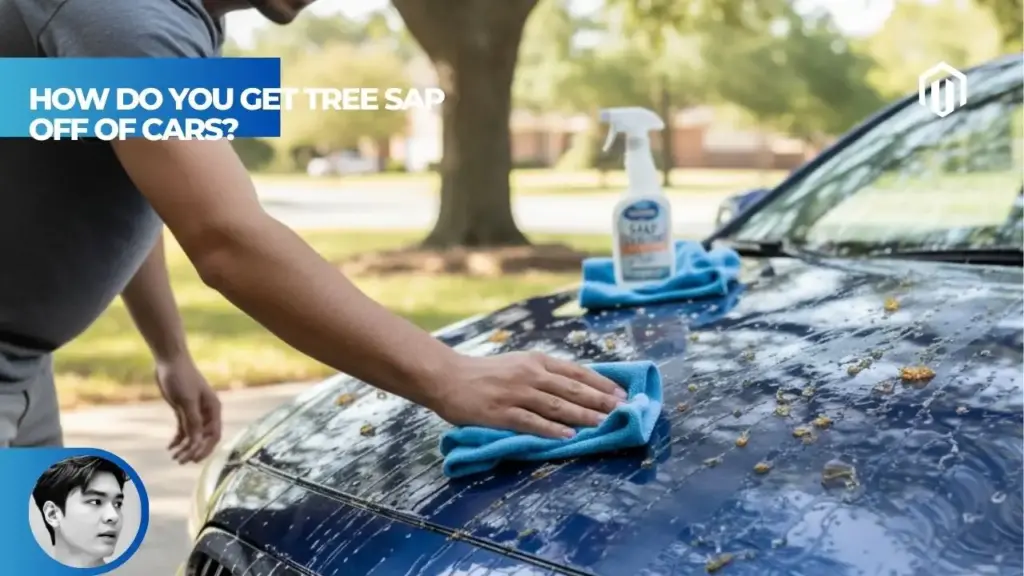
The safest way to get tree sap off your car is using isopropyl rubbing alcohol or a commercial bug and tar remover applied with a microfiber cloth. Dampen the cloth with your chosen solvent, let it sit on the sap for 30 seconds to a minute, then gently rub in circular motions until the sap dissolves[1]. Always rinse with water afterward and apply wax to protect the cleared area. Act quickly—fresh sap removes easily, while hardened sap can permanently damage your clear coat if left untreated[2].
Why Tree Sap Damages Car Paint
Tree sap isn’t just annoying—it’s chemically destructive to automotive paint. When sap first lands on your car, it’s soft and easy to wipe off. But as it hardens, it chemically bonds with your clear coat, the protective outer layer of your paint[2].
Here’s what happens over time[3]:
| Stage | Timeframe | Damage Level | Removal Difficulty |
|---|---|---|---|
| Fresh sap | 0-48 hours | None to minimal | Easy |
| Hardening sap | 2-7 days | Clear coat etching begins | Moderate |
| Baked-on sap | 1+ weeks | Permanent etching possible | Difficult |
Hot weather accelerates this process significantly. UV rays essentially bake the sap onto your paint, making removal much harder and increasing the risk of permanent staining, fading, or peeling[2]. The moral? Remove tree sap as soon as you notice it.
Method 1: Rubbing Alcohol
Isopropyl alcohol is the most versatile and effective household solution for tree sap removal[1].
What you need:
- Isopropyl rubbing alcohol (70% or higher)
- Microfiber cloths
- Water
- Car wax
Steps:
- Pour a small amount of rubbing alcohol onto a clean microfiber cloth—microfiber reduces the risk of scratching the paint[1]
- Gently dab the sap spot with the alcohol-soaked cloth and let it sit for at least 30 seconds
- Rub the area in gentle circular motions until the sap dissolves—repeat if needed
- Rinse the area thoroughly with water to remove any alcohol residue
- Apply a layer of protective car wax to restore shine and protect the paint
The alcohol breaks down the sap’s sticky compounds without harming modern clear coats[4]. That said, older vehicles with single-stage paint may be more sensitive—test in an inconspicuous area first.
Method 2: Commercial Bug and Tar Remover
Purpose-made products work faster and are formulated specifically for automotive surfaces[1].
Top-rated options include:
| Product | Best For | Price Range |
|---|---|---|
| Nanoskin Tree Sap Remover | Heavy sap buildup | $15-20 |
| Meguiar’s Heavy Duty Bug & Tar Remover | Multi-purpose | $8-12 |
| Goo Gone Automotive | Light to moderate sap | $6-10 |
| Stoner Tarminator | Tar and sap combo | $10-15 |
Steps:
- Spray the remover directly onto the sap-covered area
- Let it sit for 2-5 minutes as recommended by the product instructions
- Use a microfiber cloth to gently wipe away the sap—be patient and avoid scrubbing hard
- Rinse the treated area with water to remove leftover cleaner
- Apply car wax to the cleaned area to protect the paint[1]
Professional-grade removers like DIY Detail’s Tree Sap Remover are designed to penetrate stubborn contaminants without excessive rubbing or buffing, and they’re safe on clear coats, plastics, and wheels[5].
Method 3: WD-40
Yes, WD-40 works on tree sap. It’s not just for squeaky hinges[6].
Steps:
- Spray WD-40 directly on the sap stain
- Allow it to soak for about 5 minutes
- For stubborn sap, apply a wet cloth soaked in hot water on top for added penetration
- Use the cloth to rub away the sap, repeating as needed
- Once the sap is gone, wash the area thoroughly with hot water and soap—WD-40 leaves an oily residue that must be removed
- Apply wax to protect the cleared area
The catch? WD-40 will strip any existing wax protection from that area. You’ll need to reapply wax afterward. But if you’re in a pinch and don’t have rubbing alcohol or commercial remover, it gets the job done.
Method 4: Baking Soda Paste
For those preferring household remedies, baking soda works as a gentle abrasive that won’t scratch paint[1][6].
Steps:
- Mix baking soda and warm water to form a thick paste
- Apply the paste directly to the sap stain using a microfiber cloth
- Let it sit for a few minutes to penetrate the sap
- Gently rub the area in circular motions
- Pour warm water over the area to rinse thoroughly
- Finish by waxing the area to protect the paint
This method works best on fresh or lightly hardened sap. For baked-on deposits, you’ll likely need alcohol or commercial remover.
Method 5: Hand Sanitizer
Hand sanitizer contains alcohol, making it effective in a pinch[3]. Apply a small amount to the sap, let it sit for a few minutes to break down the sticky residue, then wipe clean with a microfiber cloth. Rinse and wax afterward.
This isn’t the ideal solution—hand sanitizers contain additives that may leave residue—but it works when you’re away from home and discover sap on your car.
What NOT to Use on Tree Sap
Some products will damage your paint[3]:
| Don’t Use | Why |
|---|---|
| Lacquer thinner | Too aggressive, damages clear coat |
| Acetone (nail polish remover) | Can dissolve clear coat on some finishes |
| Abrasive scrubbing pads | Creates micro-scratches |
| Pressure washing alone | Won’t dissolve hardened sap |
| Razor blades | Scratches paint guaranteed |
If you’re unsure about a product, test it on an inconspicuous area first—like inside a door jamb.
How to Fix Paint Damage From Tree Sap
If sap has already etched into your clear coat, removal alone won’t fix the damage[3][2]:
Light Etching (Dull Spots)
- Wash the area thoroughly with soap and water
- Use a clay bar to remove any remaining contaminants
- Apply automotive polishing compound and buff gently
- Follow with wax or ceramic coating for protection
Moderate Damage (Visible Marks)
Professional paint correction may be necessary. Detailers use polishing compounds and buffers to remove imperfections including etching and oxidation[2]. Expect to pay $150-300 for spot correction.
Severe Damage (Deep Etching or Staining)
Touch-up paint or professional auto body refinishing may be required. If the sap penetrated through the clear coat into the base paint layer, no amount of polishing will fully restore the surface.
Understanding how to maintain your car’s exterior helps prevent future damage.
Preventing Tree Sap Damage
The best approach is avoiding sap altogether[2]:
Parking Strategy
- Avoid parking under pine, maple, and birch trees during spring and summer
- If shade is essential, park under man-made structures instead
- Move your car if you notice sap dripping
Protective Coatings
Regular wax application creates a barrier between sap and your clear coat. Ceramic coatings offer even better protection—sap bonds to the coating rather than the paint, making removal significantly easier[2].
Regular Washing
Wash your car weekly during sap season (spring and early summer). Fresh sap washes off easily with standard car soap before it has time to harden and bond with the paint.
Key Takeaways
- Act fast—fresh sap removes in seconds while hardened sap can take significant effort and may cause permanent damage if left for more than a week[2]
- Isopropyl rubbing alcohol is the best household solution—it dissolves sap safely without harming modern clear coats when applied with a microfiber cloth[1]
- Commercial bug and tar removers work faster and are formulated specifically for automotive surfaces, making them worth the $8-20 investment[5]
- Always rinse and wax after removal—any solvent you use will strip existing wax protection, leaving the cleared area vulnerable until you reapply[1]
- Never scrub or use abrasives—aggressive removal techniques create micro-scratches that may require professional paint correction to fix[3]
- Prevention beats cure—avoid parking under trees during sap season and maintain protective wax or ceramic coatings to create a barrier[2]
FAQs
Does tree sap permanently damage car paint?
Yes, tree sap can permanently damage car paint if left untreated[3]. Fresh sap is soft and removes easily, but as it hardens over days, it chemically bonds with your clear coat. Hot weather accelerates this bonding process. Left for weeks, sap can cause etching, discoloration, dull spots, and even corrosion. The key is removing sap within 48 hours of it landing on your vehicle.
Can I use nail polish remover to remove tree sap?
Nail polish remover (acetone) is not recommended for tree sap removal on most vehicles[3]. While acetone dissolves sap effectively, it can also dissolve or damage clear coats on modern vehicles. Isopropyl rubbing alcohol is a safer alternative that breaks down sap without harming automotive finishes. If you must use acetone, test on an inconspicuous area first and rinse immediately.
How long can tree sap stay on a car before causing damage?
Tree sap can begin causing damage within 48 hours to one week, depending on temperature and sun exposure[2]. In hot, sunny conditions, sap can bond with clear coat in just a couple of days. In cooler weather, you may have up to a week before permanent etching occurs. For the safest results, remove tree sap as soon as you notice it—fresh sap takes seconds to remove while hardened sap requires significant effort.
Will a car wash remove tree sap?
Standard car washes typically cannot remove hardened tree sap[1]. The soap and water pressure aren’t aggressive enough to dissolve the sticky compounds once they’ve bonded with the paint. Very fresh sap (within hours of landing) may wash off with hot soapy water, but anything that’s had time to set requires rubbing alcohol, commercial remover, or similar solvents to break it down.
What is the best commercial tree sap remover?
Professional detailers frequently recommend Nanoskin Tree Sap Remover for heavy deposits and Meguiar’s Heavy Duty Bug & Tar Remover for general use[5]. Both are safe on clear coats, plastics, and glass. DIY Detail’s Tree Sap Remover is another professional-grade option that removes sap without excessive rubbing. For light sap, Goo Gone Automotive works well and is widely available at most stores.
References
- AutoZone. (2025). How to Get Tree Sap Off Your Car. https://www.autozone.com/diy/fluids-chemicals/how-to-get-tree-sap-off-your-car
- Bliss Car Wash. (2025). Tree Sap Car Paint Damage And How To Fix It. https://blisscarwash.com/tree-sap-car-paint-damage-and-how-to-fix-it/
- Car Crafters. (2025). How To Safely Remove Tree Sap From Your Car. https://www.carcrafters.net/blog/collision-repair/how-to-remove-tree-sap-from-car-paint/
-
Big’s Mobile Detailing. (2023). How To Remove Tree Sap From Your Car Without Damaging Paint.
How to Remove Tree Sap from Your Car Without Damaging Paint
- DIY Detail. (2024). Tree Sap Remover. Tree Sap Remover
- McCarthy Collision Centers. (2021). How to Get Sap Off a Car: Expert Tips. https://www.mccarthycollisioncenters.com/blogs/7622/how-to-remove-dry-tree-sap-from-your-car

I am a senior automotive analyst at Autvex. Expert vehicle evaluations, in-depth reviews, and objective analysis helping readers make informed automotive decisions with years of industry experience.