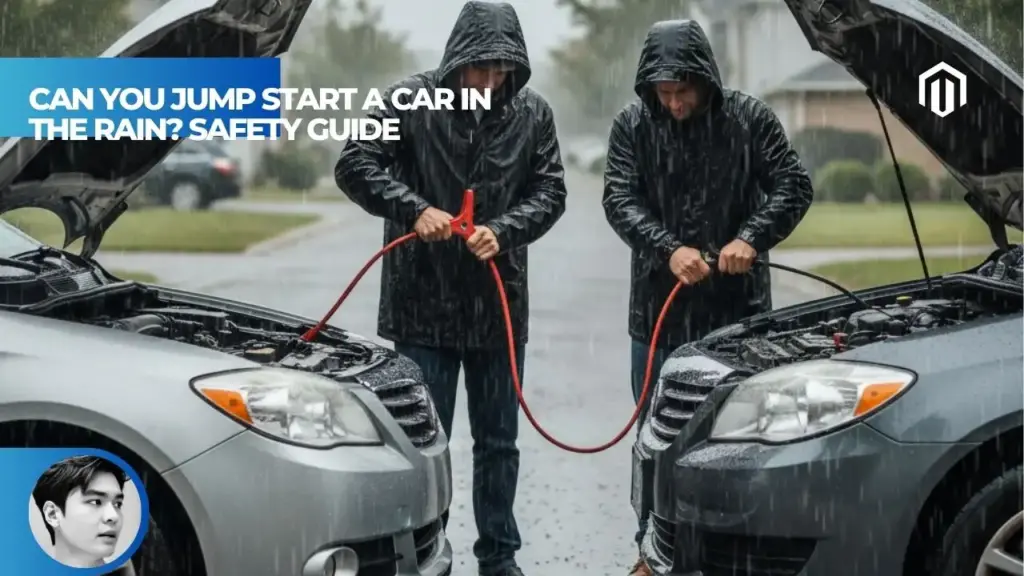
You may also like:
A car with a failing fuel pump can sometimes be started using the fuel tank tap method, key cycling to build pressure, or by checking the fuse and relay[1]. These are emergency techniques designed to get your vehicle running long enough to reach a repair shop—not permanent fixes[2]. A completely failed fuel pump requires professional replacement, with no reliable workaround.
Understanding Why a Bad Fuel Pump Won’t Start
The fuel pump transfers gasoline from the tank to the engine at the correct pressure[1]. When this component fails, the engine cannot receive the fuel needed for combustion, resulting in extended cranking, no-start conditions, or stalling shortly after ignition[3].
Before attempting any emergency start method, confirm the fuel pump is likely the problem by checking for these symptoms:
| Symptom | What It Indicates |
|---|---|
| Long cranking time | Pump not holding pressure when engine is off[3] |
| Engine sputtering at high speed | Inconsistent fuel delivery[2] |
| Whining noise from fuel tank | Pump motor degrading[3] |
| Sudden power loss | Insufficient fuel reaching injectors[2] |
| Car stalls but restarts after sitting | Pump overheating[3] |
During a roadside breakdown I encountered with a failing pump in a mid-2000s sedan, the key cycling method bought enough time to reach a service station two miles away. The engine stalled twice but restarted each time after repeating the process.
Emergency Methods to Start with a Failing Fuel Pump
These techniques work only when the pump is weakening—not when it has completely failed[1]. Once the pump motor is dead, no temporary fix will restore function.
Method 1: Tap the Fuel Tank
This approach can temporarily jolt a stuck or failing pump motor back into operation[1].
Steps:
- Locate the fuel tank underneath your vehicle (typically toward the rear)
- Use a rubber mallet, wrench handle, or the heel of your shoe to tap the bottom of the tank firmly but not forcefully[4]
- Have someone attempt to start the car while you tap, or tap first and then try starting immediately[1]
- If the engine starts, drive directly to a mechanic
The vibration can free stuck internal components within the pump[2]. Avoid striking the tank hard enough to cause denting or damage.
Method 2: Cycle the Ignition Key
This technique builds fuel pressure gradually when a weak pump cannot pressurize the system on a single attempt[1].
Steps:
- Turn the ignition key to the “ON” position without cranking the engine
- Listen for the fuel pump’s humming sound (usually audible for 2-3 seconds)[2]
- Turn the key back to “OFF”
- Repeat 3-5 times to allow pressure to build incrementally[4]
- Attempt to start the engine
This method works because repeated priming cycles allow a weak pump to gradually fill the fuel lines[3]. If you’re troubleshooting other starting issues, understanding how to start a car with a bad fuel pump covers additional scenarios.
Method 3: Check the Fuse and Relay
Sometimes the pump itself is fine, but a blown fuse or failed relay cuts power to it[1].
Steps:
- Locate your vehicle’s fuse box (consult the owner’s manual for the fuel pump fuse/relay position)
- Inspect the fuse for visible damage—look for a broken wire inside or burn marks[2]
- Replace a blown fuse with one of identical amperage
- If the relay appears similar to another relay in the box (such as the horn relay), swap them temporarily[5]
- Attempt to start the vehicle
A blown fuse can indicate an underlying electrical issue or a pump drawing excessive current[6]. If the fuse blows again immediately, stop attempting to start the car. For related electrical issues, learn whether you can jumpstart a car with a bad alternator.
Method 4: Use Starting Fluid (Last Resort)
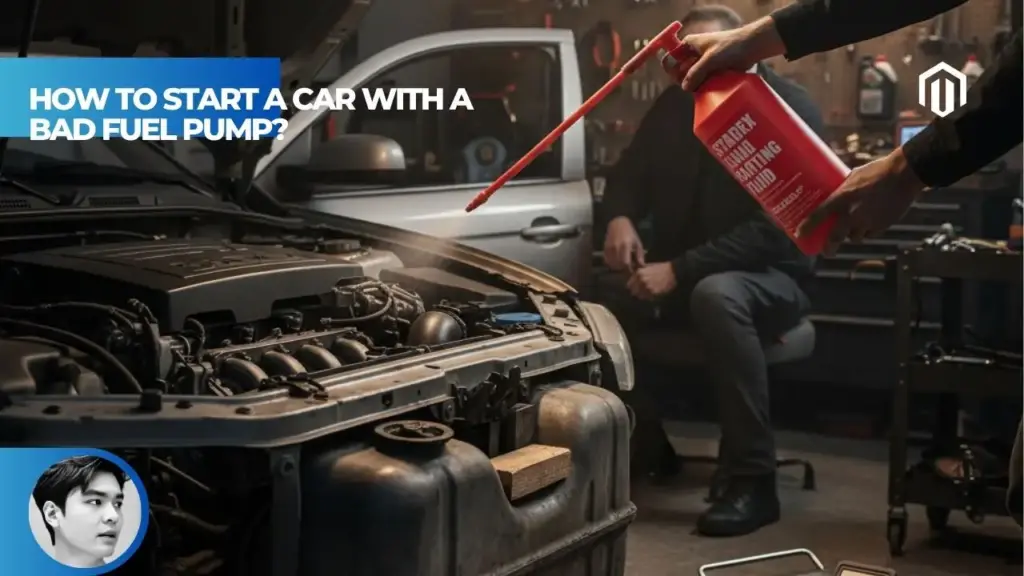
Starting fluid provides a temporary fuel source to ignite the engine when fuel delivery has failed[1]. This method carries risks and should only be used in emergencies.
Steps:
- Open the hood and locate the air intake or throttle body
- Remove the air filter cover or intake hose if necessary
- Spray a brief burst of starting fluid into the intake (2-3 seconds maximum)[1]
- Replace the cover immediately
- Attempt to start the engine
Warning: Overuse of starting fluid can damage the engine[4]. This provides only seconds of running time—enough to confirm the fuel system is the problem, but not a driving solution.
Method 5: Let the Pump Cool Down
If your car stalls but restarts after sitting for 15-30 minutes, the fuel pump may be overheating[1]. Running on low fuel frequently causes this, since gasoline helps cool the pump[3].
Steps:
- Turn off the ignition and wait 15-30 minutes
- In hot weather, parking in shade accelerates cooling
- Attempt to restart the engine
This buys limited time but may get you to a service station. For other temperature-related issues, check if your car is overheating.
When to Stop and Call for Help
These emergency methods are not guaranteed to work and carry limitations[2]. Call for roadside assistance or a tow truck if:
- The engine cranks but will not start after multiple attempts
- The car starts but immediately stalls and won’t restart
- You notice fuel leaks or smell gasoline strongly
- The fuse blows repeatedly when replaced
- No humming sound is audible when turning the key to “ON”
Continuing to attempt starts with a completely failed pump wastes battery charge and risks stranding you in a worse location[2]. If your car won’t start in cold weather but the battery is good, other factors beyond the fuel pump may be involved.
Fuel Pump Replacement Costs
Once at a repair shop, expect the following costs for fuel pump replacement:
In-tank pumps require more labor than external pumps, as the tank must be dropped or accessed through a panel[4]. Some vehicles have access panels under the rear seat, reducing labor time.
How to Prevent Future Fuel Pump Failure
Proactive maintenance extends fuel pump lifespan significantly[1]:
- Keep the tank above one-quarter full: Fuel cools and lubricates the pump—running on empty accelerates wear[3]
- Use quality fuel: Contaminated or low-quality gasoline can clog the pump and filter[2]
- Replace fuel filters on schedule: A clogged filter forces the pump to work harder[2]
- Address warning signs early: A whining pump or intermittent starting issues indicate failure is approaching[3]
Understanding how many gallons of gas your car holds helps maintain appropriate fuel levels.
Key Takeaways
- The fuel tank tap method and key cycling are the most effective emergency techniques for a failing pump[1][4]
- Check the fuse and relay first—electrical issues are common and easy to diagnose[1]
- These methods work only for weakening pumps, not completely failed units[2]
- Replacement costs range from $250-$900 depending on vehicle and pump location[2]
- Keeping the fuel tank above one-quarter full extends pump life significantly[3]
Frequently Asked Questions
Can you drive with a bad fuel pump?
Why does tapping the fuel tank work?
How long will a failing fuel pump last?
A weakening fuel pump may continue operating for days, weeks, or fail completely without warning[3]. Once symptoms appear, replacement should be scheduled promptly rather than waiting for total failure.
Does running out of gas damage the fuel pump?
Can I replace the fuel pump myself?
References
- John Ellis & Son. (2025). Emergency Hacks to Start a Car with a Bad Fuel Pump.
Emergency Hacks to Start a Car with a Bad Fuel Pump
- RSC Automotive. (2025). How to Start a Car When the Fuel Pump Is Failing. https://rscautorepair.com/how-to-start-car-when-fuel-pump-failing/
- AutoZone. (2025). The Symptoms of a Bad Fuel Pump. https://www.autozone.com/diy/symptoms/bad-fuel-pump-symptoms
- Gilesgate Test Centre. (2025). How to Start a Car with a Bad Fuel Pump. https://gilesgatetestcentre.co.uk/how-to-start-a-car-with-a-bad-fuel-pump
- American Dream Auto Protect. (2023). Temporary Fuel Pump; Common Problems and How to Fix Them. https://americandreamautoprotect.com/temporary-fuel-pump-common-problems-and-how-to-fix-them
- Kemso Racing. (2025). Temporary Fix for Fuel Pump: Urgent, Risky Last-Resort Measures Explained. https://www.kemsoracing.com/blogs/news/temporary-fix-for-fuel-pump-urgent-risky-last-resort-measures-explained

I am a senior automotive analyst at Autvex. Expert vehicle evaluations, in-depth reviews, and objective analysis helping readers make informed automotive decisions with years of industry experience.