You may also like:
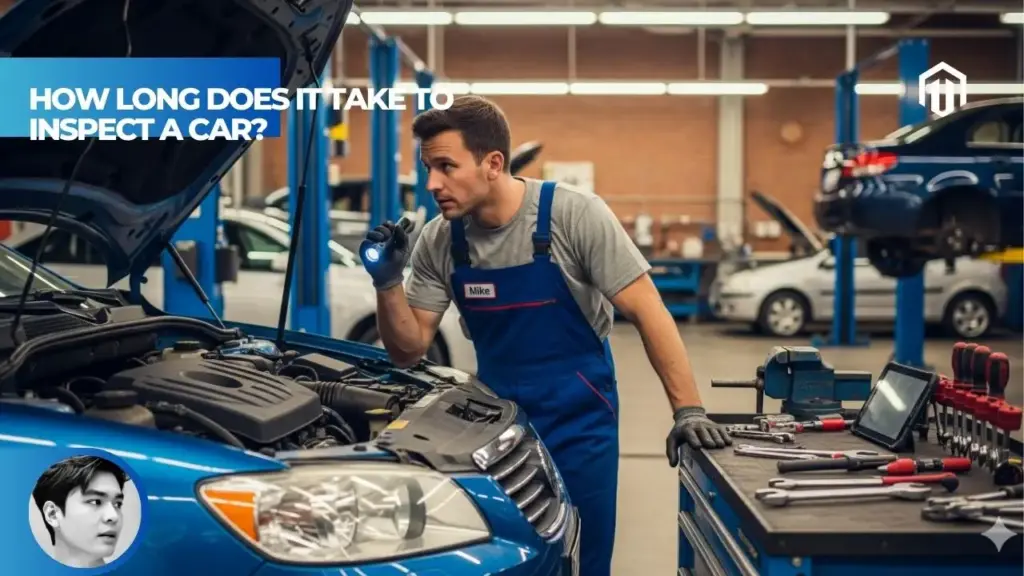
A standard car inspection takes 30 to 60 minutes depending on whether you need a safety check, emissions test, or both[1]. Safety-only inspections run about 30-45 minutes, while combined safety and emissions testing adds another 15-30 minutes to the total[2].
Inspection Times by Type
The time needed for a car inspection varies significantly based on what’s being checked. Different states require different tests, and some vehicles face additional scrutiny. Here’s what to expect for each inspection category.
| Inspection Type | Duration | Common Requirements |
|---|---|---|
| Safety only | 30-45 minutes | PA, OH, TX (commercial) |
| Emissions only | 15-30 minutes | CO, AZ, NV |
| Safety + emissions | 45-60 minutes | CA, NY, MD, MA, TX, VA |
| Pre-purchase | 1-2 hours | Not state-mandated |
The actual inspection itself accounts for most of this time, but you should also factor in check-in, paperwork, and potential wait times at busy facilities[1]. Budget an extra 15-45 minutes beyond the inspection itself if you’re walking in without an appointment.
What Happens During a Safety Inspection
Safety inspections systematically check the components that keep you—and everyone else on the road—safe. A qualified technician works through a standardized checklist covering everything from brakes to seat belts.
Here’s the typical breakdown of how those 30-45 minutes are spent[2]:
| Check | Time |
|---|---|
| Documentation and check-in | 5 minutes |
| Exterior lights and signals | 5-10 minutes |
| Braking system evaluation | 5-10 minutes |
| Suspension and steering | 5-10 minutes |
| Tires and wheels | 5 minutes |
| Windshield, mirrors, wipers | 5 minutes |
| Safety equipment (seat belts, horn) | 5 minutes |
| Paperwork and sticker | 3 minutes |
The technician checks for proper brake function, adequate tire tread (minimum 2/32″), working lights, functional seat belts, and clear visibility through the windshield[1]. Any cracks in your line of sight or burned-out bulbs will cause a failure. Virginia’s inspection covers 24 different items and typically takes 45-60 minutes due to its thoroughness[2].
Emissions Testing Duration
Emissions tests—sometimes called smog checks—measure the pollutants your vehicle releases into the atmosphere. These tests are quicker than safety inspections but can add 15-30 minutes to your visit if your state requires both[1].
For vehicles built after 1996, the process is straightforward. The technician plugs into your OBD-II (on-board diagnostic) port and reads the data stored by your car’s computer[2]. This takes just 5-10 minutes. Older vehicles and diesel trucks require tailpipe testing, which involves measuring actual exhaust emissions—that process runs 10-20 minutes longer[2].
Here’s the thing: if your check engine light is on, you’ll fail emissions automatically in most states[1]. Get that resolved before scheduling your inspection. A loose gas cap triggers this light more often than you’d expect—tighten it first and drive for a few days to see if the light clears.
Pre-Purchase Inspections Take Longer
Buying a used car? A pre-purchase inspection runs 1-2 hours because it covers far more ground than a state-mandated check[2]. This isn’t about meeting minimum standards—it’s about finding every potential problem before you hand over money.
The mechanic will conduct a road test, crawl underneath the vehicle, pull diagnostic codes, and examine maintenance records[2]. They’re looking for accident damage, hidden leaks, worn components, and anything that suggests the car won’t hold up. This investment of time (and the $100-$200 fee) can save thousands in surprise repairs.
When scheduling, ask if the shop can accommodate a longer appointment. Some quick-lube facilities only handle state inspections and won’t have time for this kind of deep dive. Understanding what mileage to expect from a used car helps you interpret the inspection findings.
What Factors Affect Inspection Time?
Vehicle Age and Condition
Older vehicles typically require more thorough examination[2]. A 2023 Camry with 20,000 miles will breeze through faster than a 2008 F-150 with 180,000 miles. Visible wear, warning lights, or obvious issues prompt the inspector to dig deeper.
Modifications also add time. Aftermarket exhaust systems, lifted suspensions, and tinted windows all require additional scrutiny to ensure compliance[2]. If you’ve modified your vehicle, budget extra time and be prepared to explain or demonstrate that everything meets regulations.
Diesel and Commercial Vehicles
Diesel trucks face stricter emissions testing that can add 10-15 minutes to the process[2]. Inspectors check smoke opacity and verify that diesel particulate filters haven’t been tampered with.
Commercial vehicles undergo the most extensive inspections—45-90 minutes depending on size and configuration[2]. Air brake systems, cargo securement, and specialized equipment all require verification beyond what passenger vehicles need.
Appointment vs. Walk-In
Making an appointment can cut your total time in half. Walk-in customers at busy facilities sometimes wait 30-60 minutes before their car even enters the bay[2]. Call ahead or book online if available.
Timing matters too. Early morning visits on weekdays typically have the shortest waits. The last week of each month gets slammed as drivers rush to renew expiring stickers[2]. Mid-month, mid-morning? That’s the sweet spot.
State-by-State Inspection Differences
Requirements vary dramatically across the US. Some states mandate comprehensive annual inspections; others require nothing at all[3].
| State | Inspection Type | Typical Duration | Cost |
|---|---|---|---|
| Texas | Safety + emissions (some counties) | 45-60 minutes | $7-$40 |
| Virginia | Comprehensive safety | 45-60 minutes | $20 |
| North Carolina | Safety + emissions (22 counties) | 45-60 minutes | $13.60-$43.60 |
| California | Emissions (smog check) | 15-30 minutes | $30-$70 |
| Pennsylvania | Safety only | 30-45 minutes | $35.50 |
| Florida | None required | N/A | N/A |
Texas requires both safety and emissions checks in most urban counties, with the combined process taking roughly an hour[2]. Virginia’s inspection covers 24 critical safety systems and costs a flat $20[2]. States like Florida, Michigan, and Minnesota don’t require periodic inspections at all for private passenger vehicles[2].
Always check your state’s DMV website for current requirements. Rules change, and some areas have different mandates based on county or vehicle age.
How to Speed Up Your Inspection
A little preparation goes a long way. Taking 15 minutes to check your car beforehand can prevent a failed inspection and the hassle of returning for a retest.
Before you go:
- Test all exterior lights—headlights, brake lights, turn signals, hazard flashers, and license plate lights[1]
- Check that windshield wipers clear the glass without streaking
- Verify your horn works
- Ensure the check engine light isn’t illuminated
- Confirm tire tread depth exceeds 2/32″ (insert a penny upside down—if you see Lincoln’s entire head, the tread is too shallow)[2]
Bring the right paperwork:
- Current vehicle registration
- Proof of insurance
- Previous inspection certificate (some states require this)
- Payment for the inspection fee
A burned-out bulb is one of the most common failure points, and it’s a $5 fix[1]. Replacing it yourself before the inspection beats paying for a retest. Similarly, if you know your battery needs replacement, handle that before the inspection to avoid related electrical issues.
What Happens If You Fail?
Failed inspections aren’t the end of the world. You’ll receive documentation listing exactly what needs repair, and most states give you 15-30 days to fix the issues and return for reinspection[2].
Many facilities offer free or discounted reinspection if you return within a specific window—usually 15-30 days[2]. Ask about this policy before leaving. Some shops can handle minor repairs on-site (like replacing a bulb or tightening a gas cap), potentially allowing you to pass the same day.
And here’s something worth knowing: you can usually still drive with a failed inspection for a limited grace period, though this varies by state[2]. Check your local regulations to avoid tickets. Driving with an expired inspection sticker after the grace period can result in fines ranging from $50 to several hundred dollars depending on your jurisdiction.
Key Takeaways
- Standard car inspections take 30-60 minutes depending on whether you need safety, emissions, or combined testing—plan for about an hour total including check-in and paperwork[1].
- Safety-only inspections run 30-45 minutes and check brakes, lights, tires, steering, seat belts, and other critical components[2].
- Emissions tests add 15-30 minutes for modern vehicles with OBD-II systems, though older cars and diesels requiring tailpipe testing take longer[2].
- Pre-purchase inspections for used cars require 1-2 hours because they cover mechanical, electrical, and structural components far beyond state minimums[2].
- Making an appointment and visiting mid-week during off-peak hours can cut your total visit time significantly—walk-ins during busy periods may wait 30-60 minutes before inspection even begins[2].
- Check lights, wipers, horn, and tire tread before your appointment—a $5 bulb replacement beats returning for a retest[1].
FAQs
Can I wait while my car is being inspected?
Yes, most inspection facilities have a waiting area where you can stay during the 30-60 minute process[1]. Some stations even let you observe the inspection if you ask. Staying on-site is recommended in case the technician has questions or discovers minor issues that can be addressed immediately.
How often do I need a car inspection?
Most states with inspection requirements mandate annual testing, though some require biennial (every two years) checks[3]. California, for example, requires smog checks every two years for vehicles over 8 years old. New vehicles are often exempt for their first few years of registration. Check your state’s DMV website for specific timelines.
Do electric vehicles need inspections?
Electric vehicles typically still require safety inspections where mandated but are often exempt from emissions testing since they have no tailpipe emissions[2]. The safety portion—checking brakes, lights, tires, and other components—takes the same 30-45 minutes as any other vehicle. Some states are developing specific inspection protocols for EV battery systems, but these aren’t yet widespread.
What’s the best time to get an inspection?
Mid-week mornings, particularly Tuesday through Thursday, typically have the shortest wait times[2]. Avoid the last week of the month when everyone with expiring stickers crowds the facilities. Making an appointment, if available, reduces your total time by eliminating the walk-in queue.
References
- Jiffy Lube. (2026). How Long Does a Car Inspection Take? https://www.jiffylube.com/resource-center/how-long-does-car-inspection-take
- MyAirbags. (2025). How Long Does Car Inspection Take? Complete Guide for Vehicle Owners. https://blog.myairbags.com/how-long-does-car-inspection-take
- Wikipedia. (2023). Vehicle Inspection in the United States. https://en.wikipedia.org/wiki/Vehicle_inspection_in_the_United_States

I am a senior automotive analyst at Autvex. Expert vehicle evaluations, in-depth reviews, and objective analysis helping readers make informed automotive decisions with years of industry experience.