You may also like:
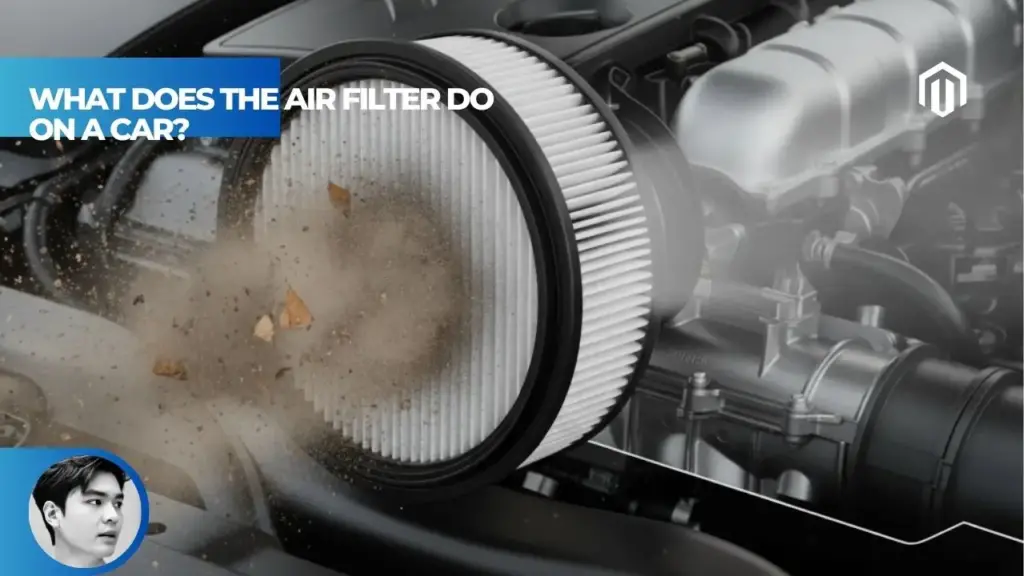
A car air filter prevents dust, dirt, pollen, and debris from entering your engine, ensuring only clean air reaches the combustion chambers[1]. This protection is critical because your engine needs a precise mixture of air and fuel to produce power—approximately 10,000 gallons of air for every gallon of fuel burned[2]. Without proper filtration, contaminants would damage internal engine components, reduce performance, and shorten engine life.
How Engine Air Filters Work
Your engine operates on the principle of combustion: air mixes with fuel, ignites, and produces the energy that moves your car. The air filter sits at the entrance of your engine’s intake system, acting as a protective barrier[3].
As outside air enters through the intake, it passes through the filter media—typically pleated paper, foam, or cotton gauze. This material traps particles as small as 5-10 microns while allowing clean air to flow through to the engine[4]. The filtered air then mixes with fuel in the combustion chamber, where ignition occurs.
A clean air filter maintains optimal airflow. Restricted airflow forces the engine to work harder, affecting the air-to-fuel ratio and compromising combustion efficiency. That’s why filter condition directly impacts how your car performs.
Engine Air Filter vs Cabin Air Filter
Your vehicle actually has two different air filters, and they serve entirely different purposes[5]:
| Feature | Engine Air Filter | Cabin Air Filter |
|---|---|---|
| Purpose | Protects engine from contaminants | Cleans air entering passenger cabin |
| Location | Engine bay, near intake | Behind glove box or under dashboard |
| Size | Larger, handles high airflow | Smaller, fits tight spaces |
| Replaces | Every 15,000-30,000 miles | Every 12,000-15,000 miles |
| Affects | Engine performance, fuel economy | HVAC system, interior air quality |
The engine air filter protects mechanical components and affects how your car runs. The cabin air filter protects you and your passengers from breathing pollutants, pollen, and allergens[6]. Both matter—but for very different reasons.
If you notice musty smells from your air vents or reduced airflow from your HVAC system, your cabin filter likely needs attention. Engine filter problems show up as performance issues.
What a Clean Air Filter Does for Your Engine
Protects Internal Components
Your engine’s cylinders, pistons, and valves operate with extremely tight tolerances. Even small particles of dirt or sand can cause abrasive wear on these components[1]. Over time, this wear leads to reduced compression, oil consumption, and eventually engine failure.
A functioning air filter captures these contaminants before they reach sensitive components. This protection is especially important for modern engines with tight tolerances and turbochargers, which can be particularly vulnerable to debris damage.
Maintains Fuel Efficiency
The combustion process requires a specific air-to-fuel ratio—roughly 14.7 parts air to 1 part fuel for gasoline engines[2]. When a clogged filter restricts airflow, the engine compensates by burning more fuel to maintain power output.
Replacing a severely clogged air filter can improve fuel economy by as much as 10%[7]. That’s real money saved at the pump, especially if you’re noticing more frequent fill-ups than usual.
Supports Engine Performance
Clean air equals better combustion equals better performance. When your engine receives adequate airflow, it can produce power efficiently. Throttle response feels crisp, acceleration is strong, and the engine runs smoothly[3].
A restricted filter starves the engine of air. The result? Sluggish acceleration, reduced horsepower, and that frustrating feeling when your car just won’t respond like it should.
Signs Your Air Filter Needs Replacement
Check Engine Light
A severely clogged air filter can trigger your check engine light[7]. When airflow restriction becomes significant enough, the engine’s computer detects the imbalance and sets a code. While a check engine light can indicate many issues, a dirty air filter is one of the simpler (and cheaper) possibilities to rule out.
Reduced Acceleration
If your car feels sluggish during acceleration, especially when merging onto highways or climbing hills, restricted airflow could be the culprit[8]. The engine simply can’t produce full power without adequate air supply.
You might not notice the gradual decline if you drive the same vehicle daily. But over time, that difference in throttle response becomes noticeable—especially compared to how the car performed when new.
Decreased Fuel Economy
Finding yourself at the gas station more often? A dirty air filter forces the engine to burn extra fuel to compensate for reduced airflow[9]. If your fuel economy has dropped noticeably and you haven’t changed your driving habits, checking the air filter is a good first step.
Engine Misfires or Rough Idle
When airflow restriction becomes severe, incomplete combustion can occur. This leads to unburnt fuel, which can cause spark plug fouling and engine misfires[7]. You might notice rough idling, stumbling, or even popping sounds from the engine bay.
Visual Inspection
The most direct way to check your air filter is simply looking at it. A new filter appears white or off-white. A dirty filter looks gray, brown, or even black depending on contamination level[10]. If you hold it up to light and can’t see through it, replacement is overdue.
When to Replace Your Air Filter
Most manufacturers recommend replacing your engine air filter every 15,000 to 30,000 miles, though intervals vary by vehicle[11][12]. Here’s what different sources recommend:
| Source | Recommended Interval |
|---|---|
| Ford | 15,000-30,000 miles |
| Toyota | 30,000-45,000 miles |
| J.D. Power | 12,000-15,000 miles |
| FRAM | 12,000-15,000 miles |
| NAPA | 15,000-30,000 miles |
Your specific interval depends on your vehicle and driving conditions. Consult your owner’s manual for the manufacturer’s recommendation.
Factors That Shorten Filter Life
Certain conditions accelerate filter contamination and require more frequent replacement[13]:
- Dusty or unpaved roads: Gravel, dirt, and construction zones dramatically increase particle load
- Heavy traffic: Stop-and-go driving in urban areas exposes filters to more exhaust particulates
- Hot, dry climates: Desert regions have higher dust concentrations in the air
- Near beaches: Sand and salt can clog filters faster than expected
If you regularly drive in these conditions, consider checking your filter every 6,000-10,000 miles rather than waiting for the standard interval[14].
Types of Engine Air Filters
Not all air filters are created equal. Different designs serve different needs[4]:
Panel Filters (Paper/Synthetic)
The most common type, found in virtually all stock vehicles. Made from pleated paper or synthetic materials, these filters offer good filtration efficiency and are inexpensive to replace. They’re disposable—once dirty, you throw them away and install a new one.
Cone Filters (Cold Air Intakes)
Popular in performance applications, cone filters pull in cooler, denser air from outside the engine bay. This can improve power output slightly. Many performance cone filters are reusable—you clean them rather than replace them.
Cotton Gauze Filters (K&N Style)
Reusable filters made from oiled cotton gauze sandwiched between aluminum mesh. They offer excellent airflow and can be washed and re-oiled rather than replaced. While the upfront cost is higher, they can last the life of your vehicle with proper maintenance.
Foam Filters
Primarily used in off-road and racing applications where extreme dust is common. Foam provides good filtration in harsh conditions and is relatively easy to clean. Not typical for street vehicles.
Air Filter Replacement Cost
Replacing an engine air filter is one of the cheapest maintenance items you’ll encounter[15]:
| Service Type | Estimated Cost |
|---|---|
| DIY (filter only) | $10-$70 |
| Professional replacement | $55-$215 |
| Premium/performance filter | $40-$80 |
The wide price range reflects differences in filter quality and vehicle accessibility. Most standard filters cost $15-$30, and the job takes about 15 minutes to do yourself[16]. Professional installation adds labor cost but ensures proper fitment.
Considering the protection an air filter provides and its impact on fuel economy, this is maintenance you don’t want to skip. A $25 filter replacement can prevent hundreds or thousands in engine damage.
Key Takeaways
- Your car’s air filter prevents dust, dirt, and debris from entering the engine, protecting internal components and ensuring clean air for combustion
- A clogged air filter can reduce fuel economy by up to 10% and cause symptoms like sluggish acceleration, rough idling, and check engine lights
- Most manufacturers recommend replacing engine air filters every 15,000-30,000 miles, though dusty driving conditions can shorten this interval significantly
- Engine air filters protect your motor and affect performance; cabin air filters clean the air you breathe inside the vehicle—two different filters for two different jobs
- Replacement typically costs $55-$215 professionally or $10-$70 for DIY, making this one of the most affordable maintenance items with significant protective value
- Visual inspection is the easiest way to check filter condition—if it looks gray or black instead of white, or if you can’t see light through it, replacement is due
FAQs
What happens if I don’t change my air filter?
Driving with a severely clogged air filter restricts airflow to your engine, causing reduced performance, decreased fuel economy, and potential engine damage over time[8]. In extreme cases, contaminants can bypass the clogged filter entirely and enter the engine, causing accelerated wear on cylinders, pistons, and other internal components. While you won’t destroy your engine immediately, neglecting this maintenance leads to cumulative damage and reduced engine life.
Can a dirty air filter cause my check engine light to come on?
Yes. A severely restricted air filter can trigger the check engine light by causing engine misfires, oxygen sensor irregularities, or mass airflow sensor issues[7]. The engine’s computer detects when combustion isn’t occurring properly and sets diagnostic trouble codes. If your check engine light is on and you haven’t replaced the air filter recently, checking it is a good starting point before more expensive diagnostics.
How can I tell if my air filter needs to be replaced?
The easiest method is visual inspection—remove the filter and look at it[10]. A clean filter is white or off-white; a dirty one appears gray, brown, or black. If you can’t see light through the filter when held up, it’s time for replacement. Performance symptoms include sluggish acceleration, reduced fuel economy, rough idling, and in severe cases, a check engine light.
Is it worth paying for premium air filters?
Premium filters like K&N or other cotton gauze designs cost more upfront but are reusable—you clean and re-oil them rather than replacing[4]. Over the life of a vehicle, this can save money. They also typically offer better airflow, which some drivers believe improves performance. For most daily drivers, quality disposable filters work perfectly well and cost less initially.
What’s the difference between an engine air filter and cabin air filter?
The engine air filter cleans air entering your engine for combustion, affecting performance and fuel economy[5]. The cabin air filter cleans air entering your vehicle’s interior through the HVAC system, affecting air quality for passengers. They’re located in different places, serve different purposes, and have different replacement intervals. Both need regular maintenance, but for entirely different reasons.
References
- Musser Automotive. (2024). The Role of Air Filters in Your Vehicle’s Performance. https://www.musserautomotive.com/the-role-of-air-filters-in-your-vehicle-s-performance
- Windsor Nissan. (2023). The Benefits of Regularly Changing Car Air Filters. https://www.windsornissan.com/blog/importance-of-changing-car-air-filters
- IERE. (2025). What is the Purpose of Air Filter in Car? https://iere.org/what-is-the-purpose-of-air-filter-in-car/
- GExhaust. (2024). The Role of Air Filters in Air Intake Systems. https://gexhaust.com/blogs/news/blog-the-role-of-air-filters-in-air-intake-systems
- Colonial Chevy. (2025). Engine Air Filter vs. Cabin Air Filter: What’s the Difference? https://www.colonial-chevy.com/engine-air-filter-vs-cabin-air-filter.htm
- AutoZone. Engine Air Filter vs. Cabin Air Filter: What’s the Difference? https://www.autozone.com/diy/filters/engine-air-filter-vs-cabin-air-filter
- FRAM. (2023). Dirty Air Filter Symptoms: 3 Signs Your Engine’s Air Filter Needs Replacing. https://www.fram.com/vehicle-maintenance-center/post/dirty-air-filter-symptoms
- Ed Hanson’s Muffler Service. (2025). What Happens When You Drive with a Dirty Engine Air Filter? https://www.edhansonsmuffler.com/blog/what-happens-when-you-drive-with-a-dirty-engine-air-filter
- Sport Cadillac. (2024). How a Dirty Air Filter Affects Performance. https://www.sportcadillac.com/how-a-dirty-air-filter-affects-performance
- AutoZone. (2024). How Often Should You Change Your Vehicle’s Air Filters? https://www.autozone.com/diy/filters/how-often-should-you-change-your-vehicles-air-filters
- Ford. How often should I change the engine air filter in my Ford? https://www.ford.com/support/how-tos/more-vehicle-topics/engine-and-transmission/how-often-should-i-change-the-engine-air-filter-in-my-ford/
- J.D. Power. (2023). When Should You Replace Your Car Air Filter? https://www.jdpower.com/cars/shopping-guides/when-should-you-replace-your-car-air-filter
- Cars.com. (2023). How Often Should You Change the Engine Air Filter? https://www.cars.com/articles/how-often-should-you-change-the-engine-air-filter-1420663059324/
- DDPAI. (2025). How Often to Replace Air Filter in Car. https://www.ddpai.com/blog/how-often-to-replace-air-filter-in-car/
- AutoNation Mobile Service. (2025). Average Air Filter Replacement Cost in 2025. https://www.autonationmobileservice.com/i/blog/air-filter-replacement-cost/
- NAPA. (2025). How to Replace an Engine Air Filter. https://www.napaonline.com/en/knowhow/air-filter-replacement

I am a senior automotive analyst at Autvex. Expert vehicle evaluations, in-depth reviews, and objective analysis helping readers make informed automotive decisions with years of industry experience.