You may also like:
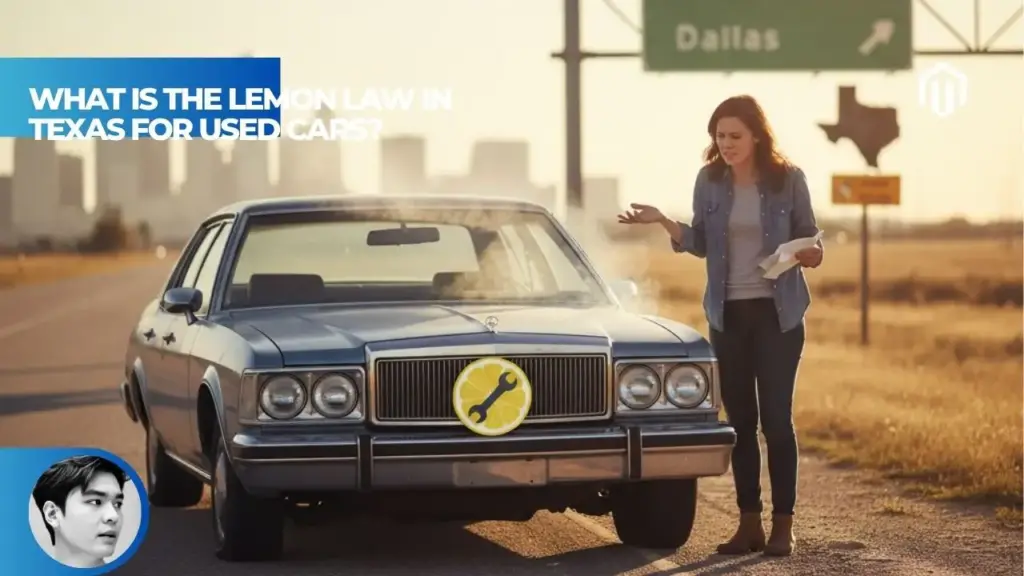
Texas Lemon Law (Texas Occupations Code Chapter 2301) primarily protects buyers of new vehicles, not used cars[1]. The only exception: used cars still covered by the original manufacturer’s warranty at the time of purchase may qualify for limited protection[2]. If you bought a used car “as-is” or without warranty, the Lemon Law does not apply. But that doesn’t mean you’re without options—the Texas Deceptive Trade Practices Act (DTPA) may offer stronger protection if the seller lied about the vehicle’s condition[3].
How Texas Lemon Law Works
The Texas Lemon Law requires manufacturers to repair, replace, or refund vehicles with substantial defects that cannot be fixed after a reasonable number of attempts[1]. The Texas Department of Motor Vehicles (TxDMV) enforces this law through its Motor Vehicle Division, which handles complaints and conducts administrative hearings[2].
A vehicle is presumed to be a “lemon” if any of the following occur while under warranty[2]:
- Four or more repair attempts for the same defect without success
- Two or more attempts to repair a serious safety defect
- The vehicle has been out of service for 30 or more cumulative days due to repairs
The catch? These criteria apply within the first 24 months or 24,000 miles—whichever comes first[4]. For most used cars, that window has already closed.
When Used Cars Qualify for Texas Lemon Law
Used vehicles can qualify for Lemon Law protection only under narrow circumstances[2]. The vehicle must have been originally sold as new in Texas, and the manufacturer’s original warranty must still be in effect when the problem occurs. If you purchased a certified pre-owned vehicle with remaining factory warranty, you may have coverage.
| Condition | Lemon Law Coverage |
|---|---|
| Used car with active manufacturer warranty | Possibly covered[2] |
| Used car sold “as-is” | Not covered[2] |
| Used car with dealer warranty only | Not covered under Lemon Law[2] |
| Used car with expired manufacturer warranty | Not covered[2] |
Here’s what matters: if your used car still has time or mileage remaining under the original factory warranty, report defects immediately. You must file a Lemon Law complaint within six months after the warranty expires, 24 months after purchase, or 24,000 miles—whichever comes first[4].
Texas Deceptive Trade Practices Act: Your Stronger Option
For most used car buyers, the Texas Deceptive Trade Practices Act (DTPA) offers more practical protection than the Lemon Law[3]. This law prohibits sellers from using “false, misleading, or deceptive acts or practices” during a sale[3].
The DTPA (Texas Business and Commerce Code Chapter 17) applies when a seller[3]:
- Failed to disclose a known major defect
- Lied about the vehicle’s condition, history, or features
- Misrepresented the car’s mileage or accident history
- Made false claims about warranty coverage
Unlike the Lemon Law, the DTPA doesn’t require an active warranty. If a dealer sold you a vehicle while hiding significant problems, you can pursue legal action regardless of whether it was sold “as-is”[3]. Successful DTPA claims can result in actual damages, court costs, and potentially additional damages if the seller acted knowingly[5].
Magnuson-Moss Warranty Act: Federal Protection
The federal Magnuson-Moss Warranty Act provides another layer of protection for used car buyers with valid warranties[2]. This law applies when a dealer or manufacturer fails to honor written warranty terms.
If you purchased a used car with any type of written warranty—whether manufacturer, dealer, or third-party—and the warrantor refuses to perform covered repairs, you may have a federal claim[2]. The Magnuson-Moss Act allows consumers to recover attorney’s fees if they prevail, which makes it easier to find legal representation for smaller claims.
What “As-Is” Actually Means
Buying a used car “as-is” in Texas means you accept the vehicle in its current condition with no warranty protection[3]. The seller has no legal obligation to repair defects discovered after the sale. Most private-party sales and many dealer transactions for older vehicles fall into this category.
But “as-is” doesn’t give sellers unlimited protection. A dealer who actively conceals known defects—like rolling back an odometer or hiding accident damage—can still face DTPA liability[3]. The distinction is between seller silence (generally allowed) and seller deception (illegal).
How to File a Texas Lemon Law Complaint
If your used car qualifies (has active manufacturer warranty), follow these steps to file with TxDMV[1]:
- Gather documentation: Collect your purchase contract, all repair orders, current registration, and photos or videos of the defect[6].
- Submit complaint to TxDMV: File through the Texas Department of Motor Vehicles online portal or by mail. A filing fee applies[4].
- Attend the hearing: TxDMV aims to hold hearings and issue decisions within 150 days after the complaint is filed[4].
- Prove your case: At the hearing, you must demonstrate to an administrative law judge that your vehicle meets the definition of a lemon[4].
TxDMV conducts hearings at sites throughout Texas, making the process more accessible than traditional court proceedings[4]. The Lemon Law process is generally less expensive than a lawsuit, which is its main advantage.
When to Contact an Attorney
Consider consulting a Texas consumer protection attorney if[3]:
- The seller made false statements about the vehicle’s history or condition
- You have documentation proving the dealer knew about defects before the sale
- Your warranty claim was wrongfully denied
- Damages exceed small claims court limits ($20,000 in Texas)
Many lemon law and DTPA attorneys offer free consultations and work on contingency, meaning no upfront cost to you[6]. Given the complexity of vehicle purchase disputes, professional guidance often pays for itself.
Key Takeaways
- Texas Lemon Law (Occupations Code Chapter 2301) covers primarily new vehicles; used cars qualify only if still under the original manufacturer’s warranty[1][2].
- The Texas Deceptive Trade Practices Act provides stronger protection for used car buyers when sellers lie about or conceal vehicle defects[3].
- “As-is” sales eliminate warranty obligations but don’t protect sellers who commit fraud or active misrepresentation[3].
- Lemon Law complaints must be filed within six months after warranty expiration, 24 months from purchase, or 24,000 miles—whichever comes first[4].
- The federal Magnuson-Moss Warranty Act may apply if any written warranty (manufacturer, dealer, or third-party) is not honored[2].
- A pre-purchase inspection remains your best defense against buying a problem vehicle in the first place.
FAQs
Does Texas have a lemon law for used cars?
The Texas Lemon Law primarily covers new vehicles[1]. Used cars only qualify if they’re still under the original manufacturer’s warranty at the time of purchase[2]. Vehicles sold “as-is” or with only dealer warranties are not covered. The Texas Deceptive Trade Practices Act may provide alternative protection if the seller misrepresented the vehicle’s condition[3].
Can I return a used car I just bought in Texas?
Texas has no “cooling off” period or automatic right to return a vehicle simply because you changed your mind[3]. Once you sign the purchase agreement, the sale is final. Your only recourse is if the seller violated the DTPA through fraud or misrepresentation, or if the vehicle qualifies under the Lemon Law due to an active warranty[2].
How long do I have to file a Lemon Law claim in Texas?
You must file within six months after the earliest of these: expiration of the express warranty, 24 months after purchase, or 24,000 miles since delivery[4]. Missing this deadline means losing your right to file a Lemon Law complaint entirely.
What damages can I recover under the DTPA for a defective used car?
Successful DTPA claims may result in actual damages (cost of repairs, diminished value), court costs, and attorney’s fees[5]. If the seller acted knowingly or intentionally, additional damages may be awarded. The specific recovery depends on your case circumstances and what evidence you can present.
Should I get a pre-purchase inspection before buying a used car?
Absolutely. A pre-purchase inspection by an independent mechanic costs $100–$200 and can reveal hidden problems before you’re legally committed[3]. This is especially true for older vehicles or private-party sales where “as-is” terms typically apply. Discovering issues beforehand gives you negotiating leverage or grounds to walk away.
References
- Texas Department of Motor Vehicles. (n.d.). Texas Lemon Law. https://www.txdmv.gov/motorists/consumer-protection/lemon-law
- Lemon Law Experts. (2025). Texas Lemon Law for New Cars vs. Used Cars Explained. https://lemonlawexperts.com/texas-lemon-law-new-cars-used-cars/
- State Law Library of Texas. (2025). I bought a used car, but it does not run well. What can I do? https://www.sll.texas.gov/faqs/dtpa-used-car/
- Texas Tech University Student Legal Services. (n.d.). Texas Lemon Law. https://www.depts.ttu.edu/sls/forms/lemon-law.pdf
- Texas Consumer Lawyers. (n.d.). Texas Consumer Protection Statutes. https://txconsumerlawyers.org/protection-statutes/
- Lemon Law Experts. (2025). Texas Lemon Law Made Easy to Understand. https://lemonlawexperts.com/lemon-law-texas/

I am a senior automotive analyst at Autvex. Expert vehicle evaluations, in-depth reviews, and objective analysis helping readers make informed automotive decisions with years of industry experience.