You may also like:
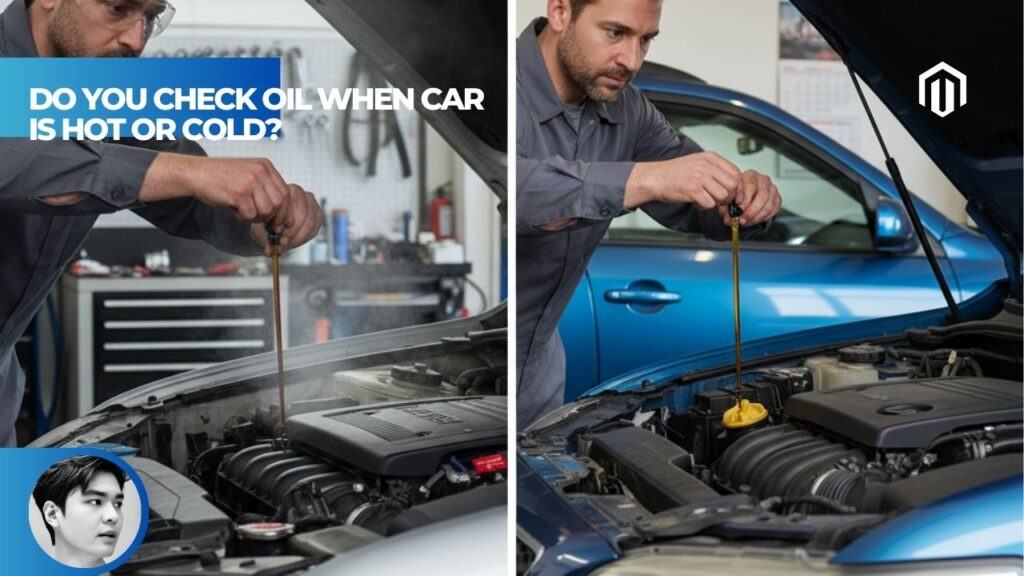
For most vehicles, checking oil when the engine is cold provides the most accurate reading[1]. When cold (after the car has sat for at least 30 minutes), all oil has drained back into the oil pan, giving you a true measurement of total oil volume[2]. However, some manufacturers—particularly German brands like BMW and Mercedes-Benz—recommend checking oil after the engine has warmed up and rested for 5-10 minutes[3]. Always consult your owner’s manual for your specific vehicle’s recommendation.
Why Engine Temperature Matters
Oil behaves differently at varying temperatures, which affects dipstick readings. When the engine runs, oil circulates through the engine block, cylinder head, oil filter, and other components[2]. After shutdown, this oil gradually drains back into the pan—a process that takes several minutes for warm oil and longer for cold oil[3].
Cold oil has also settled completely in the pan, providing a reading that reflects the total amount of oil in your engine[1]. Warm oil, while mostly drained back, may still have some volume clinging to internal components. Additionally, oil expands slightly when heated, though this expansion is minimal and generally not significant enough to affect readings meaningfully[4].
The difference between hot and cold readings can be approximately half a quart in some vehicles[5]. If you check warm and add oil to reach the full mark, you may inadvertently overfill when the oil settles cold—which can cause foaming and potentially damage the engine[1].
Manufacturer Recommendations by Brand
Different automakers have varying recommendations based on engine design:
| Manufacturer | Recommended Check Method |
|---|---|
| Toyota/Lexus | Cold (engine off 5+ minutes)[3] |
| Honda/Acura | Cold[3] |
| Ford | Warm (after 10-15 minutes of driving) for trucks; cold for most cars[3] |
| GM (Chevrolet, Buick, GMC) | Cold[3] |
| BMW/Mercedes-Benz | Hot, then wait 10 minutes after shutdown[3] |
| Volkswagen | Hot (provides more accurate reading)[4] |
| Subaru | Cold[3] |
Always verify with your specific vehicle’s owner’s manual, as recommendations can vary by model year and engine type within the same brand.
How to Check Oil When Cold
This method is recommended by most automakers including Toyota, Honda, and GM[3].
Step 1: Park on Level Ground
Oil settles in the pan based on gravity. If your vehicle is parked on a slope, oil will pool on one side, resulting in an inaccurate dipstick reading[3]. Find a flat surface such as a garage floor or level driveway.
Step 2: Wait Adequate Time
Let the engine sit for at least 30 minutes after driving, or check first thing in the morning before starting the car[3]. In very cold weather, oil thickens and drains more slowly—waiting longer improves accuracy.
Step 3: Locate and Remove the Dipstick
Open the hood and find the dipstick—typically a brightly colored handle (yellow, orange, or red) labeled with an oil can symbol or “Engine Oil”[6]. Pull the dipstick completely out of its tube.
Step 4: Clean and Reinsert
Wipe the dipstick clean with a lint-free rag or paper towel[6]. This removes any oil splashed onto the dipstick during driving, ensuring you read only the pan level. Reinsert the dipstick fully into the tube, pushing it all the way down[7].
Step 5: Read the Oil Level
Pull the dipstick out again slowly and examine both sides[7]. Look at where the oil film ends relative to the indicator marks:
- Full/Max mark: Oil level is adequate
- Between marks: Level is acceptable
- Low/Min mark or below: Add oil
During routine checks on my own vehicles, I’ve found cold morning readings to be the most consistent and reliable. The difference between a cold check and a warm check immediately after driving was nearly a half-quart variation on a four-cylinder sedan.
How to Check Oil When Warm
Some manufacturers and certain driving conditions warrant warm checks[4].
Step 1: Drive for 15-20 Minutes
This brings the engine to normal operating temperature (approximately 230-260°F) and ensures oil has circulated throughout the system[8].
Step 2: Park on Level Ground and Shut Off Engine
After parking, turn off the engine completely. Oil does not settle properly while the engine is running[1].
Step 3: Wait 5-10 Minutes
Allow oil to drain back into the pan from the upper engine components[1]. This waiting period is essential—checking immediately after shutdown will show a falsely low reading because oil hasn’t returned to the pan yet.
Step 4: Check Using Standard Dipstick Procedure
Follow the same clean-insert-read process described above. Be cautious around hot engine components to avoid burns[7].
When to Use Each Method
| Situation | Recommended Method | Reason |
|---|---|---|
| Routine level check | Cold | Most accurate total oil volume[2] |
| After oil change verification | Cold (after settling) | Ensures correct fill level |
| Diagnosing consumption | Both cold and warm | Identifies leaks vs. burning oil[3] |
| Road trip quick check | Warm (wait 5-10 min) | Practical when cold check isn’t possible |
| Per owner’s manual | Follow manual | Manufacturer knows your engine best |
For other fluid-related maintenance questions, our guide on how many quarts of oil a car takes provides additional context.
What to Do If Oil Is Low
If your dipstick shows oil at or below the minimum mark:
- Add oil gradually: Start with half a quart at a time[7]
- Wait 1-2 minutes: Allow oil to settle into the pan[9]
- Recheck the dipstick: Repeat until the level reaches between the marks
- Avoid overfilling: Stop before reaching the max mark if in doubt—slightly under is safer than over[7]
Use the oil type specified in your owner’s manual. If you’re unsure what oil your vehicle requires, check for weight specifications like 5W-30 or 0W-20 on the oil cap or in the manual. For related maintenance questions, see our guide on battery charging times and signs of overheating.
How Often to Check Oil
Regular oil level checks prevent engine damage from low oil conditions:
- Before long trips: Check the morning you depart
- Monthly: Minimum frequency for most vehicles[6]
- Every fuel fill-up: Traditional recommendation, though modern vehicles consume less oil
- After noticing warning lights: Oil pressure or level warnings require immediate attention
Some newer vehicles have electronic oil level sensors that display readings on the dashboard, reducing the need for manual dipstick checks[6]. However, understanding how to perform a manual check remains valuable for verification and when sensors may be inaccurate.
Key Takeaways
- Most vehicles should have oil checked when cold (30+ minutes after shutdown) for accurate readings[1][2]
- Some manufacturers (BMW, Mercedes, VW) recommend warm checks with a 5-10 minute rest period[3][4]
- Always check your owner’s manual for your specific vehicle’s recommendation
- Park on level ground and use a clean dipstick for accurate readings[6][7]
- The difference between hot and cold readings can be approximately half a quart[5]
Frequently Asked Questions
Does oil expand when hot enough to affect the reading?
Oil does expand slightly when heated, but the difference is typically not significant enough to affect practical measurements[4]. The larger factor is how much oil has drained back into the pan versus remaining in the engine components.
Can I check oil immediately after turning off the engine?
Why does my dipstick show different levels hot versus cold?
The difference occurs because warm oil hasn’t fully settled and some remains coating engine components[5]. Cold checks capture more of the total oil volume. This difference can be approximately half a quart on some vehicles.
Is it bad to check oil when the engine is running?
Yes. Never check oil with the engine running[1]. The dipstick reading will be inaccurate because oil is actively circulating, and you risk injury from moving engine components.
What if my owner’s manual says to check warm but I prefer cold checks?
Follow the manufacturer’s recommendation for the most accurate results[3]. However, if you consistently use cold checks and add oil accordingly, you’ll still maintain safe levels—just be aware that you may show slightly higher than the “full” mark when warm.
References
- Oil Changers. (2024). Best Time to Check Car Oil for Accurate Readings. https://oilchangers.com/best-time-to-check-car-oil/
- Mobil. (2014). Should Oil Levels Be Checked When the Engine Is Hot or Cold? https://www.mobil.com/en/lubricants/for-personal-vehicles/auto-care/all-about-oil/ask-our-auto-experts/should-oil-levels-be-checked-when-the-engine-is-hot-or-cold
- Kemso Racing. (2025). How to Check Engine Oil Correctly: Cold vs. Hot. https://www.kemsoracing.com/blogs/news/how-to-check-engine-oil-correctly-cold-vs-hot-a-practical-guide-for-every-driver
- REREV. (2023). Should I Check Oil When Engine Is Hot or Cold? https://rerev.com/articles/should-i-check-oil-when-engine-is-hot-or-cold/
- Bob Is The Oil Guy Forums. (2025). Check Oil Warm or Cold. https://bobistheoilguy.com/forums/threads/check-oil-warm-or-cold.358335/
- Car and Driver. (2024). How to Check Your Car’s Oil. https://www.caranddriver.com/features/a28246625/how-to-check-engine-oil/
- Consumer Reports. (2025). How to Check Your Car’s Engine Oil the Right Way. https://www.consumerreports.org/cars/car-repair-maintenance/how-to-check-car-engine-oil-a7618306432/
-
Driven2Drive. (2025). Should I Check My Oil When the Engine Is Hot or Cold?
When to Check Your Oil? When the Engine Is Hot or Cold?
- AutoZone. (2025). How and When to Check Your Oil. https://www.autozone.com/diy/motor-oil/how-and-when-to-check-your-oil

I am a senior automotive analyst at Autvex. Expert vehicle evaluations, in-depth reviews, and objective analysis helping readers make informed automotive decisions with years of industry experience.