You may also like:
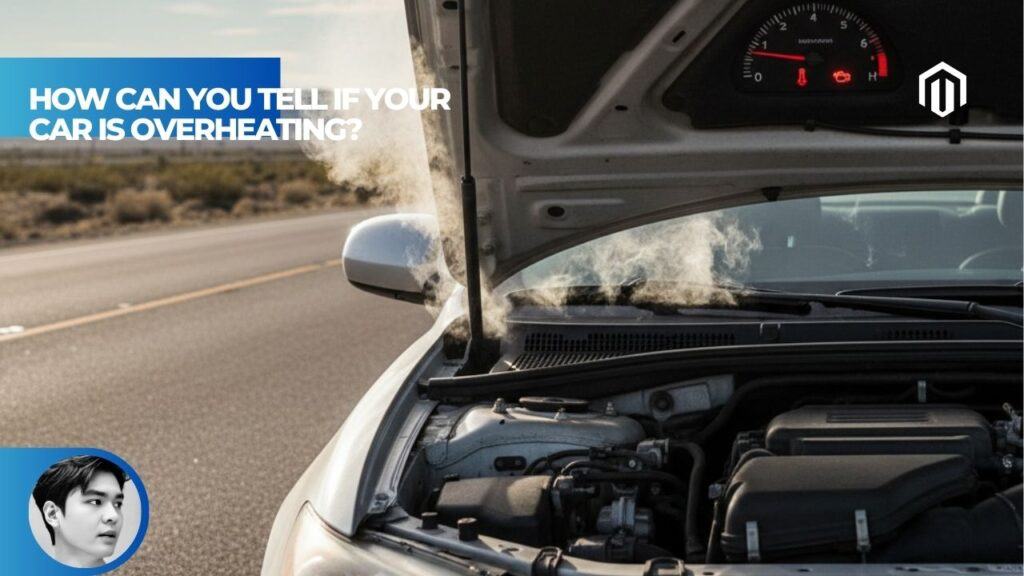
The most reliable indicator of an overheating car is a temperature gauge that spikes to “H” or enters the red zone on your dashboard[1]. Other warning signs include steam rising from under the hood, a sweet smell from leaking coolant, dashboard warning lights, and loss of engine power[1]. Acting quickly at the first sign of overheating can prevent catastrophic engine damage.
Understanding Engine Temperature Indicators
Modern vehicles include multiple warning systems to alert drivers before overheating causes permanent damage. Recognizing these signals early is essential because continued operation of an overheating engine can warp cylinder heads, crack the engine block, and require thousands of dollars in repairs[1].
The engine temperature gauge on your dashboard reflects how hot your engine is running—not the outdoor temperature[2]. When the needle remains stable in the middle range, the cooling system is functioning properly. Any consistent movement toward the red zone indicates a developing problem that requires immediate attention.
Warning Signs Your Engine Is Overheating
Temperature Gauge Rising Into the Red
The dashboard temperature gauge is your most direct indicator[3]. Most gauges stay in the middle once the engine reaches operating temperature. If you notice the needle creeping toward “H” or into the red zone, especially during a short trip or in mild weather, the cooling system is already struggling[3].
During highway driving on hot summer days, I’ve observed temperature gauges rise slightly above the midpoint during extended climbs—this is often normal. However, a needle that continues climbing rather than stabilizing signals a genuine problem.
Steam or Smoke From Under the Hood
Steam billowing from the front of your vehicle is a definitive sign the engine has overheated[3]. This steam is typically coolant boiling over and escaping from the radiator or overflow tank[1]. While it can resemble smoke, steam indicates high fluid temperatures rather than burning oil.
Actual smoke—especially with a burnt or oily smell—could indicate oil or fluid leaks, which represents a separate but equally serious issue requiring professional diagnosis[1].
Dashboard Warning Lights
| Warning Light | Appearance | Meaning |
|---|---|---|
| Temperature Warning | Thermometer over wavy lines | Engine is overheating or coolant is critically low[4] |
| Red Temperature Light | Red thermometer icon | Immediate action required—engine at dangerous temperature[5] |
| Blue Temperature Light | Blue thermometer icon | Engine is still cold—typically not a concern[5] |
| Check Engine Light | Engine outline | May illuminate alongside temperature issues[6] |
When the red engine temperature warning light illuminates, the engine is at risk for serious damage[7]. A yellow or amber light typically indicates coolant levels are below minimum[5].
Unusual Smells
Several distinct smells can indicate overheating[1]:
- Sweet smell: Leaking radiator fluid (coolant/antifreeze) has a distinctive candy-like odor[6]
- Burning rubber: Often indicates belts under thermal stress
- Hot oil smell: May signal oil leaks contacting hot engine components
- General burning smell: Plastic gaskets and rubber seals degrading from excessive heat[8]
Loss of Engine Power
Overheating affects engine performance significantly[3]. If the engine runs rough, stalls unexpectedly, or enters “limp mode” to prevent damage, overheating may be the cause[1]. These symptoms occur when the engine is too hot to maintain proper timing or combustion[3].
Other performance-related symptoms include pinging or knocking sounds and sudden drops in acceleration[3]. If power loss coincides with other warning signs, stop driving immediately.
Hood Hot to the Touch
When an engine overheats severely, heat radiates outward and makes the hood noticeably hot[8]. This test only works if the vehicle hasn’t been sitting in direct sunlight. A hood that feels unusually hot compared to normal operating conditions confirms the engine is running above safe temperatures.
What to Do When Your Car Overheats
Immediate Steps
1. Turn off the AC and turn on the heater
This sounds counterintuitive, but cranking the heat pulls warmth away from the engine and into the passenger cabin[1]. Set the heater to maximum heat and the fan to maximum speed. In certain circumstances, this alone may be enough to reverse mild overheating[9]. If you’re concerned about your AC blowing hot air, check the cooling system first.
2. Pull over safely
Find a safe location to stop as soon as possible. Continuing to drive an overheating engine risks warping cylinder heads and cracking the engine block[1].
3. Let the engine cool
Wait at least 15-30 minutes before opening the hood[1]. Opening it immediately exposes you to burns from steam or hot components. Watch the temperature gauge—it should move back toward the normal range as the engine cools.
4. Check coolant levels (once cooled)
After the engine has cooled completely, visually inspect the coolant reservoir[1]. The level should fall between the “low” and “full” marks. If low, carefully add coolant—a 50/50 mix of antifreeze and water is standard for most vehicles[10].
5. Call for assistance
If coolant levels are adequate but the engine still overheated, the problem is likely mechanical or electrical[10]. A tow to a repair shop is advisable. Understanding how long it takes to charge a car battery or knowing whether you can jumpstart with a bad alternator can help diagnose related electrical issues.
What NOT to Do
- Don’t keep driving: An overheating engine may still run, but continuing to drive causes costly damage[6]
- Don’t panic: Pull over safely without swerving or slamming the brakes[1]
- Don’t open the hood immediately: Wait for the gauge to return to normal range[1]
- Don’t pour cold water on a hot engine: The sudden temperature change can crack engine components[1]
- Don’t ignore the issue: An overheating engine will not repair itself[6]
Common Causes of Engine Overheating
| Cause | Description | Typical Repair Cost |
|---|---|---|
| Low coolant | Insufficient fluid to manage engine temperature[1] | $20-50 for top-off |
| Coolant leak | Faulty hose, worn gasket, cracked radiator[1] | $150-800 |
| Failed thermostat | Prevents coolant from circulating properly[1] | $150-300 |
| Faulty water pump | Stops coolant circulation throughout system[1] | $300-750 |
| Bad radiator fan | Airflow insufficient to cool radiator[1] | $200-600 |
| Low engine oil | Increased friction generates excess heat[1] | $50-100 for oil change |
If your car won’t start in cold weather but the battery is good, temperature-related issues with the cooling system may also be involved.
How to Prevent Engine Overheating
Regular maintenance is the most effective prevention strategy. The following checklist helps keep the cooling system functioning properly:
- Check coolant levels every few months and before long trips[6]
- Change coolant every 40,000 miles or as specified in your owner’s manual[11]
- Inspect belts and hoses for cracking, bulging, or wear[1]
- Schedule regular services that include cooling system inspections
- Address warning signs immediately rather than waiting for complete failure
For insights into routine maintenance intervals, understanding how many quarts of oil a car takes and monitoring what dashboard warning lights mean can help you stay ahead of potential issues.
Key Takeaways
- A temperature gauge entering the red zone or steam from the hood are the clearest signs of overheating[1][3]
- Turn on the heater and pull over immediately if you notice warning signs[1]
- Wait at least 15-30 minutes before opening the hood to avoid burns[1]
- Never pour cold water on a hot engine—the temperature shock can crack components[1]
- Regular coolant checks and maintenance are the best prevention strategies[6]
Frequently Asked Questions
Can I drive my car if it’s slightly overheating?
Driving with an overheating engine—even briefly—risks permanent damage including warped cylinder heads and cracked engine blocks[1]. If the gauge enters the red zone, pull over immediately rather than attempting to reach your destination.
Why is my car overheating but the coolant is full?
How long should I wait before opening the hood?
Wait at least 15-30 minutes for the engine to cool before opening the hood[1]. Opening it immediately exposes you to burns from steam or hot engine components. Monitor the temperature gauge—it should return to the normal range before you attempt any inspection.
Is a sweet smell always a sign of overheating?
A sweet smell typically indicates leaking coolant (antifreeze), which is often associated with overheating but can occur independently[6]. The smell itself warrants inspection even if the temperature gauge appears normal, as coolant leaks inevitably lead to overheating if left unaddressed.
What happens if I ignore an overheating engine?
Continued driving with an overheating engine causes irreversible damage[1]. Consequences include blown head gaskets, warped cylinder heads, cracked engine blocks, and ultimately complete engine failure requiring replacement—repairs that can cost $3,000 to $10,000 or more.
References
- Firestone Complete Auto Care. (2023). What to Do When Your Engine Overheats. https://www.firestonecompleteautocare.com/blog/maintenance/when-car-overheats/
- Chapel Hill Tire. (2022). Is My Car Engine Overheating? https://www.chapelhilltire.com/is-my-car-engine-overheating
- Severson Auto Service. (2025). 5 Car Overheating Warning Signs You Should Never Ignore. https://www.seversonautoservice.com/5-car-overheating-warning-signs-you-should-never-ignore
- Garage UK. (2024). What Does the Engine Temperature Warning Light Mean? https://www.garage.co.uk/blog/car-maintenance/engine-temperature-warning-light-mean
- We Buy Any Car. (2024). Engine Temperature Warning Light: Everything You Need to Know. https://www.webuyanycar.com/guides/car-ownership/engine-temperature-warning-light/
- Jiffy Lube. (2025). What To Do When Your Car Overheats. https://www.jiffylube.com/resource-center/what-to-do-when-car-overheats
- Hyundai of Evansville. (2024). Dashboard Warning Light Guide. https://www.hyundaiofevansville.com/dashboard-warning-light-guide-evansville-in.htm
- McCarthy Olathe Hyundai. (2024). Is Your Car Overheating? Here Are the Signs and Symptoms. https://blog.mccarthyolathehyundai.com/2024/06/24/is-your-car-overheating-here-are-the-signs-and-symptoms/
- GEICO Living. (2022). What To Do If Your Car Overheats. https://living.geico.com/driving/auto/auto-care/overheating/
- Cardenas Auto Group. (2018). What to Do If Your Car Overheats: 5 Must-Know Steps.
What to Do If Your Car Overheats: 5 Must-Know Steps
- AXA UK. (2021). What to Do When Your Car Overheats. https://www.axa.co.uk/car-insurance/tips-and-guides/what-to-do-when-your-car-overheats/

I am a senior automotive analyst at Autvex. Expert vehicle evaluations, in-depth reviews, and objective analysis helping readers make informed automotive decisions with years of industry experience.